


Rococo Style Wall Appliques
Rococo style wall appliques bring fluid asymmetry and scrolling foliage to a room, offering functional illumination dressed in flamboyant historical ornament.
Rococo Style Wall Appliques
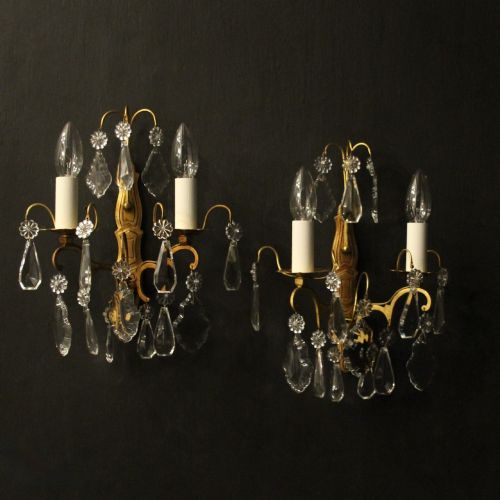
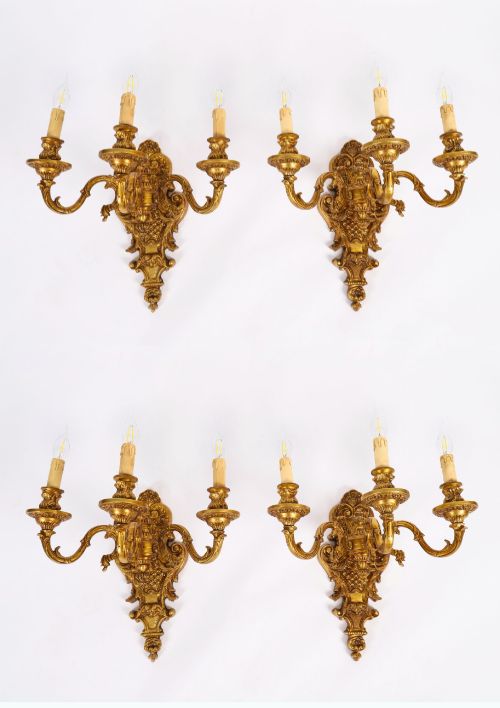
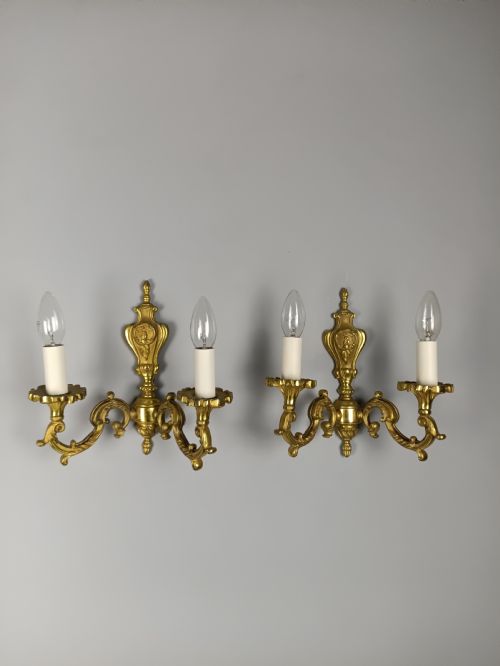
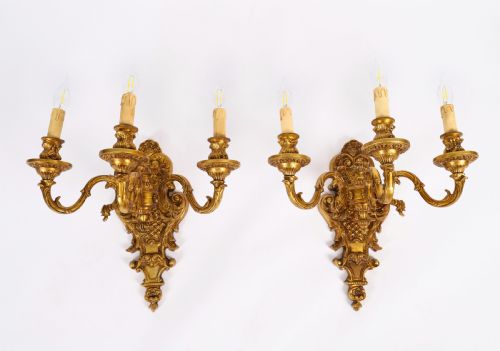
When you examine rococo style wall appliques, you are looking at decorative wall-mounted lighting designed to project candlelight or electric bulb glow across a space. These fixtures typically take the form of wall lights, wall sconces, and architectural salvage pieces.
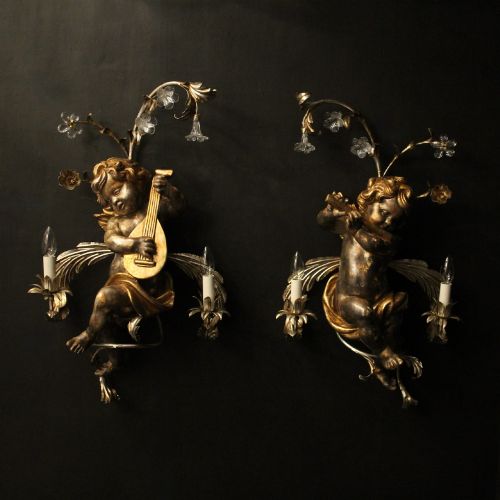
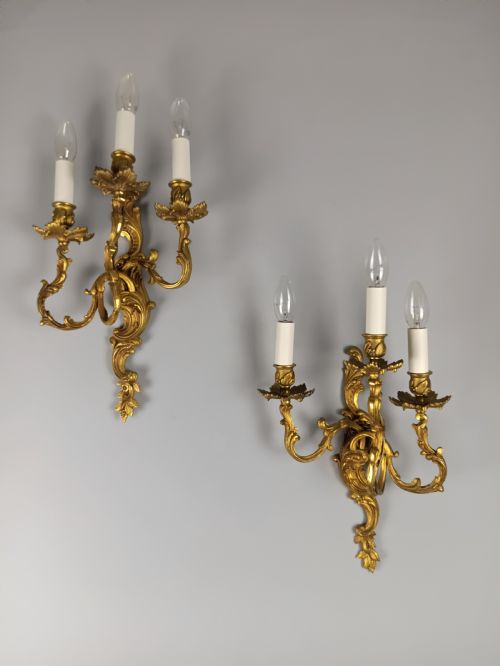
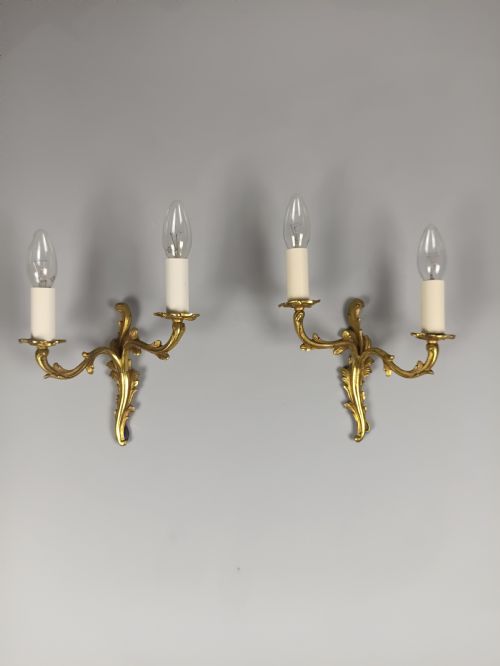
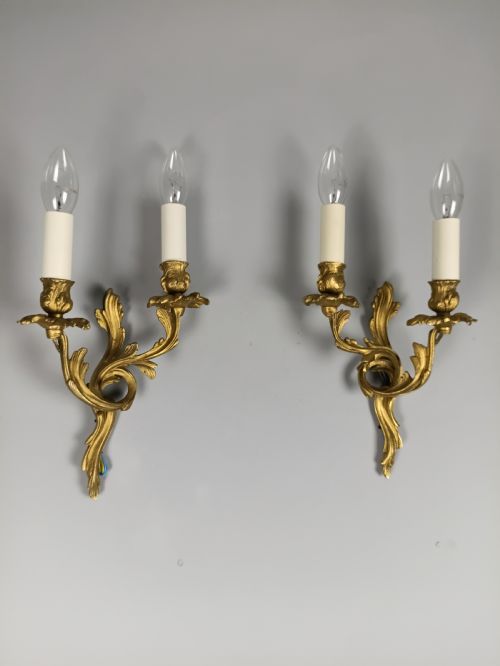
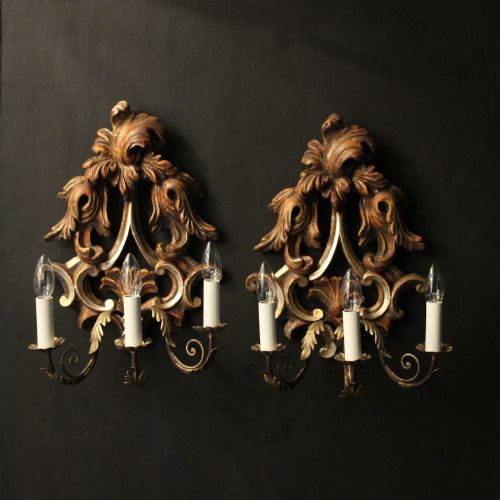
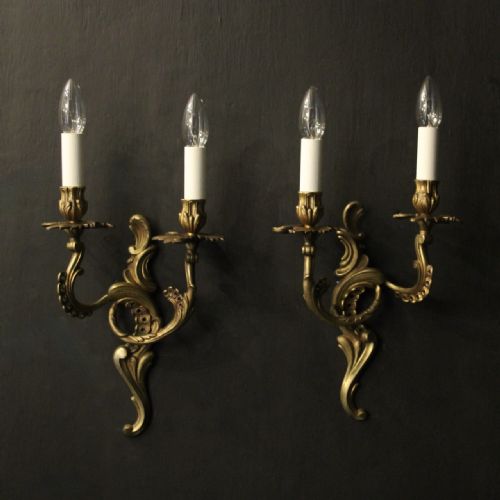
The version you are most likely to meet on this page is a French or Italian pair featuring twin or triple arms. They date predominantly from the early twentieth century revival periods, though nineteenth century examples also appear regularly.
Makers and designers drew heavily on historical motifs, producing items that echo the exuberant curves of the Louis XV era. Brass, gilt bronze, and carved giltwood dominate the current selection, reflecting a preference for gilded surfaces.
Materials and construction
Foundry workers cast metals such as brass, gilt bronze, and ormolu into complex, asymmetrical scrolls using traditional moulding techniques. These metal components were frequently fire-gilded to achieve a durable, lustrous golden finish.
Woodworkers carved limewood and other timbers by hand, applying gesso layers before gilding the wooden surfaces with gold leaf. Craftsmen then assembled multi-branch sconces with mechanical fastenings, integrating crystal drops or porcelain elements where specified by the design.
Rococo Style Wall Appliques Retail Price Guide 2026
Typical asking prices for rococo style wall appliques among the pieces listed under this phrase on Sellingantiques today, from the lower quarter to the upper quarter. They describe what is for sale here now, not the wider market.
The material record spans cast brass, gilt bronze, ormolu, gesso, and carved giltwood.
Distinctions in quality
The refinement of the surface chasing separates standard metal castings from superior examples. Master artisans hand-chased cast bronze and ormolu after removal from the mould, sharpening acanthus leaves and C-scrolls to create crisp relief.
Carved wooden appliques reveal quality through the depth and undercut nature of the foliage, where genuine hand-carving retains sharp edges that mechanical reproduction flattens. The thickness and application of the gilding further distinguish workshop standards.
Von Schierholz
The Rococo Style Wall Appliques Glossary
- Ormolu
- Gilded bronze produced by applying a mercury and gold amalgam to a bronze object and heating it until the mercury vaporised. This historic technique created a rich, matte gold surface finish on luxury metalwork.
- Gesso
- A plaster mixture applied to wood surfaces as a preparation for gilding or painting. It provides a smooth base that carvers and gilders could polish and tool.
- Sconce
- A wall-mounted lighting fixture designed to hold candles or electric lamps. The term originates from medieval fortification lighting.
- Louis XV style
- A design movement characterised by asymmetrical C-scrolls, shell motifs, and naturalistic floral elements. It originated in eighteenth-century France and inspired numerous nineteenth and twentieth-century revivals.
- Giltwood
- Timber that has been coated with thin sheets of gold leaf over a prepared ground. It defines decorative frames and carved wall lights from various continental workshops.
Rococo Style Wall Appliques: Frequently Asked Questions
How do I install antique wall appliques?
Most twentieth-century wall lights are wired for standard electrical connection, though professional installation by a qualified electrician is recommended to support the weight and secure the internal wiring.
Heavier cast bronze or carved wooden appliques require secure wall anchors or fixing directly into timber studs to bear the load safely.
Are these lights electrified or for candles?
The majority of fixtures listed here have been adapted or manufactured for electricity, featuring internal channels or tubes for modern wiring.
Original candle-holding sockets and drip pans often remain as decorative elements, preserving the traditional silhouette of the sconce.
How do I clean gilded bronze safely?
Dusting gently with a soft, dry microfibre cloth prevents the accumulation of grit without disturbing the delicate gold leaf or patinated bronze surface.
Avoid chemical polishes and water entirely, as aggressive cleaning agents strip historical gilding from brass, ormolu, and gesso.
How do I distinguish eighteenth-century pieces from later revivals?
Examine the construction methods, tool marks on the reverse, and the composition of the metal or timber substrate beneath the gilding. Eighteenth-century items show hand-forged or early cast characteristics that differ from twentieth-century reproduction techniques.