
French Ormolu Wall Sconces
French ormolu wall sconces bring brilliant warmth and intricate historical detail to an interior.
What french ormolu wall sconces are
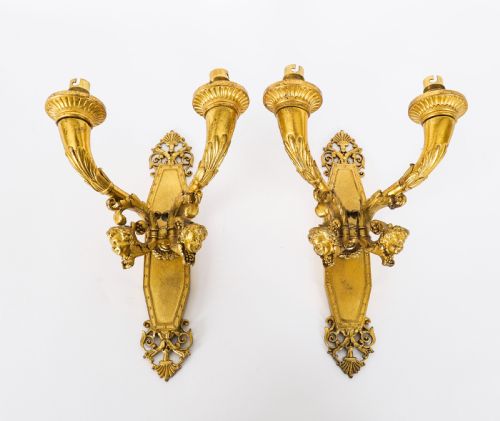
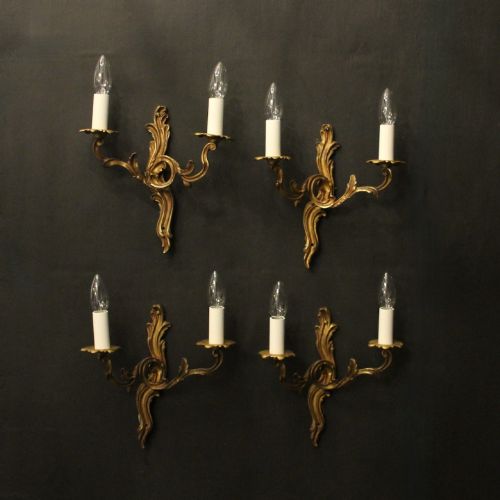
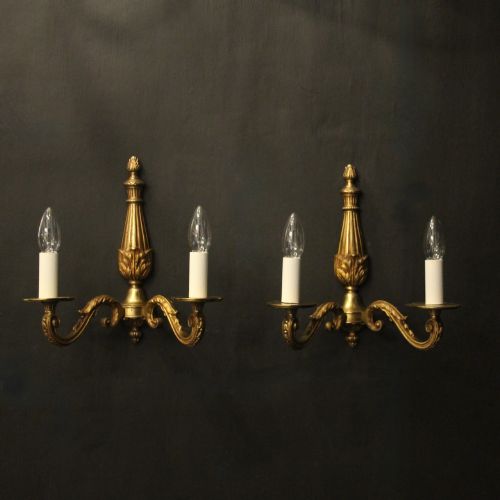
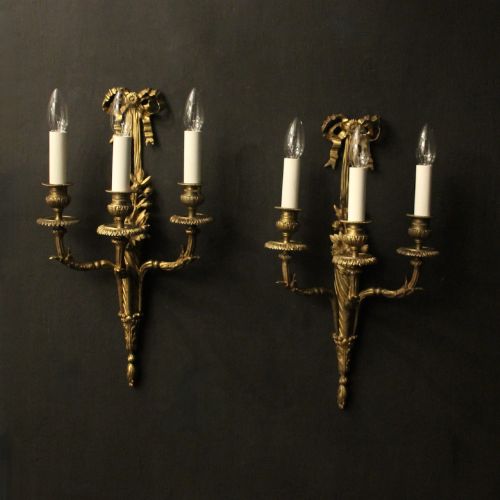
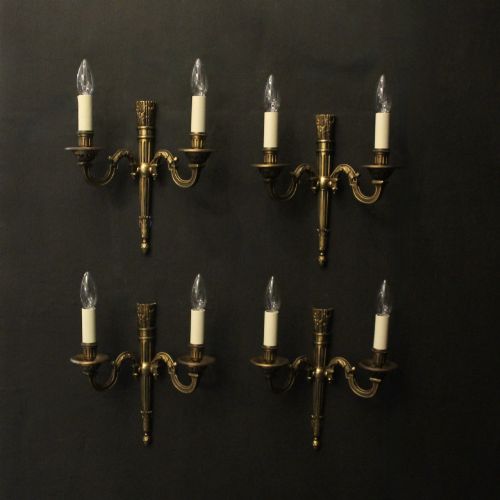
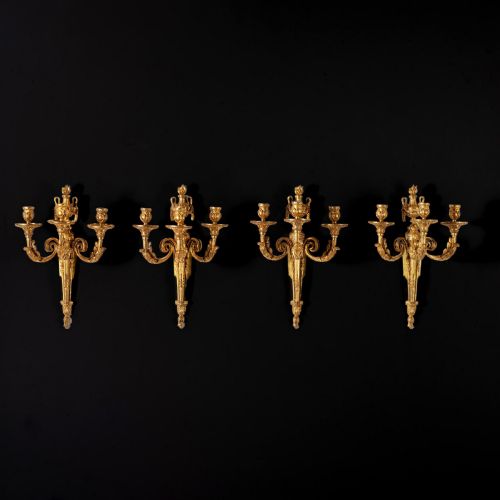
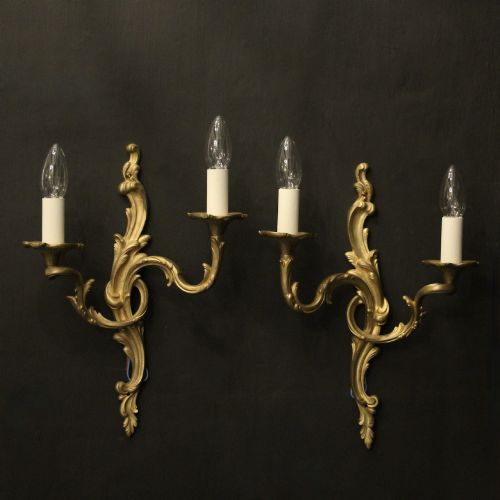
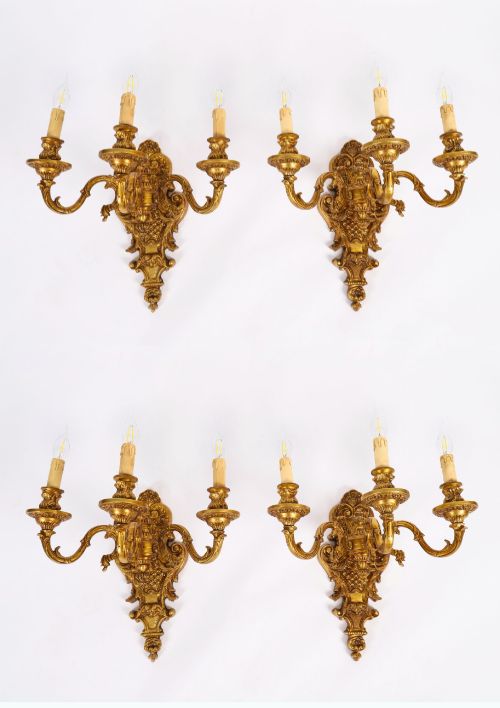
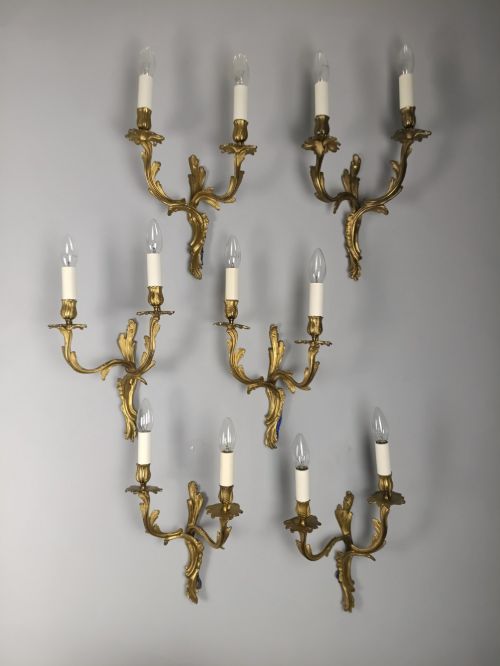
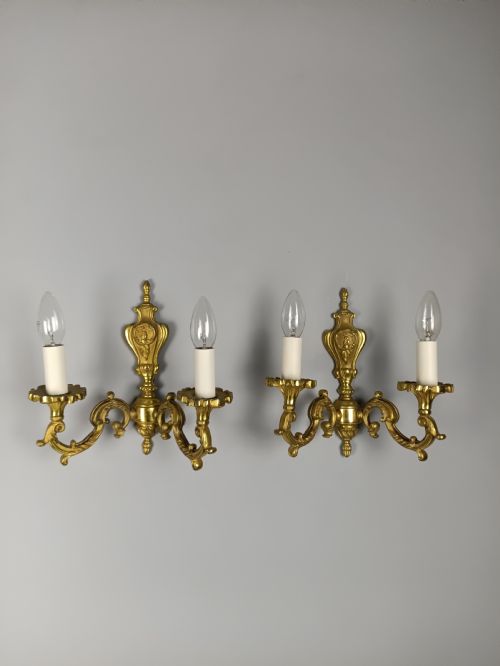
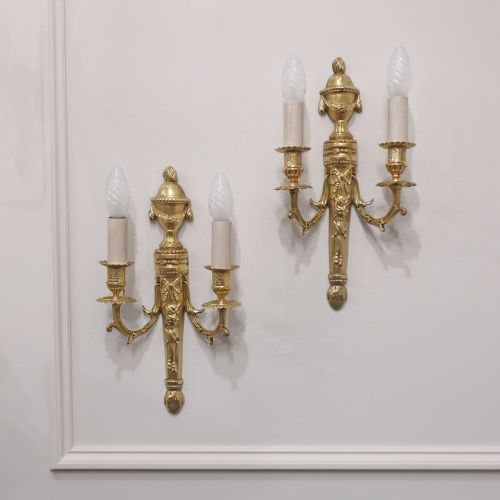
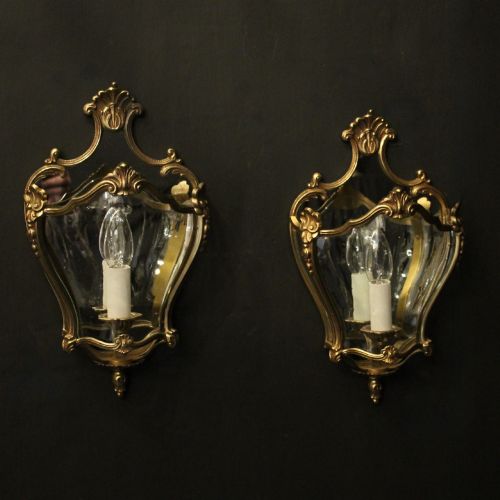
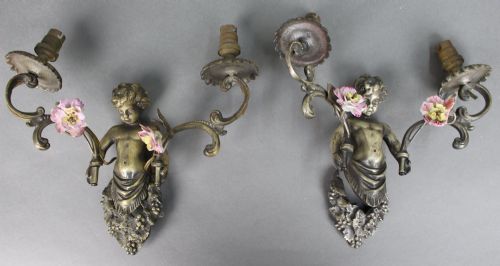
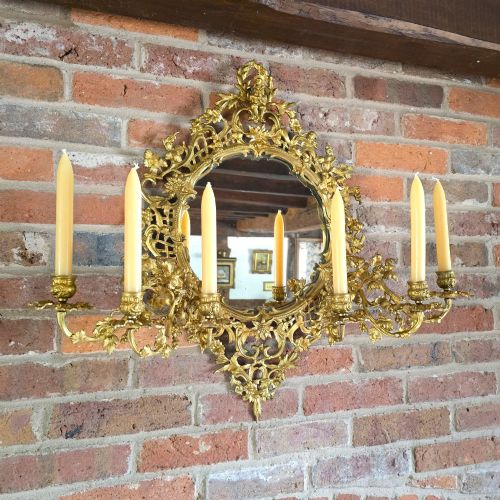
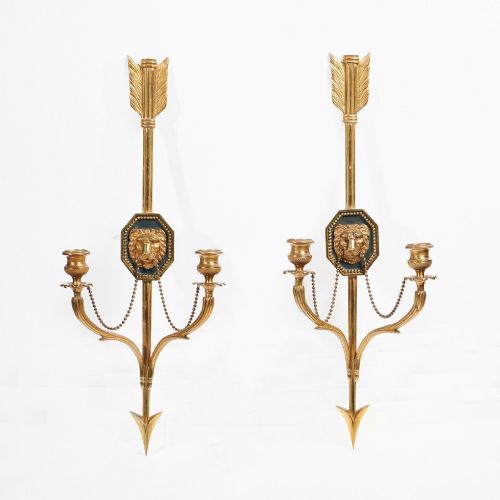
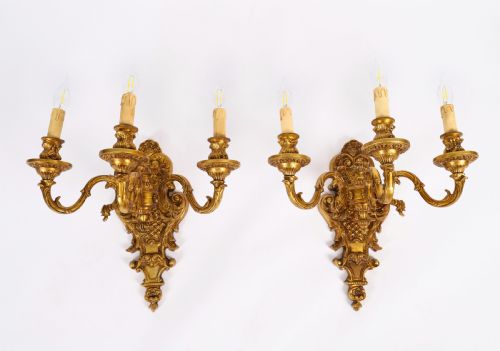
French ormolu wall sconces are decorative lighting fixtures designed to be mounted directly onto walls, illuminating rooms with multi-branched elegance. When you search for french ormolu wall sconces, you encounter pairs of wall lights configured with two or three branches, sometimes incorporating half lanterns or porcelain elements. The selection spans the nineteenth century alongside later periods from nineteen hundred up to nineteen thirty.
The dominant aesthetic draws heavily upon French Rococo and Louis XVI styles, showcasing ornate revival motifs and neoclassical restraint. These fixtures function as architectural ornaments as much as lighting sources, historically engineered to reflect candlelight or gaslight across a salon. You will find that matching pairs dominate the offerings, built for symmetrical placement flanking mirrors, fireplaces, or doorways.
How they were made
The primary construction relies on cast bronze and brass, transformed through mercury gilding or modern electroplating to achieve the distinctive golden ormolu surface. Artisans chased the metal surfaces by hand after casting, sharpening acanthus leaves, scrollwork, and figurative details to catch the light. Certain pieces integrate glass components and delicate porcelain sections alongside the gilded metal arms.
Makers utilised gold leaf finishes on bronze and brass structures to create lasting brilliance that resists tarnishing. The multi-branch armatures were assembled from separate cast components, secured with threaded pins and bolts concealed within the decorative body of the sconce.
Retail Price Guide 2026
Typical UK retail prices for french ormolu wall sconces, calculated from the Sellingantiques database of over a million retail prices indexed since 2003. This retail price guide relies exclusively on Sellingantiques data; no external sources or auction records are used, so the figures do not describe the wider market.
Some nineteenth-century sconces were secretly hollowed out so valets could hide spare candle stubs away from the master's inventory.
What varies in quality
The depth and sharpness of the hand chasing separate standard production from superior examples. Finely chased ormolu displays crisp undercut foliage and distinct textural contrast between matte and burnished areas of gold.
Weight and structural robustness also dictate the upper tier, where substantial bronze castings prevent arm droop and maintain rigid alignment over decades of use.
The French Ormolu Wall Sconces Glossary
- Ormolu
- Gilded bronze produced by applying a mercury and gold amalgam to a bronze base and firing it to drive off the mercury. This historic technique creates a deep, warm golden lustre distinct from modern plating.
- Appliqué
- A French term frequently used interchangeably with wall sconce or wall light. It denotes a decorative light fixture designed to be affixed to a vertical surface.
- Rococo Revival
- A nineteenth-century design movement resurrecting the asymmetrical curves, C-scrolls, and naturalistic plant motifs of the eighteenth-century French court. It defines many of the most exuberant sconce forms.
- Neoclassical
- A style reflecting classical Greek and Roman architecture, marked by symmetry, straight lines, urns, and swags. It forms the basis of the Louis XVI aesthetic seen in these wall lights.
- Chasing
- The process of hand-tooling metal surfaces with small punches and chisels after casting. It refines the raw metal, adding texture and precision to intricate ornamentation.
Frequently Asked Questions
How were these wall lights originally wired?
Most antique french ormolu wall sconces began life holding candles before being adapted for electricity during the twentieth century. Conversion typically involved running internal wiring through the hollow cast arms down to a central backplate.
Modern installations require professional electricians to ensure the antique metalwork safely houses contemporary lamp holders and wiring.
Where should I place wall sconces in a room?
Pairs of wall sconces look best mounted at eye level, typically flanking a central focal point such as a fireplace mantelpiece, large mirror, or double doors. This symmetrical placement enhances architectural balance and distributes ambient light evenly.
Ensure they are positioned at a height that prevents direct glare from exposed candle-style bulbs while adequately illuminating the surrounding wall space.
How do I clean gilded bronze surfaces?
Dust ormolu and gilded bronze gently using a soft, dry microfibre cloth or a clean artist's paintbrush to reach into recessed chased details. Avoid harsh commercial metal cleaners, abrasive pads, or chemical solvents which strip the historic gold leaf.
Professional conservation cleaning is recommended if accumulated grime obscures the underlying brilliance of the metal.
How do I distinguish Rococo from Louis XVI styles?
Rococo designs feature flowing asymmetrical curves, C-scrolls, and exuberant naturalistic foliage without rigid symmetry. They feel organic, dramatic, and playfully fluid.
Louis XVI style embraces strict symmetry, geometric restraint, straight columns, urns, and classical architectural motifs derived from antiquity.