


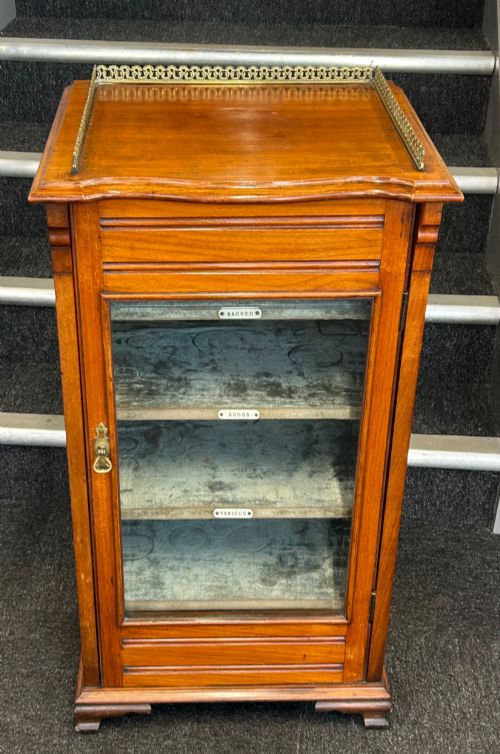
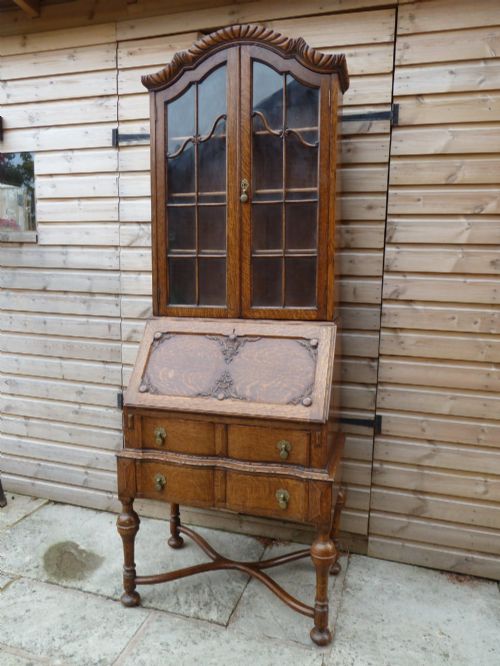
Antique Glazed Top Cabinet
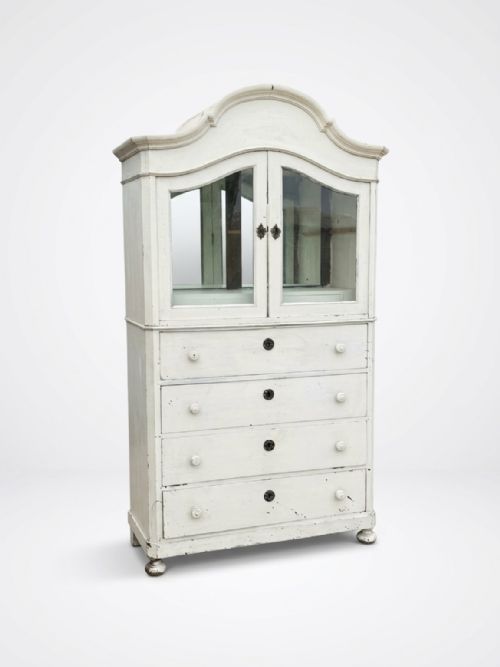
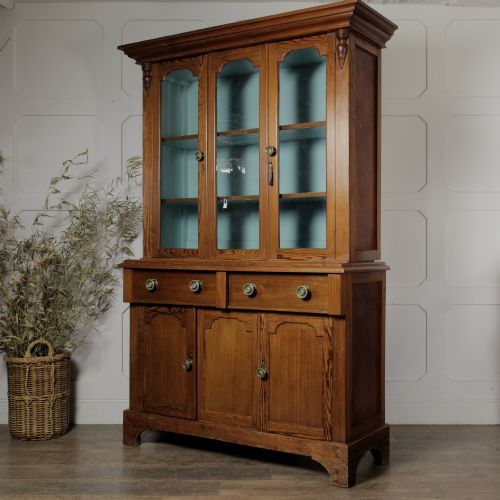
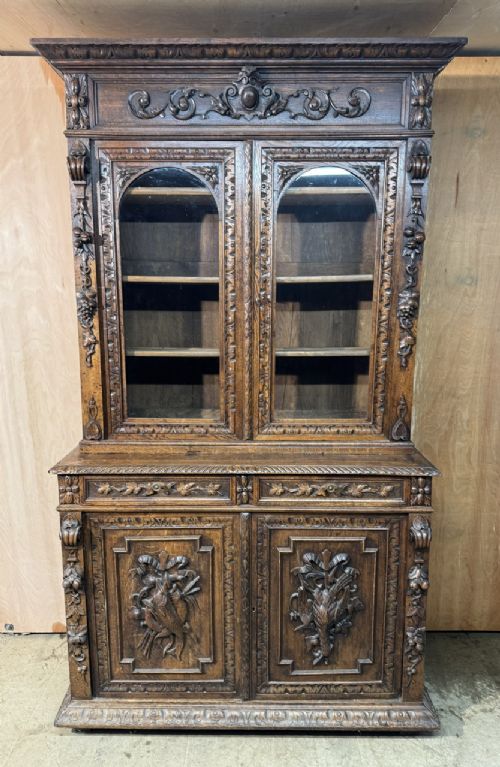
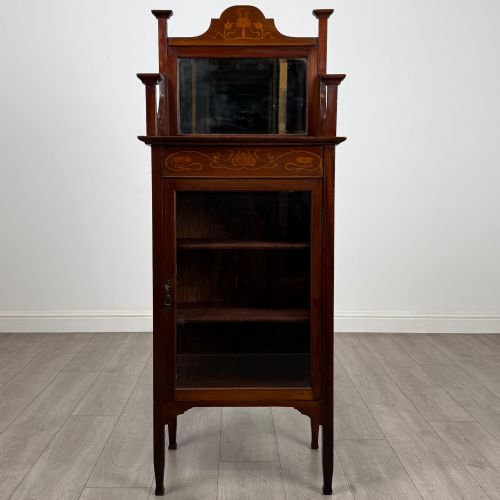
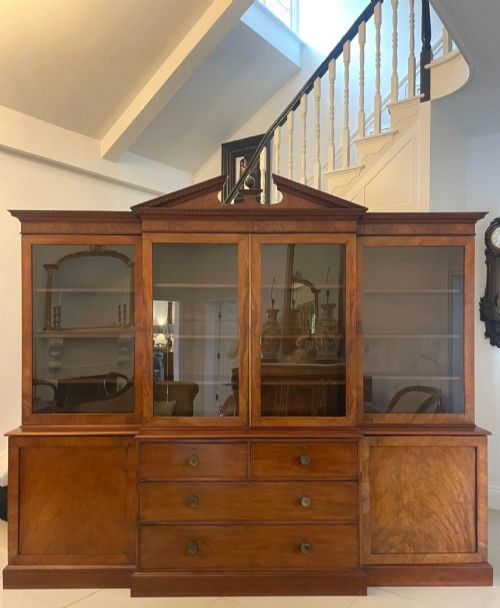
An antique glazed top cabinet brings together timber, glass, and storage, offering a traditional place to display books, porcelain, and collected objects.
Antique Glazed Top Cabinet
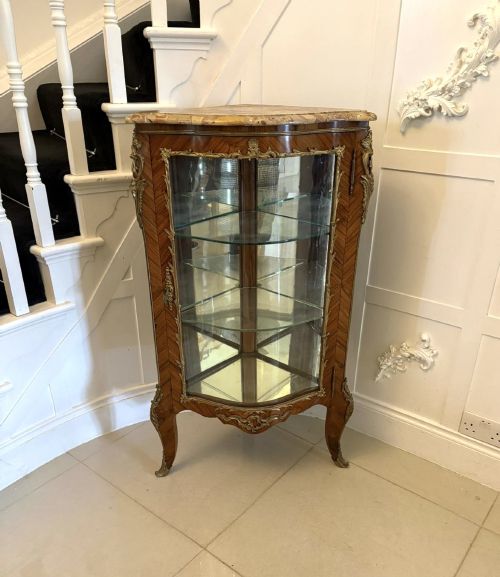
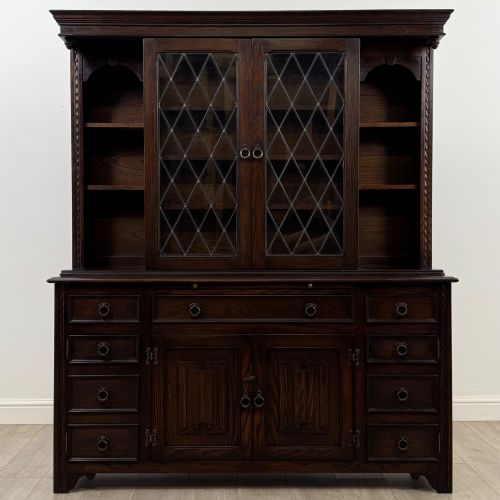
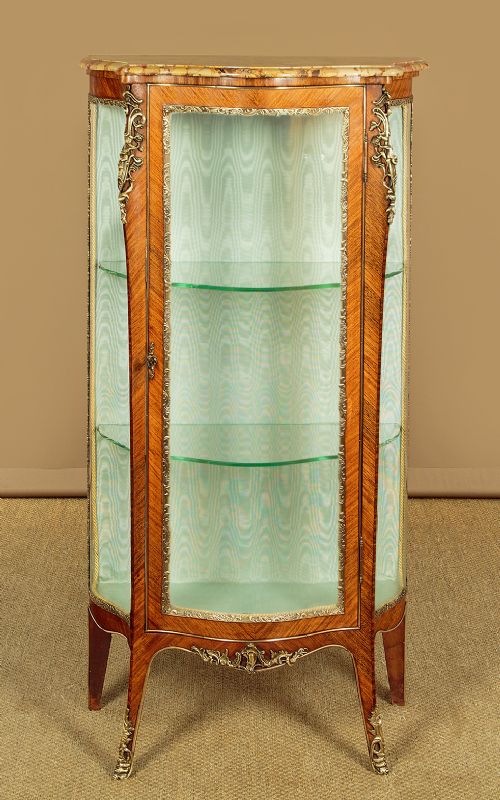
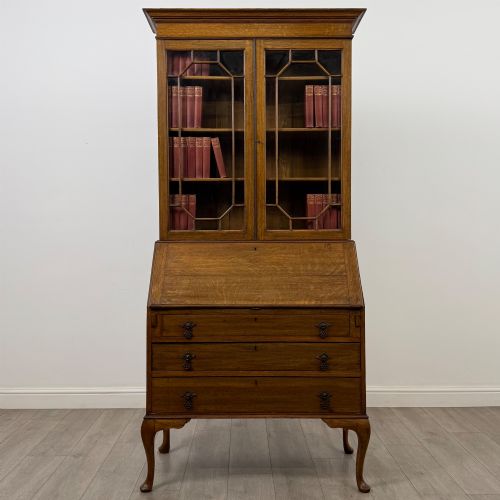
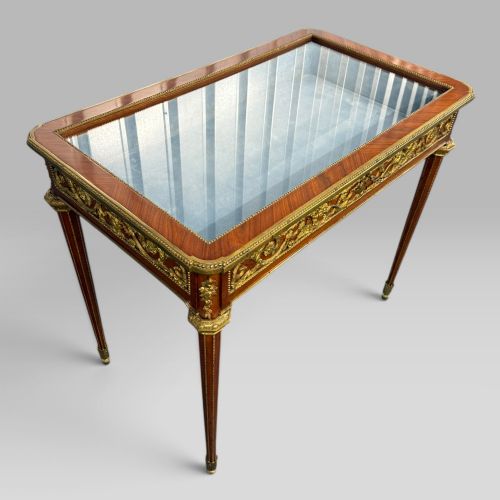
Makers adapted these upper-glazed structures for diverse household rooms, ranging from kitchen dressers holding pottery in pine and oak to French corner display cabinets finished with marble and ormolu mounts. The lower sections incorporate drawers, cupboards, or cylinder desks beneath the glass viewing area.
Assessing Standards
Quality depends upon the selection of figured timber veneers, the refinement of internal fittings such as candle slides or pigeonholes, and the precision of inlaid woodwork. Superior pieces exhibit balanced proportions, well-cast ormolu mounts, and harmonious integration between the glazed upper cabinet and the lower base.
Finer examples show meticulous attention to secondary timbers, original glass panes, and the integration of specialised decorative finishes like hand-painted panels or quality marble tops.
Certain kitchen dressers and corner cabinets retain evidence of centuries of rural domestic life, carrying the quiet aroma of aged beeswax and timber.
François Linke·Edwards & Roberts·Tudor & Burrey
The Antique Glazed Top Cabinet Glossary
- Bureau bookcase
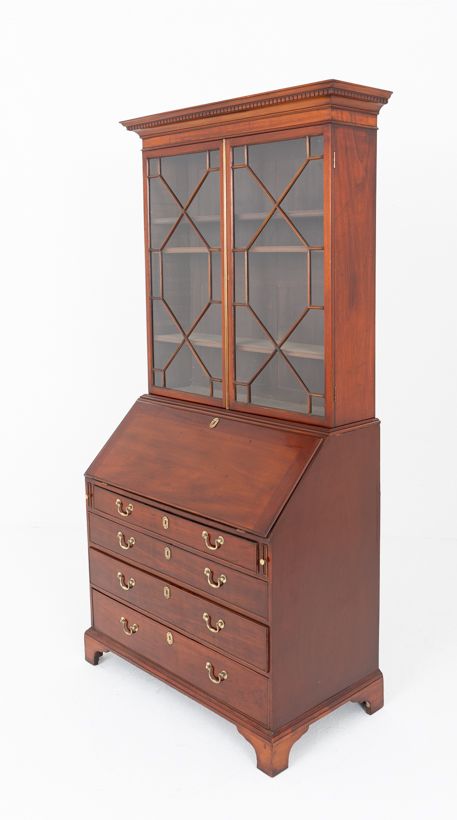
- A combination of a slant-front desk with a shelved upper section enclosed by glass doors. It provides both writing space and display capacity.
- Ormolu
- Gilt bronze ornamentation applied to furniture. It is cast and chased to provide decorative metallic highlights.
- Vernis Martin
- A type of simulated Japanese lacquer developed in France. It uses resin-based varnishes to create decorative painted scenes on furniture.
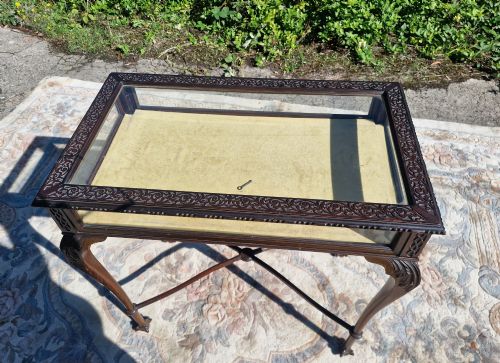
- Bijouterie table
- A shallow glazed display table on slender legs. It is used for showing small valuables and personal ornaments.
Antique Glazed Top Cabinet: Frequently Asked Questions
What fits inside a glazed top cabinet?
These cabinets suit books, ceramics, and small collections that benefit from dust-protected display behind glass doors.
Deeper bureau versions also accommodate writing materials and papers within their fitted internal compartments.
Where should I place a cabinet?
Position your cabinet in a principal reception room or study away from direct sunlight to protect antique timbers and interior contents.
Ensure adequate floor space for doors to open fully without obstructing room circulation.
How do I care for timber surfaces?
Maintain polished wood surfaces by applying appropriate wax polish sparingly and buffing with a soft cloth to preserve the finish.
Avoid excessive moisture and keep cabinets in rooms with stable relative humidity to prevent timber movement.
How do I identify the period?
Examine the timber species, construction methods, and decorative styles such as Edwardian inlay or Victorian proportions to estimate age.
Comparing hardware, secondary woods, and regional construction traits further clarifies the manufacturing period.