
Antique Glassware Vessel
These antique glassware vessel items span centuries of domestic tableware and decorative display, offering tactile historical craft for daily use or collection.
Antique Glassware Vessel
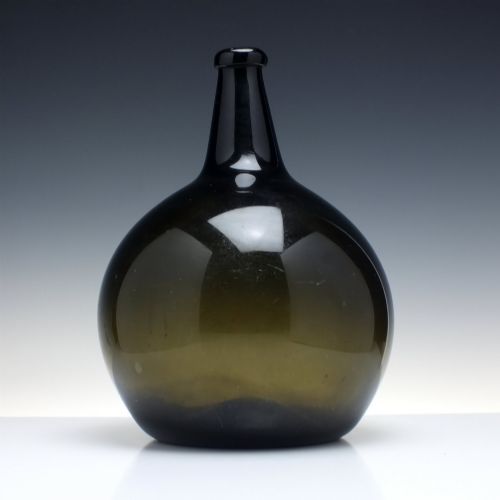
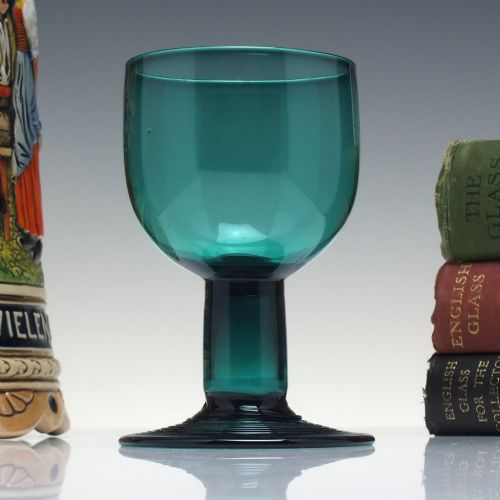
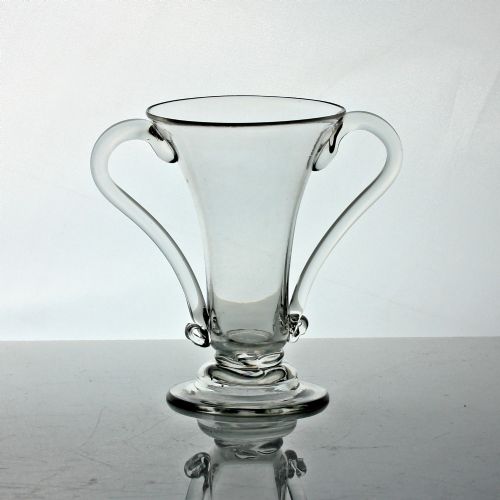
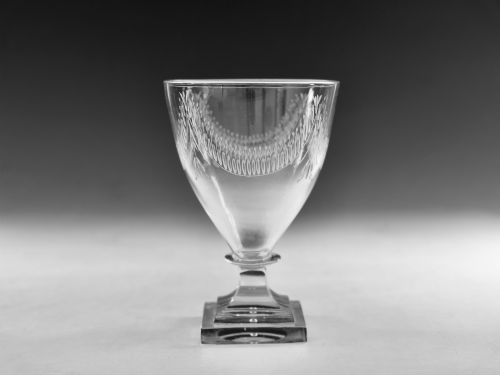
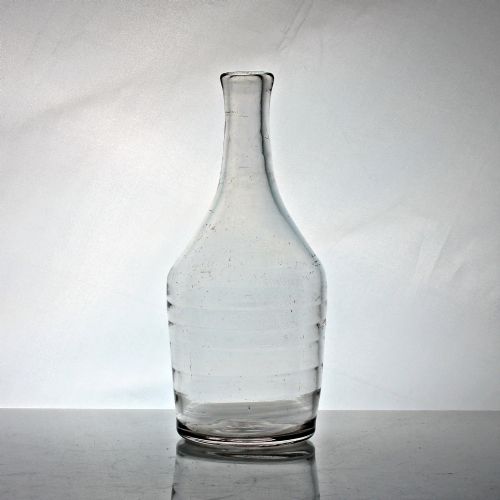
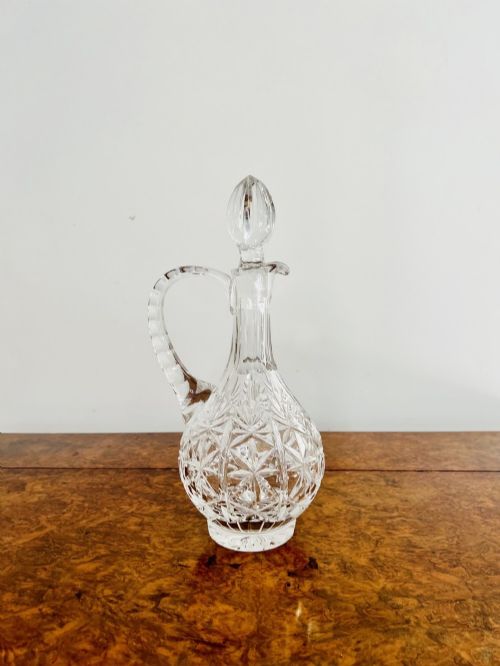
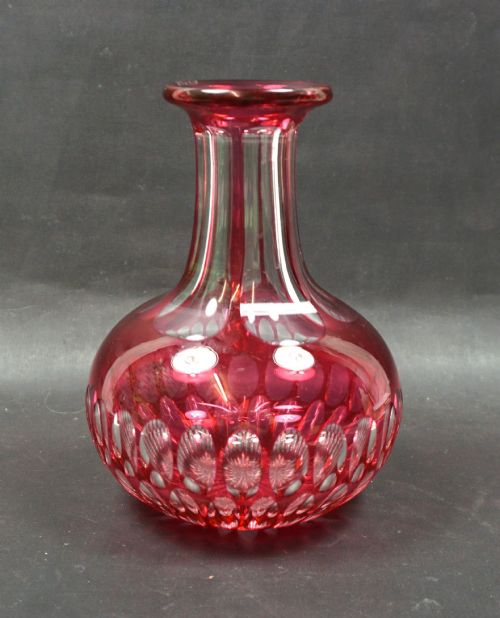
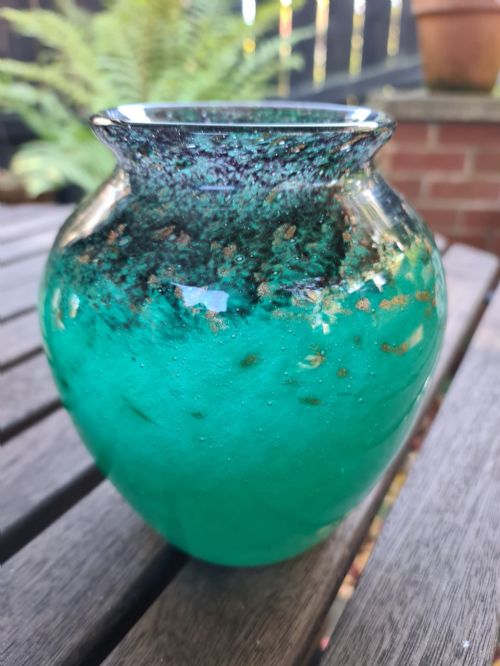
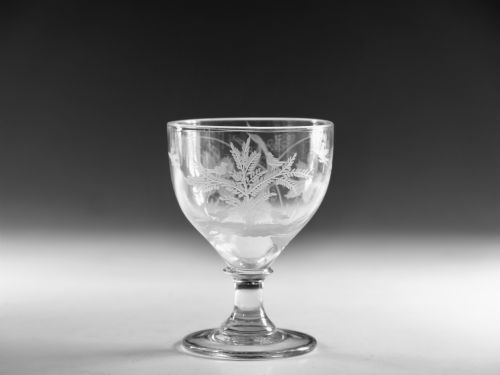
An antique glassware vessel encompasses drinking glasses, decanters, jars, carafes and vases produced across the Georgian, Victorian, Edwardian and twentieth-century eras. The selection includes drinking vessels such as rummers, ale glasses, dram glasses and wine glasses alongside larger decorative and utilitarian forms.
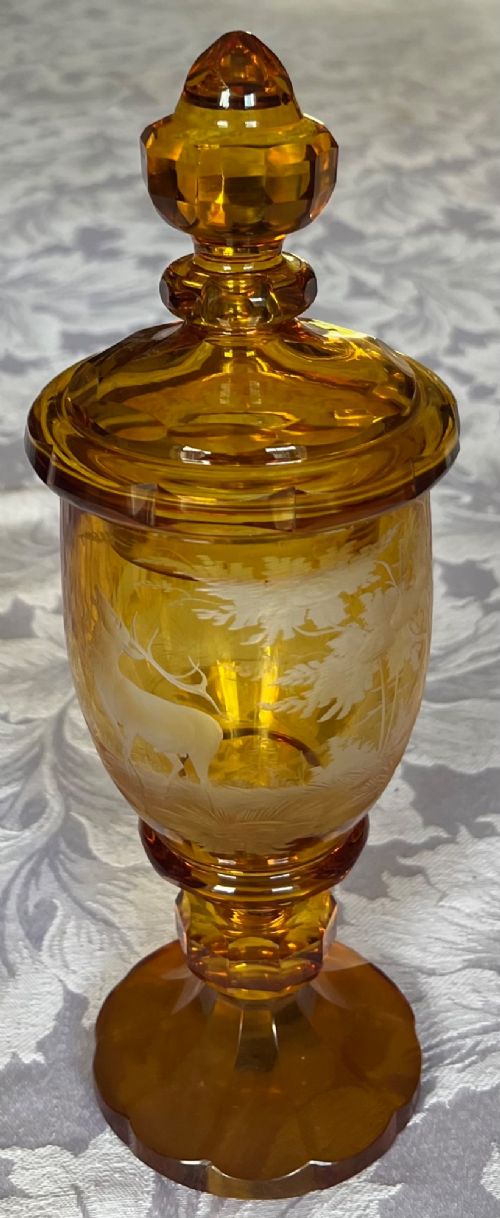
Pieces originate from English, Scottish, Bohemian, Belgian and Swiss workshops, crossing periods from the early eighteenth century through to Art Deco and Art Nouveau designs. Collectors encounter both utilitarian containers and highly ornamented display pieces.
The category ranges from simple domestic tableware like jelly glasses and bonnet glasses to significant signed studio glass and moulded pieces. Each specimen demonstrates the shifting domestic habits and drinking cultures of its period.
How they were made
Makers utilised lead glass, flint glass and lead crystal, shaping molten material through hand blowing, moulding and free-form manipulation. Tooling methods produced specialised forms such as wrythen ribs, folded feet and applied handles.
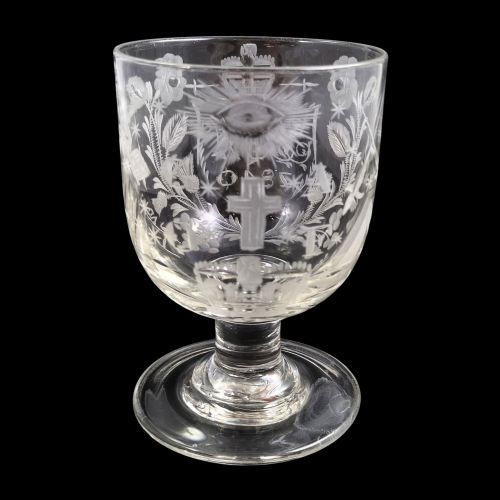
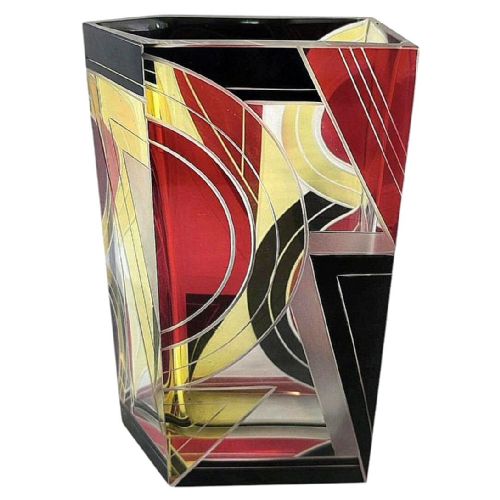
Surface ornamentation involved wheel cutting, intaglio engraving, acid etching and enamel painting, sometimes combining clear metal with coloured glass overlays. Twentieth-century makers introduced opalescent effects, frosting and geometric enamelling.
Listings feature lead glass, clear glass, frosted glass, cut glass, enamel, and lead crystal across Georgian, Victorian, and Art Deco styles.
What varies in quality
Quality rests in the precision of the metal, the clarity of the glass and the crispness of any cut or engraved decoration. Superior lead crystal exhibits high light refraction and weight, while lesser pieces show cloudiness, bubbles or uneven thickness.
The execution of surface work separates standard production from master craftsmanship. Finely detailed wheel engraving, precise enamel painting and sharp moulding lines indicate higher workshop standards than soft, blurred surface details.
Rene Lalique·Kralik Glass·Stevens and Williams·Karl Palda·Loetz
The Antique Glassware Vessel Glossary
- Rummer
- A heavy drinking glass with a large bowl, popular in the eighteenth and nineteenth centuries for ale or wine. These sturdy vessels often sat on a short stem and foot.
- Wrythen
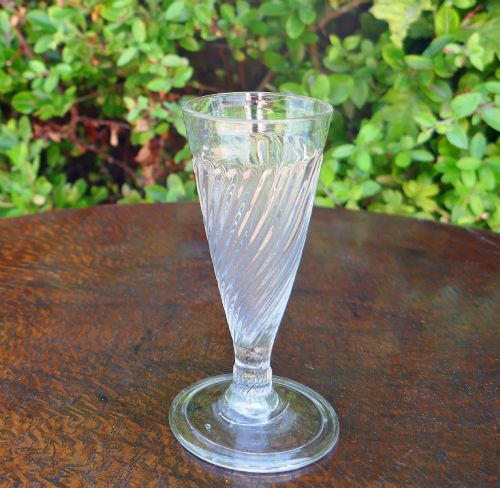
- A decorative spiral twist pattern moulded into the body of a glass vessel. This optical effect creates diagonal ribs that catch the light.
- Flint glass
- An early British term for clear glass containing lead oxide, prized for its brilliance and weight. It formed the basis of much fine Georgian tableware.
- Opalescent glass
- A type of glass that displays milky, pearlescent highlights, particularly when illuminated from specific angles. This technique gained prominence in twentieth-century French design.
- Folded foot
- A base edge doubled back on itself during manufacture to create a smooth, thickened rim. This adds strength and stability to early drinking vessels.
Antique Glassware Vessel: Frequently Asked Questions
What is an antique glassware vessel used for?
These items served various practical and decorative roles in historic households, from serving wine and spirits at the table to storing dry goods or displaying flowers.
Today, collectors use them both as functional tableware and as cabinet display pieces, appreciating their tactile connection to past domestic rituals.
How do I date an old glass vessel?
Dating relies on identifying specific manufacturing traits, such as pontil marks on the base, the composition of the metal, and the prevailing decorative style.
Georgian pieces often feature heavy lead crystal and simple wheel engraving, whereas Edwardian and Art Deco examples show moulded signatures, acid stamping or geometric enamel work.
What is lead glass?
Lead glass is a heavy, clear material formulated by adding lead oxide to the batch during melting. This increases the refractive index, giving the vessel superior brilliance and weight.
It also makes the material softer and easier to cut, which accounts for the deep faceting seen on many antique decanters and rummers.
How should I clean antique glass?
Cleaning requires warm water and mild soap, avoiding sudden temperature changes that can crack fragile historic metal. Soft cloths prevent scratching.
Harsh chemical detergents and abrasive scrubbers ruin delicate surface enamels, gilding, and the fine patination found on older pieces.