




Antique Glassware Bell
These antique glassware bell pieces bring resonant historic character to a room, offering the collector clear lead crystal and rich coloured glass forms.
Antique Glassware Bell
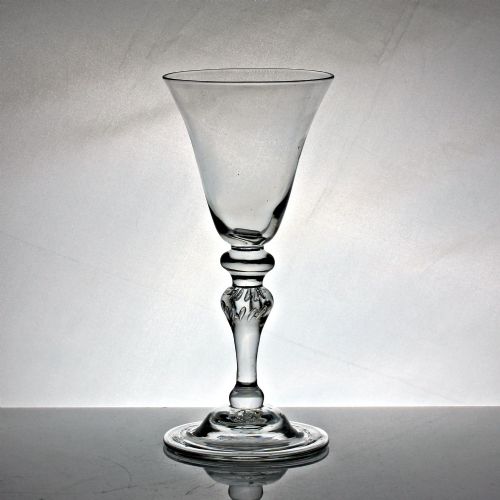
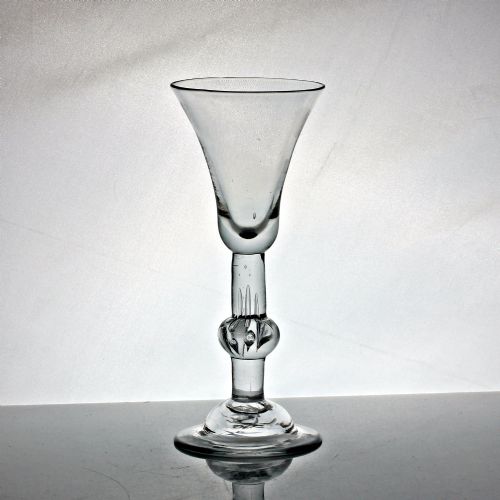
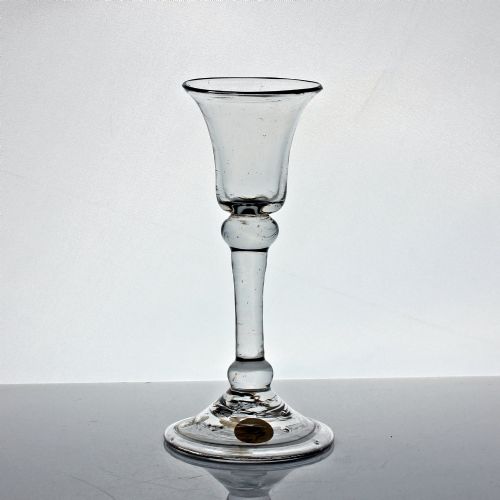
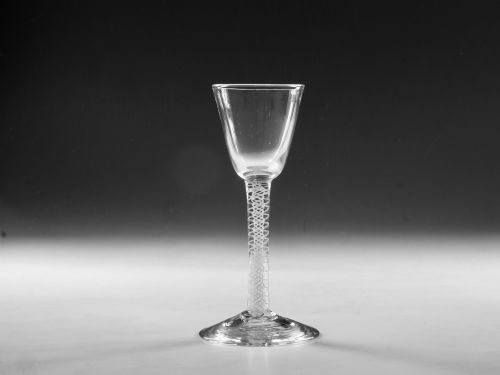
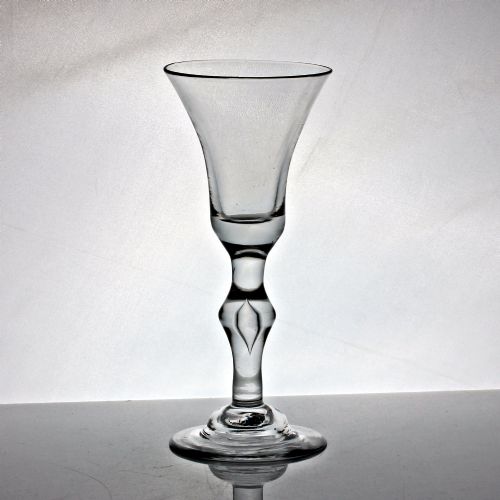
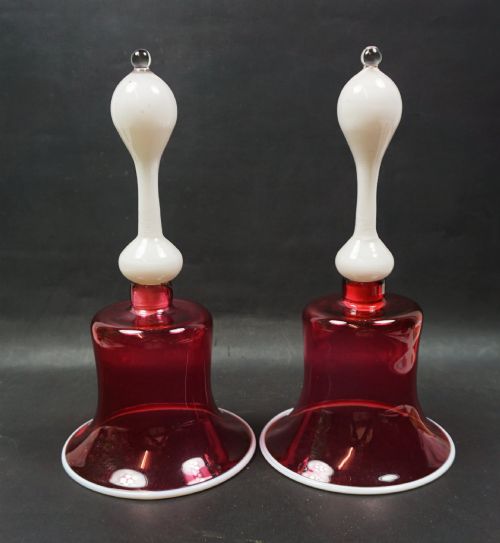
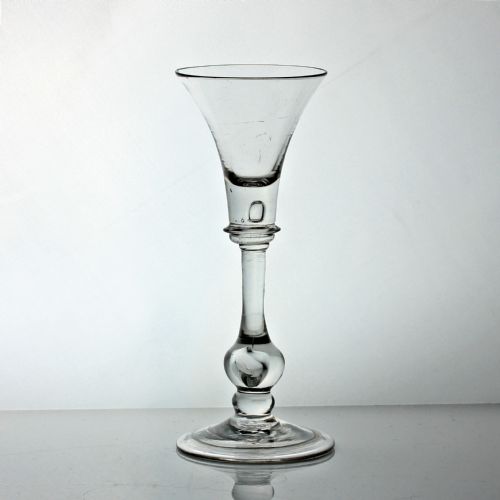
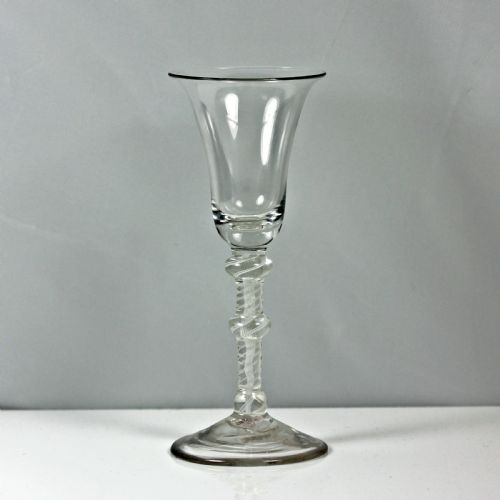
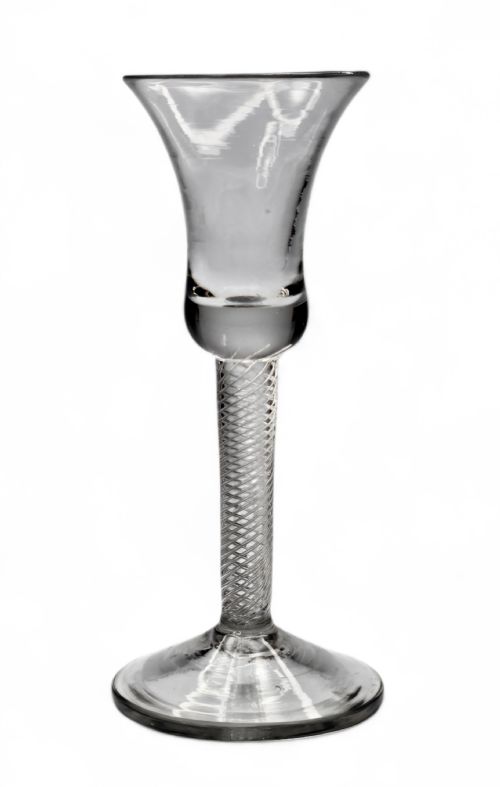
When you search for antique glassware bell, you encounter a distinct mix of functional hand bells and wine glasses featuring bell-shaped bowls. The selection spans the eighteenth century through the Victorian era, showing how glassblowers shaped molten metal into both ringing instruments and drinking vessels.
How they were made
The makers formed these objects using lead glass and flint glass, achieving exceptional clarity and resonance through traditional glassblowing methods. Skilled artisans manipulated molten metal by hand, shaping bowls and pulling stems while the material remained pliable.
Decoration involved applying enamel details, gilding surfaces, and combining white enamel twists within the stems of drinking vessels. Craftsmen also fused contrasting colours, such as ruby or cranberry glass bodies with clear or white glass handles.
Antique Glassware Bell Retail Price Guide 2026
Typical asking prices for glassware bell among the pieces listed under this phrase on Sellingantiques today, from the lower quarter to the upper quarter. They describe what is for sale here now, not the wider market.
The listings include lead glass, clear glass, enamel, flint glass, lead crystal, white enamel, ruby glass, and standard glass.
What varies in quality
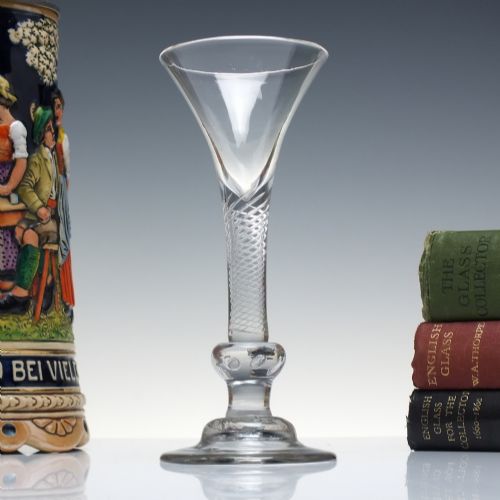
The refinement of the twist formation and the clarity of the metal separate standard examples from finer pieces. In drinking vessels, the complexity of an air twist or opaque twist stem demonstrates the maker's technical control.
The precision of applied enamel, the crispness of cutting, and the brilliance of the glass surface dictate the overall standard. Pairs and matched sets show greater consistency in proportion and colour saturation across each individual piece.
The Antique Glassware Bell Glossary
- Bell bowl
- A drinking vessel bowl shaped like an inverted bell, characteristic of eighteenth-century English wine glasses. This profile provides a clean acoustic ring and elegant proportions.
- Air twist
- A stem formation containing elongated internal air bubbles drawn into spirals. It results from manipulating trapped air within the molten glass during pulling.
- Opaque twist
- A stem featuring white or coloured enamel rods twisted internally within clear glass. Makers achieved this by arranging canes in a mould before drawing and twisting the metal.
- Lead crystal
- Glass containing a high proportion of lead oxide, which increases weight, brilliance, and acoustic resonance. This material allows for sharper detail when cut or polished.
- Composite stem
- A drinking vessel stem combining two or more distinct formation techniques, such as a baluster section paired with a knop and a twist. These complex builds require advanced glassmaking skill.
Antique Glassware Bell: Frequently Asked Questions
How do I date an antique wine glass?
Examine the stem construction, foot formation, and metal composition. Eighteenth-century examples often feature folded feet and air or opaque twist stems.
Later Victorian pieces show different proportions and manufacturing techniques. Comparing the weight and clarity helps confirm the period.
What is an air twist stem?
An air twist is a stem containing spiralling internal air channels created during the blowing process. Artisans trapped air in the molten metal and drew it out.
This technique requires precise temperature control to maintain even spirals.
Are ruby glass bells English?
Ruby glass bells originate from both English workshops and Bohemian makers. Victorian English examples often feature contrasting white handles and clear glass elements.
Bohemian pieces frequently incorporate rich gilding alongside deep red glass.
How were glass hand bells used?
Glass hand bells served decorative and practical summoning purposes in domestic interiors. Their resonant tone allowed users to call for service.
Today they function primarily as decorative display items on tables and mantelpieces.
What is a composite stem?
A composite stem combines multiple distinct design motifs within a single drinking vessel support. A maker might join a knop, an air twist section, and a plain baluster.
This complexity indicates high-tier eighteenth-century craftsmanship.