
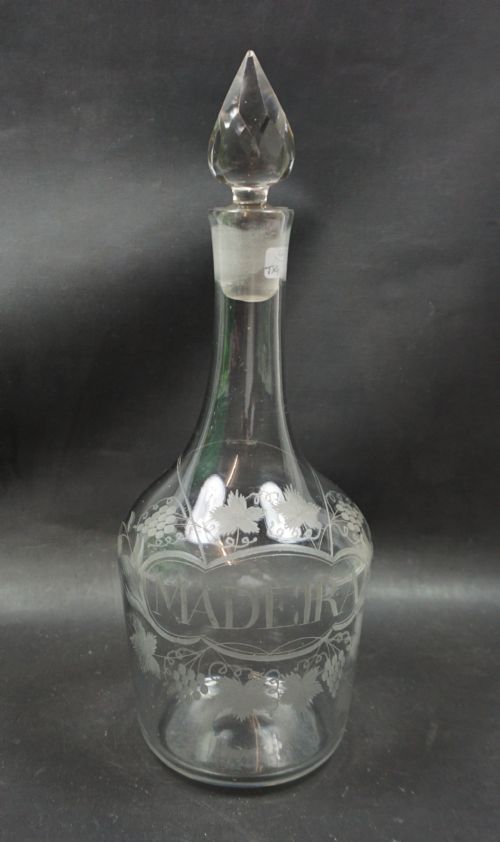
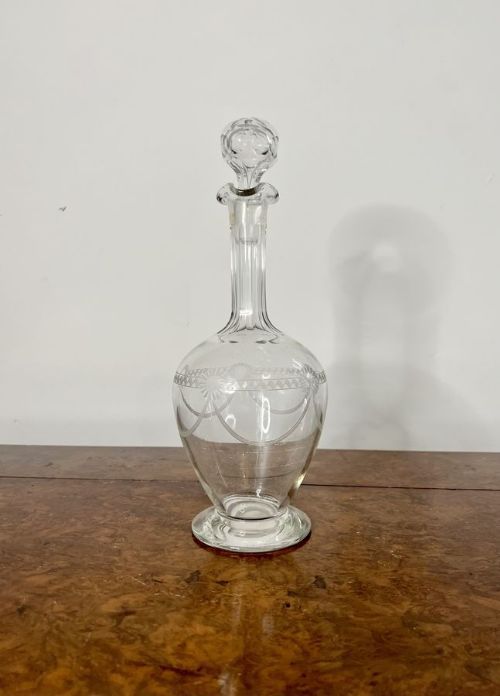


Antique Glass Wine Flagon
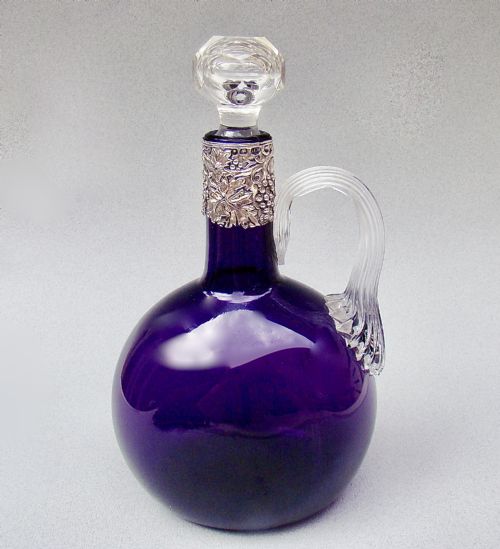
These antique glass wine flagon pieces are heavy, brilliant vessels of amethyst, blue, and crystal glass, mounted in silver plate and sterling silver to grace any dining table.
What they are
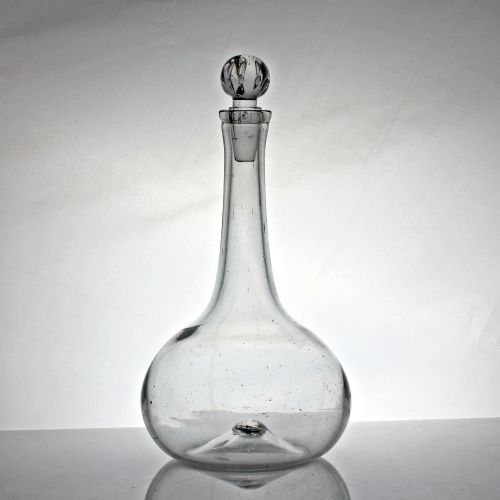
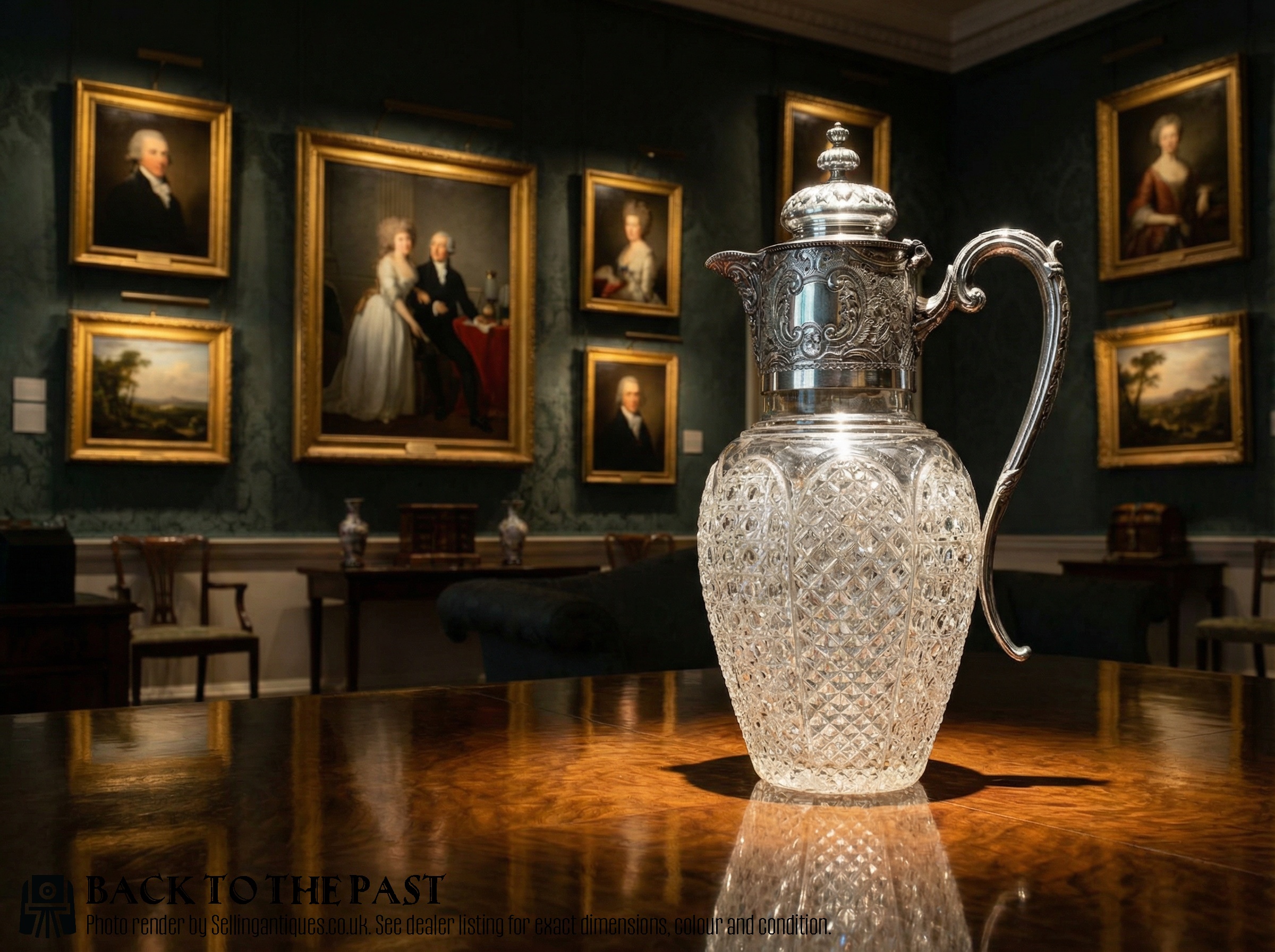
An antique glass wine flagon combines rich-hued or clear glass bodies with precious metal mounts, serving as a decorative centrepiece for pouring wine and dessert beverages. These vessels take several distinct forms, including claret jugs, serving ewers, and novelty champagne bottle decanters.
The pieces appearing on this page stem predominantly from the Victorian and Edwardian eras, spanning the mid-nineteenth century to the close of the nineteenth century. Makers applied silver plate and sterling silver to necks, handles, and spouts, adding structural weight and visual contrast to the blown glass bodies.
Buyers will encounter both richly coloured vessels in amethyst and blue glass alongside brilliant cut crystal examples. Each configuration reflects the dining customs of the Victorian period, where elaborate servingware dominated the table.
How they were made
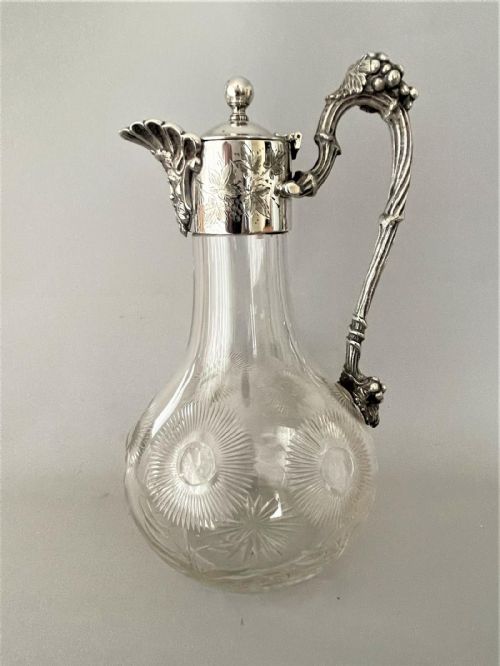
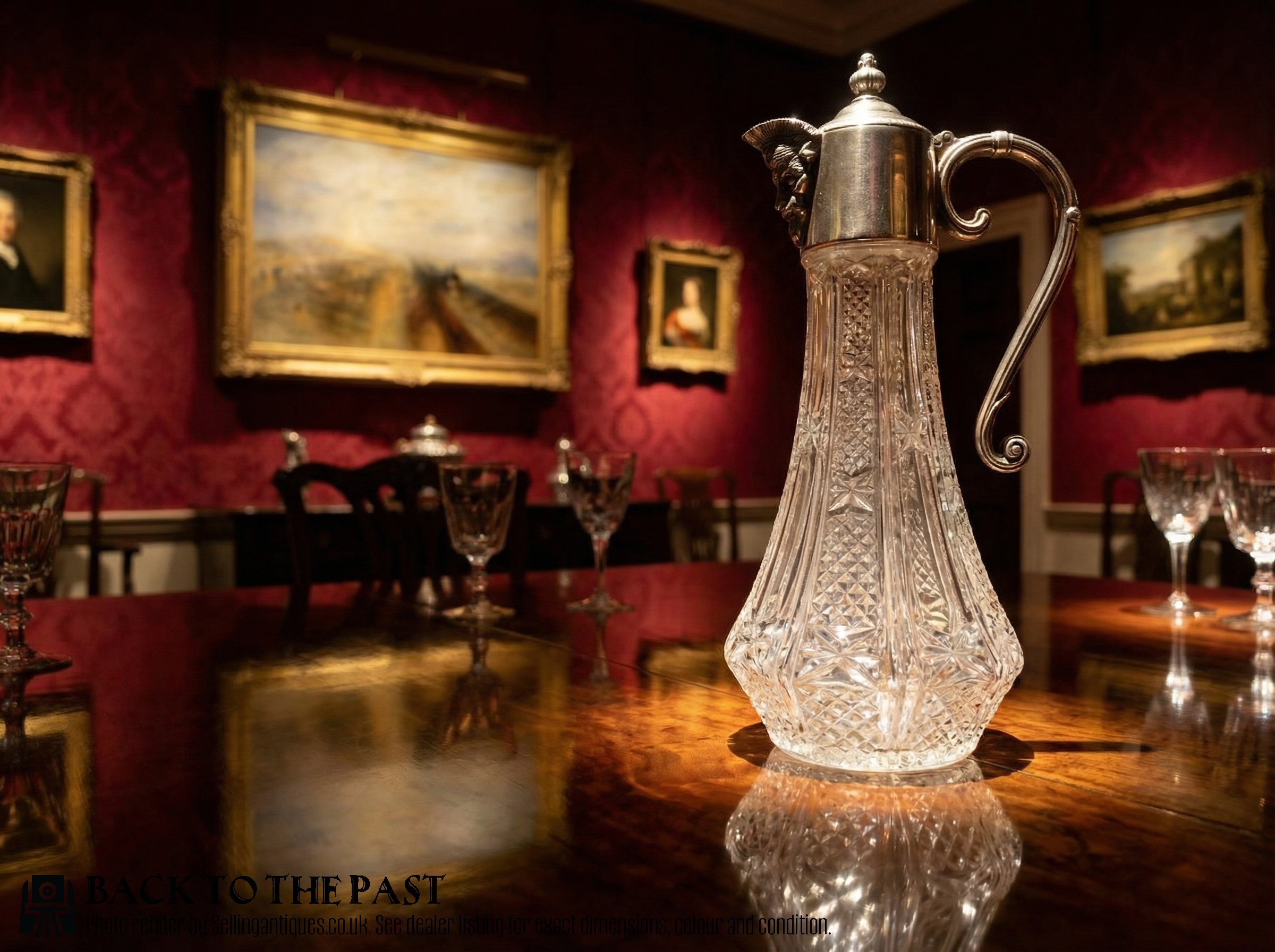
Artisans formed the vessels using traditional glassblowing techniques, shaping clear or coloured metal into bulbous bottles and tall jugs. Skilled hands applied deep cutting to crystal surfaces to catch the candlelight, creating intricate geometric patterns across the body.
Silversmiths fitted the glass bodies with mounts made from sterling silver or silver plate. These metal elements included hinged lids, scrolling handles, and spout mounts, occasionally featuring sculptural details like unusual face spouts.
Retail Price Guide 2026
Typical UK retail prices for glass wine flagon, calculated from the Sellingantiques database of over a million retail prices indexed since 2003. This retail price guide relies exclusively on Sellingantiques data; no external sources or auction records are used, so the figures do not describe the wider market.
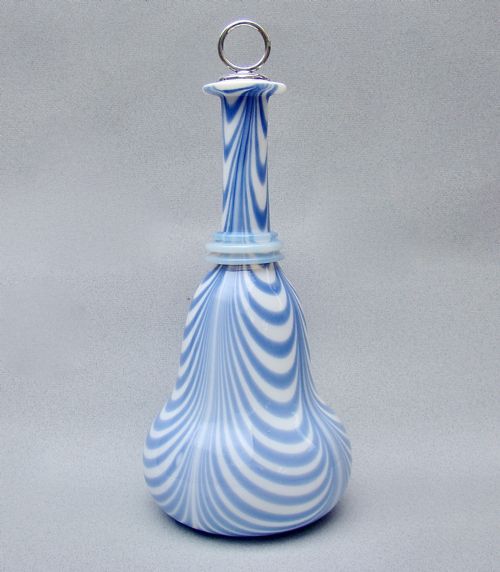
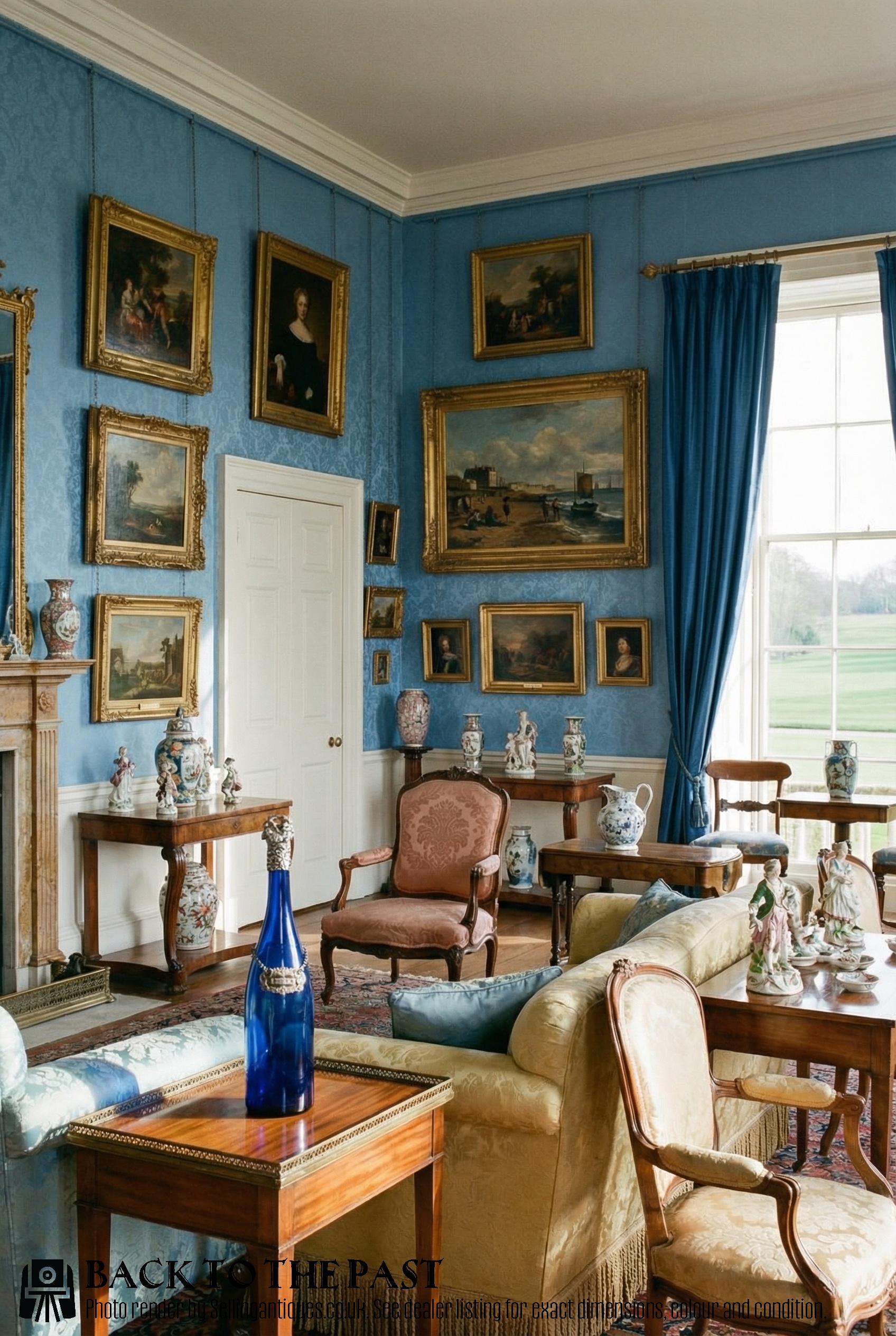
One piece takes the form of a novelty champagne bottle, proving the Victorians enjoyed a hidden joke at the dining table.
What varies in quality
The distinction between standard examples and finer works lies in the depth and clarity of the glass cutting, alongside the weight and detail of the metal mounts. Heavy crystal combined with substantial silver plate creates a more balanced and tactile object.
Named silversmiths and marked pieces elevate the standing of a vessel, as seen in works bearing specific town marks and maker stamps. Novelty forms and unusual spouts introduce a higher degree of design ambition that elevates certain pieces above standard production.
Henry Matthews
The Antique Glass Wine Flagon Glossary
- Claret Jug
- A specialised vessel designed specifically for serving red wine at the dining table. These pieces typically feature a handle and a hinged metal spout.
- Silver Plate
- A layer of silver fused to a base metal, commonly utilised for the mounts and handles of nineteenth-century vessels. This technique provided the lustrous appearance of solid silver at a lower cost.
- Sterling Silver
- An alloy consisting of ninety-two point five percent silver and seven point five percent other metals, used for the high-end mounts on these flagons. It carries official hallmarks indicating the maker and assay office.
- Amethyst Glass
- A purple-tinted glass achieved through the addition of manganese or other metallic oxides during the melting process. It creates a rich, decorative colour highly favoured by Victorian makers.
Frequently Asked Questions
What is an antique glass wine flagon?
An antique glass wine flagon is a nineteenth-century serving vessel made from blown glass with metal mounts. These pieces were designed to hold and pour wine at the formal dining table.
They combine coloured or cut glass bodies with silver plate or sterling silver necks, handles, and hinged lids.
How do I date a Victorian wine flagon?
Dating these vessels relies on examining the style of the glass cutting, the form of the metal mount, and any accompanying hallmarks. Victorian pieces often display distinct registration marks or maker stamps on the silver components.
Changes in silhouette between the mid-Victorian era and the Edwardian period also help determine the age of each piece.
Are these flagons safe for serving wine?
While these vessels were originally made for dining use, many collectors prefer to display them rather than subject them to modern cleaning routines. The vintage silver mounts and antique glass require careful hand-washing without harsh detergents.
If used for serving, check that the interior is clean and that any historical sediment has been gently removed.
What is the difference between crystal and glass?
Crystal contains lead oxide, which adds weight, brilliance, and softness that makes deep cutting easier for the artisan. Standard glass lacks this lead content, resulting in a lighter body with less refractive sparkle.
Both materials appear across nineteenth-century servingware depending on the intended quality and cost of the vessel.