


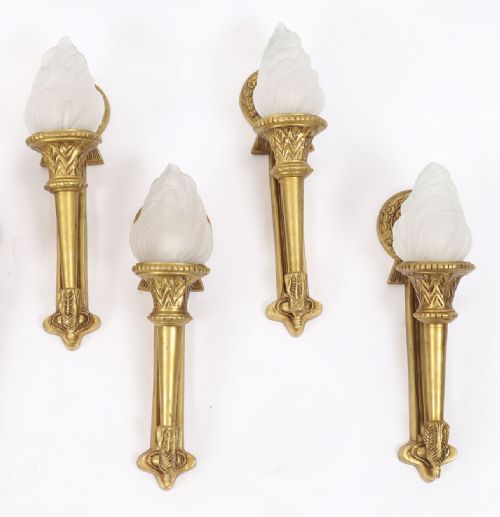

Antique Glass Wall Sconces
Antique glass wall sconces bring focused illumination and reflective depth to a room, drawing the eye with period craftsmanship.
Antique Glass Wall Sconces
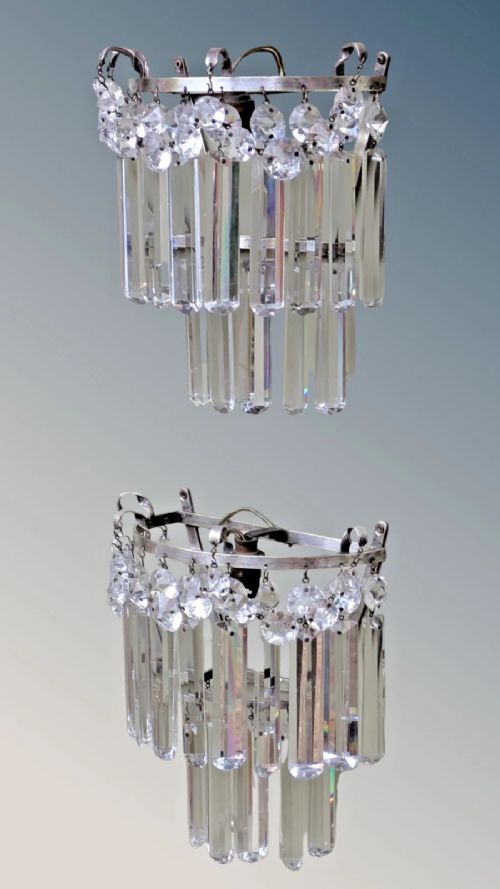
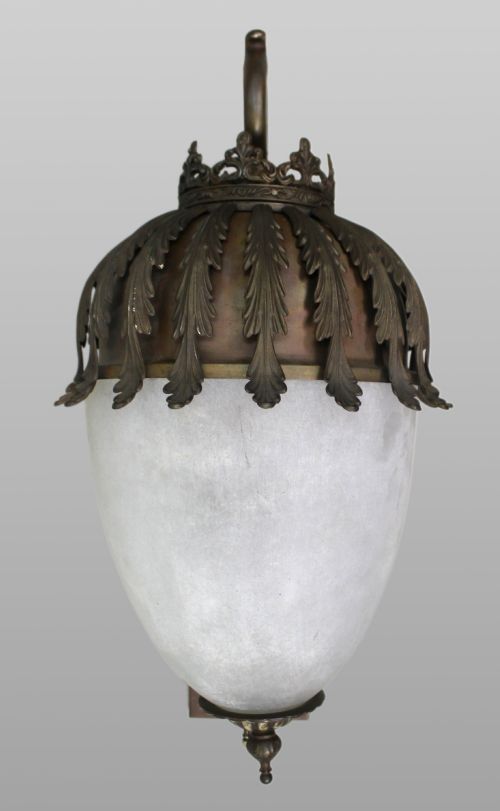
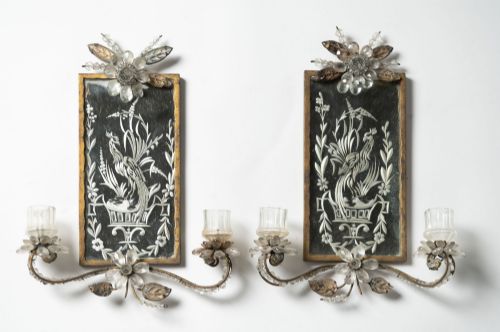
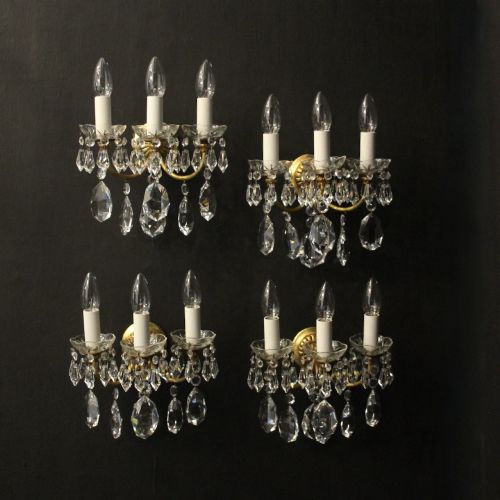
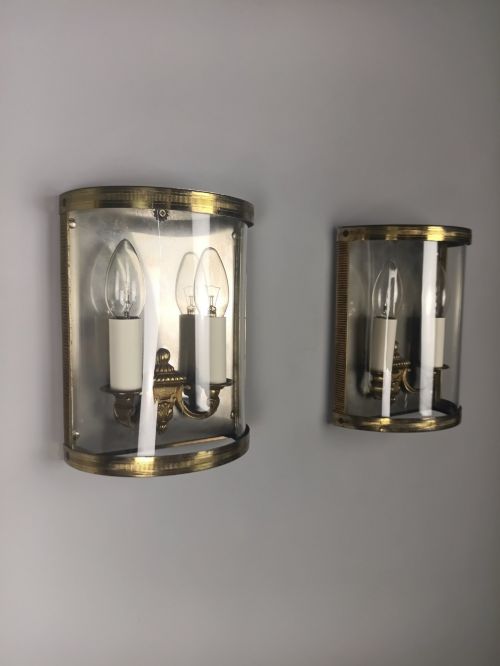
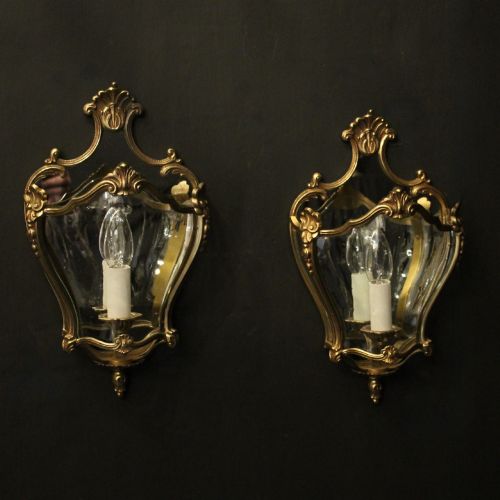
Antique glass wall sconces encompass wall-mounted light fixtures and lanterns designed to hold candles or electric bulbs against a vertical surface. When exploring antique glass wall sconces, buyers encounter brass, giltwood, and crystal elements combined with glass shades, lustres, and mirror backs.
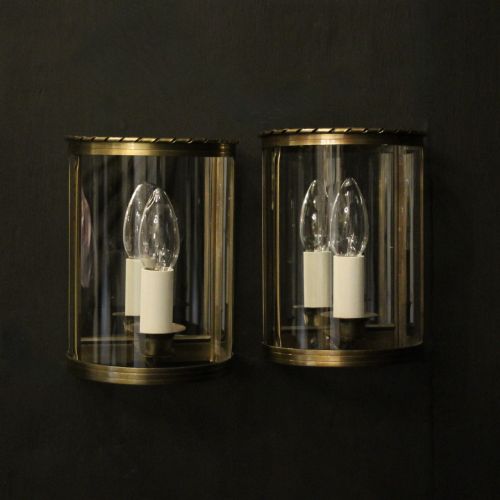
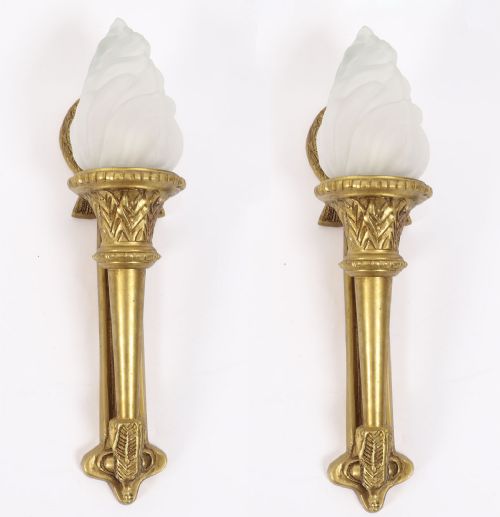
The selections span various periods including the eighteenth century, Victorian era, Edwardian period, and the nineteen-twenties and nineteen-thirties. Forms range from twin-arm lights and half lanterns to cloud-shaped Art Deco shades and flaming torch designs.
Origin points include French, Italian, Swedish, and English workshops, reflecting regional preferences in metalwork and glass cutting. Buyers often find pairs and sets suited for flanking mirrors, fireplaces, or doorways.
How they were made
Maker assemblies combine cast and chased metals such as brass, ormolu, gilt bronze, chrome, and copper with blown, frosted, cut, or bevelled glass components. Frames frequently utilise giltwood, carved gesso, or toleware to support the glass elements and candle arms.
Techniques involve hand-cutting crystal, blowing glass shades, and applying gilding or patination to the metal backplates and arms. Original fittings and bevelled mirror plates demonstrate period assembly methods.
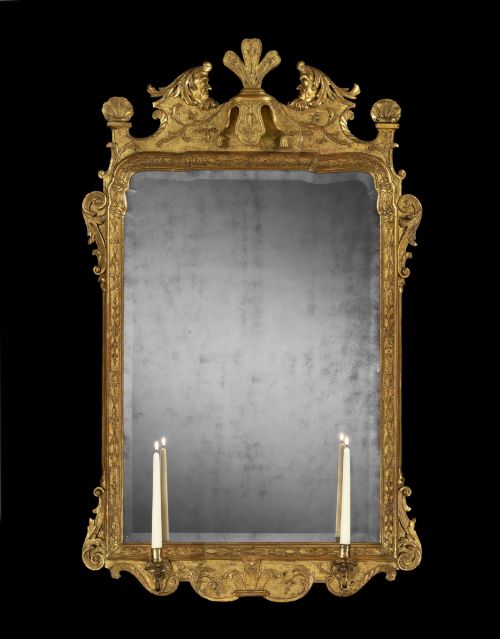
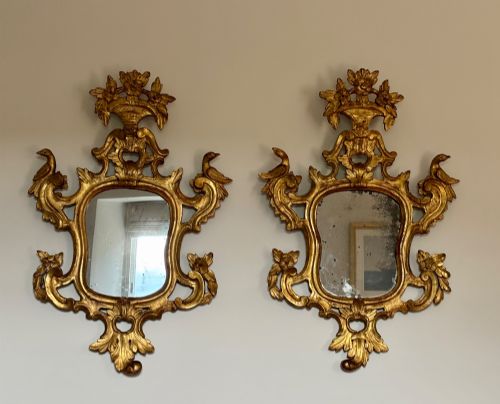
Listings feature eighteenth-century carved giltwood mirrors alongside nineteen-thirties Art Deco skyscraper glass wall lights.
What varies in quality
Quality differences emerge in the crispness of the metal casting, whether in ormolu, brass, or gilt bronze, alongside the depth and clarity of the cut glass or crystal. Superior examples retain original mercury silvering on mirror plates and matching original glass shades.
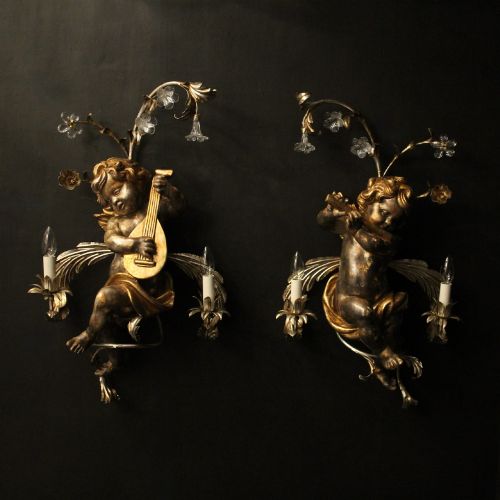
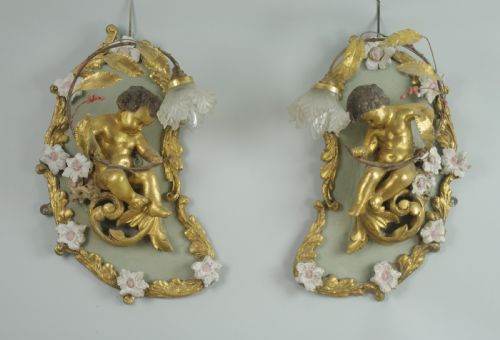
The structural integration of the glass components to the metal frame dictates the overall integrity of the piece. Masterwork pieces display refined hand-carving in giltwood or detailed chasing on figural mounts like putti and cherubs.
Maison Baguès·Benjamin Goodison·F. & C. Osler·Dugué
The Antique Glass Wall Sconces Glossary
- Ormolu
- Gilded bronze, where a mercury and gold amalgam is applied to cast bronze and heated to leave a durable golden layer.
- Giltwood
- Timber, commonly pine or gesso-coated wood, covered with thin gold leaf to create a decorative metallic surface.
- Lustre
- A glass pendant or hanging prism suspended from a light fixture to refract and multiply the emitted light.
- Toleware
- Painted or lacquered sheet metal items, often styled in imitation of Japanese or Chinese decorative wares.
- Cartouche
- An ornamental frame resembling a rolled-up scroll or paper tablet, frequently used as the central motif in mirrors and sconces.
Antique Glass Wall Sconces: Frequently Asked Questions
How do I wire antique wall sconces?
Many period fixtures require professional rewiring to meet modern safety standards while preserving original sockets and backplates.
Electric conversion often involves running discreet internal wiring through the existing brass or bronze arms without altering visible exterior surfaces.
Can I use these sconces outdoors?
Most antique glass wall sconces and lanterns were designed for interior use in drawing rooms, hallways, and hotel corridors.
Exposing fragile gilding, unsealed metals, and historic glass to outdoor weather elements can cause irreversible corrosion and degradation.
How do I clean antique glass shades?
Gentle cleaning with a soft cloth and mild soapy water prevents damage to delicate surfaces, etched designs, and foxed mirror plates.
Harsh chemical cleaners and abrasive cloths should be avoided, especially around gilded areas and patinated bronze or brass.
How do I match a pair of sconces?
Matching antique wall lights involves comparing the exact dimensions, metal composition, glass cutting patterns, and backplate construction.
Variations in hand-blown glass and manual casting mean that minor discrepancies often confirm period authenticity rather than mass production.