



Frosted Glass Wall Lights
Frosted glass wall lights bring a clean, diffused glow to a room, pairing metal frames with textured shades for an understated look.

Identifying frosted glass wall lights
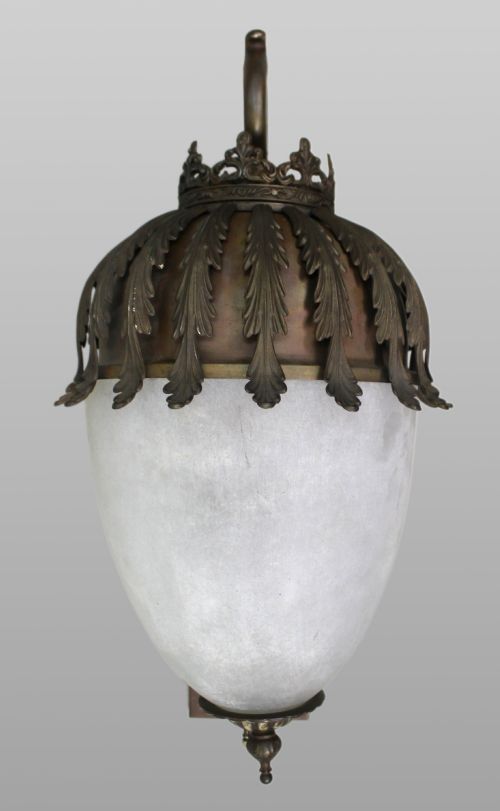
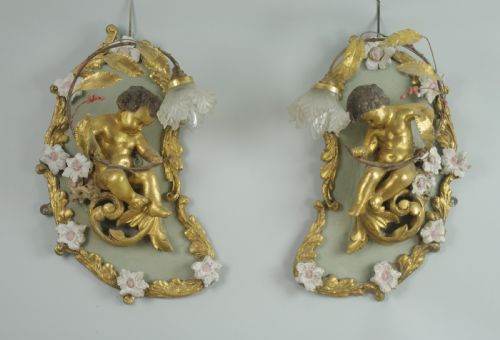
These frosted glass wall lights encompass fixtures designed to mount directly onto vertical surfaces, providing ambient illumination through softened panes. The selection centres on pieces from the 1920s and 1930s, capturing the transition into modern domestic interiors.
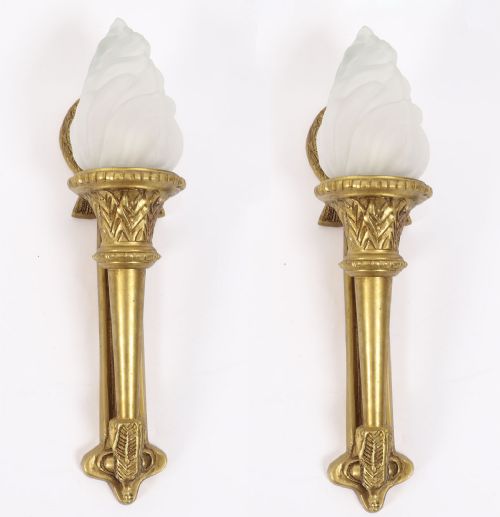
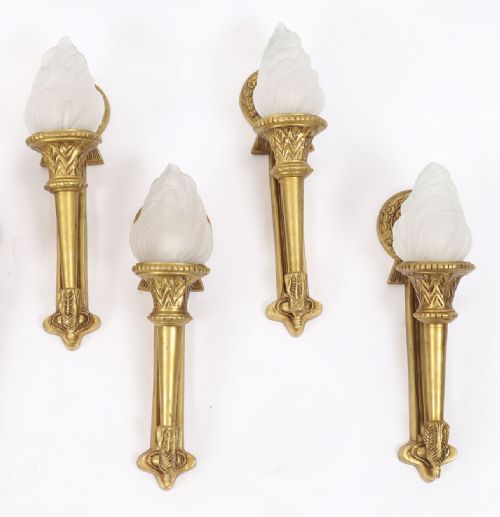
Buyers encounter distinct forms, including pairs styled as flaming torches, skyscraper tiers, and clam shells. Many examples originate from France, reflecting the continental taste for architectural lighting during the interwar period.
The dominant style is Art Deco, alongside occasional Neo-Classical motifs. These pieces function primarily as functional wall sconces that double as decorative wall art.
Materials and construction
The construction combines translucent glass elements with robust metal mounts in chrome, bronze, and ormolu. Techniques involve moulding the glass to achieve frosted finishes and geometric profiles such as tubes and flame shapes.
Secondary materials such as resin and bakelite appear in specific components, supporting the industrial methods of the era. Metalwork is finished via chrome plating or left in its natural cast bronze state.
Retail Price Guide 2026
Typical UK retail prices for frosted glass wall lights, calculated from the Sellingantiques database of over a million retail prices indexed since 2003. This retail price guide relies exclusively on Sellingantiques data; no external sources or auction records are used, so the figures do not describe the wider market.
Several pairs are shaped like flaming torches, bringing a surprisingly fiery motif to otherwise cool, industrial glass and chrome.
Assessing quality
Quality rests upon the weight of the metal casting and the precision of the moulded glass shades. Finer examples display crisp geometric lines in skyscraper designs and substantial ormolu mounts rather than light stamped metals.
The integrity of matching pairs and suites elevates the status of a fitting, as uniform glass thickness ensures even light diffusion. Original surface patination on bronze and chrome further distinguishes superior specimens.
The Frosted Glass Wall Lights Glossary
- Frosted glass
- Glass treated by acid-etching or sandblasting to diffuse light and reduce glare. This creates a matte surface finish common in period lighting.
- Ormolu
- Gilt bronze produced by applying a finely ground high-carat gold-mercury amalgam to cast bronze. It gives a rich, golden appearance to decorative metal mounts.
- Sconce
- A wall-mounted lighting fixture designed to hold one or more electric bulbs. These direct light outwards and upwards against interior walls.
Frequently Asked Questions
How do I wire period wall lights?
These fixtures require rewiring to meet modern electrical safety standards before installation in a home. A qualified electrician can adapt internal fittings while preserving the original exterior components.
Most pieces connect directly to standard wall circuits, though specific mounting brackets may be necessary depending on the weight of the metal and glass.
How do I clean frosted glass?
Use a soft, damp cloth with mild soapy water to remove dust and fingerprints from the textured glass. Avoid harsh chemical cleaners that might damage the frosted finish or vintage metal plating.
Dry the glass thoroughly with a lint-free cloth to maintain the clarity of the diffusion.
What defines Art Deco lighting?
Art Deco lighting relies on streamlined geometric shapes, symmetry, and industrial materials like chrome and moulded glass. It marks a departure from ornate historical styles in favour of modern machine-age aesthetics.
Pieces from this movement often incorporate stepped designs and stylised natural motifs such as flames and shells.