
Antique Glass Urn
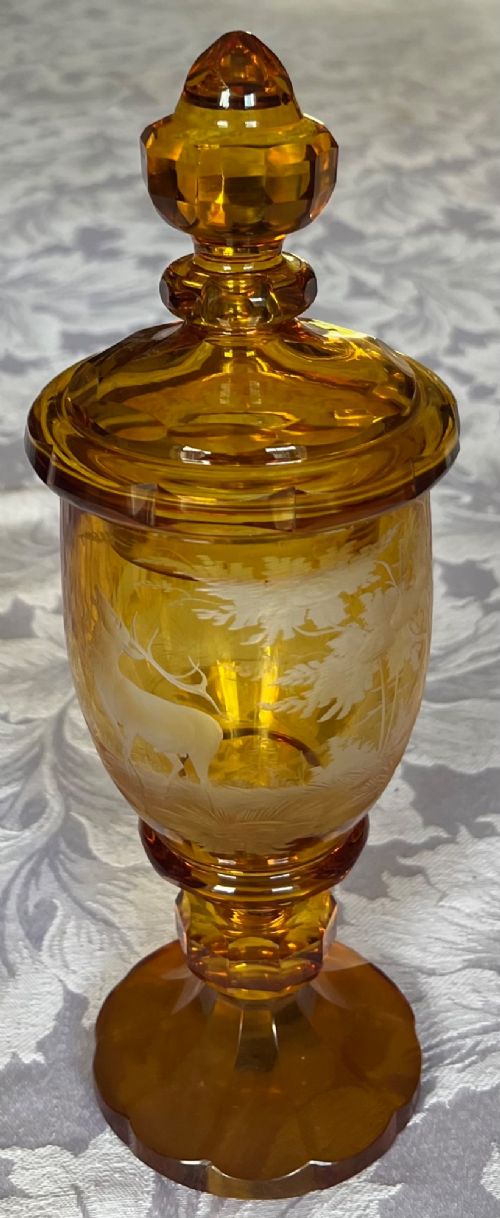
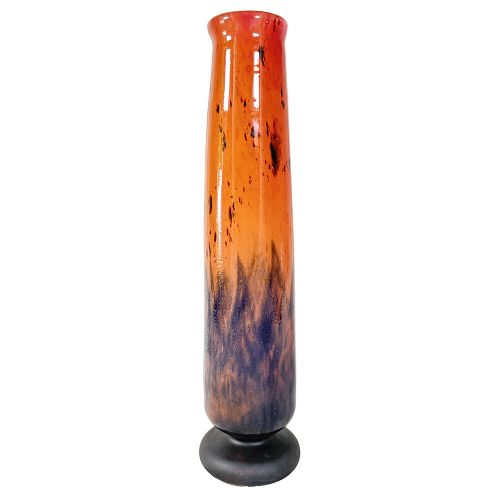
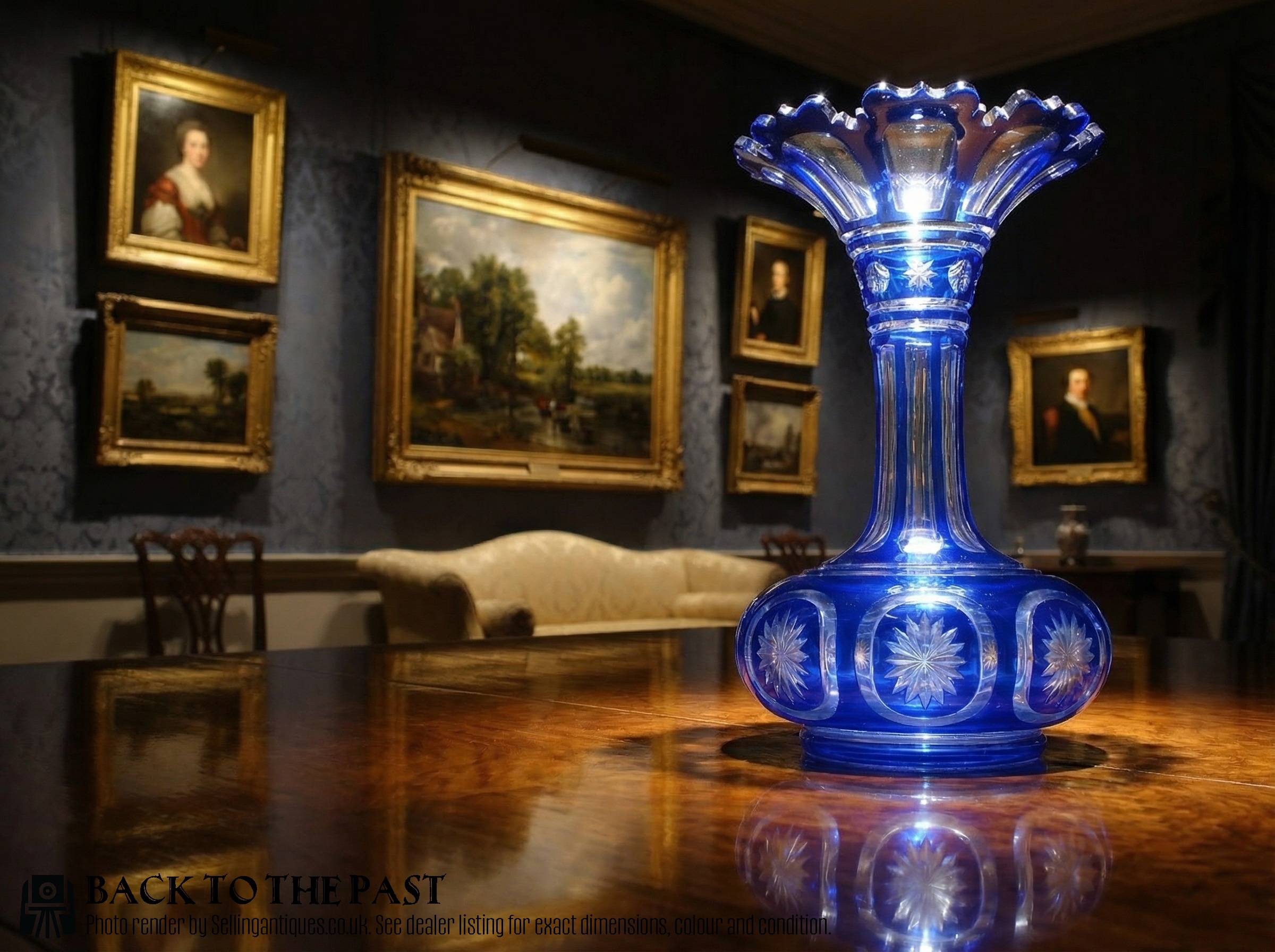
When you search for an antique glass urn, you seek a decorative vessel that brings historic form and colour into a room.
Antique Glass Urn
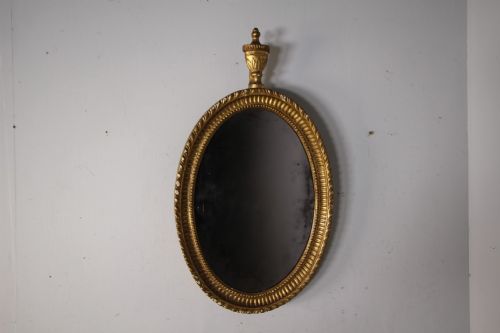
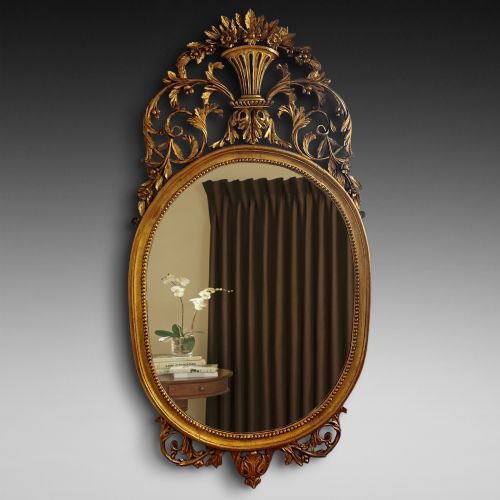
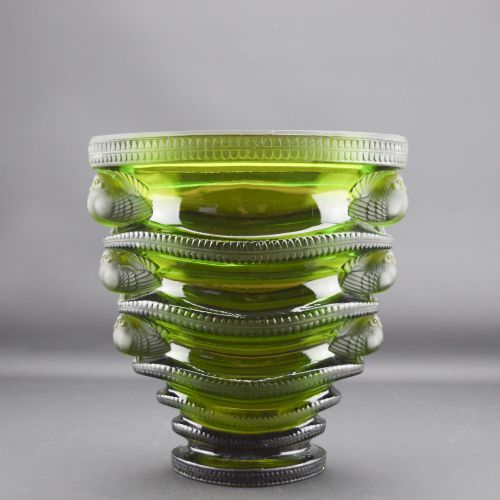
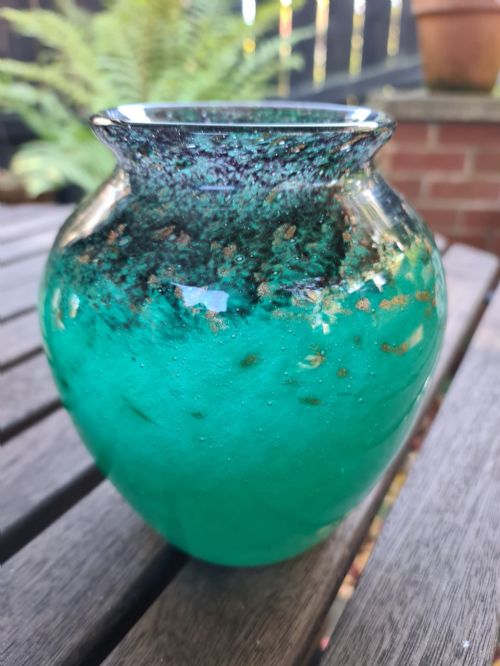
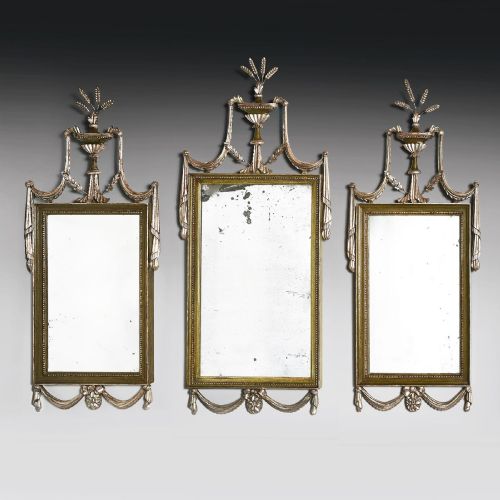
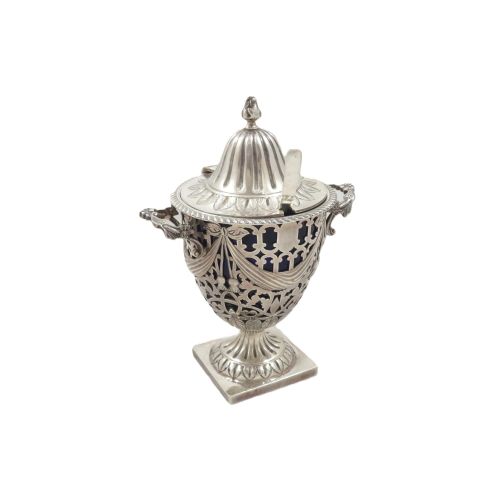
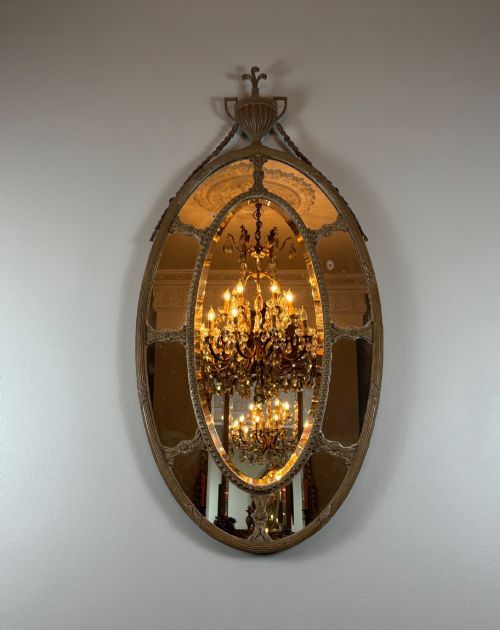
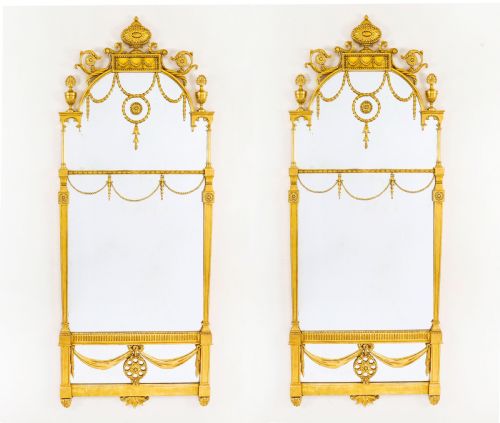
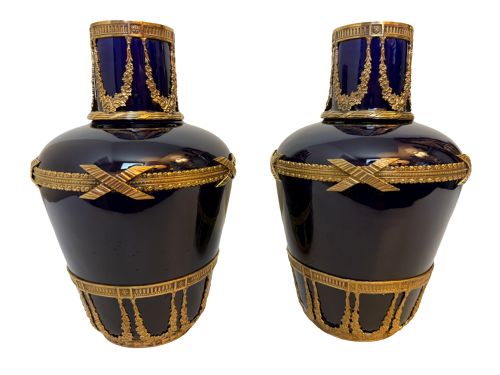
An antique glass urn often manifests as a decorative vase, a lidded jar, or a sugar basket, drawing on classical proportions adapted by later makers. You will encounter these vessels shaped in coloured, cut, or iridescent glass, frequently resting on mounts or pairing with mirrors that echo the urn motif in their crests.
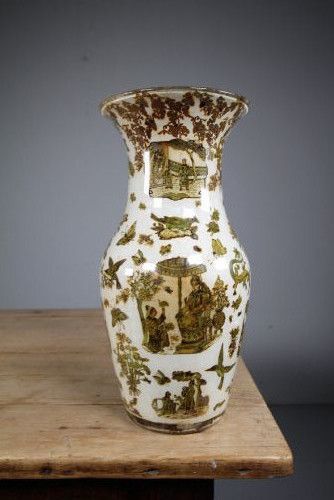
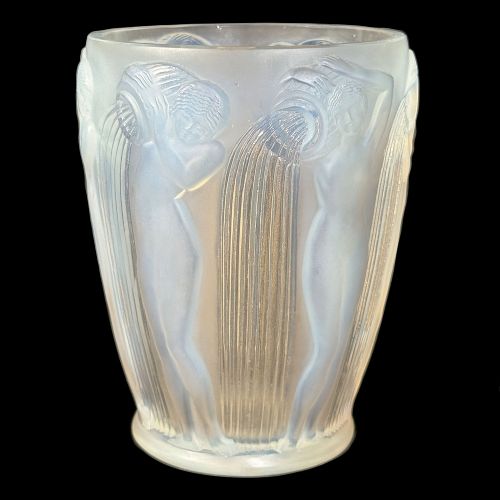
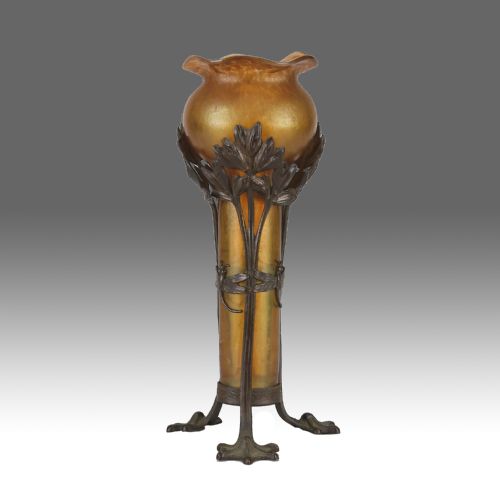
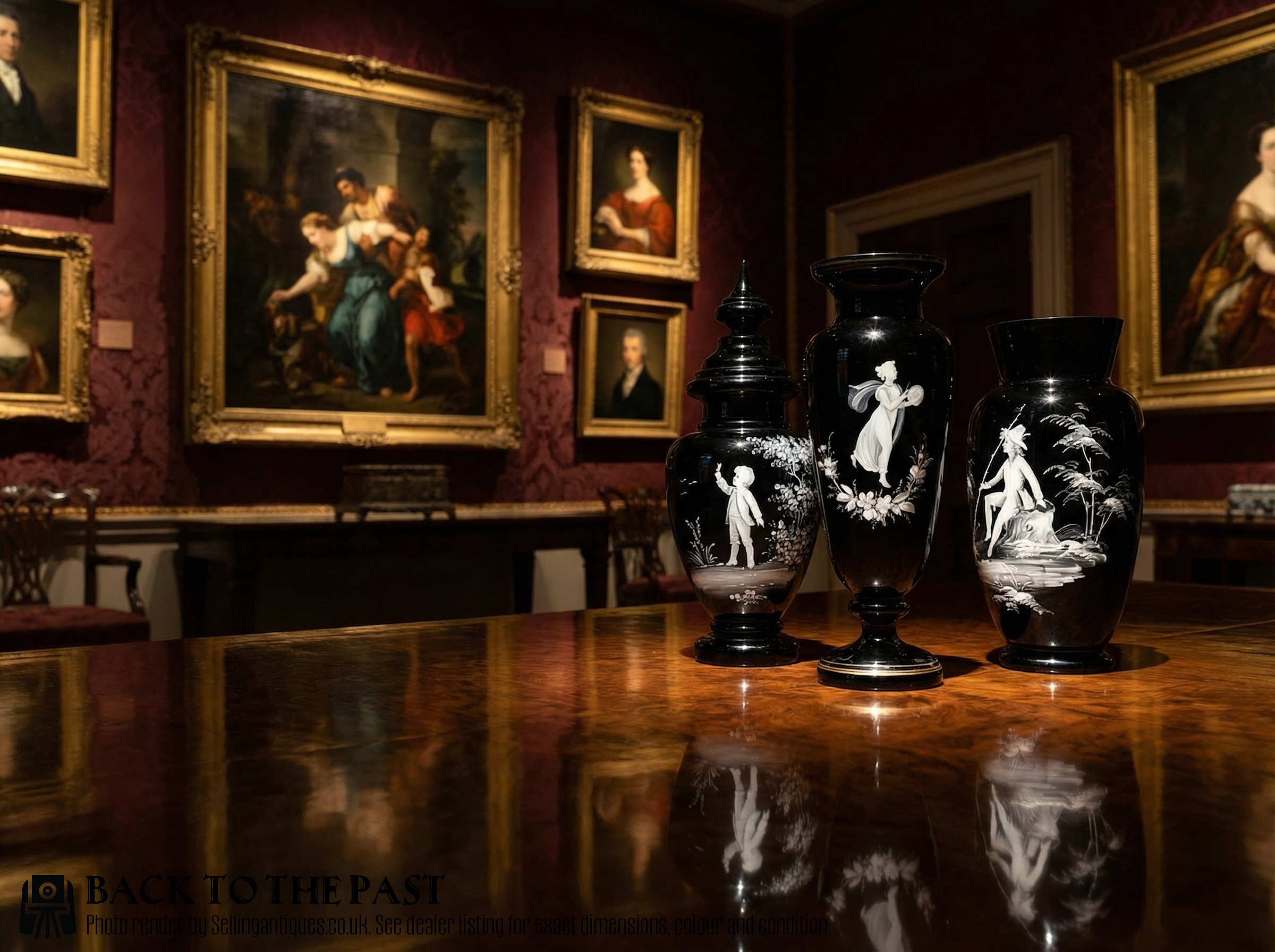
The selections span the nineteenth century through the art deco and art nouveau periods of the early twentieth century. Victorian examples often display enamel or decalcomania, while later decades bring opalescent and structured geometric designs.
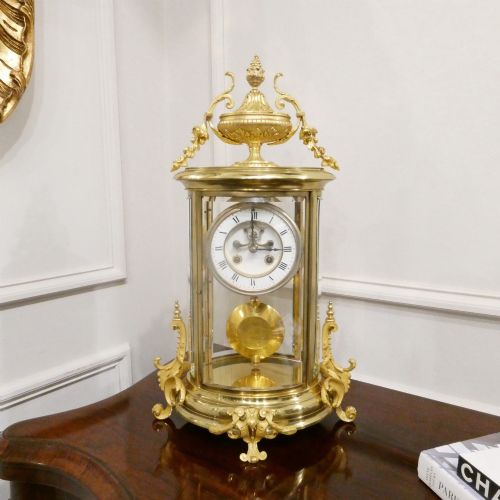
Originating from English, French, and Bohemian workshops, these pieces bridge utility and pure ornament. They appear as standalone mantel centrepieces or integrated into garniture sets alongside clocks and candelabra.
How they were made
Makers utilised free-blowing, moulding, and cutting techniques to shape the heavy crystal and coloured glass bodies. Surfaces were then treated with acid-etching, enamelling, or gold leaf applications to build rich texture and contrast.
Mounts and hardware, when present, combine cast bronze, ormolu, and sterling silver fitted securely to the glass body. Gilding and gesso frame the related wall mirrors that incorporate urn carvings into their crests.
Antique Glass Urn Retail Price Guide 2026
Typical asking prices for glass urn among the pieces listed under this phrase on Sellingantiques today, from the lower quarter to the upper quarter. They describe what is for sale here now, not the wider market.
Listings feature glass vessels and mirrors spanning the eighteenth century through the art deco period of the 1930s.
What varies in quality
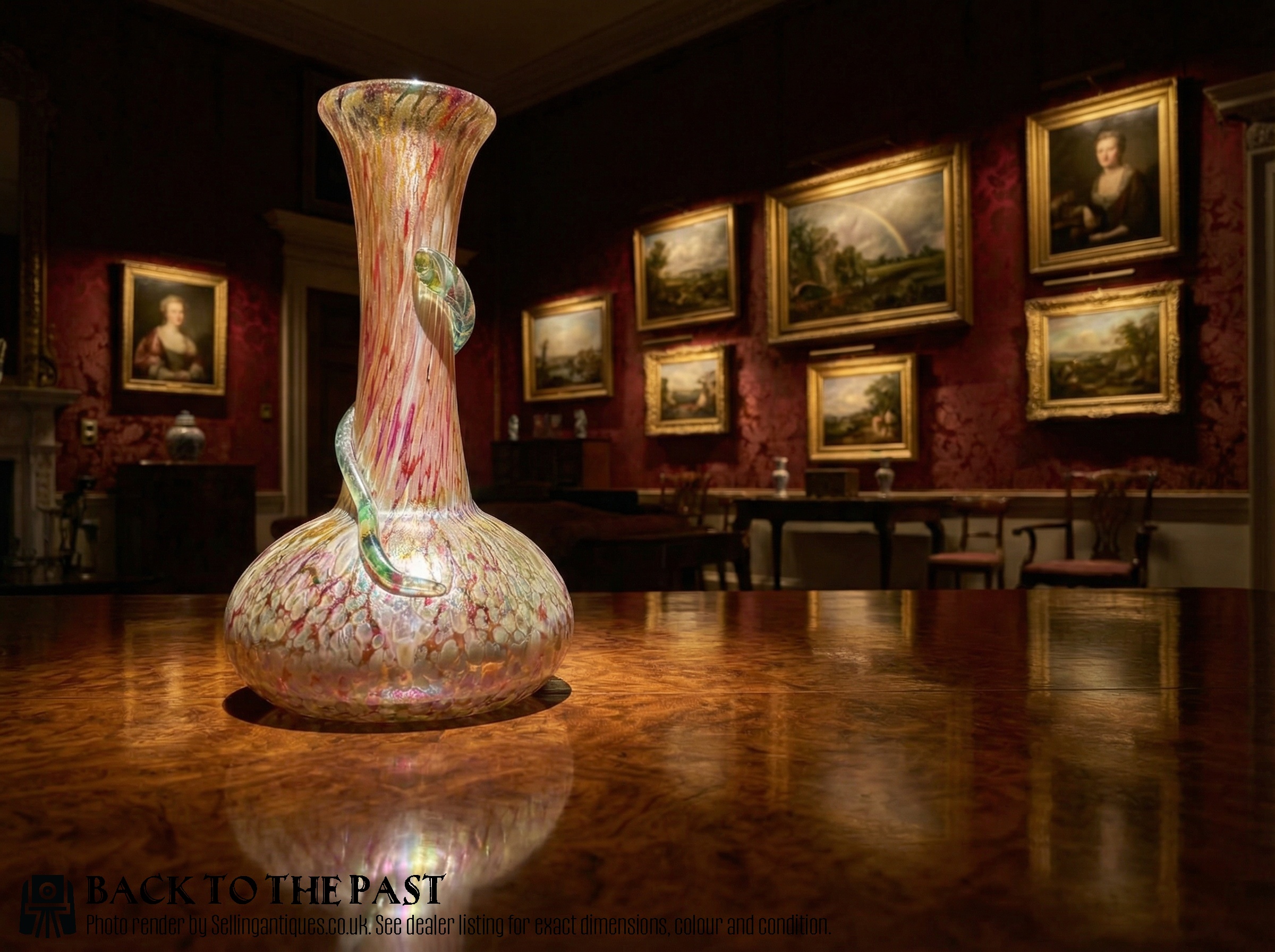
The crispness of the glass cutting and the depth of the iridescence dictate the visual impact of the piece. Superior examples display precise symmetry in the vessel body and sharp definition in any applied enamel or gilded motifs.
The integration of metal mounts reveals the maker's hand, where tight fitting ormolu or cast bronze elevates the object. Maker signatures, such as those found on pieces by Lalique or Daum, separate standard production items from distinguished studio output.
Rene Lalique·Gillows Of Lancaster·Samuel Marti·Daum·Pallme Konig·Loetz·Kralik Glass·Galle·Loetz Witwe·Elizabeth Graydon-Stannus
The Antique Glass Urn Glossary
- Iridescent glass
- Glass treated with metallic salts while hot to produce a shimmering, oil-slick surface effect. This finish became a hallmark of art nouveau production.
- Decalcomania
- A transfer decoration technique applied to the interior or exterior of glass surfaces. Victorian makers utilised this method to simulate hand-painted scenes.
- Ormolu
- Gilded bronze mounts and decorative trims applied to glass bodies. French workshops frequently employed this technique during the nineteenth century.
- Garniture set
- A matched group of three or five decorative objects, often comprising an urn flanked by vases or candlesticks. These sets were designed to sit symmetrically on a mantelpiece.
- Opalescent glass
- Glass containing agents that cause it to appear milky with translucent, glowing colour shifts. Art deco designers utilised this quality to catch the light.
Antique Glass Urn: Frequently Asked Questions
What is an antique glass urn?
An antique glass urn is a decorative vessel modelled on classical stone urns, rendered in glass during periods such as the Victorian era and the early twentieth century.
These pieces were made as ornamental vases, lidded jars, or sugar baskets, often featuring cut crystal, iridescence, or enamel work rather than serving a purely practical function.
How do I identify art nouveau glass?
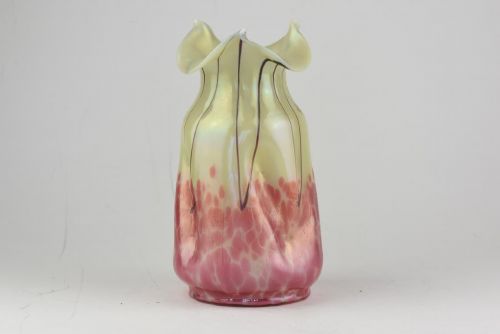
Art nouveau glass typically displays organic, flowing forms inspired by nature, combined with iridescent surfaces that catch the light in shifting tones of green, pink, and gold.
Look for distinctive signatures on the base or body, alongside characteristic techniques like the Phänomen threading developed by Bohemian makers at the turn of the twentieth century.
Were these urns used for flowers?
Many glass urns and vases were designed strictly as decorative mantel ornaments or centrepieces, though lidded versions served as sugar baskets or covered jars.
The presence of delicate metal mounts, narrow necks, or elaborate enamel work often suggests an intended role as display pieces rather than everyday flower holders.
How do I style a glass urn at home?
Place an antique glass urn on a mantelpiece, sideboard, or within a cabinet where natural light can pass through the coloured or iridescent material.
Because many examples originate from the Victorian and art deco periods, they pair well with period furniture, mirrors featuring urn crests, or as standalone focal points in a modern interior.