
Antique Glass Trinket Box
An antique glass trinket box holds small valuables on a dressing table, combining utility with fine decorative metalwork and coloured glass.
Antique Glass Trinket Box
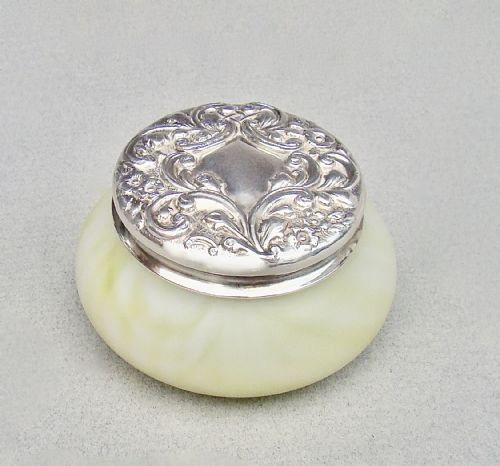
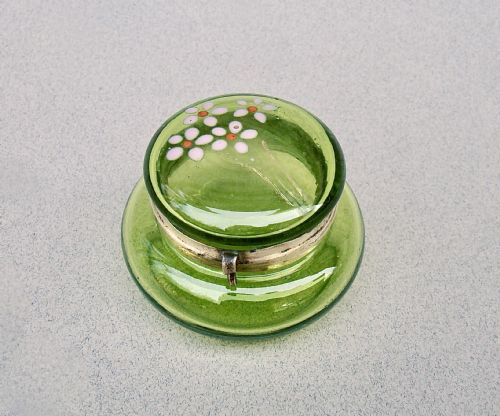
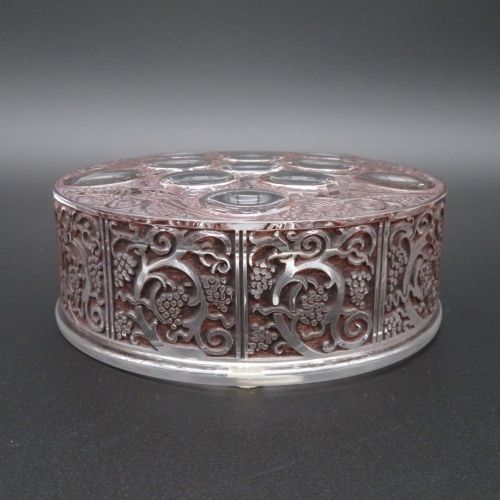
An antique glass trinket box serves to store rings, pins, and small cosmetics on a dressing table or desk. These pieces appear across Victorian, Edwardian, and Art Deco periods, ranging from simple cut glass jars to ornate French caskets.
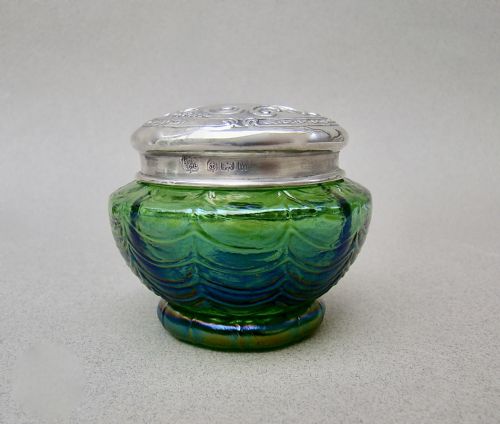
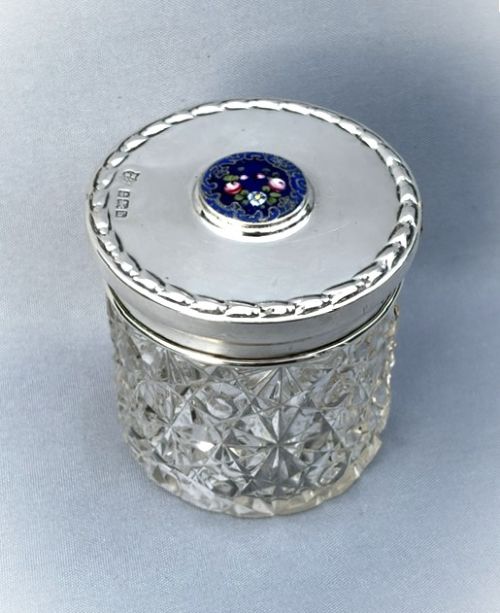
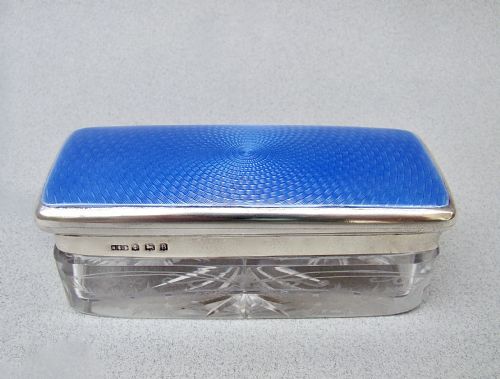
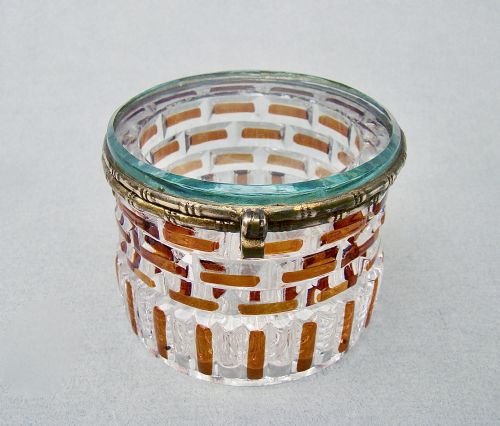
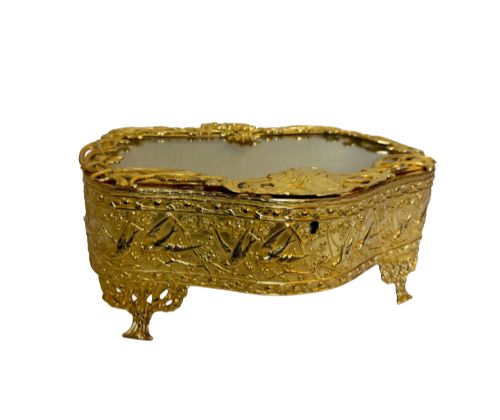
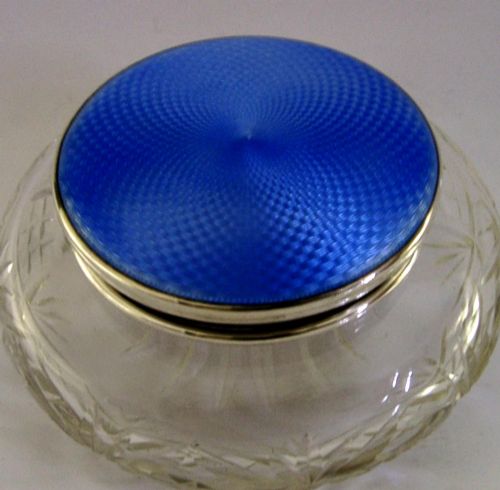
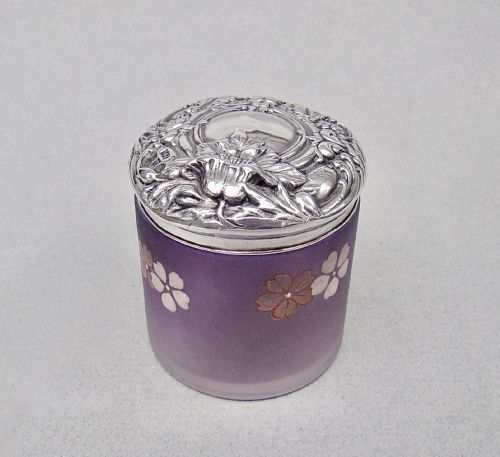
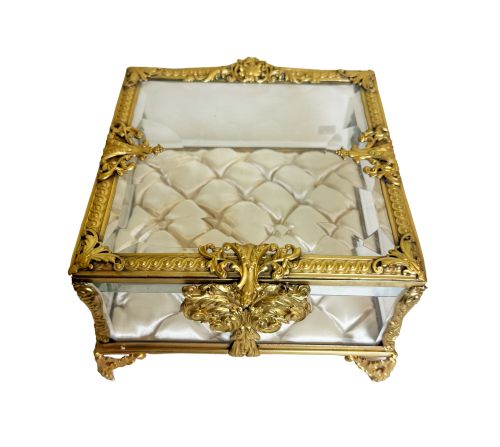
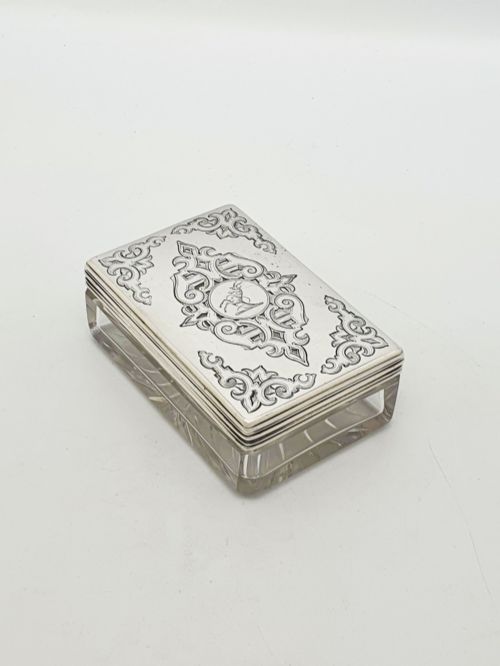
The objects take many forms, including circular powder boxes, hinged dressing table jars, and rectangular vanity containers. Many combine moulded or cut glass bases with fitted sterling silver, ormolu, and enamel lids.
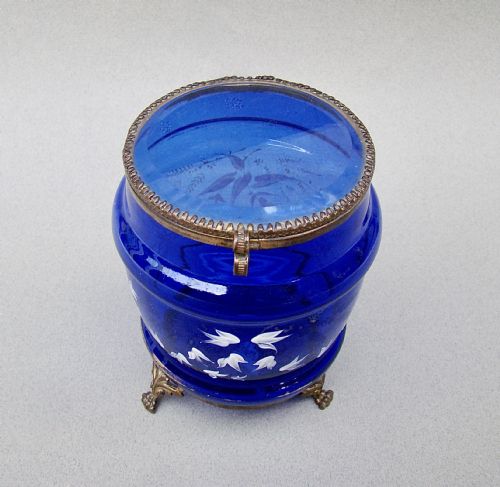
Buyers frequently encounter Edwardian and 19th-century French examples featuring heavy brass or bronze mounts alongside coloured Bristol blue, cranberry, or satin glass.
How They Were Made
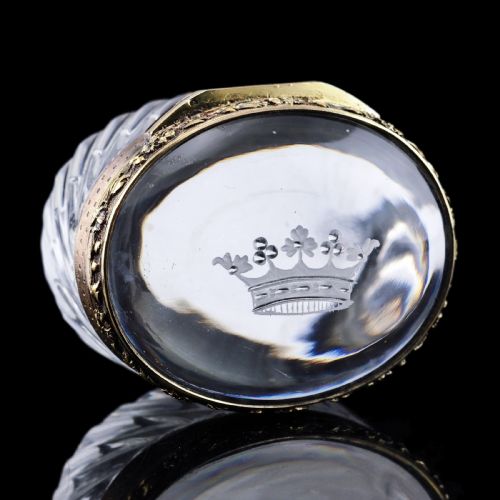
Makers shaped the vessels using heavy lead crystal or moulded glass, often finishing the surfaces with deep wheel-cutting, frosting, or enamel painting. Metal mounts in sterling silver, gilt bronze, or ormolu were cast and hinged to fit the glass rims precisely.
Goldsmiths and silversmiths added guilloché enamel work, sterling silver lids, and gilt accents, frequently hallmarked in Birmingham or London during the early twentieth century.
Some miniature French novelty boxes took the whimsical form of coaches, horses, and egg-shaped carriages designed for the Palais Royal trade.
What Varies in Quality
The distinction between standard containers and finer pieces lies in the weight of the metal mount, the crispness of the glass cutting, and the complexity of the enamel work. Superior examples display substantial cast ormolu frames and hand-painted details on the lid rather than pressed decoration.
The integration between the glass body and the metal hinge determines the integrity of the piece, with better workshops achieving a seamless, durable fit.
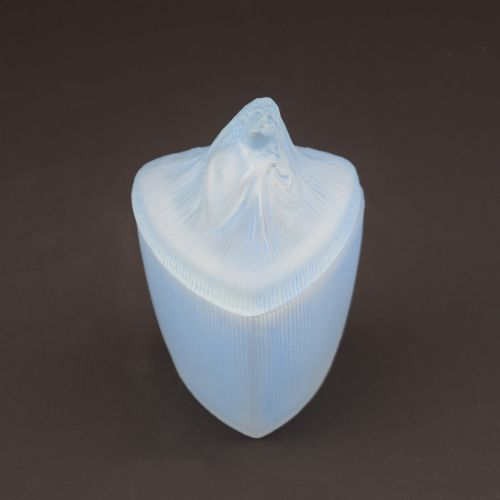
A. J. Pepper & Co·Henry Clifford Davis·A. Bromet & Co·Rene Lalique·Posen of Frankfurt
The Antique Glass Trinket Box Glossary
- Guilloché
- A decorative engineering technique where a precise, intricate pattern is mechanically engraved into a underlying metal surface beneath translucent enamel.
- Ormolu
- Finely ground high-purity gold applied in a mercury amalgam to a bronze object, creating a rich golden decorative finish.
- Satin Glass
- Glass treated with hydrofluoric acid to produce a velvety, matte texture across the surface.
- Bijouterie Table
- A glass-topped display table designed specifically for showcasing small valuable trinkets and collections.
Antique Glass Trinket Box: Frequently Asked Questions
What were glass trinket boxes used for?
These boxes held everyday personal items such as hairpins, rings, brooches, and small cosmetic patches on Victorian and Edwardian dressing tables.
They also served as decorative display pieces in boudoirs, protecting delicate jewellery from dust while adding colour to the room.
How do I identify an Edwardian glass box?
Edwardian pieces often feature sterling silver lids hallmarked in cities like Birmingham or London, combined with clear cut glass or satin glass bodies.
Design motifs from this period frequently lean towards light floral patterns, inlaid wood elements, or crisp geometric sterling mounts.
What is French ormolu?
Ormolu refers to a gilded bronze mount applied to 19th-century glass caskets and vanity jars to provide structural framing and ornate decorative handles.
French makers utilised this technique extensively on cobalt blue and amber glass bodies to create luxurious dressing table accessories.
How should I care for antique glass boxes?
Clean the glass components gently with mild soapy water, avoiding harsh abrasives that might damage applied enamel or delicate surface frosting.
Keep silver and ormolu mounts dry and polish them sparingly with a soft cloth to preserve the original metal finish.