

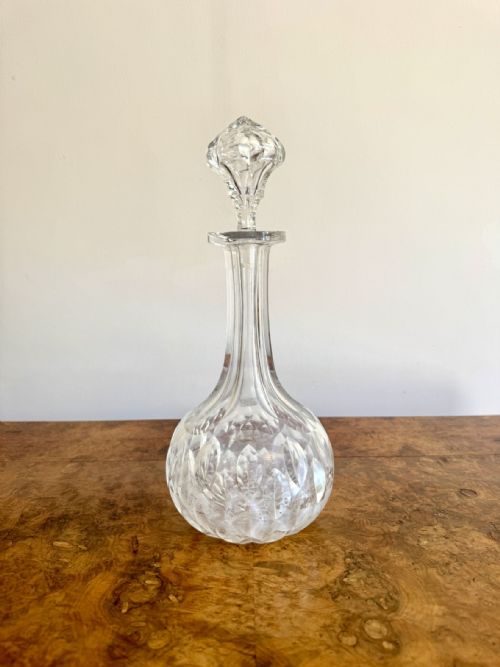
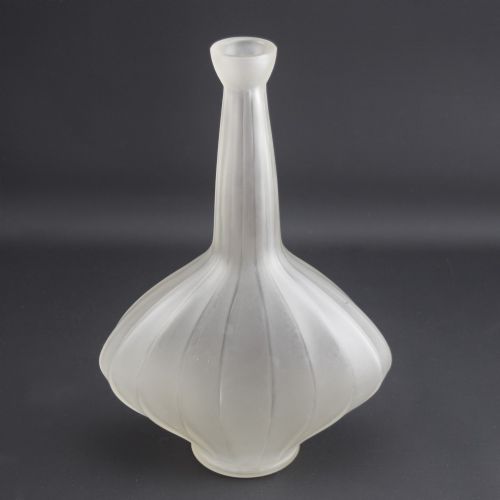


Antique Glass Spirits Vessel
An antique glass spirits vessel is a historic container designed to hold and pour liquor, offering both functional charm and traditional display value for a home.
Antique Glass Spirits Vessel
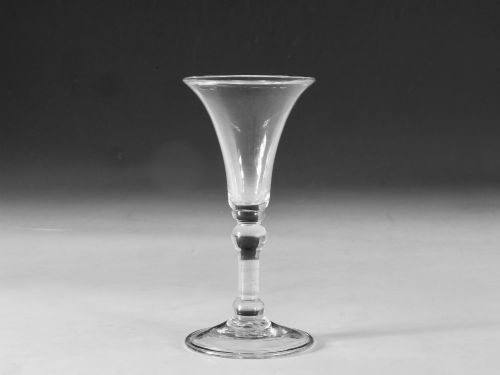
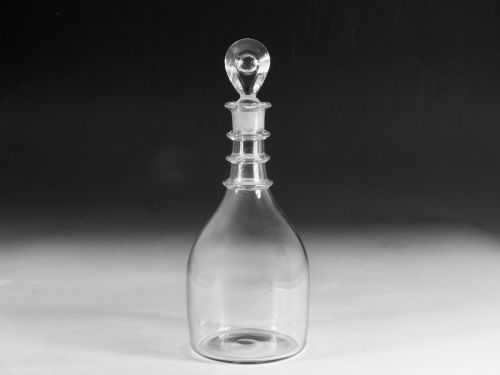
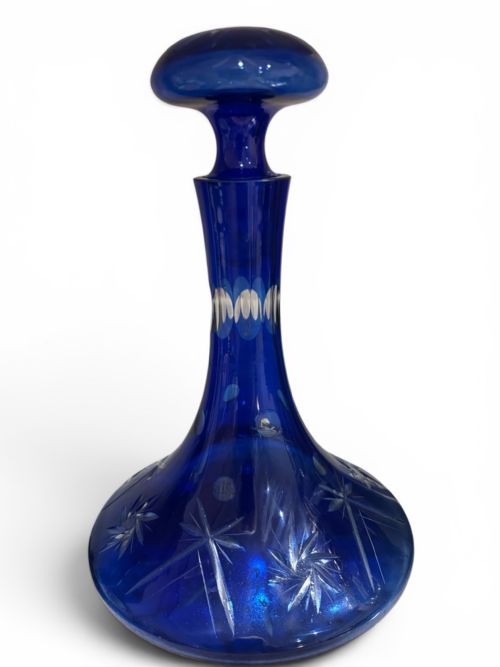
Decanters form the most common type encountered in this selection, often appearing in forms such as shaft and globe, bell-shaped, or ringed English and Bohemian designs. Alongside these, buyers will find smaller vessels like dram glasses, cordial glasses, and pocket-sized hip flasks mounted with sterling silver.
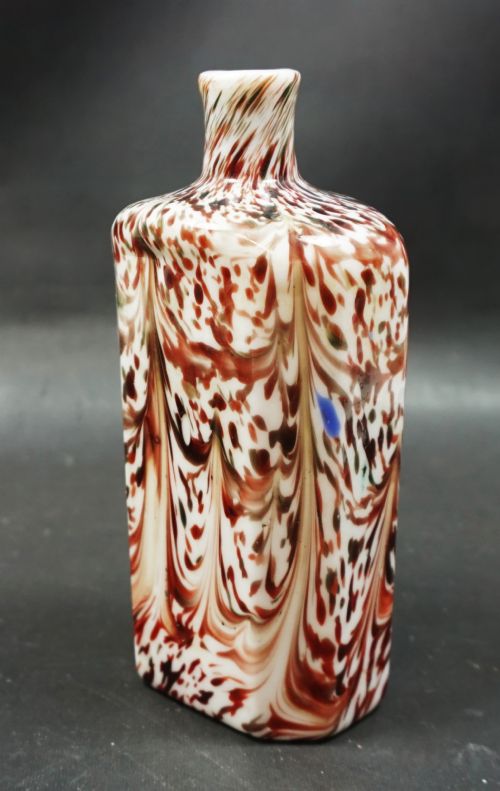
The materials span clear lead glass, heavy lead crystal, cut glass, milk glass, and coloured Bohemian crystal featuring enamel detail or splattered decoration. Originating primarily from English, French, and Bohemian workshops, these items range from plain utilitarian wine bottles to heavily cut decorative vessels.
Materials and methods of manufacture
Makers utilised lead glass and lead crystal to achieve heavy, clear vessels capable of holding deep wheel-cut or polished facets. This heavier material allowed artisans to apply brilliant cutting patterns that caught candlelight on the dining table.
Free-blown and mould-blown techniques shaped bodies like shaft and globe decanters or bell-shaped decanters, sometimes paired with applied rings and hand-shaped stoppers. Surface decoration included wheel engraving, polychrome enamel detailing, and splattered glass effects found in specific Bohemian and Nailsea type pieces.
Antique Glass Spirits Vessel Retail Price Guide 2026
Typical asking prices for glass spirits vessel among the pieces listed under this phrase on Sellingantiques today, from the lower quarter to the upper quarter. They describe what is for sale here now, not the wider market.
Markers of quality and execution
The clarity of the metal and the crispness of the cutting distinguish finer pieces from standard production. Sharp, deep wheel-cuts on lead crystal demonstrate superior hand-craftsmanship compared to softer, moulded facets.
Proportion and the integrity of matching components play a major role in evaluation. Vessels retaining their original matching stoppers and exhibiting balanced, stable forms command greater respect than those with mismatched or replacement parts.
Stevens & Williams
The Antique Glass Spirits Vessel Glossary
- Decanter
- A glass vessel fitted with a stopper, used for holding and serving wine or spirits. They often feature multiple neck rings to ensure a secure grip during pouring.
- Lead Crystal
- A heavy, high-clarity glass containing metal oxides that increases brilliance and weight. This material permits deep, sharp cutting by the glass cutter.
- Dram Glass
- A small drinking vessel intended for a single measure of spirits, popular during the eighteenth century. They frequently feature baluster stems and heavy feet.
- Shaft and Globe
- A decanter profile characterised by a long narrow neck above a rounded globular body. This shape evolved during the eighteenth century for stability on ships and sideboards.
- Ewer
- A pitcher with a wide spout and a handle, used for pouring liquids. In glass, these pieces often incorporate decorative cut designs from the Edwardian era.
Antique Glass Spirits Vessel: Frequently Asked Questions
What is a shaft and globe decanter?
A shaft and globe decanter is an eighteenth-century vessel featuring a long, slender neck that flares into a rounded, bulbous base. This form provided stability when placed on dining tables during turbulent travel or lively gatherings.
The wide base allowed heavy sediment to settle at the bottom while the narrow neck reduced the liquid's surface exposure to air, preserving the contents.
How do I identify Georgian glass decanters?
Georgian glass decanters are typically recognised by their heavy lead glass composition, handmade pontil marks on the base, and applied neck rings. They often display simple three-ring or four-ring collars designed to aid grip.
These pieces usually feature simpler silhouettes than later Victorian examples, relying on the natural weight and clarity of the metal rather than excessive cutting.
Were these vessels used for wine or spirits?
These vessels served both wine and stronger spirits depending on their size and form. Large decanters held claret or port, while smaller flasks and dram glasses accommodated brandy or cordials.
Pocket-sized hip flasks were specifically designed for personal transport of liquor during outdoor pursuits.