

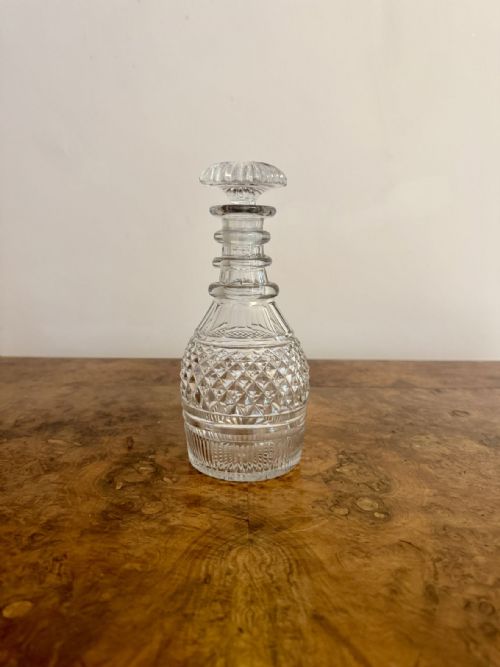
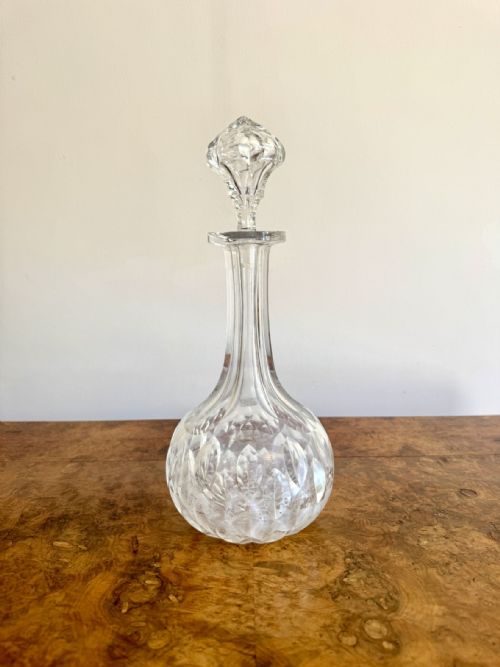


Edwardian Crystal Decanter Stopper
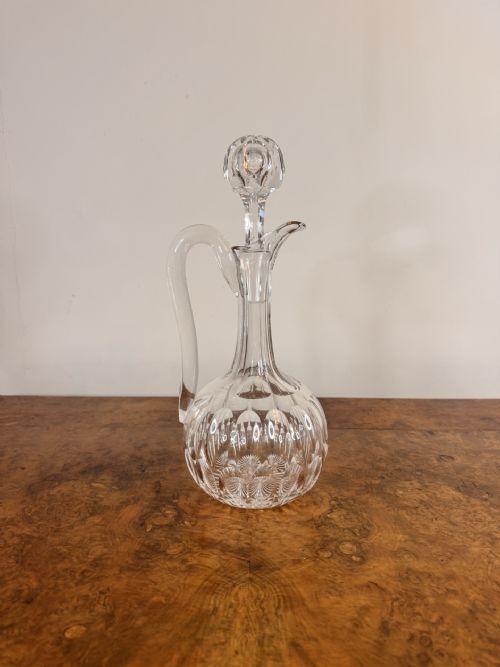
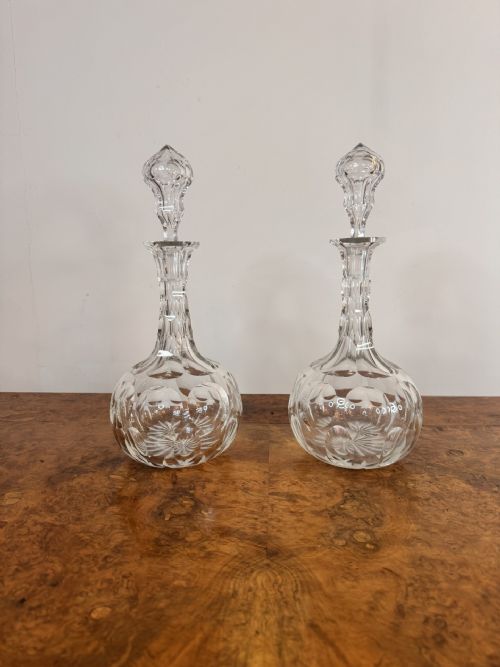
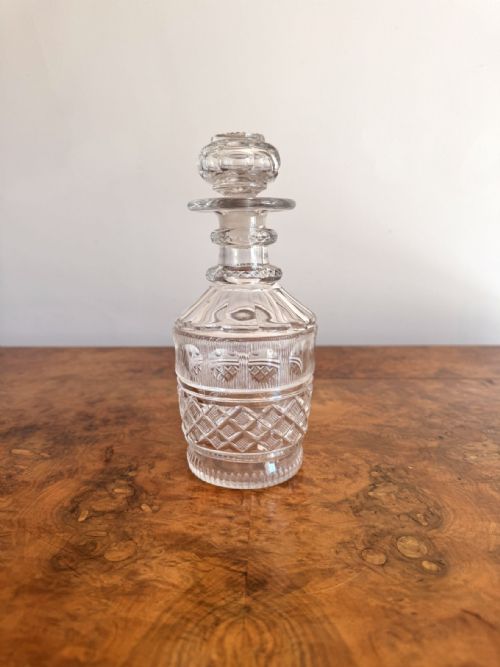
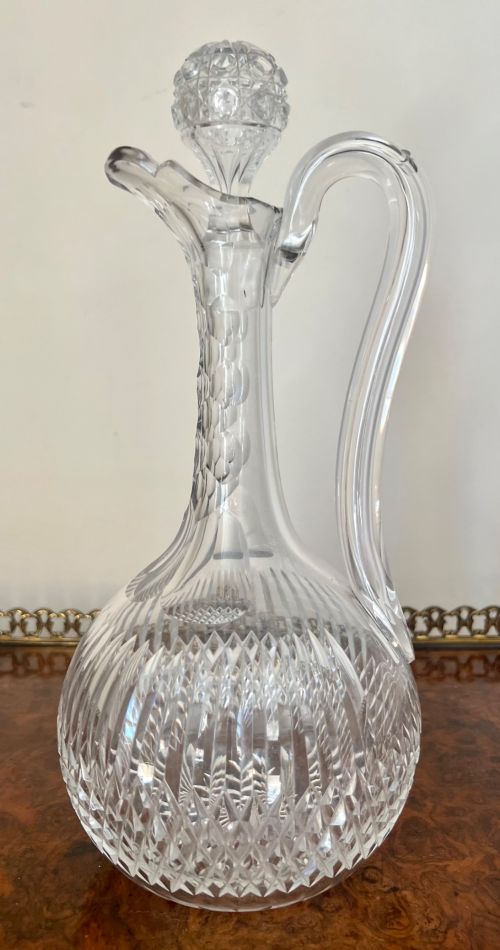
An edwardian crystal decanter stopper completes a vessel of cut glass, bringing together the precise balance of period barware.
Edwardian Crystal Decanter Stopper
When you search for an edwardian crystal decanter stopper, you are looking at the finishing closures for vessels designed to hold spirits, wine, and water. The selections found here span the Edwardian era alongside pieces from the Victorian and Art Deco periods, extending back to the eighteenth century and nineteenth century.
The dominant forms on this page include decanters, ewers, and scent bottles fashioned in clear glass, cut crystal, and lead crystal. Many examples feature sterling silver collars, hallmarked mounts, or silver plating in designs such as the Scottish thistle and Highland revival styles.
Shoppers encounter single bottles, pairs, and trios shaped as bells or whisky containers. These items serve both functional barware roles and decorative display purposes within domestic settings.
How they were made
Makers shaped these items using clear glass, cut glass, and lead crystal, employing hot forming techniques to blow vessels into bell shapes and tapered profiles. Skilled artisans then applied wheel-cutting methods to produce geometric patterns and engraved decorations across the body and neck.
Metal components such as sterling silver collars and silver-plated mounts were cast or spun to fit the glass necks precisely. Hallmarks stamped into the silver provide official records of assay offices, dates, and makers.
Edwardian Crystal Decanter Stopper Retail Price Guide 2026
Typical asking prices for edwardian crystal decanter stopper among the pieces listed under this phrase on Sellingantiques today, from the lower quarter to the upper quarter. They describe what is for sale here now, not the wider market.
The object forms recorded here range from standard spirit bottles and bell-shaped decanters to scent bottles, ewers, and silver-mounted novelty thistles.
What varies in quality
The standard of an edwardian crystal decanter stopper and its matching vessel depends upon the crispness of the glass cutting and the weight of the lead crystal. Superior examples display deep, sharp facets that refract light clearly without surface ripples or internal bubbles in the material.
Finer pieces incorporate solid sterling silver collars with legible hallmarks rather than basic silver plating. The harmonious fit between the stopper and the neck demonstrates the care taken during initial grinding and polishing.
Hukin and Heath
The Edwardian Crystal Decanter Stopper Glossary
- Decanter
- A vessel used for holding and serving wine or spirits. These containers usually include a matching fitted stopper to seal the contents.
- Lead crystal
- Glass containing a proportion of metallic lead oxide, which increases the weight, clarity, and refractive index of the material. This composition allows for deeper and sharper facet cutting.
- Hallmark
- An official stamp or marks applied to precious metals like sterling silver. They indicate the purity of the metal, the assay office, and the date of manufacture.
- Ewer
- A large jug or pitcher with a wide spout and a handle. They appear in period glassware alongside traditional spirit bottles.
- Claret jug
- A specific type of serving vessel designed for red wine. They frequently incorporate silver mounts and hinged lids alongside glass bodies.
Edwardian Crystal Decanter Stopper: Frequently Asked Questions
How do I identify an Edwardian period decanter?
Edwardian decanters date from the reign of King Edward VII, spanning the first decade of the twentieth century. They often feature bright, clear lead crystal with crisp geometric cutting.
Matching silver collars frequently bear hallmarks with specific date letters corresponding to these years. Makers such as Hukin and Heath also active during this timeframe produced distinctive designs.
Can I use these decanters for daily serving?
These vessels function well for serving whisky, wine, and spirits during dining or social gatherings. Careful handling protects the delicate crystal facets and silver collars.
Hand washing in lukewarm water preserves the clarity of the glass and prevents damage to the fitted stoppers.
What styles appear alongside Edwardian pieces?
Listings include items influenced by Victorian manufacturing, early twentieth-century modernism, and Art Deco aesthetics. Highland revival themes and Scottish thistle motifs also occur in novelty barware.
Stoppers and bottles from the eighteenth century and nineteenth century occasionally supplement these primary Edwardian groups.