




Antique Glass Pedestal Dish
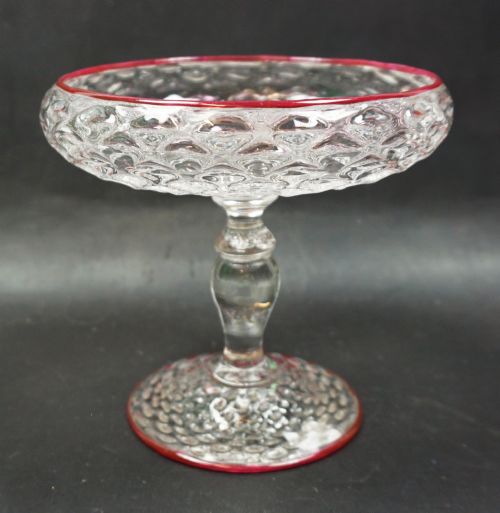
These antique glass pedestal dish examples elevate any table setting with raised bowls, tazzas, and stands fashioned from clear glass, lead crystal, and coloured metals.
Antique Glass Pedestal Dish
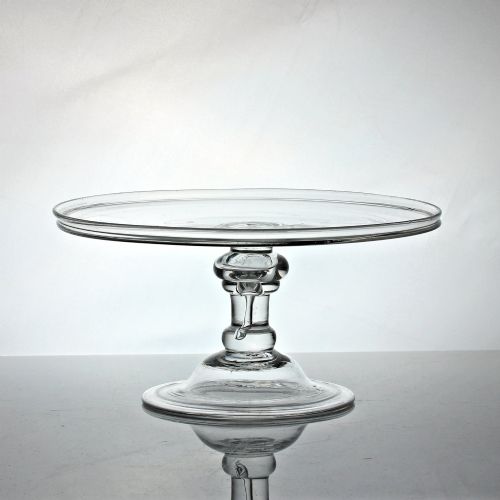
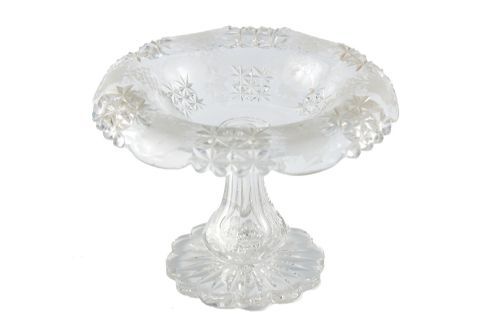
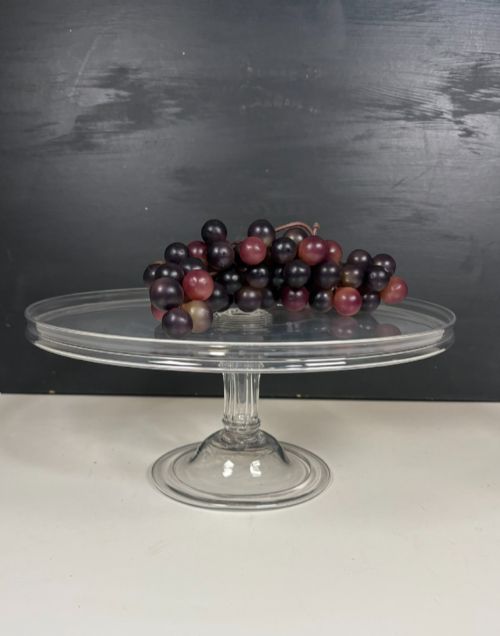
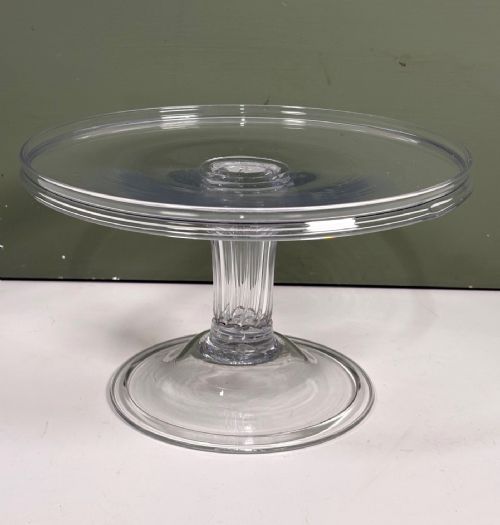
When searching for an antique glass pedestal dish, buyers encounter elevated serving vessels designed to showcase fruit, sweetmeats, and confectionery above the dining table surface. The selection spans distinct forms including tall tazzas, patch stands, centrepiece bowls, and dessert stands.
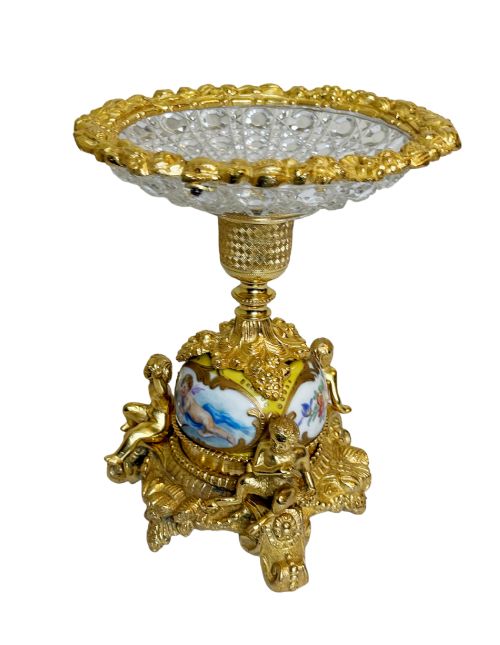
Most examples appearing here belong to the Georgian and Victorian eras, alongside Edwardian, Art Nouveau, and Art Deco pieces. Makers utilise lead glass, clear glass, and cut crystal, occasionally pairing the glassware with sterling silver, gilt bronze, or pewter mounts.
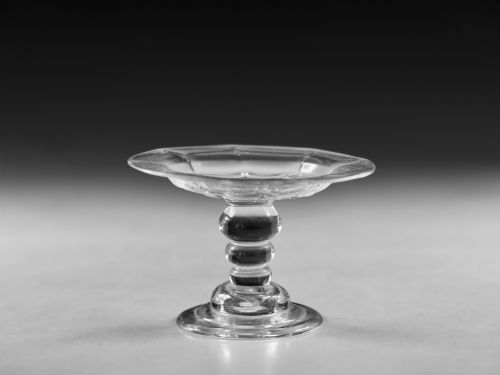
Earlier pieces from the eighteenth century include small patch stands and rib-moulded sweetmeat glasses, while nineteenth-century items tend toward larger cut crystal bowls and blue pearline cake stands. Form follows function, shifting from diminutive sweetmeat dishes to grand centrepieces intended for display.
Materials and production methods
Craftsmen produced these vessels using heavy lead crystal and clear glass, shaping the molten material through blowing, moulding, and rib-moulding techniques. Honeycomb patterns and optic ribs appear frequently on eighteenth-century and nineteenth-century pieces, giving texture to the bowls and stems.
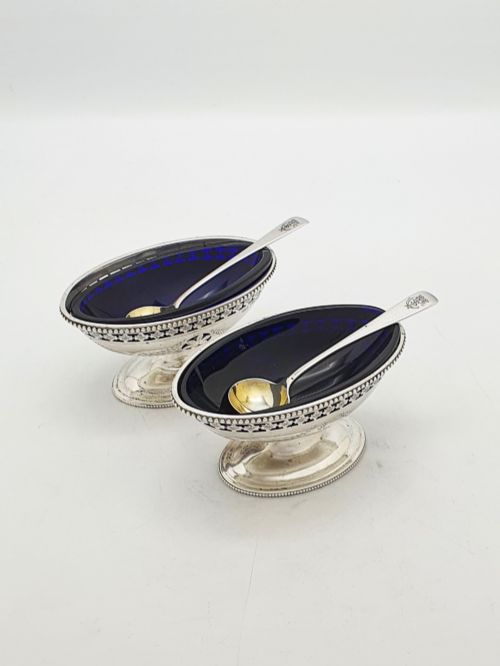
Cut glass decoration involved wheel-cutting deep facets into the crystal, creating crisp light reflections across the surface of tazzas and fruit bowls. Artisans also applied gilding, red cane decoration, and enamel colours, or mounted the glass within sterling silver, gilded metal, and pewter frames.
Listings feature lead crystal, cut glass, and sterling silver across Georgian, Victorian, and Edwardian periods.
Judging the quality of pedestal glass
Quality rests in the crispness of the cutting, the weight of the lead glass, and the clarity of the material. Superior pieces display deep, sharp facets and well-balanced proportions between the bowl and its supporting stem or foot.
The integration of secondary materials also distinguishes the range. Finely cast gilt bronze, hallmarked sterling silver mounts, and delicate polychrome or gilded decoration elevate standard serveware into exceptional decorative works.
WMF·Orivit·Davidson
The Antique Glass Pedestal Dish Glossary
- Tazza
- A low-footed dish or pedestal plate used for serving fruit, cakes, or sweetmeats. The form sits on a central foot or pedestal base.
- Patch stand
- A miniature pedestal dish originally used to hold small cosmetic patches for the face during the Georgian era. These early pieces often feature delicate mouldings.
- Sweetmeat glass
- A small pedestal vessel designed for serving rich confections, nuts, or preserved fruits. They frequently feature rib-moulded bowls and folded feet.
- Lead crystal
- Glass containing lead oxide, which increases the weight, refractive index, and brilliance of the material. It allows for deep, sharp wheel-cutting.
- Pearline
- A pressed glass technique developed in the late nineteenth century that creates a shaded colour effect across the surface of the object.
Antique Glass Pedestal Dish: Frequently Asked Questions
What is a tazza?
A tazza is an elevated shallow bowl mounted on a central stem and foot. It functions primarily as a serving piece for fruit or desserts.
In older dining traditions, these vessels occupied the centre of the table to provide height and visual interest among smaller tableware.
How were patch stands used?
Patch stands held small silk or velvet cosmetic patches that fashionable individuals applied to their faces during the Georgian period. These tiny dishes sat on dressing tables or tea tables.
Due to their diminutive size and specific historical use, early examples in lead glass or honeycomb moulded crystal remain highly collectible.
How do I date an old glass dish?
Dating relies on observing the manufacturing technique, weight of the metal, and stylistic cues of the period. Georgian pieces often show pontil marks on the base and simpler rib-moulding, whereas Victorian items frequently feature heavier press-moulding or elaborate cut crystal.
Coloured glass hues, such as cobalt, ruby, and yellow over crystal, also align with specific nineteenth-century and Edwardian aesthetic preferences.
Can these dishes be used for food?
Most antique glass and crystal pedestal dishes remain completely suitable for serving dry foods, fruit, or confectionery today. Hand washing in warm water preserves the historic glass and any applied gilding or metal mounts.
Avoid exposing older lead glass to sudden temperature changes to prevent thermal shock.