

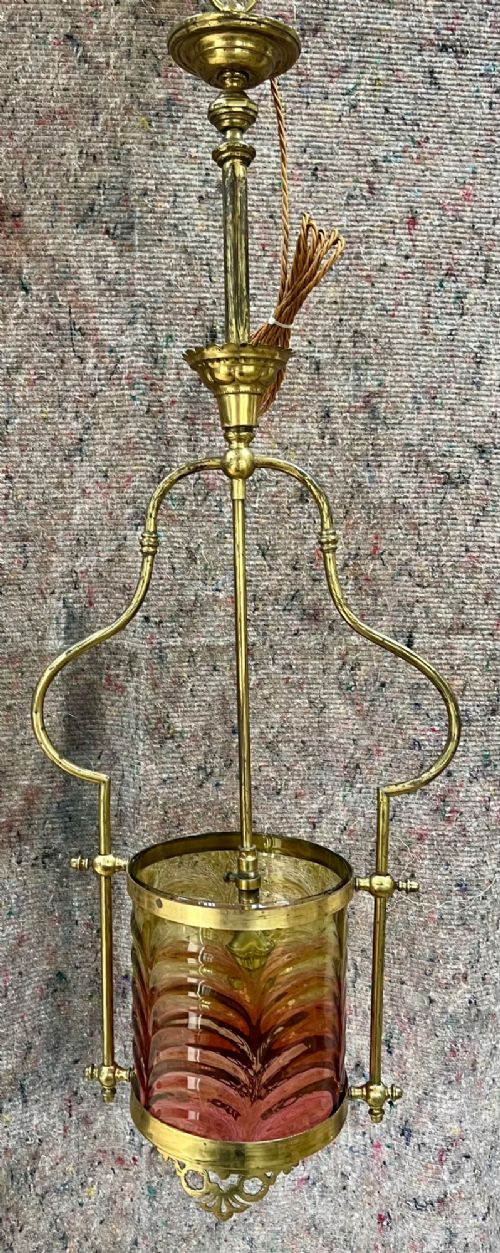
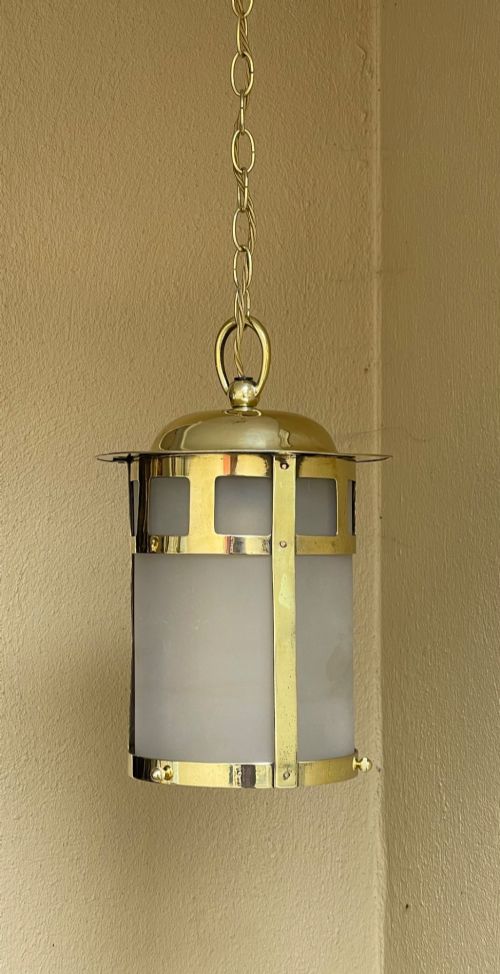
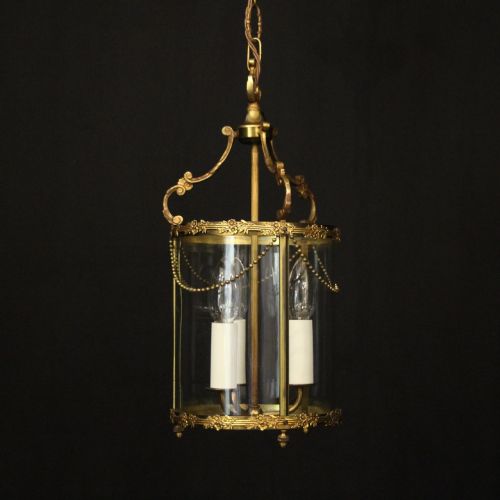
Antique Glass Hall Light
An antique glass hall light brings welcoming illumination to an entrance passage, cast in brass, bronze, and leaded glass.
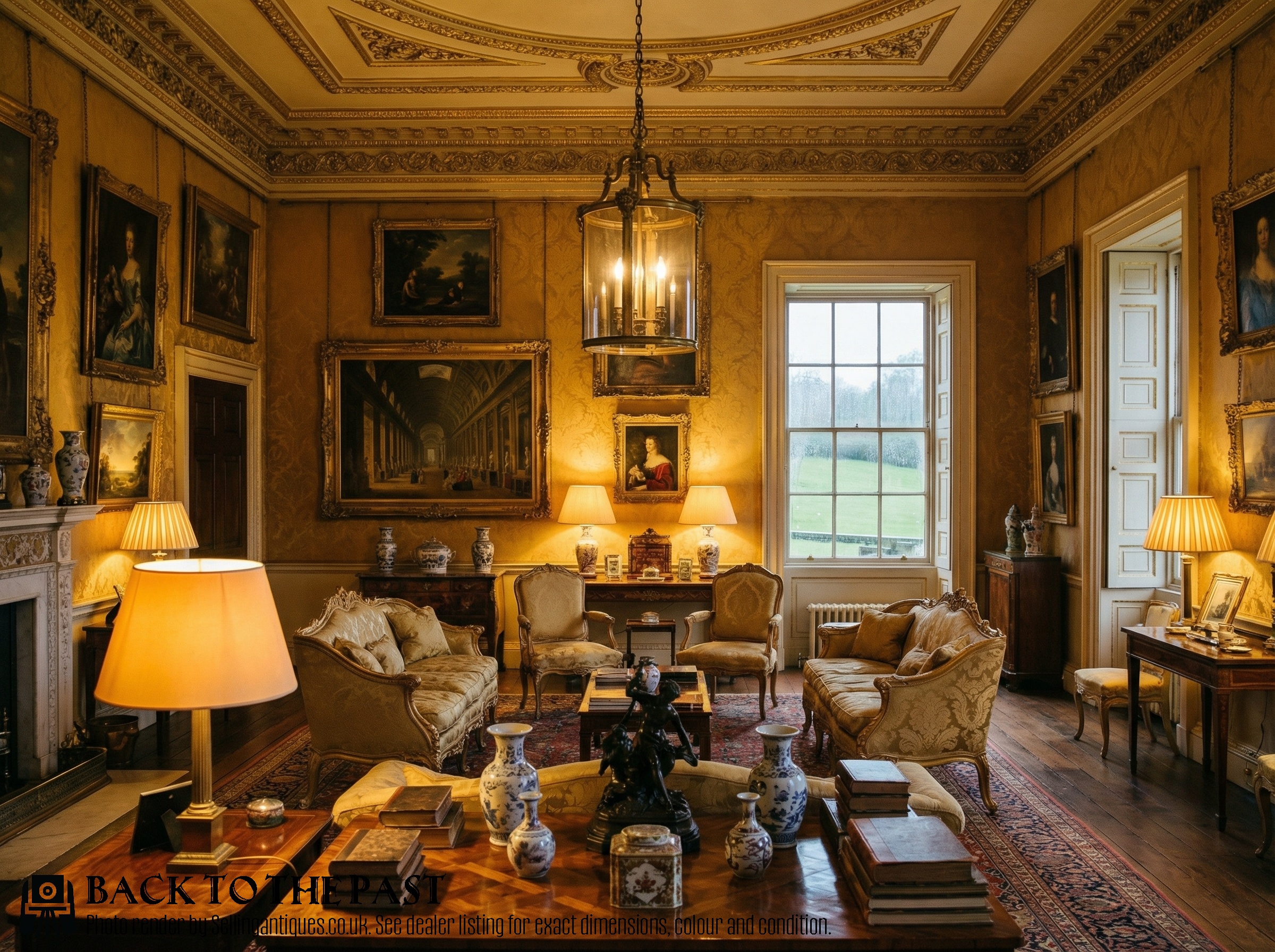
Antique Glass Hall Light
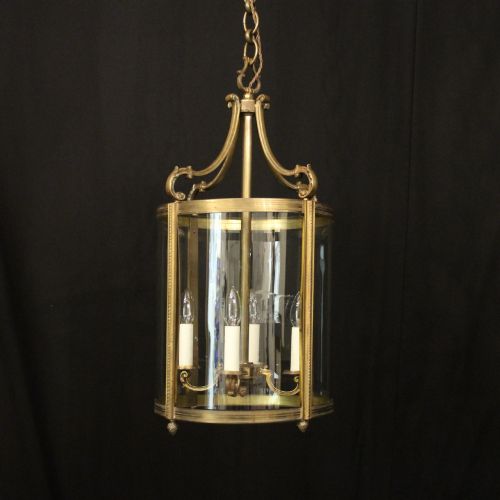
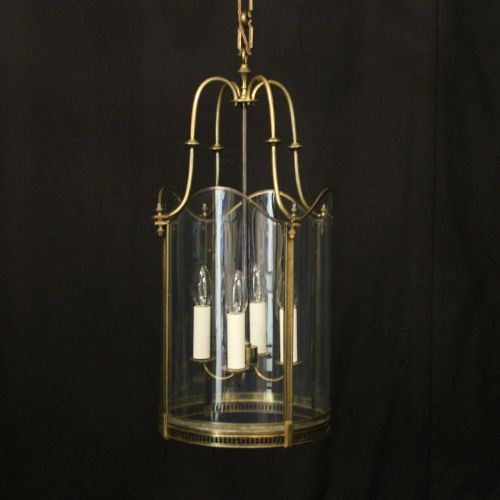
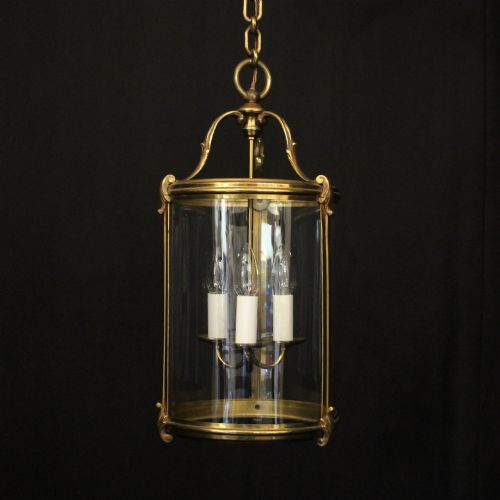
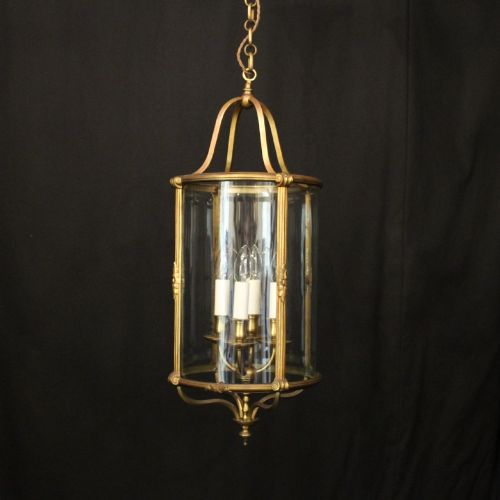
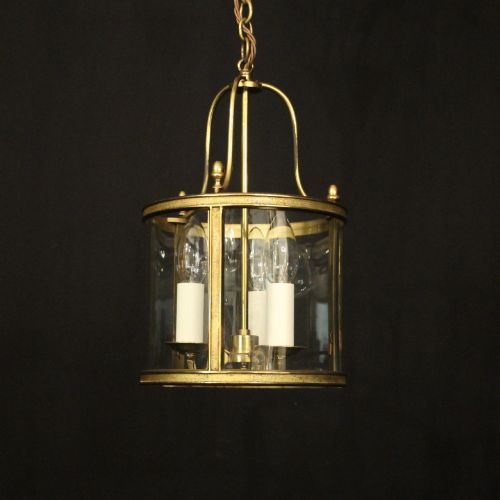
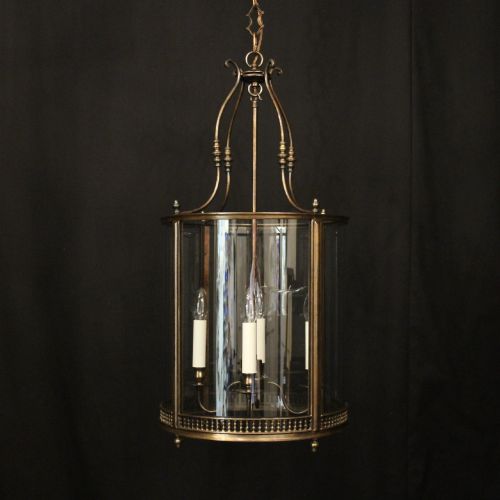
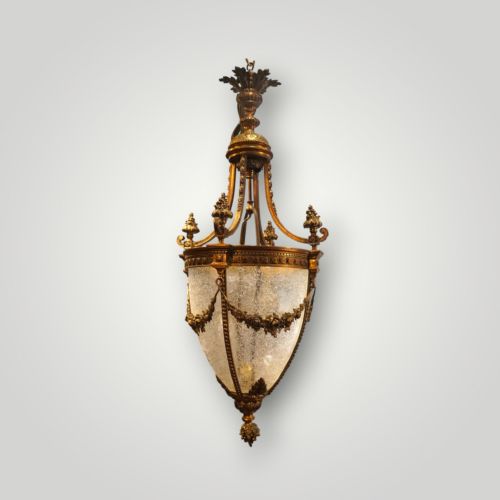
An antique glass hall light serves as the primary hanging fixture for an entryway, vestibule, or narrow corridor. Buyers examining this selection encounter various forms, most frequently French gilded bronze or brass lanterns dating from the Victorian era through the 1930s.
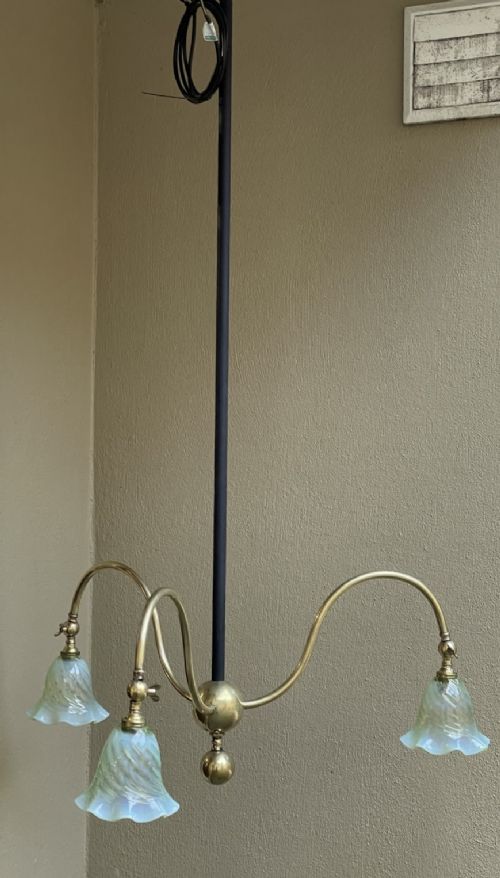
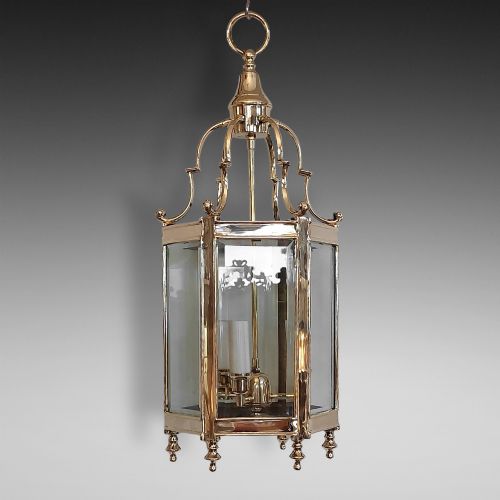
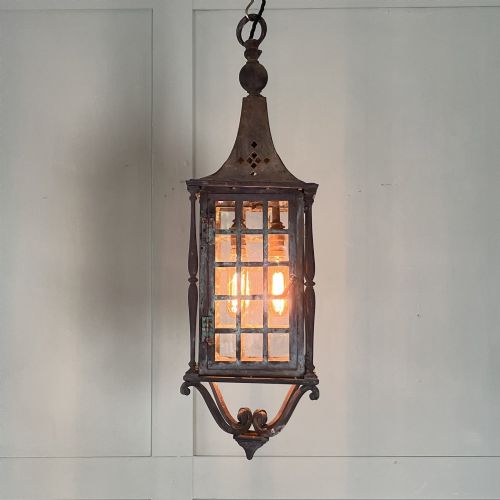
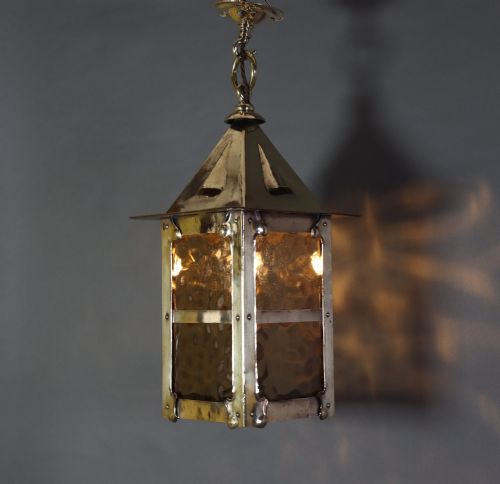
The objects span multiple stylistic movements, including Edwardian simplicity, Arts and Crafts design, and French Neoclassical ornamentation. Pieces appear in formats such as hexagonal lanterns, convex glass pendants, and multi-light ceiling fittings designed to illuminate transitional spaces.
Origins range across English workshops and continental European foundries, reflecting domestic hall lighting traditions. The physical presence combines structural metal framing with clear, etched, or bullseye glass panels configured for single or multiple bulbs.
Materials and construction
Makers constructed the primary framework using cast brass, gilt bronze, wrought iron, and gilded brass, joined to support suspended glass panes. Frames often feature hinged doors for access to internal burners or early electrical fittings.
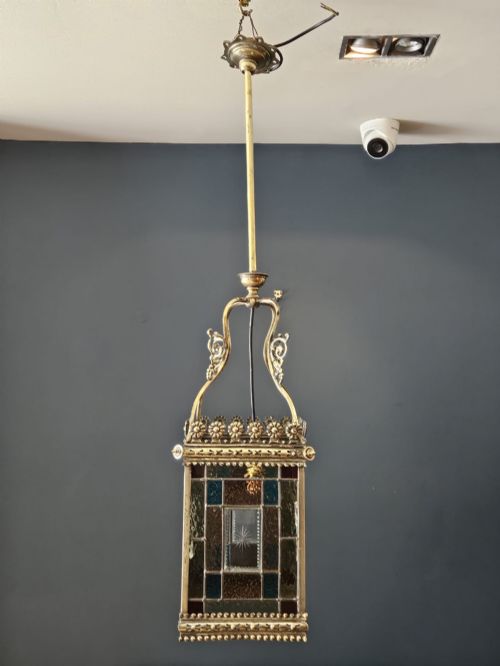
Glazing techniques involve leaded joints, hand-blown bullseye glass, moonstone glass, and etched panels fitted securely into metal channels. Metal components frequently received gilding or patination to enhance the decorative finish of the hanging lantern.
One brass lantern includes a small side door designed for easy lighting of the internal flame before electricity took over the hallway.
Distinctions in quality
Quality rests upon the weight of the cast metal frame, the crispness of the chasing on bronze and brass elements, and the integrity of the glass panels. Heavier mountings and substantial gilt bronze castings distinguish finer examples from lighter commercial production.
The sophistication of the glazing, such as heavy convex lenses or hand-blown bullseye panes, indicates a higher grade of manufacture. Original patination and intact structural joinery further separate superior architectural pendants from standard utilitarian fittings.
The Antique Glass Hall Light Glossary
- Convex glass
- Curved glass panels that project outward to diffuse light across a wider angle. This treatment appears frequently on French hallway lanterns from the early twentieth century.
- Bullseye glass
- Thick, circular blown glass panes featuring a central pontil mark where the blowpipe was detached. These add texture and obscure direct views of the interior light source.
- Gilt bronze
- Bronze metal treated with a fine layer of gold via fire gilding or electroplating. It provides a durable, lustrous surface finish seen on formal continental lighting.
- Leaded glass
- Individual pieces of glass joined together by strips of lead came soldered at the joints. This technique allows for geometric or stained glass patterns within hexagonal frames.
- Moonstone glass
- Opaque white glass that softens illumination and creates an even, diffused glow. It appears in large early twentieth century English pendant fittings.
Antique Glass Hall Light: Frequently Asked Questions
How do I hang a hall lantern safely?
Suspension requires attaching the fixture to a ceiling joist using a rated hook and appropriate chain length. Professional installation ensures the electrical wiring meets current safety standards while supporting the combined weight of metal and glass.
Position the lantern to clear head height and door swings within the hallway. Most pieces accommodate standard hanging chains that allow height adjustment during installation.
Were these lights originally electrified?
Many early examples were adapted from oil or gas burning fixtures to electricity as domestic power became widespread. Original burners and oil fonts were replaced with internal lamp holders during these conversions.
Examining the wiring channels and interior fittings reveals evidence of past conversions. Modern rewiring preserves the historic metalwork while ensuring safe operation.
How do I clean antique glass panels?
Remove dust using a soft dry cloth before applying a mild cleaning solution to the glass surfaces. Avoid harsh chemical cleaners that might damage aged gilding or patinated brass frames.
Take care around leaded joints and delicate etched designs during maintenance. Routine dusting prevents grime accumulation on intricate metal castings and glass.
How do I distinguish Edwardian from Victorian styles?
Victorian hall lanterns tend toward heavier proportions, darker patination, and robust Gothic or classical ornamentation. Brass framing combined with leaded glass is typical of this heavier nineteenth-century output.
Edwardian designs frequently adopt lighter brass frames, simpler geometric shapes, and brighter finishes. Arts and Crafts examples from the same period emphasise visible construction methods and honest materials.