


Gold Brass Hall Light
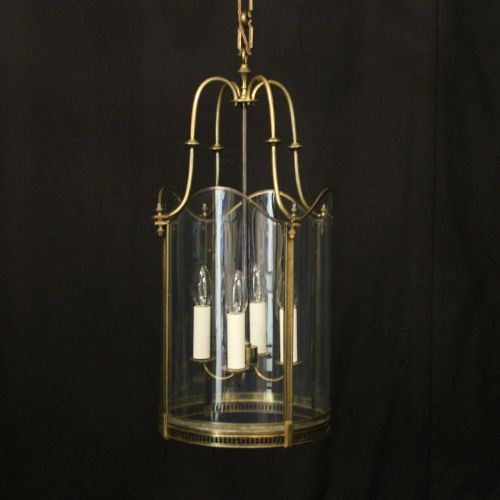
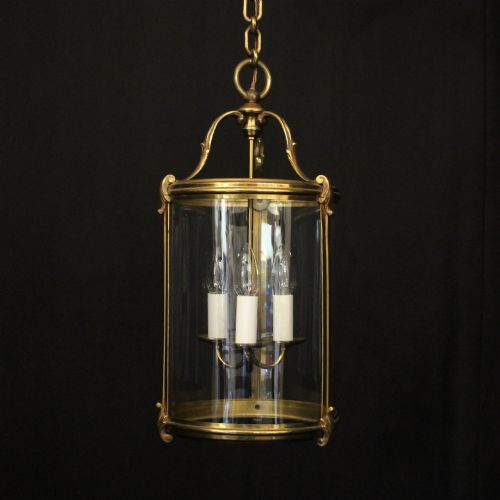
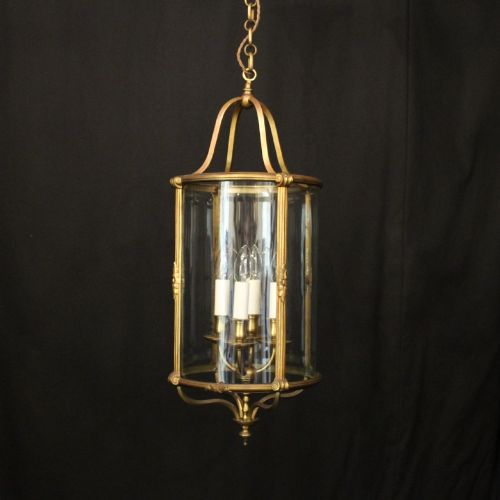
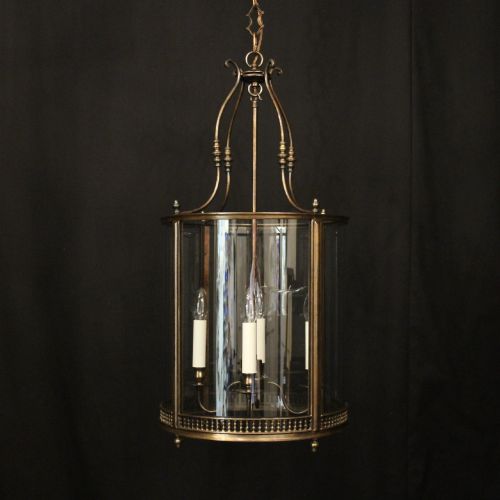
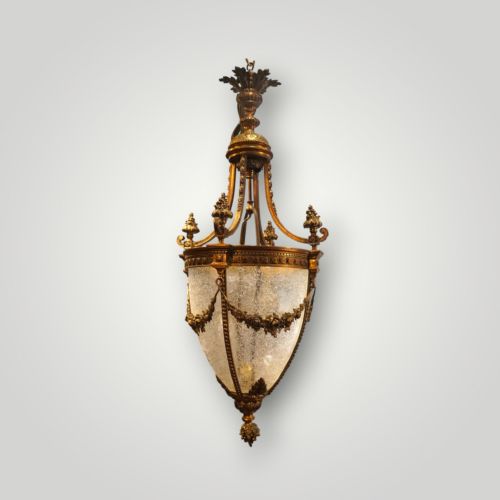
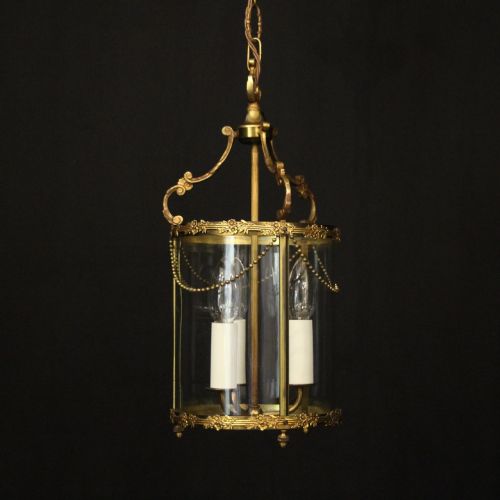
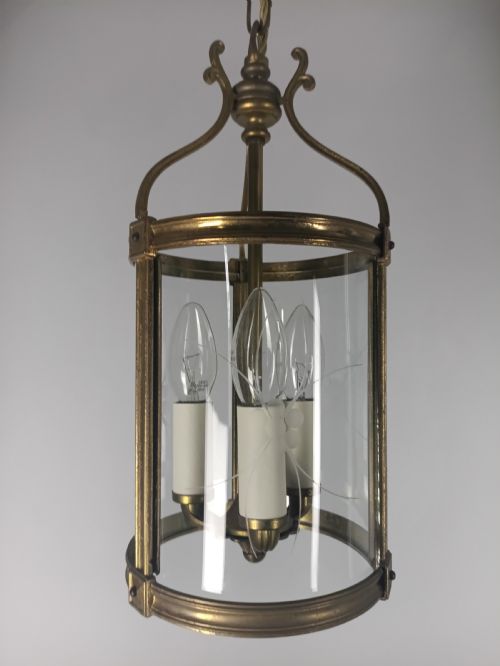
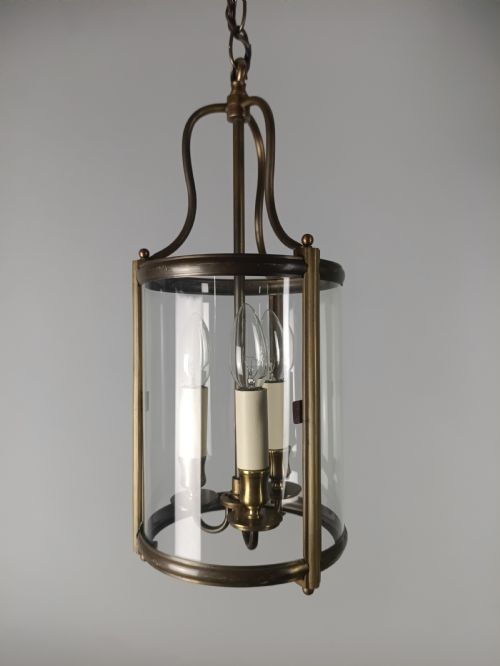
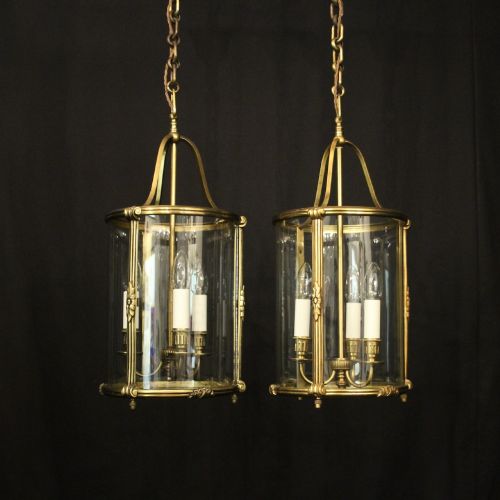
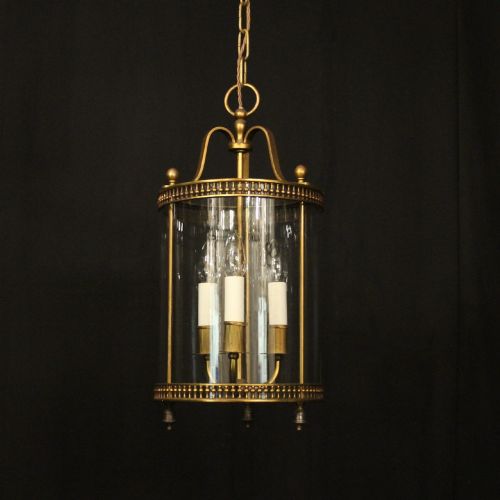
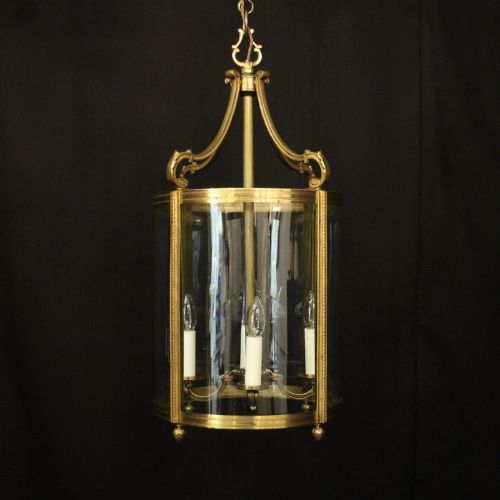
A gold brass hall light sets the tone for an entrance, casting warm illumination through bevelled or etched glass.
Gold Brass Hall Light
A gold brass hall light encompasses hanging lanterns and ceiling pendant lighting designed specifically for entranceways and corridors. The selection on this page spans from the Victorian and Edwardian eras into the early decades of the twentieth century, bringing period character to domestic ceilings.
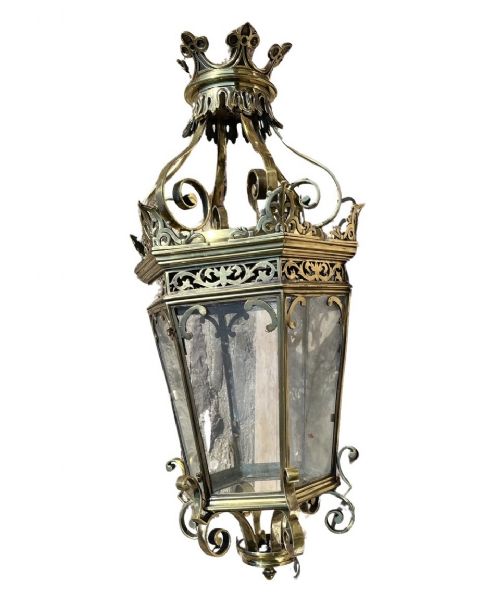
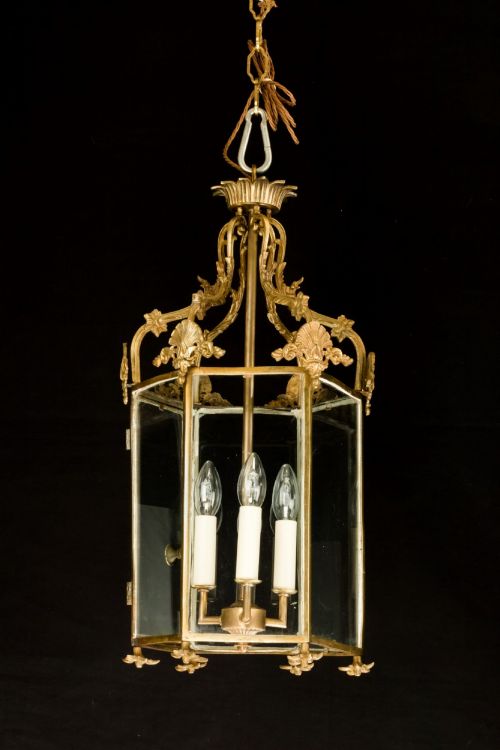
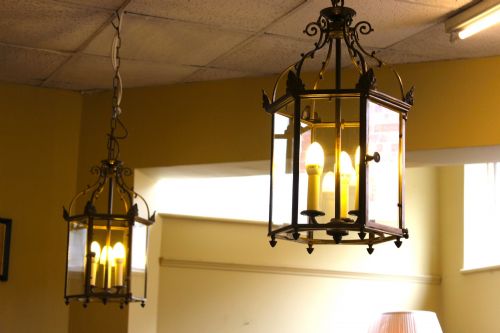
French styles dominate the available forms, often drawing on Louis XVI, Rococo, and Neoclassical vocabularies alongside simpler English hexagonal frames. Buyers frequently encounter French gilded bronze and polished brass fixtures outfitted with multiple internal lights.
These ceiling lanterns utilise glazed panels - ranging from flat bevelled panes to convex and opaline glass - to enclose the bulbs while scattering light across the hallway. They bridge decorative metalwork and functional illumination in a single hanging object.
How they were made
The framework of a gold brass hall light relies on cast or pressed brass, gilt bronze, and ormolu, sometimes polished or gilded to enhance the metallic lustre. Metal smiths formed intricate frames shaped into hexagonal profiles or classical revival motifs.
Panels of glass were individually cut, bevelled, or etched before being secured within the metal armature by tiny tabs or glazing bars. Many pieces incorporate hinged doors to allow access for changing internal bulbs while maintaining a rigid structural enclosure.
French aesthetic influences appear frequently, ranging from Louis XVI style to ornate Rococo revival frames.
What varies in quality
Quality in these lanterns rests upon the crispness of the bronze casting and the depth of the gilding applied to the brass frame. Heavier gauge metalwork and substantial cast ornaments denote a higher tier of production.
The integrity and treatment of the glazing further separate standard examples from finer ones, particularly where glass panels are heavily bevelled, curved into convex shapes, or intricately etched by hand rather than left plain.
Perry & Co
The Gold Brass Hall Light Glossary
- Gilt bronze
- Metal cast in bronze and treated with a layer of gold leaf or a gold wash. This finish provides a warm, enduring metallic sheen.
- Convex glass
- Panelling curved outward rather than remaining flat. It distorts internal reflections and disperses the light more broadly.
- Ormolu
- Finely chopped gold or gold amalgam applied to a bronze base through a mercury-gilding process. The resulting surface gives a bright, golden appearance.
- Bevelled glass
- Glass panes possessing angled edges cut along the perimeter. This treatment catches and refracts incoming light into prismatic colours.
- Hexagonal form
- A six-sided geometric profile commonly utilised for lantern frames. It allows multiple glass panels to surround the internal light source evenly.
Gold Brass Hall Light: Frequently Asked Questions
Where should I hang a hall lantern?
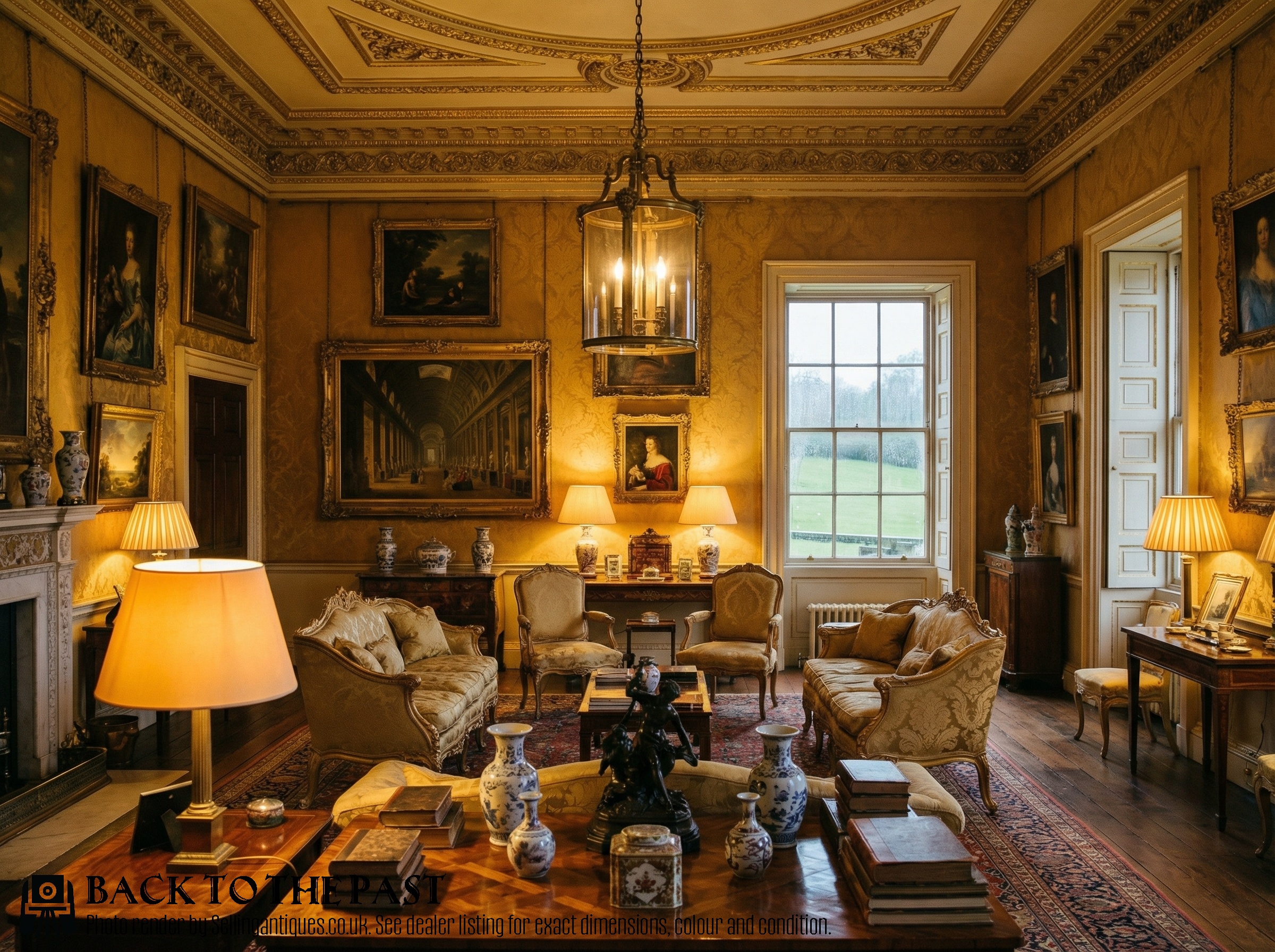
These fixtures suit entrance halls, corridors, and high-ceilinged vestibules where pendant lighting serves as a central focal point. Their enclosed frames keep bulbs protected in transitional spaces with regular movement.
Ensure adequate ceiling height is available so the lantern clears head height while remaining properly proportioned to the room volume.
How do I date a brass hall light?
Dating relies on stylistic clues, such as heavy Victorian casting versus lighter Edwardian proportions or 1920s French neoclassical lines. Materials like opaline glass or specific gilt finishes also help anchor the piece to a particular decade.
Examining construction techniques, including the fixings and wiring access points, provides further context regarding the manufacturing period.
Are these lanterns electrified?
Many surviving examples have been adapted for modern electricity, often featuring multiple internal light sockets to adequately illuminate a space. Some retain older fittings that require professional inspection or rewiring before domestic installation.
Checking the interior setup confirms whether the fixture is ready for modern ceiling suspension.
What is the difference between brass and gilt bronze?
Brass is an alloy of copper and zinc, possessing a naturally bright yellow metallic appearance that can be polished or patinated. Gilt bronze uses a copper and tin base that is subsequently coated in gold, offering a richer golden tone.
Bronze items generally feature sharper cast detail due to the superior casting properties of the metal.