

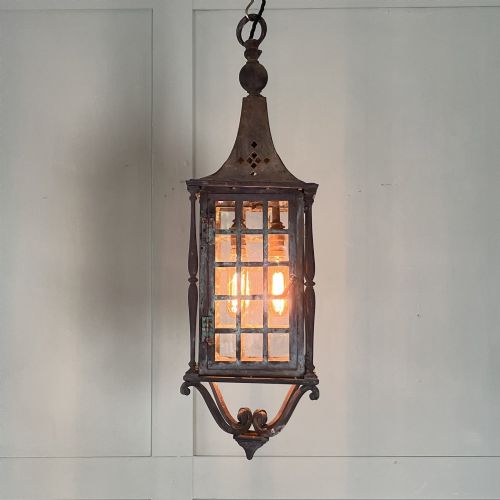
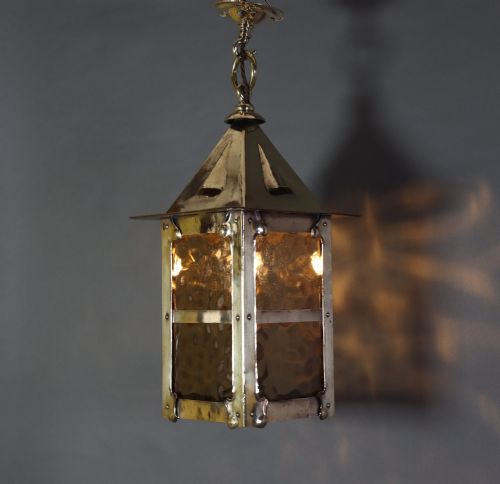
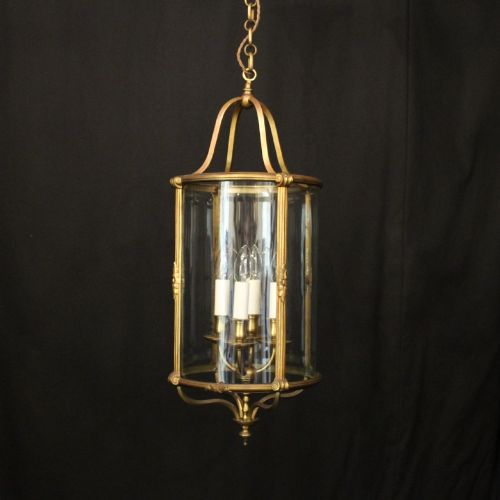
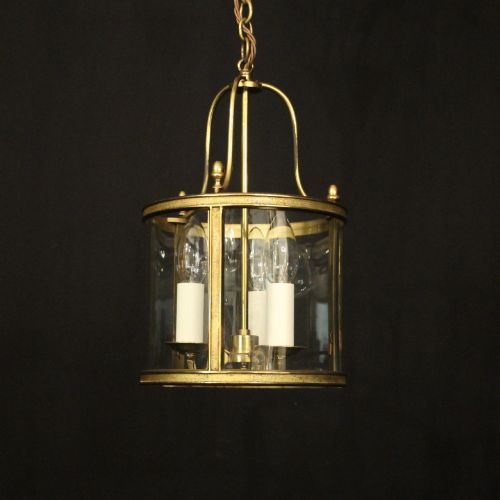
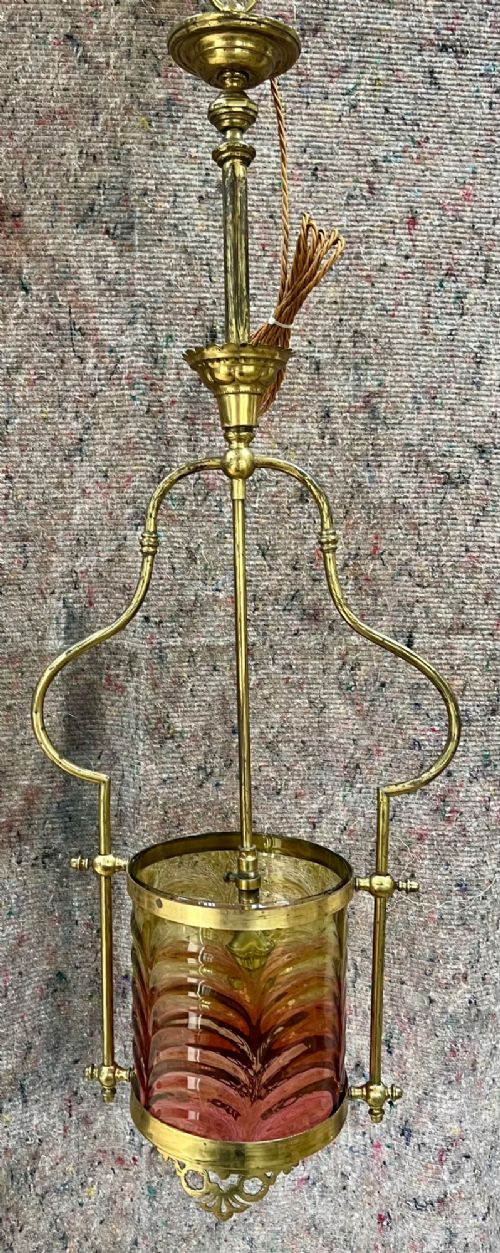
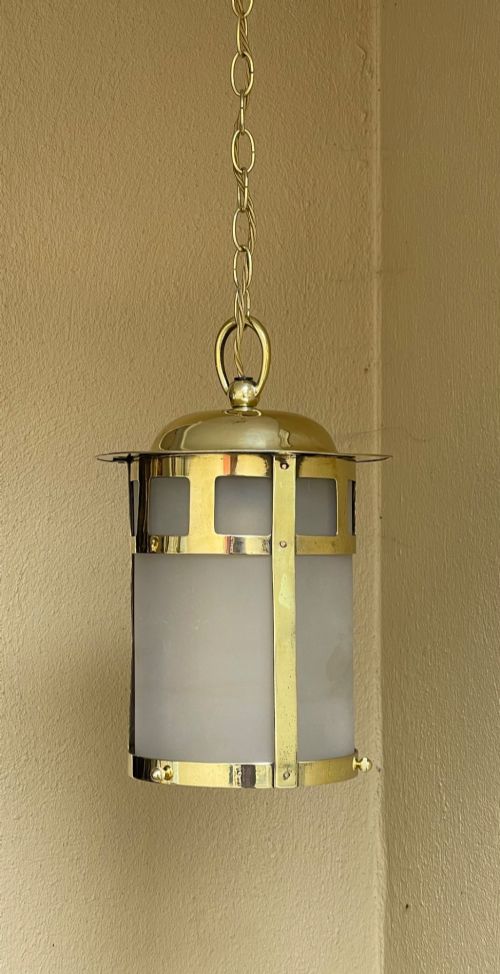
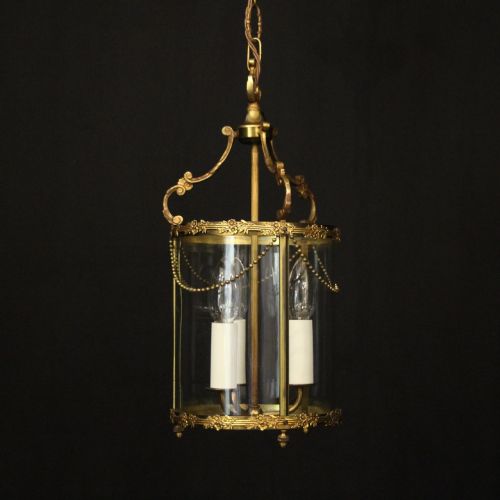
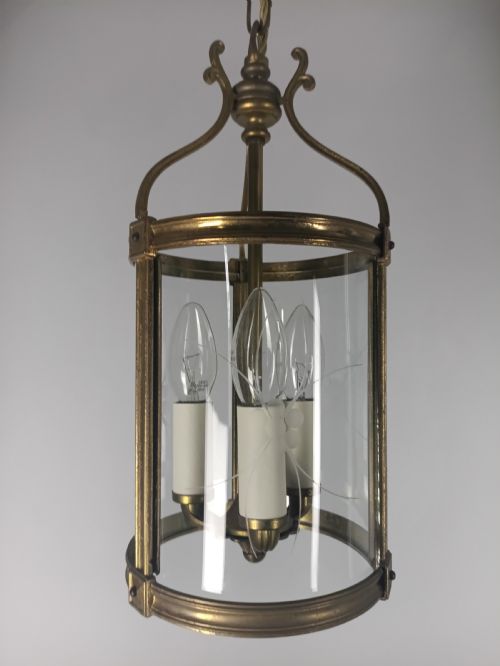
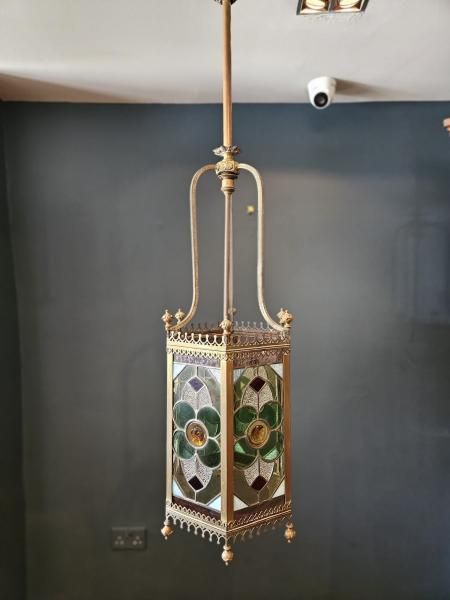
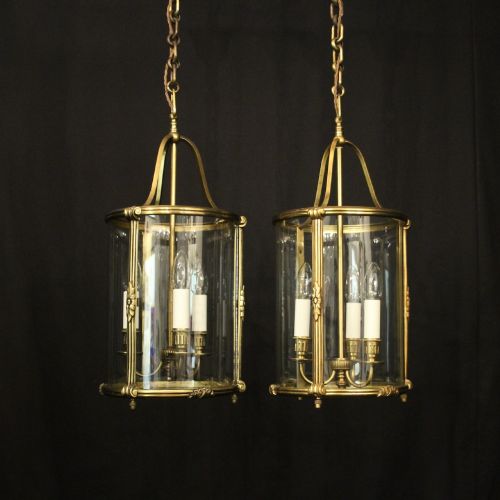
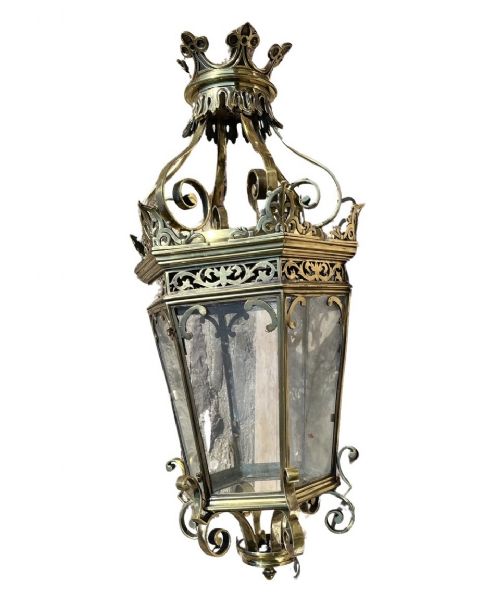
Vintage Brass Hall Pendant
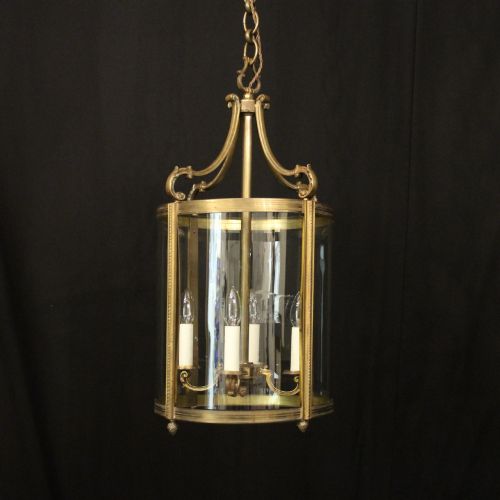
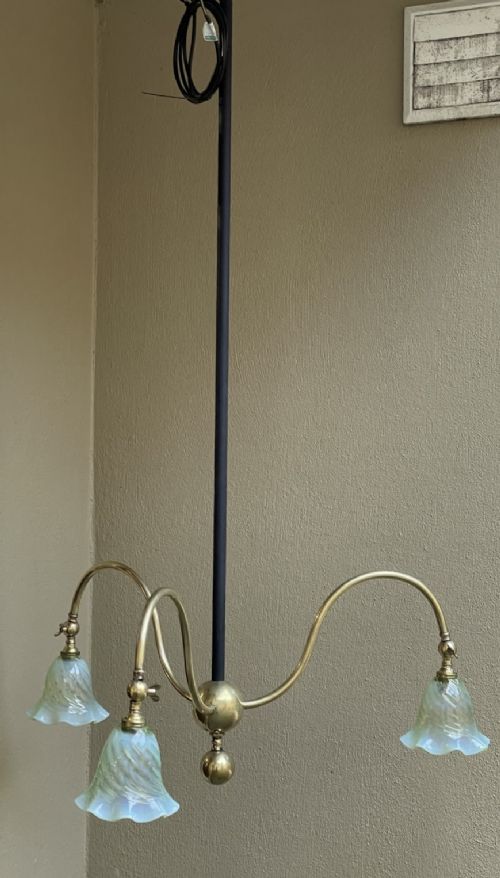
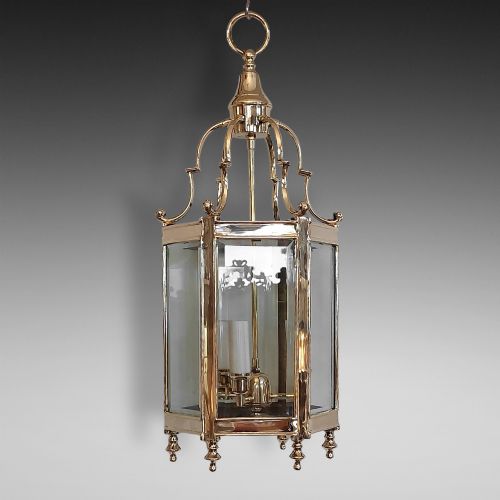
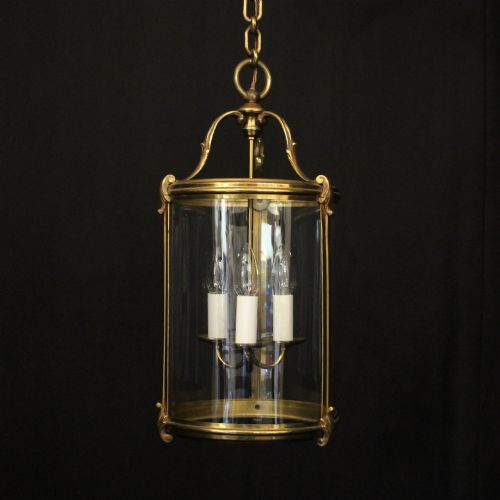
A vintage brass hall pendant brings immediate architectural presence and warm illumination to an entranceway through period metalwork and glass.
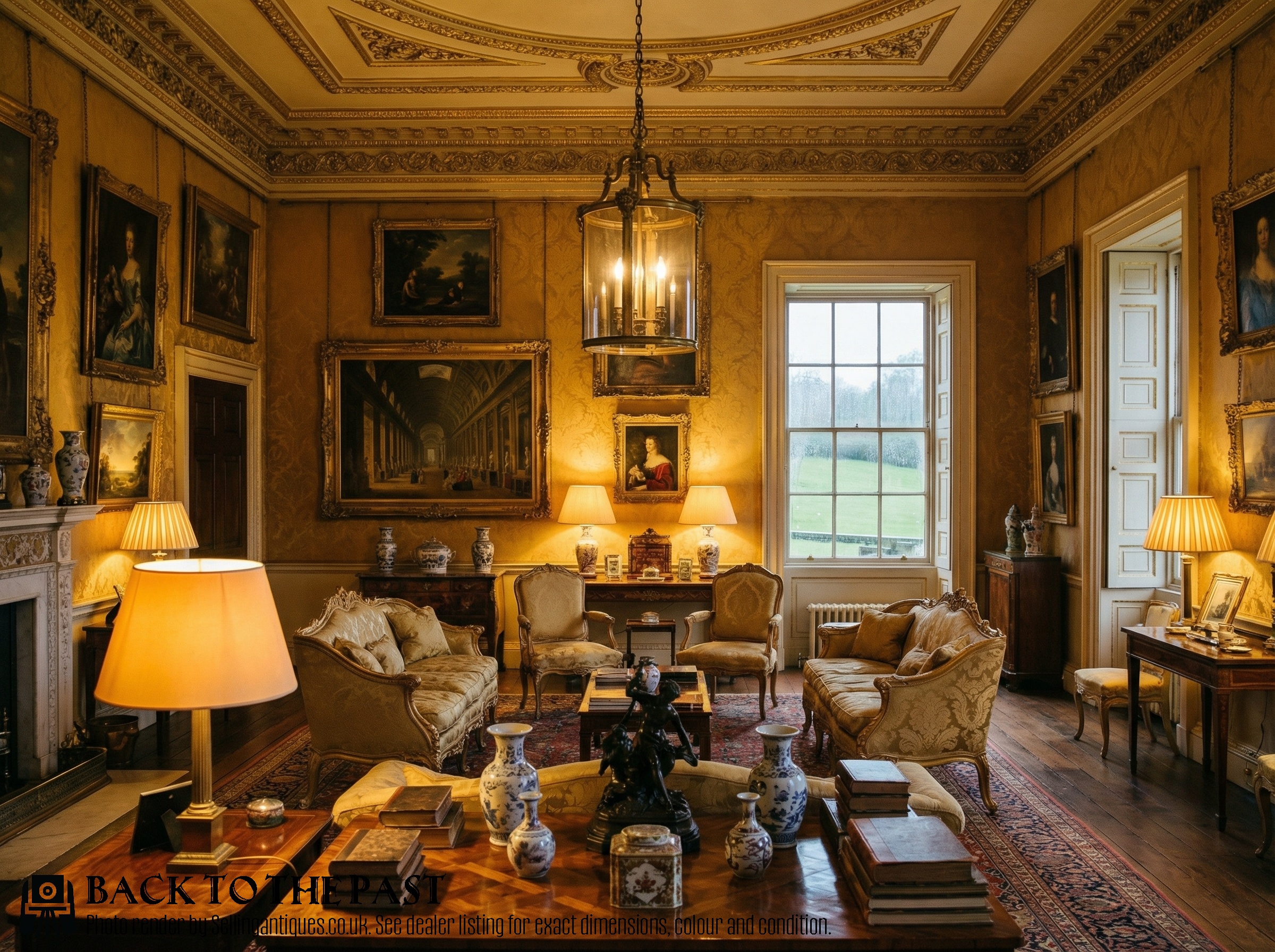
Vintage Brass Hall Pendant
A vintage brass hall pendant encompasses hanging lanterns, ceiling lights, and hall lanterns designed to light narrow entrance spaces. When searching for a vintage brass hall pendant, buyers encounter pieces originating from the Victorian, Edwardian, and early twentieth-century periods.
The selections span English designs, including Arts and Crafts examples, alongside French chateau and neoclassical models. Hexagonal and square frames dominate the forms, suspended by chains or rods from ceiling roses.
Makers utilised brass, gilt bronze, and bronze to construct structural cages that house various configurations of glass panels. These fixtures functioned practically to illuminate dark vestibules while offering decorative refinement to guests upon entry.
Materials and construction methods
Workshops formed the rigid frames of these hanging lights using cast or sheet brass, bronze, and gilt bronze. Metal components were joined mechanically or soldered to create secure housing for the glass elements.
Glazing methods varied from simple bevelled panes to leaded stained glass, etched glass, and convex or hand-blown bullseye glass panels. Smiths and glassblowers worked in tandem to produce lanterns capable of withstanding hallway drafts while diffusing candlelight or early electric illumination.
Listings incorporate designs from the 1860s through the 1930s, featuring brass, bronze, and bevelled or leaded glass.
Distinctions in construction and design
The calibre of a hanging lantern rests upon the weight of the metal frame and the complexity of its casting. Heavier bronze or thick brass frameworks maintain structural rigidity better over decades of hanging.
Glass selection divides standard production from finer pieces. Hand-blown bullseye panes, heavy bevelled edges, and complex etched patterns require greater skill from artisans than flat, uniform glass panels.
The Vintage Brass Hall Pendant Glossary
- Hall lantern
- A ceiling-suspended light fixture specifically scaled for entrance halls, vestibules, and corridors. These fixtures often feature enclosed glass panels to protect the internal light source.
- Gilt bronze
- Bronze metal treated with a thin layer of gold or gold-coloured alloy via fire gilding or electroplating. This finish imparts a warm, reflective lustre that resists tarnishing.
- Convex glass
- Curved glass panels shaped outward to catch and refract light across a wider angle. This technique enhances the visual depth of the fixture.
- Bulls eye glass
- A circular piece of glass featuring a prominent central thick point left by the glassblowing pontil rod. It creates distorted, organic refractions when set into a lantern door.
- Leaded glass
- Individual pieces of glass joined together by narrow strips of lead came to form geometric or pictorial panels. This technique is common in Arts and Crafts and Gothic Revival pieces.
Vintage Brass Hall Pendant: Frequently Asked Questions
How do I hang a heavy brass hall pendant?
Hanging requires secure anchorage into ceiling joists using a rated hook capable of supporting the combined weight of the metal frame and glass panels.
Professional electrical installation ensures the internal wiring safely connects to the household supply through the matching ceiling rose.
What periods do these pendant lights come from?
The inventory spans the Victorian, Edwardian, and early twentieth-century eras, extending from the late nineteenth century through the 1930s.
Stylistic cues such as Gothic Revival motifs or Art Nouveau curves help date individual examples alongside construction methods.
Can these antique lanterns be wired for modern electricity?
Most surviving fixtures arrive already electrified or accept standard modern lamp holders fitted discreetly inside the frame.
Rewiring allows older hanging lights to meet current electrical safety standards while preserving their original external appearance.
How do I clean antique brass and glass?
Dust metal frames gently with a dry microfibre cloth to preserve patination rather than polishing them to a bright shine.
Glass panels can be removed or wiped in place using a mild glass cleaner applied to a cloth to avoid dampening old soldered joints.