

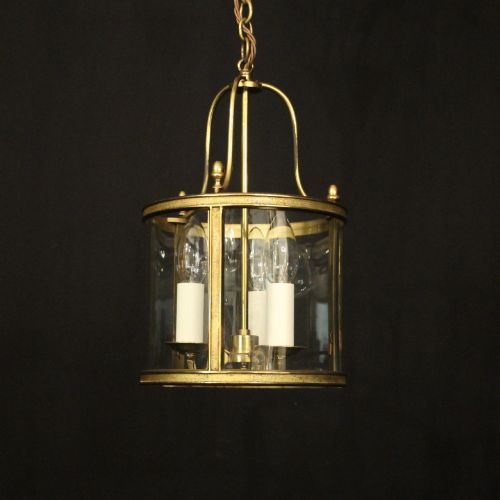
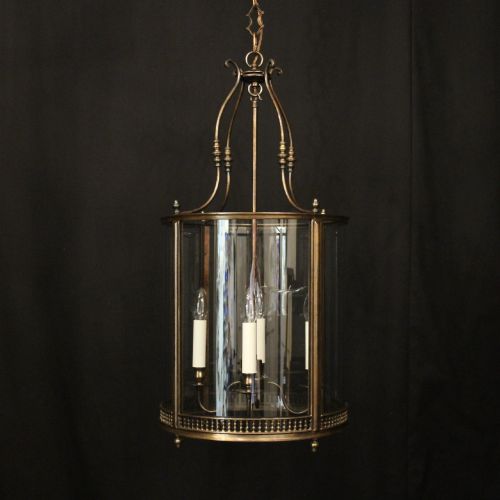
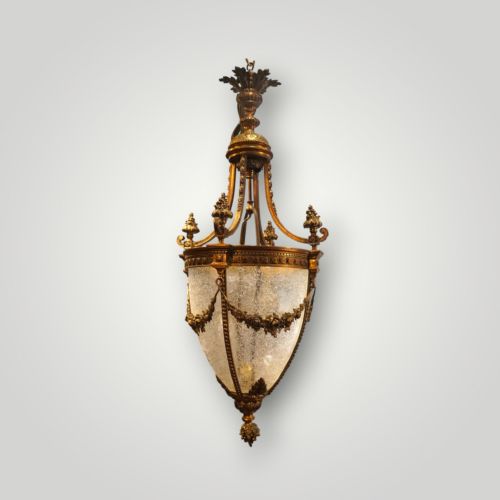
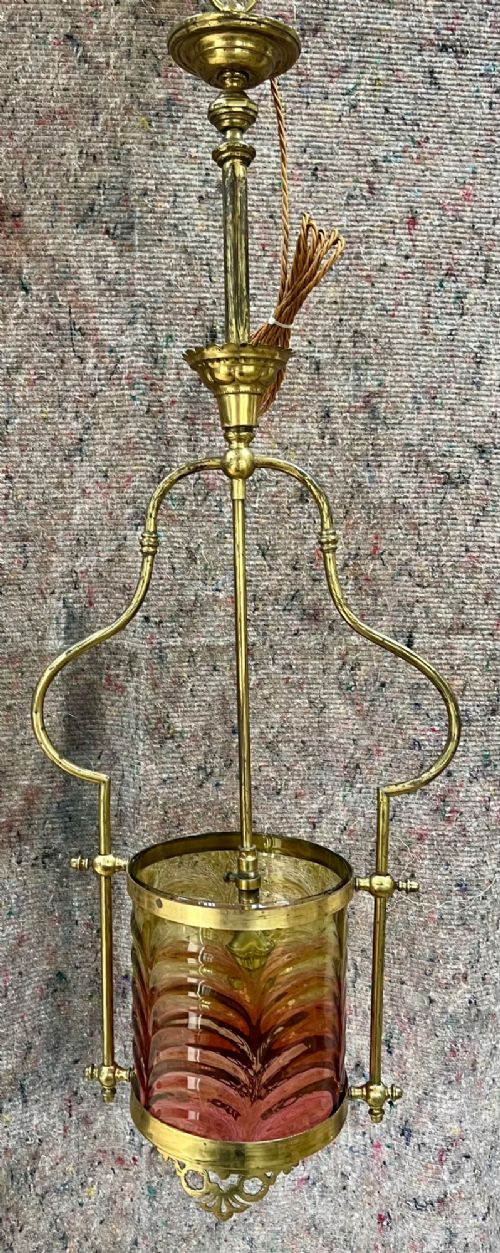
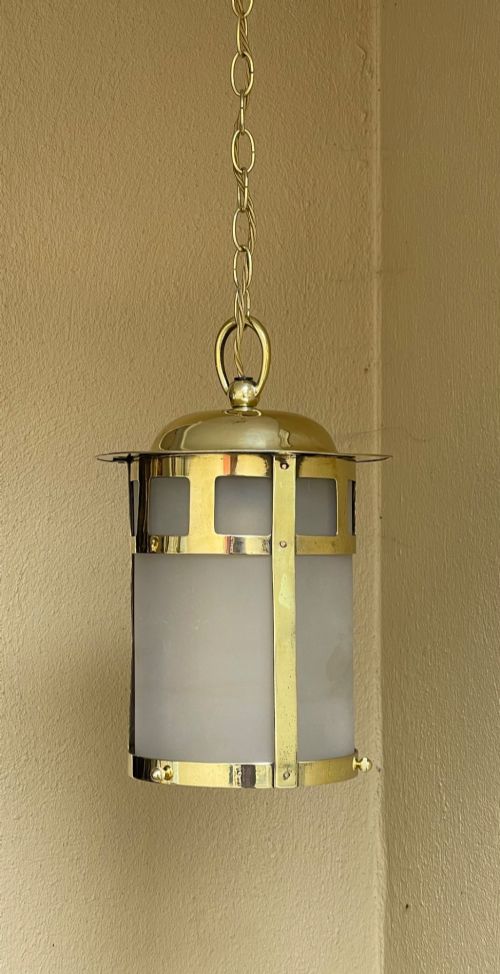
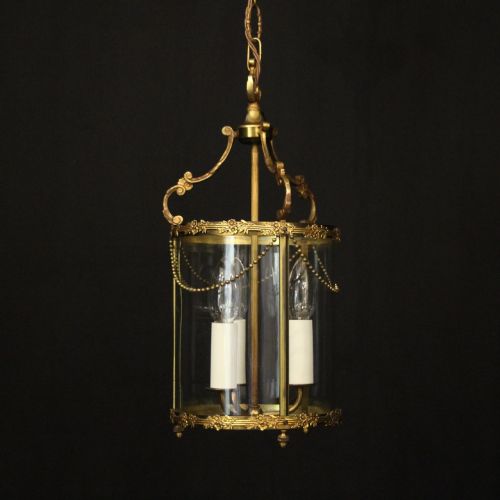
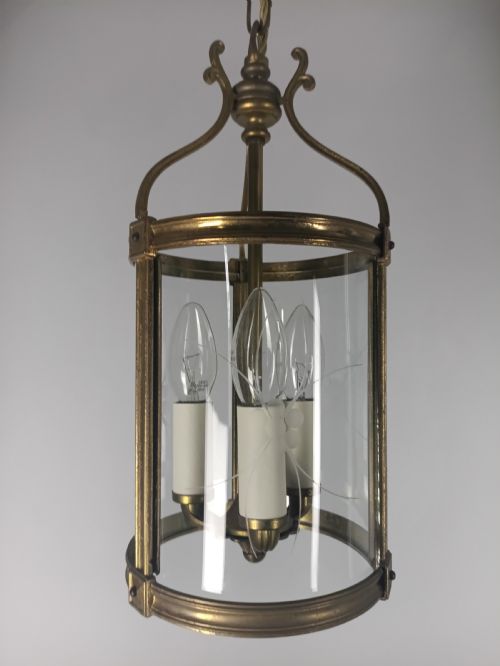
Antique Glass Hall Lantern
An antique glass hall lantern lights an entranceway with a warm, period character that modern reproductions simply cannot replicate.
What an antique glass hall lantern is
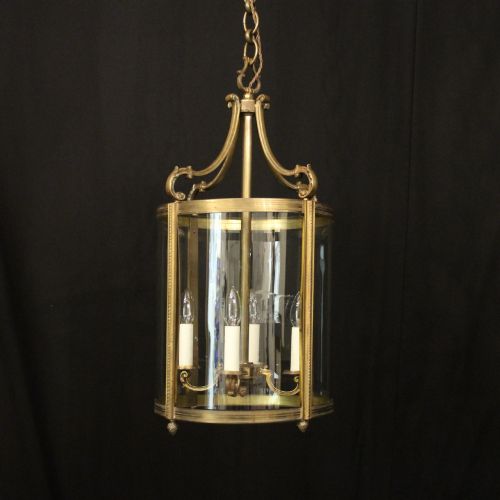
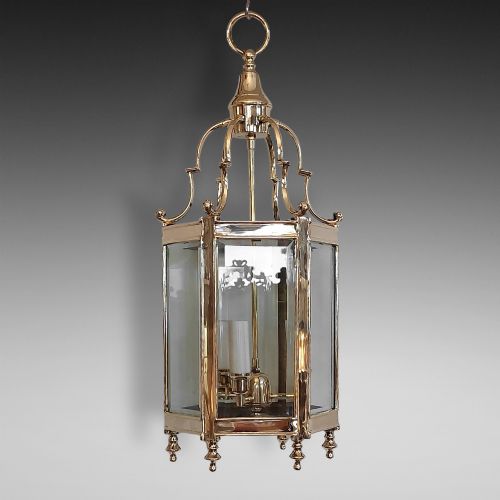
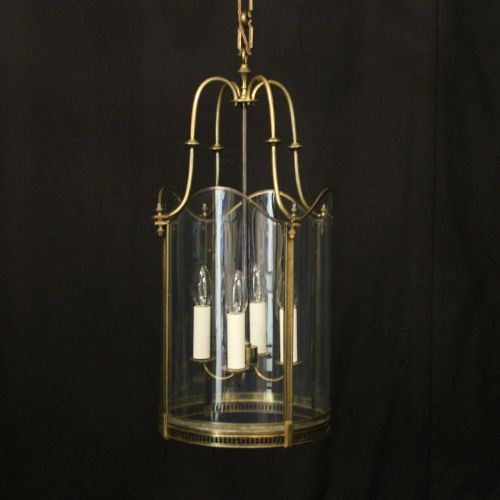
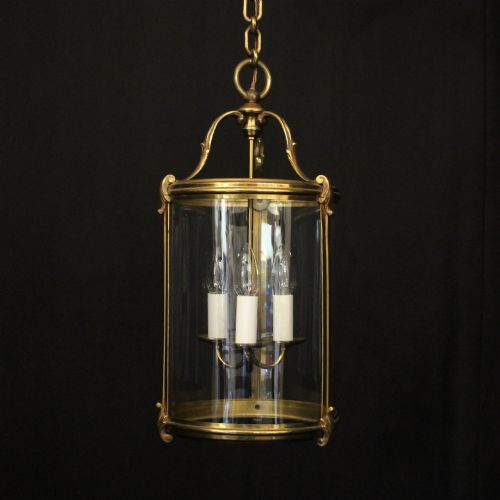
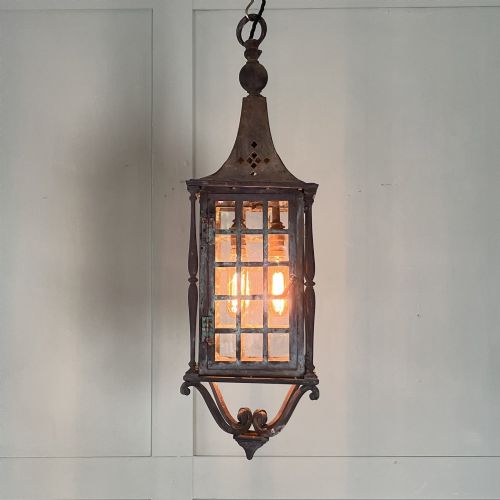
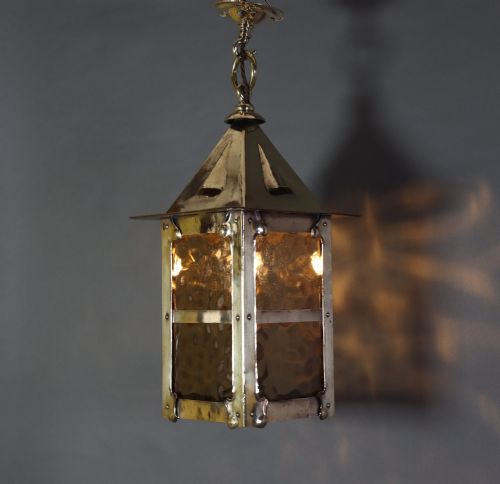
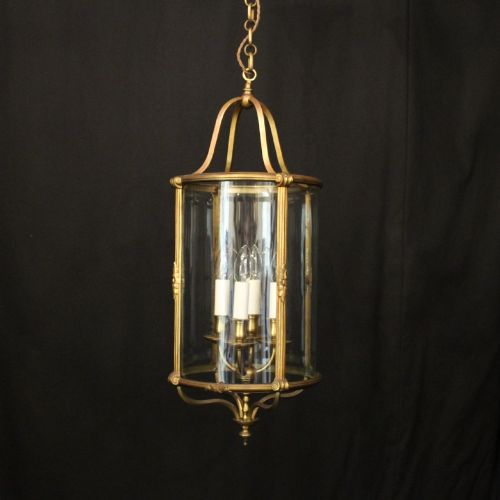
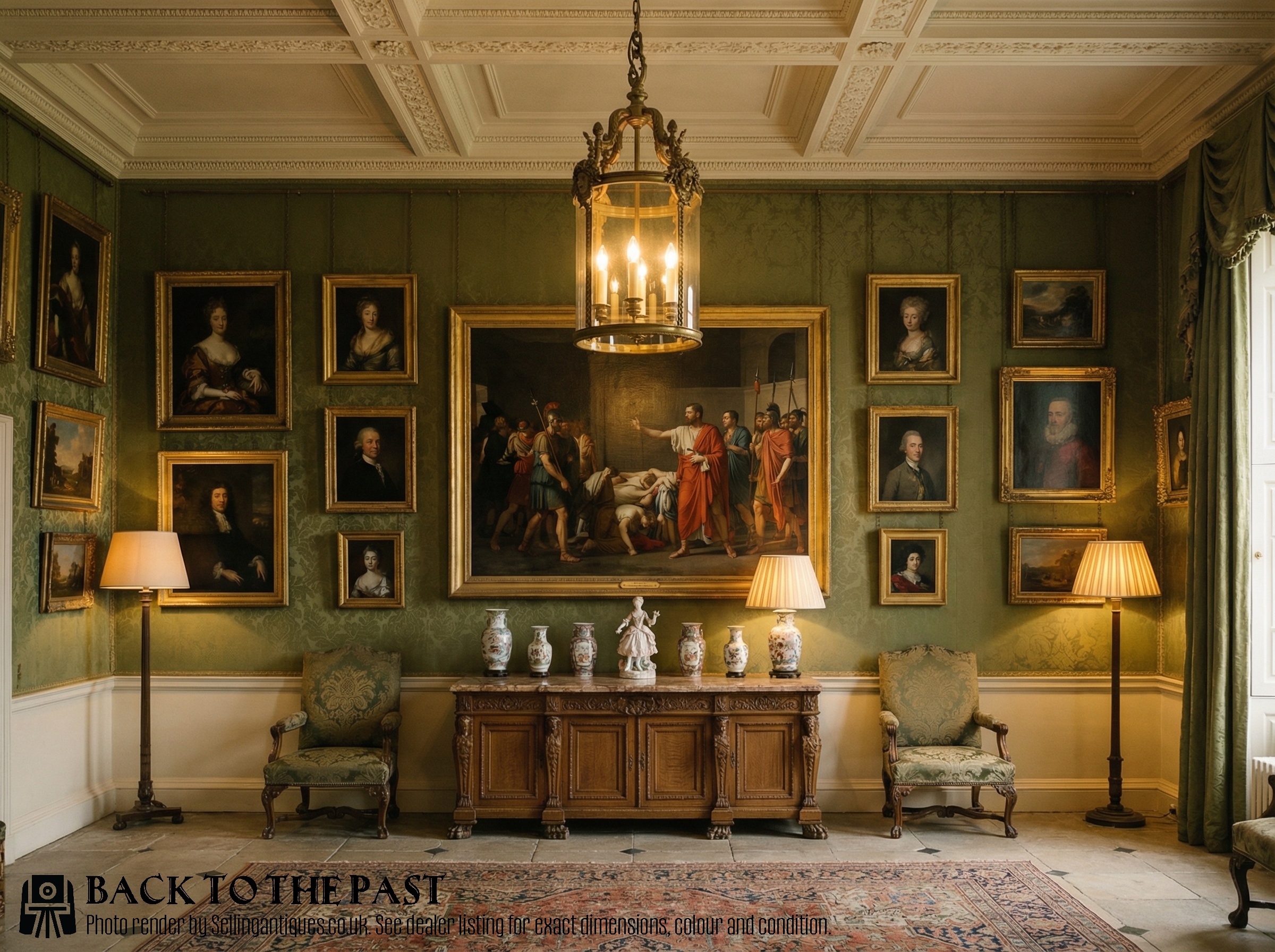
An antique glass hall lantern is a ceiling-suspended lighting fixture designed specifically for corridors, vestibules, and entrance spaces. These pieces combine functional illumination with decorative presence, welcoming visitors from the moment they step inside a home. The pieces found here range from substantial Victorian designs to lighter early twentieth-century examples.
Forms vary from multi-light fixtures to simpler hanging pendants with curved, leaded, or opalescent glass panels. A buyer searching this phrase is looking for an authentic period statement piece that suits narrow spaces with high ceilings. Most examples met here date from the nineteenth century up through the nineteen-thirties.
How they were made
Makers constructed these lanterns using robust metal frameworks of brass, bronze, cast iron, or wrought iron to support the weight of the glass and lighting components. Gilded and polished finishes added surface brilliance, reflecting the available light within enclosed hallways. Structural elements often incorporated decorative casting and forging techniques suited to each specific design style.
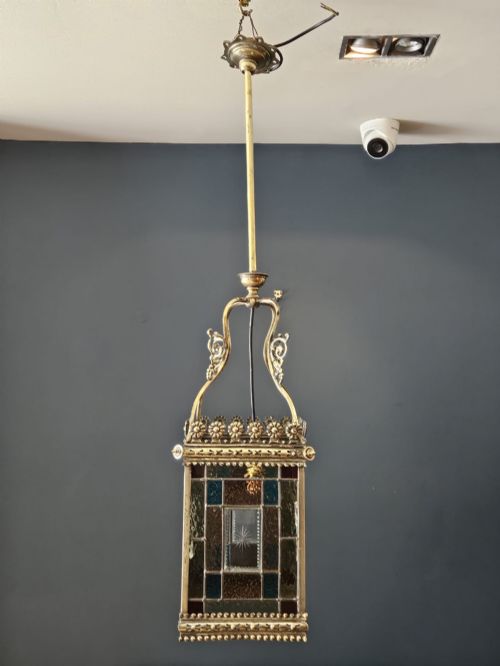
The glass elements themselves display significant variety, including opalescent, stained, leaded, Bristol blue, cranberry, and curved glass panels. Artisans cut, shaped, and fitted these glass panels tightly into metal channels or secured them with glazing bars. Each material choice governed how the fixture diffused light into the surrounding entrance space.
Retail Price Guide 2026
Typical UK retail prices for glass hall lantern, calculated from the Sellingantiques database of over a million retail prices indexed since 2003. This retail price guide relies exclusively on Sellingantiques data; no external sources or auction records are used, so the figures do not describe the wider market.
Some Victorian hall lanterns feature rich cranberry glass designed to make every visitor look delightfully sunburnt before they even take off their coat.
What varies in quality
Quality in these lanterns rests upon the weight and purity of the metal casting, alongside the complexity of the decorative detailing. Heavier bronze and brass frameworks with crisp, chased ornamentation sit at the upper end of the scale compared to simpler iron or lighter brass constructions. The integration between the metal frame and the glass panels demonstrates the maker's precision.
The character of the glass further distinguishes finer examples, particularly where specialised techniques like opalescent, stained, or flashed colours are employed. Well-balanced proportions and harmonious stylistic references, such as balanced French Neo-Classical mounts or considered Arts and Crafts leadwork, separate standard utility lighting from superior decorative works.
The Antique Glass Hall Lantern Glossary
- Opalescent glass
- Glass that has a milky, semi-translucent appearance, diffusing light softly without direct glare. This material appears frequently in Arts and Crafts lighting.
- Gilded bronze
- Bronze metal treated with a thin layer of gold leaf or gold paint applied to the surface. It offers a rich, enduring metallic sheen.
- Bristol blue
- A deep, vibrant cobalt blue glass historically produced in English manufacturing centres. It was often utilised in Victorian decorative household items.
- Leaded glass
- Individual pieces of glass held together by strips of lead cames, forming geometric or pictorial patterns. This technique provides both structure and visual division.
- Wrought iron
- Iron that has been heated and hammered into shape by hand, resulting in a textured, durable material. It is typical of heavier, decorative hanging frames.
Frequently Asked Questions
Where should I hang a hall lantern?
These lanterns suit entrance halls, vestibules, and stairwells with sufficient vertical clearance. They provide focused overhead illumination while serving as a decorative focal point upon entry.
Ensure the ceiling height allows adequate clearance beneath the fixture so passers-by move underneath comfortably without obstruction.
How do I identify French styles?
French hall lanterns often incorporate classical motifs, gilt bronze mounts, and stylistic references to Rococo or Neo-Classical design traditions. These pieces tend to emphasise ornate metalwork and balanced architectural proportions.
English equivalents frequently display alternative construction methods, such as leaded panels or Arts and Crafts ironwork.
What glass types are common?
Listings feature clear, curved, opalescent, stained, Bristol blue, and cranberry glass panels. Each type changes how the internal bulbs diffuse light across the hallway walls.
Coloured or opalescent variants offer softer, warmer tones compared to clear glass alternatives.
How do I date an antique lantern?
Dating relies upon stylistic cues, material combinations, and manufacturing techniques recorded across Victorian and early twentieth-century examples. Victorian pieces often use cast iron or specific coloured glass, whereas nineteen-twenties models favour polished brass and simpler suspension.
Comparing structural details against documented period pieces helps narrow down the decade of production.