
Antique Glass Flask
When you search for an antique glass flask, you encounter pocket spirit carriers, vanity scent bottles and travelling decanters spanning the nineteenth and early twentieth centuries.
Antique Glass Flask
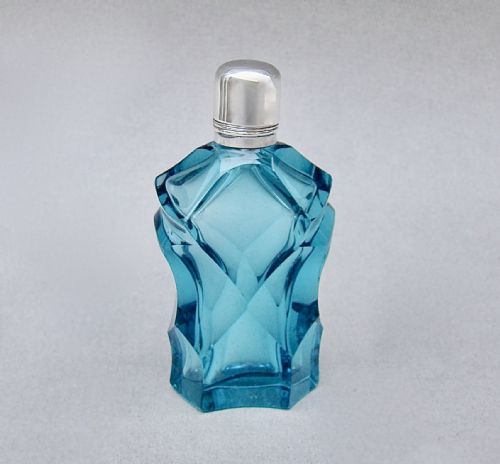
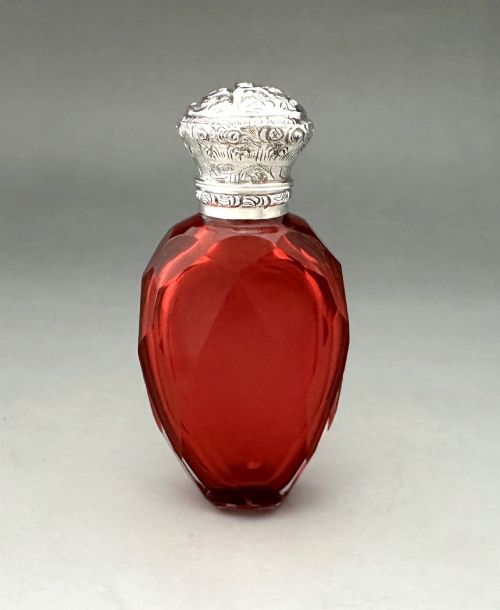
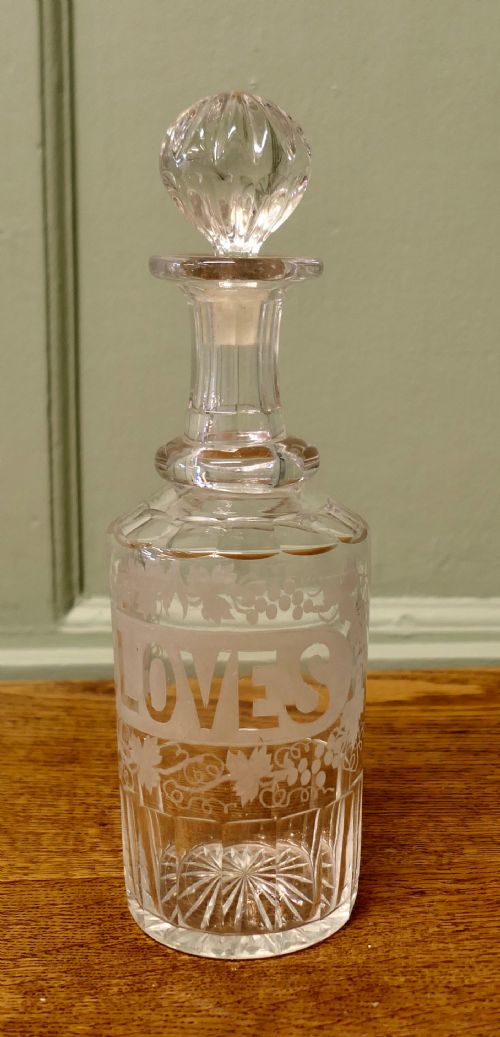
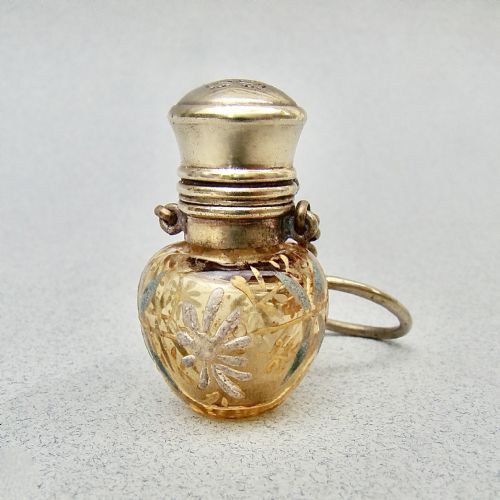
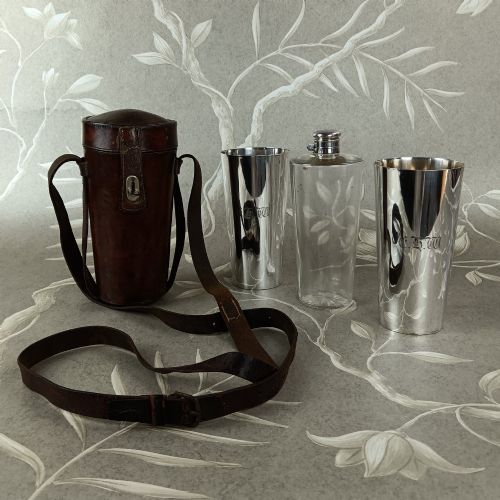
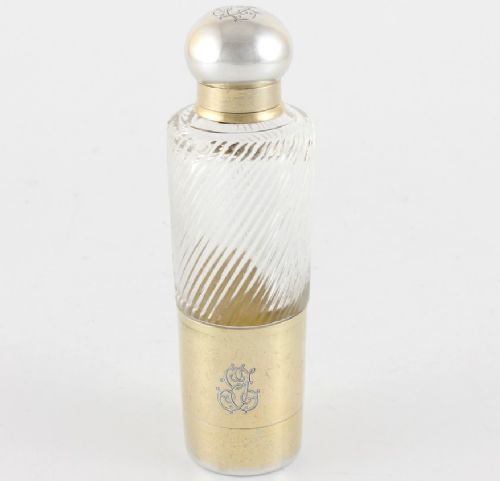
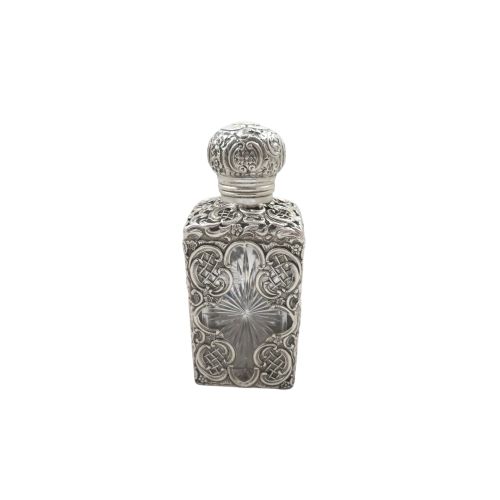
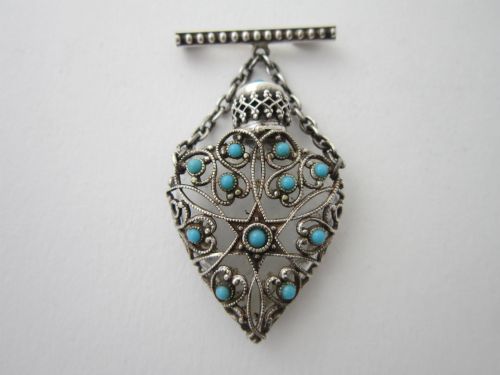
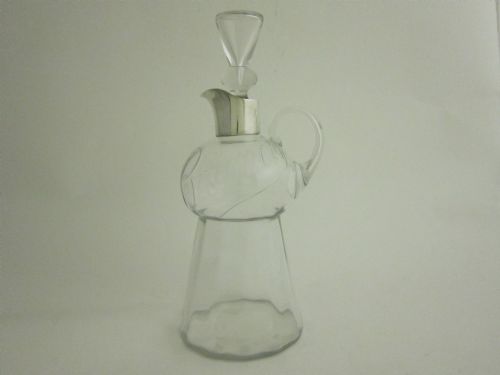
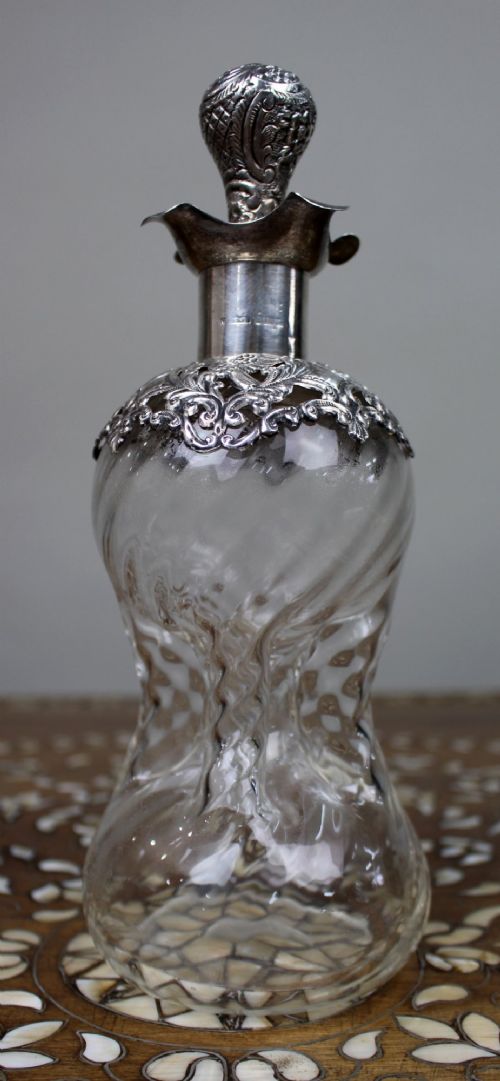
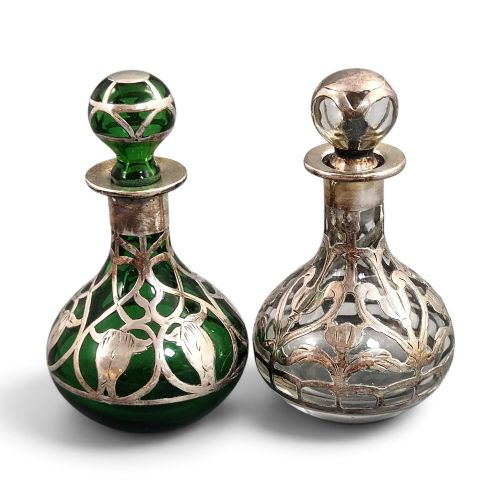
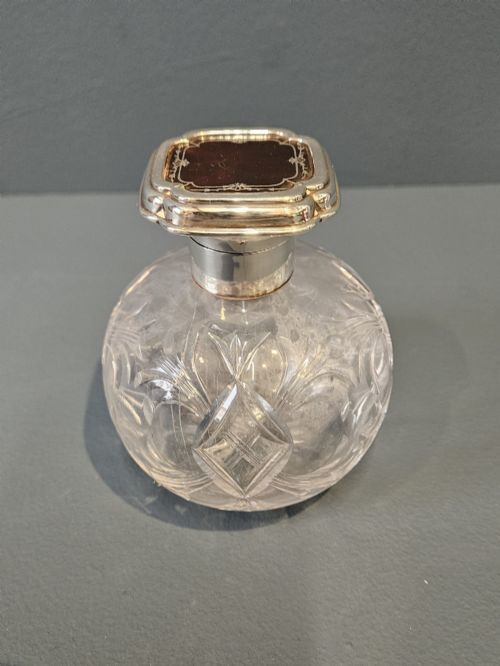
An antique glass flask encompasses a diverse array of domestic and personal vessels designed to hold liquids securely, from pocket-sized spirit containers to dressing table perfume bottles. When you examine an antique glass flask on this page, you frequently encounter Victorian and Edwardian examples featuring sterling silver mounts, cut glass bodies or leather cases.
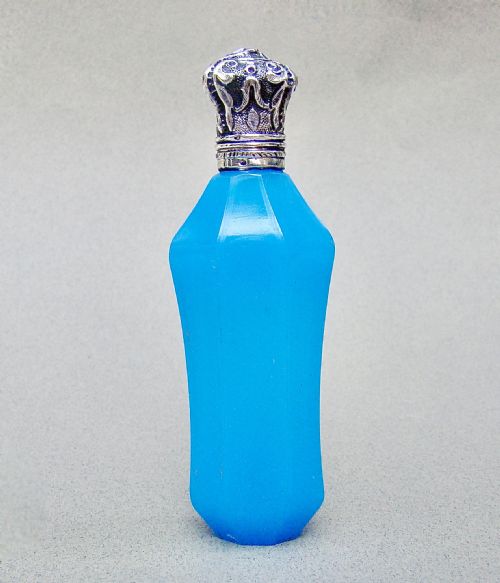
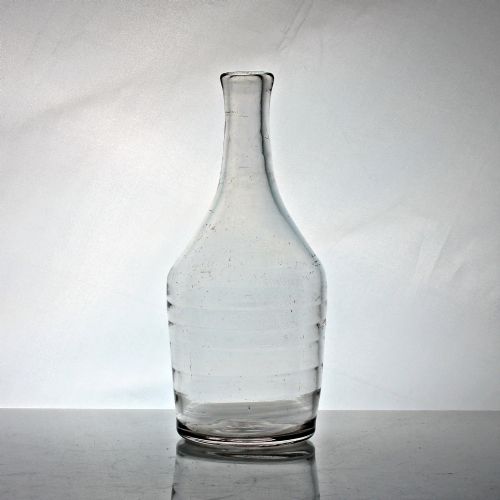
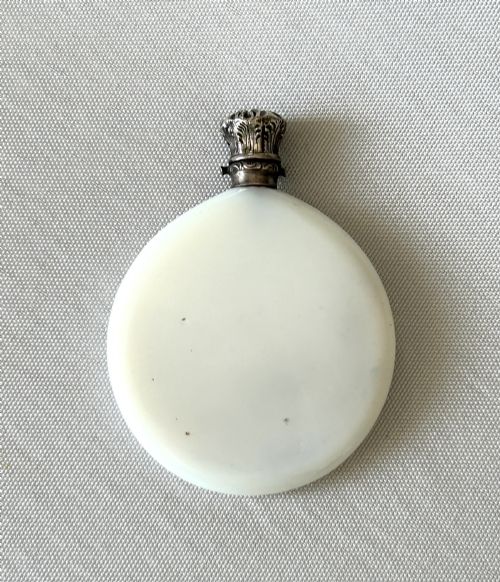
The selection ranges from Georgian shoulder carafes and Nailsea glasswork to French opaline scent bottles, chatelaine companions and heavy silver-mounted hip flasks intended for field campaigns or hunting. Makers utilised coloured glass including cranberry, ruby, teal, cobalt and amethyst alongside clear crystal to create functional items that doubled as decorative vanity accessories.
How they were made
Glass bodies were formed through blowing, moulding, or cutting, producing faceted, panel-cut, or smooth surfaces that caught the light. Craftsmen then fitted these vessels with mounts of sterling silver, silver plate, or gilt ormolu, frequently securing them with hinged caps or screw closures.
Many portable examples required protective elements, integrating leather cases, tortoiseshell holders, or delicate enamel work. Decorative techniques such as etching, enamelling, and silver overlay were applied by specialised workshops across Britain, France, and Bohemia.
Antique Glass Flask Retail Price Guide 2026
Typical asking prices for glass flask among the pieces listed under this phrase on Sellingantiques today, from the lower quarter to the upper quarter. They describe what is for sale here now, not the wider market.
Listings feature eighteenth-century Georgian pieces alongside nineteenth-century Victorian and Edwardian examples, incorporating materials from tortoiseshell and leather to cranberry glass.
What varies in quality
Quality in these vessels rests upon the clarity and weight of the glass, the precision of the hand-cut facets, and the substance of the metal mounts. Superior pieces exhibit crisp hallmarks, substantial sterling silver collars that fit flush to the glass, and undamaged interior stoppers.
James Dixon And Sons·Gorham·Asprey London·Karl Palda·Harold Bushell And Co
The Antique Glass Flask Glossary
- Chatelaine scent bottle
- A small container suspended from a belt hook or chatelaine, allowing a Victorian lady to carry perfume easily during daily activities.
- Gimmel flask
- A double-chambered glass vessel joined together, traditionally used to hold two different liquids or spirits simultaneously.
- Nailsea glass
- Glassware produced in Somerset known for its distinctive loop or splattered milk-glass decoration, often taking the form of pocket flasks.
- Sterling silver mount
- The protective collar and cap assembly fashioned from regulated silver, fitted to the neck and base of a glass bottle.
- Vinaigrette
- A small hinged container housing a pierced grille, saturated with aromatic vinegar to counteract unpleasant odours.
Antique Glass Flask: Frequently Asked Questions
What is an antique glass flask used for?
These vessels served various domestic and personal purposes, functioning primarily as portable spirit containers for hunting and travel, or as dressing table bottles for perfumes and medicinal liquids.
Smaller pocket versions fitted neatly into leather cases or attached to clothing, while larger decanters and carafes remained stationary on sideboards or desks.
How do I clean an antique glass flask?
Cleaning requires warm water and mild dish soap, avoiding harsh scrubbing or abrasive tools that could scratch delicate internal surfaces or damage historical glass.
Metal mounts require careful polishing with a soft cloth, keeping cleaning pastes away from vulnerable glass bodies, leather casings, and antique cork linings.
Are sterling silver mounts marked?
British silver mounts usually feature hallmarks stamped directly into the metal, indicating the assay office, standard of silver, and date letter corresponding to the year of manufacture.
Foreign pieces, particularly those from France or Bohemia, often display continental control marks or maker's stamps on the gilt or silver ormolu collars.
How do I identify a Victorian flask?
Victorian examples typically present heavy cut crystal bodies paired with hallmarked sterling silver tops, reflecting the manufacturing output of Birmingham and London silversmiths between eighteen thirty-seven and nineteen hundred.
Stylistic cues such as heavy facet-cutting, etched floral motifs, and fitted leather travel cases point firmly toward this period of production.