





Antique Glass Cover
These antique glass cover pieces protect delicate objects, house butter or cheese, and display cherished curiosities beneath clear blown or cut domes.
Antique Glass Cover
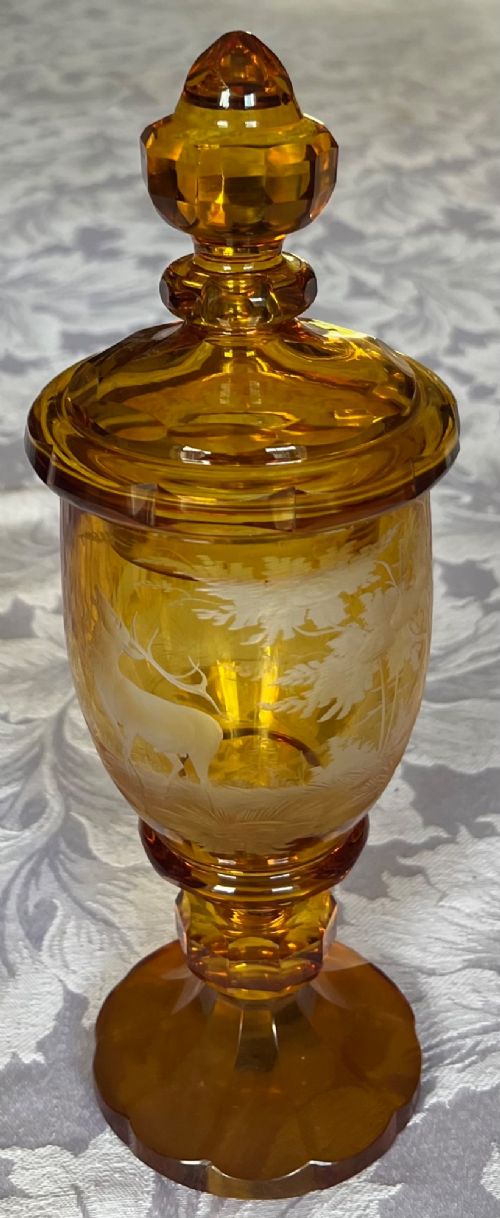
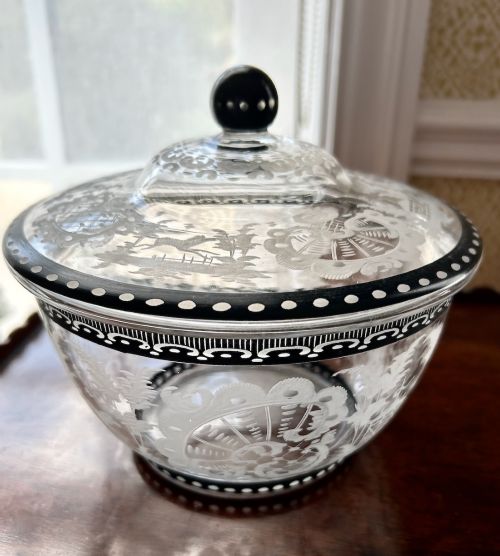
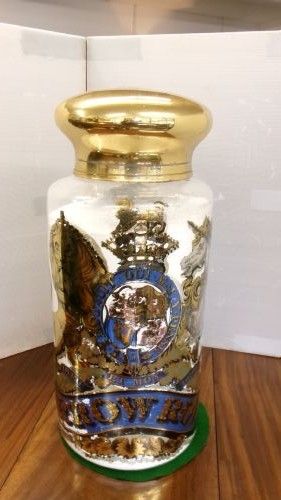
When you search for an antique glass cover, you encounter a varied selection of utilitarian vessels and protective display enclosures. These pieces range from butter dishes and apothecary jars to large display domes and cloches designed to safeguard clocks, taxidermy, and botanical specimens.
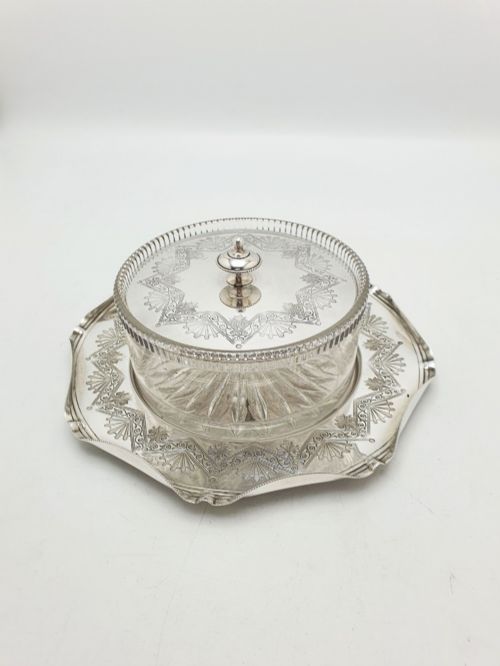
The domestic forms include sugar bowls, mustard pots, and cheese dishes intended for the dining table, often paired with silver plate or ceramic elements. Meanwhile, the larger display covers sit upon bases of ebonised wood, oak, beech, or pine to preserve intricate ornaments and collections.
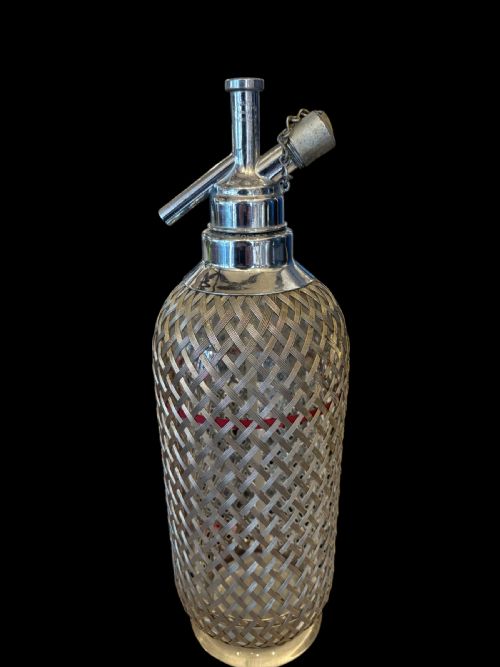
The pieces span the Georgian, Victorian, and Edwardian eras, alongside later twentieth-century examples such as Art Deco cheese dishes and soda syphons. English and Continental workshops produced these items to meet the domestic and scientific demands of their respective periods.
Materials and Techniques
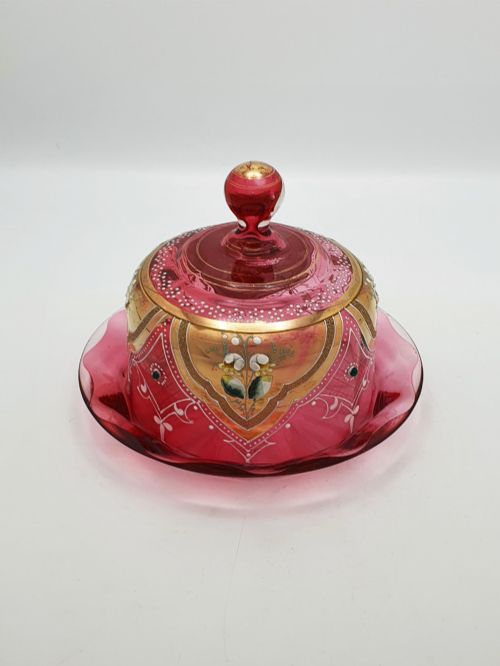
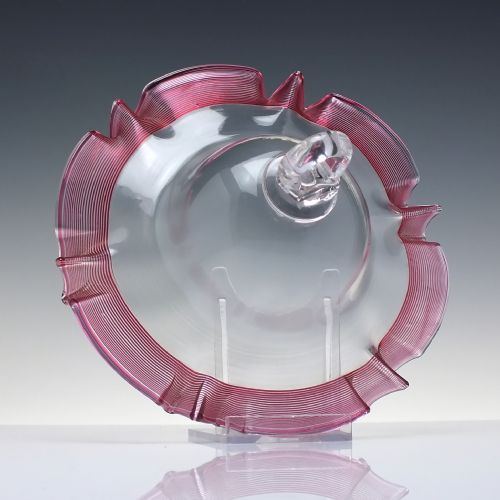
Makers utilised clear glass, cut glass, lead crystal, and coloured varieties like cranberry, ruby, and latticinio glass. Vessels and domes were blown, moulded, or wheel-cut to achieve decorative facets, engraving, and smooth profiles.
Wooden bases utilise ebonised wood, oak, beech, pine, and leather bindings, frequently accompanied by silver plate, copper, enamel, and fabric components. Metal mounts and fitted covers complement the glass elements to create sturdy, functional ensembles.
Several domes were apparently tasked with guarding taxidermy specimens through the decades, quietly outliving the birds and beasts beneath them.
Gradations of Quality
The calibre of a piece rests upon the clarity and weight of the glass, the depth and precision of any cut or engraved detail, and the integrity of the fitted base. Heavy lead crystal and crisply faceted cut glass distinguish the finer tableware.
For display domes and cloches, the uniformity of the glass thickness and the quality of the timber or ebonised base dictate the overall standard. Original components, such as matching glass liners in butter dishes or undamaged wooden display bases, elevate the piece.
Baccarat·Salviati·James Dixon And Sons
The Antique Glass Cover Glossary
- Cloche
- A bell-shaped glass cover used traditionally in gardening to protect plants or indoors as a food cover. These transparent shields protect contents from dust and environmental wear.
- Display Dome
- A large glass cover designed to sit over clocks, taxidermy, or ornaments upon a wooden base. They preserve delicate three-dimensional objects from damage.
- Latticinio
- A decorative glass technique involving opaque white or coloured glass threads embedded within clear glass. It creates delicate net-like patterns across bowls and covers.
- Cut Glass
- Glass shaped and patterned by grinding and polishing facets onto the surface. This process enhances the brilliance and weight of the vessel.
- Sweetmeat Dish
- A small covered vessel designed to hold confectioneries, sweetmeats, or nuts during formal dining. They often feature decorative cut or engraved glass covers.
Antique Glass Cover: Frequently Asked Questions
What were glass display domes used for?
These large glass covers protected delicate items such as taxidermy specimens, botanical collections, and mantel clocks from dust and atmospheric damage.
They allowed Victorian households to showcase complex ornaments safely while keeping them visible on wooden display bases.
How do I care for antique glass covers?
Clean the glass gently using mild soapy water and a soft cloth, avoiding harsh abrasives that might scratch older surfaces.
Protect wooden bases and metal mounts from excessive moisture and direct sunlight to preserve the original finish.
How can I tell a Victorian dome from an Edwardian one?
Victorian examples often feature heavier ebonised wooden bases and tall, ovoid proportions tailored for taxidermy and clocks.
Edwardian pieces frequently employ lighter woods like oak or beech and display slightly more refined, streamlined profiles.
What is the difference between a cloche and a display dome?
A cloche typically refers to a smaller glass cover originally intended for food service or plant protection, sometimes paired with metal or ceramic elements.
Display domes are generally larger covers engineered specifically to sit atop dedicated wooden plinths for ornamental showcases.