




Antique Clock Cloche
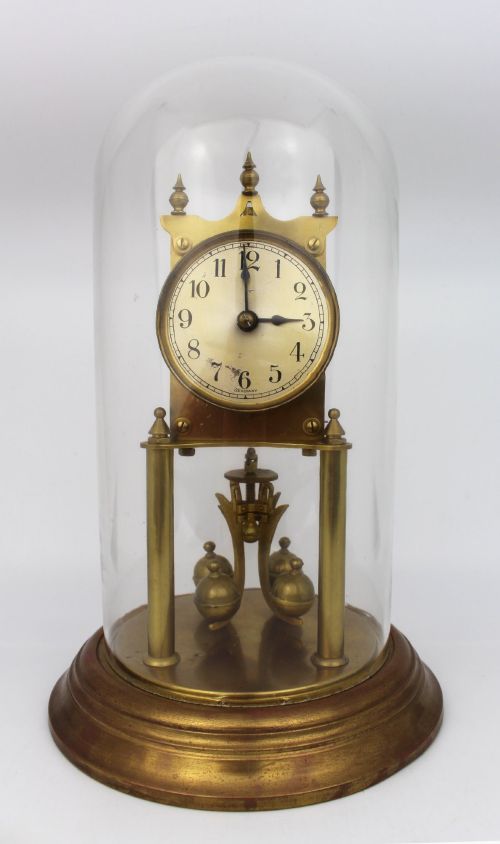
An antique clock cloche protects delicate horology beneath clear blown glass, offering both clear viewing and dust defence for your mantel timepieces.
Antique Clock Cloche
When you search for an antique clock cloche, you encounter protective glass covers designed to house various timepieces and delicate objects. These enclosures preserve intricate mechanisms from dust and damage while maintaining full visibility.
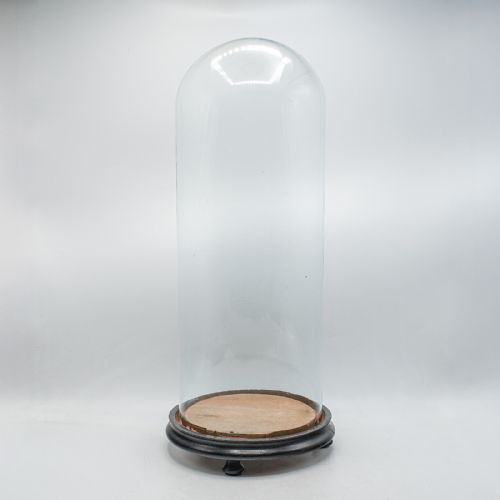
The selections span multiple eras including the Victorian and Edwardian periods, stretching from the mid nineteenth century into the twentieth century. Forms range from simple circular vessels to tall ovoid specimens and large oval collector housings.
English and French origins dominate the inventory, accompanied by traditional horology and styles such as Victorian Gothic and Napoleon III. Many examples incorporate wooden bases made from timber or ebonised wood to support the heavy glass covers securely.
What varies in quality
The clarity and weight of the glass distinguish superior pieces from standard examples, with older blown covers often showing subtle bubbles and gentle thickness variations. Heavy, well-formed glass provides better optical definition and superior structural integrity.
Base construction reflects the standard of manufacture, particularly the quality of the timber, ebonised wood, or brass mouldings. Fitted grooves, stable feet, and original fabric or velvet linings indicate careful regional craftsmanship.
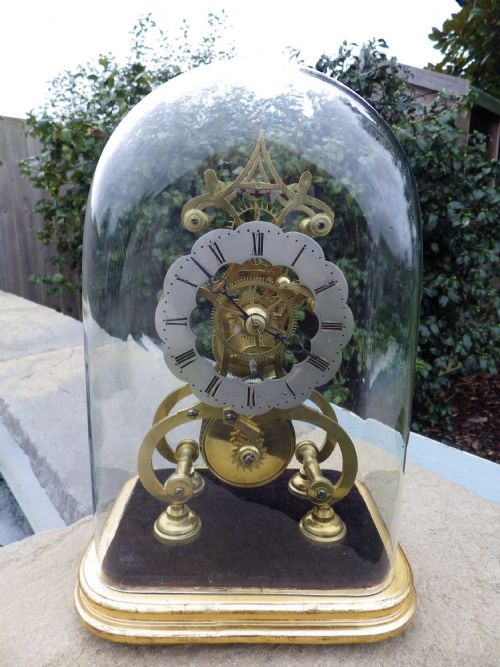
Some nineteenth century glass covers spent decades guarding stuffed birds before finally being reunited with a proper skeleton clock.
BULLE
The Antique Clock Cloche Glossary
- Cloche
- A bell shaped glass cover used originally in gardening and later adapted to protect clocks and delicate specimens. This transparent vessel shields internal movements from ambient dust.
- Fusee skeleton clock
- A timepiece revealing its gear trains and wheel work openly within the case. These mechanisms rely on a fusee cone to maintain even tension as the mainspring unwinds.
- Ebonised wood
- Timber treated with a dark finish to imitate expensive ebony wood. This technique provides a smart, uniform black border for glass display bases.
- Garniture set
- A matching group of decorative ornaments, often comprising a mantel clock flanked by matching urns or side pieces. These arrangements frequently sit together under large glass domes.
- Ovoid
- Egg shaped in profile, describing domes that curve inward gently toward the top. This particular silhouette accommodates tall clock movements or tall decorative displays.
Antique Clock Cloche: Frequently Asked Questions
What fits under a clock cloche?
These glass covers accommodate mantel clocks, carriage clocks, skeleton movements, and anniversary timepieces. They offer sufficient internal height for delicate dials and exposed wheel work.
Beyond horology, many enclosures house botanical specimens or taxidermy displays. The internal space preserves fragile objects from household dust.
Are original wooden bases common?
Many surviving domes retain their original timber, ebonised wood, or pine bases. These platforms often feature shallow grooves to hold the heavy glass securely in place.
Original bases frequently include velvet, felt, or fabric inserts to cushion the bottom edge. Matching the dome to its original base ensures a stable display.
How do I date an antique dome?
Dating relies upon the thickness and bubble distribution within the blown glass, alongside the construction style of the wooden base. Victorian and Edwardian examples show distinct forming techniques.
Accompanied clocks or specific style markers such as Victorian Gothic or Art Deco provide further chronological context. Examining the timber joinery helps confirm the manufacturing era.
Can these domes house taxidermy?
Historical evidence shows these glass covers served dual purposes for clocks and taxidermy specimens. Wide and tall formats accommodated birds, mammals, and botanical displays.
The protective glass maintained specimen condition by blocking moisture and dust. Many surviving Victorian examples retain their original display function.