


Antique Glass Counter
An antique glass counter brings commercial presence and clear display into a room, framing goods through polished timber and glass.
Antique Glass Counter
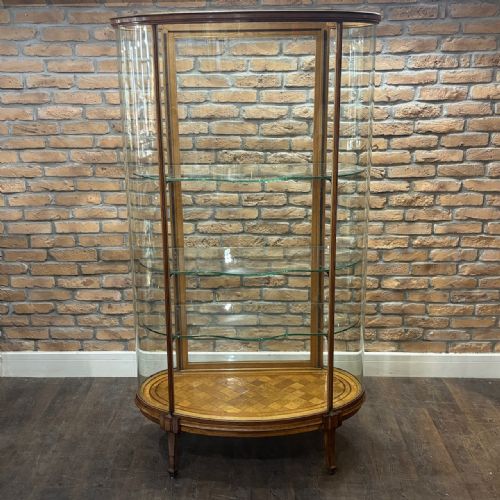
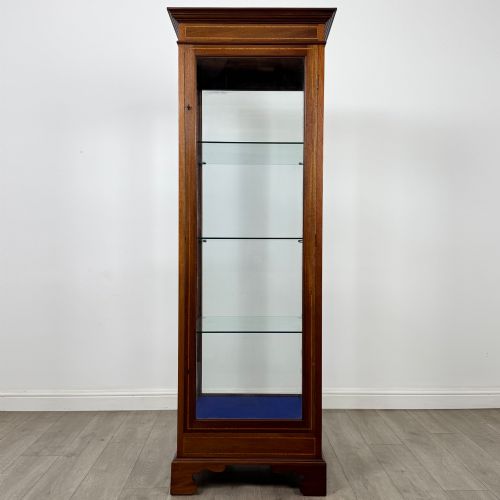
An antique glass counter serves as a structural shop display fixture, combining glazed panels with timber framing to exhibit retail goods. Buyers encounter heavy oak, mahogany, and ebonised frames built for commercial utility during the Victorian, Edwardian, and Art Deco periods.
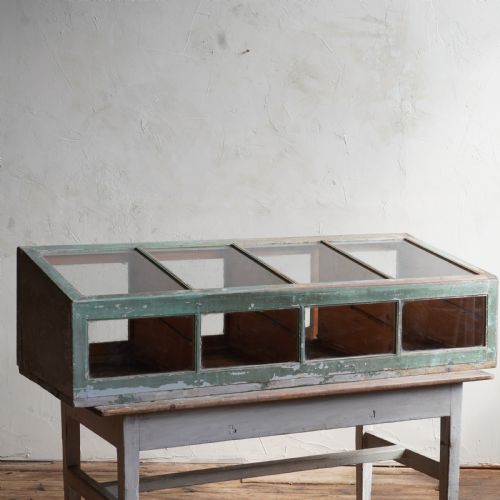
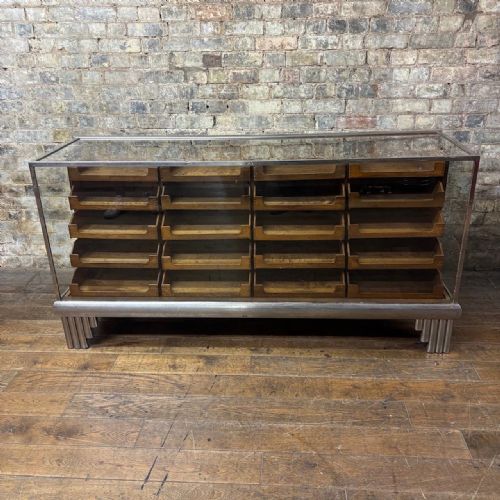
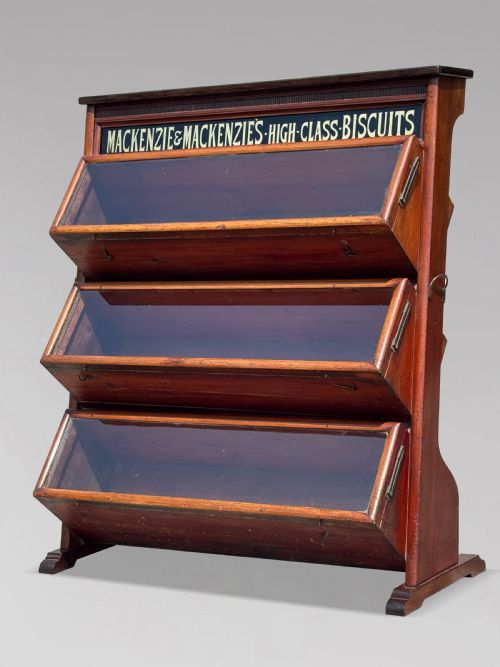
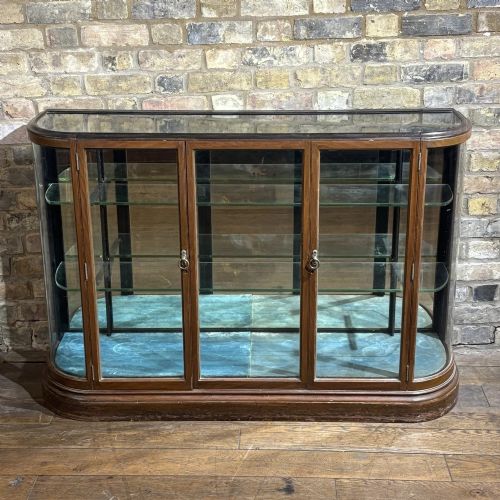
The category spans large freestanding shop counters and compact countertop display cases, alongside specialised haberdashery cabinets and branded chocolate or biscuit display units. These pieces range from simple glazed table tops to complex bow end and pentagonal retail counters.
Origins stretch from the late nineteenth century through the 1930s, reflecting the shift toward professional retail presentation in chemists, grocers, and drapers. Surviving examples retain their original brass hardware, mirrored interiors, and maker plaques.
Materials and construction
Makers built these counters primarily using solid mahogany, oak, and brass frames glazed with thick plate glass to withstand heavy commercial use. Interiors often incorporate mirrored panels to bounce light through the display space and velvet linings to cushion goods.
Later twentieth-century examples introduce aluminium and chrome framing alongside ebonised wood to achieve sleeker Art Deco commercial lines. Brass brackets, hinges, and measuring scales demonstrate the precision engineering applied to commercial hardware.
Joinery methods relied on sturdy dovetailing and robust framing to support heavy glass shelves and sliding or hinged access doors at the rear.
Some counters served specific sweet tooths, preserved as branded chocolate display cabinets for manufacturers like Fry, Cadbury, and Rowntree.
Distinctions in quality
Quality rests in the architectural ambition of the timber frame, distinguishing simple utilitarian boxes from commissioned retail counters with bow ends, inlay, or curved glass. Finer examples bear the metal plaques of established shopfitters rather than anonymous workshop assembly.
The integrity of the original glazing, including curved or bevelled glass panels, separates superior survivals from later replacements. Internal detailing such as mirrored backs, adjustable brass brackets, and original branded advertising lettering elevates a piece beyond standard utility.
F Sage And Co·Dudley And Co·John Stow Ltd·Saml Elliott And Sons
The Antique Glass Counter Glossary
- Vitrine
- A glass display cabinet or case designed for showing fine objects. These freestanding or tabletop units prioritize clear visibility from multiple angles.
- Haberdashery cabinet
- A specialised retail storage unit featuring numerous shallow drawers with glass fronts or pulls. They were utilised for organising sewing threads, buttons, and textiles.
- Bow end
- A display counter or cabinet featuring a curved glass front and matching frame. This shape softens rigid angles and broadens the viewing angle for merchandise.
- Linen tester
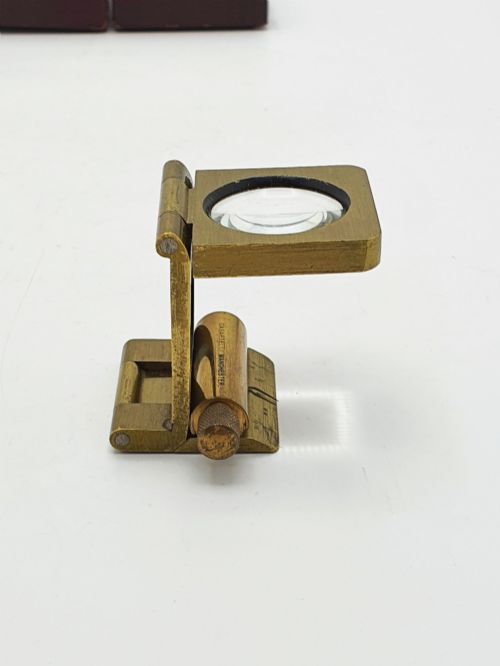
- A small folding magnifying glass or loupe used in textile trades to inspect fabric weaves. These brass instruments often feature built-in measuring scales.
- Apothecary
- A historical term relating to chemists and pharmacists. Countertop cabinets from this trade frequently housed medicines and proprietary remedies.
Antique Glass Counter: Frequently Asked Questions
How do I date an antique glass counter?
Dating relies on combining the timber choice, hardware style, and overarching design period evident in the piece. Victorian examples often feature heavy mahogany or oak, while Edwardian and 1930s pieces introduce chrome, aluminium, and Art Deco geometry.
Maker plaques and branded advertising panels provide precise chronological anchors. Examining the construction of the glass frames and drawer joints further clarifies the decade of manufacture.
What trades used these glass counters?
Grocers, drapers, chemists, and confectioners relied on these counters to protect and market their stock. Branded units specifically served chocolate manufacturers and sewing cotton suppliers to promote goods directly to the public.
Pharmacy and apothecary counters kept delicate remedies visible yet secure behind glass. Haberdashery variants organised small dry goods in shallow drawers beneath glazed display tops.
Are the glass panels usually original?
Many surviving counters retain their original plate glass, though vulnerable panels occasionally required replacement over a century of commercial use. Curved and bow end glass represents particularly specialised original work that demands close inspection.
Signs of age such as minor surface bubbles, waviness, and tiny scratches help confirm authenticity. Replacement glass generally appears flatter and lacks the optical characteristics of older plate production.
How do I clean and maintain timber frames?
Maintenance requires gentle dusting and occasional nourishment with appropriate beeswax to preserve the finish of mahogany or oak. Avoid harsh chemical cleaners that might strip historical patination from the wood or damage surrounding brass hardware.
Glass panels benefit from standard glass cleaner applied sparingly to prevent moisture seeping into wooden joints. Keeping the environment stable protects glued joints and mirrored interior backs from dampness.