
Antique Glass Clock
An antique glass clock combines mechanical precision with transparent elegance, offering a clear view of the intricate gear trains that keep time.
Antique Glass Clock
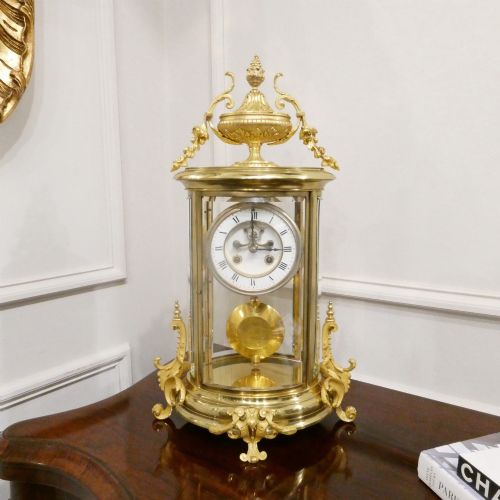
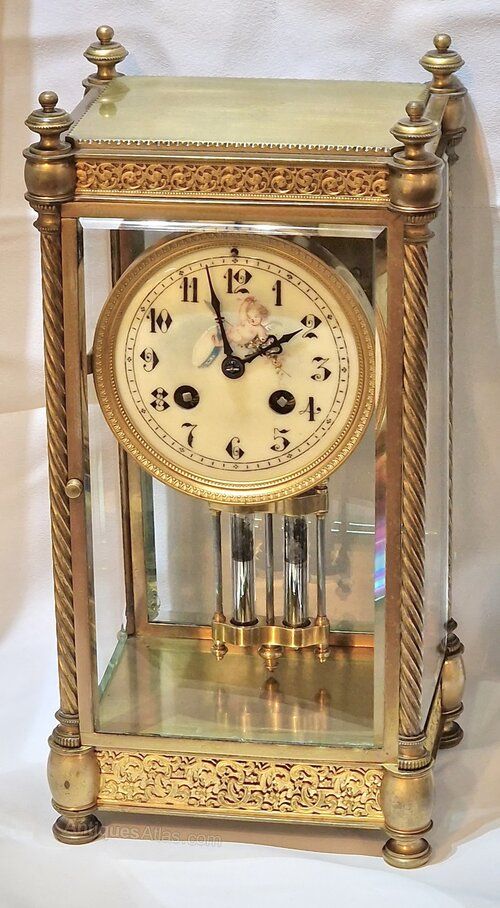
When you search for an antique glass clock, you encounter several distinct formats ranging from domestic mantel timepieces to portable designs. The four glass mantel clock appears frequently, allowing full visibility of the movement through bevelled panes set within brass or ormolu frames.
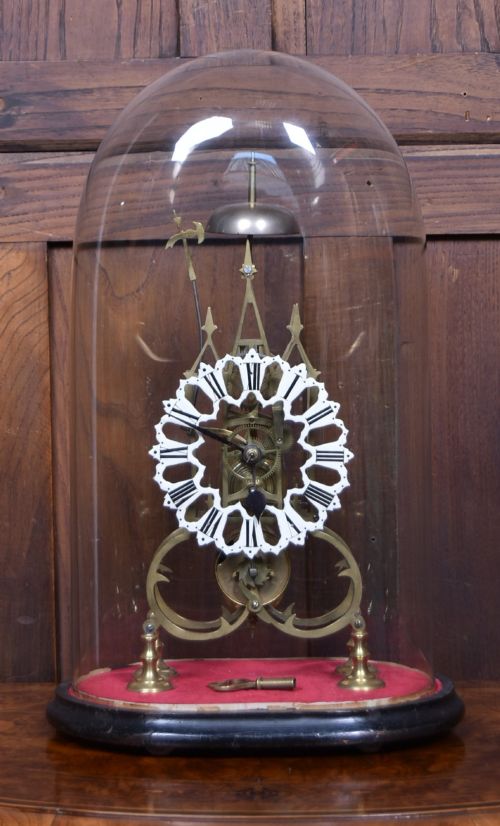
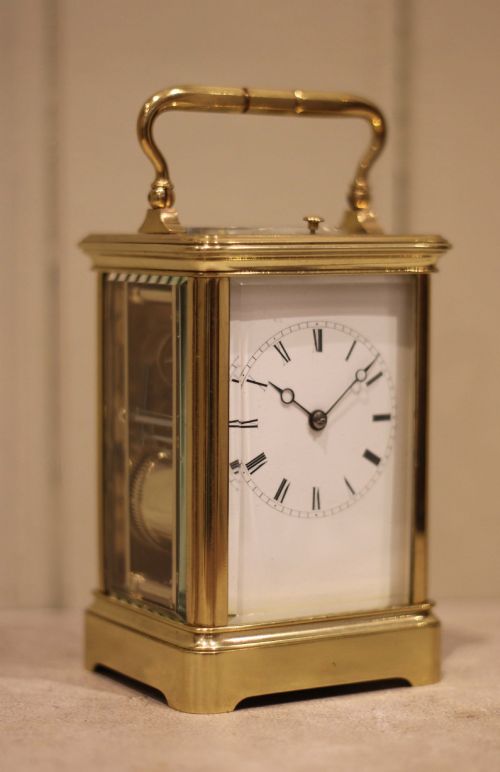
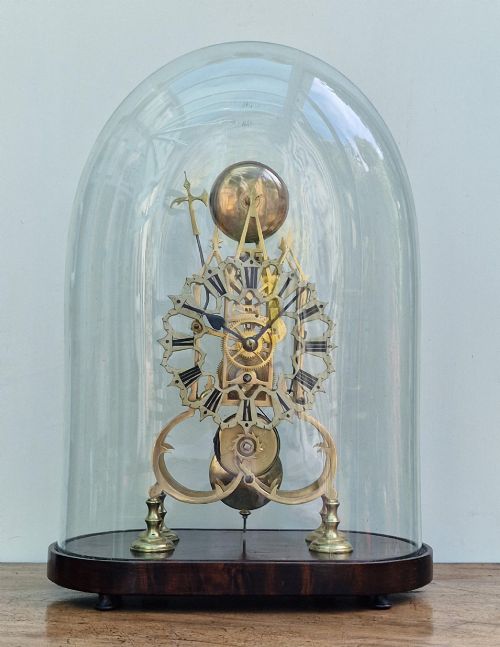
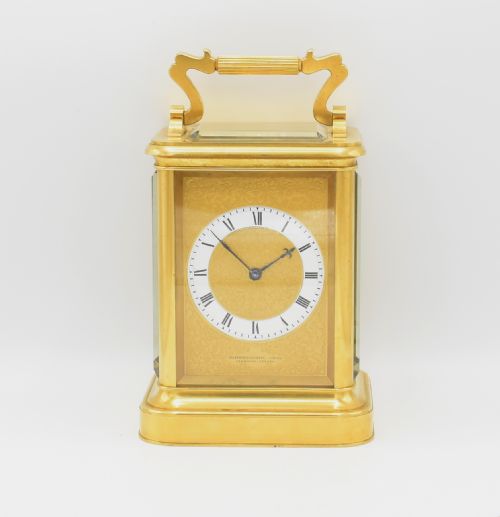
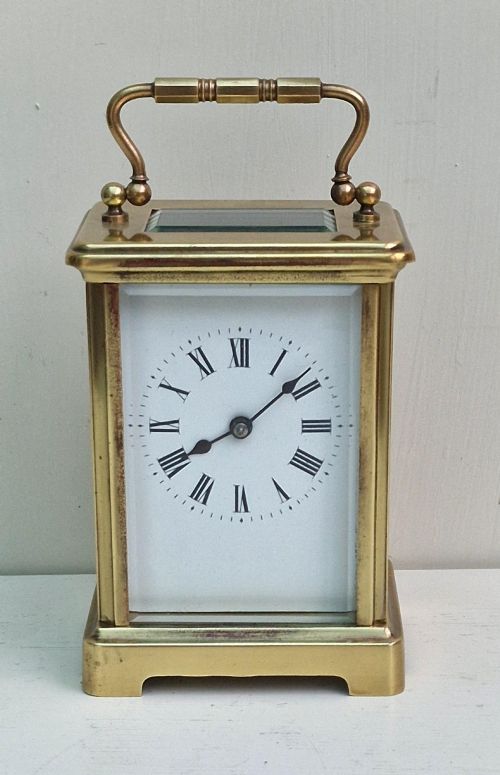
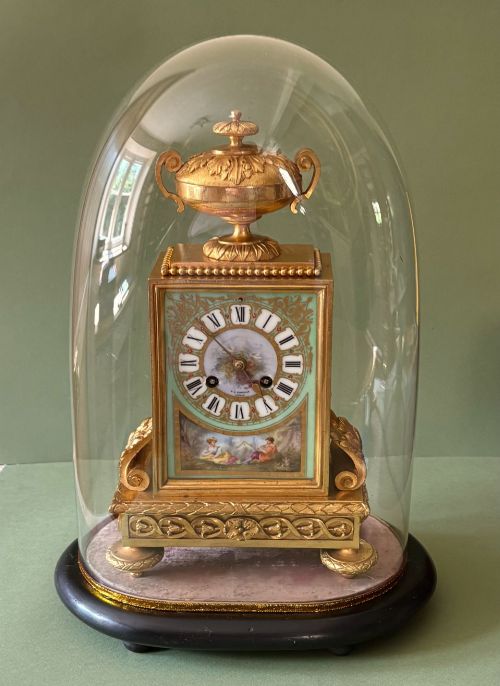
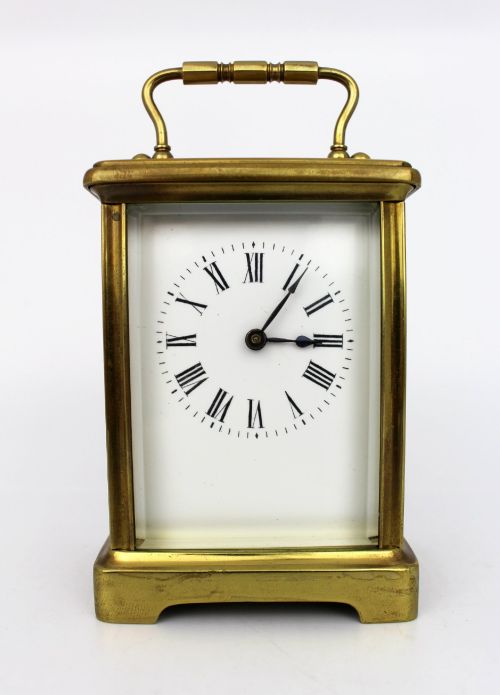
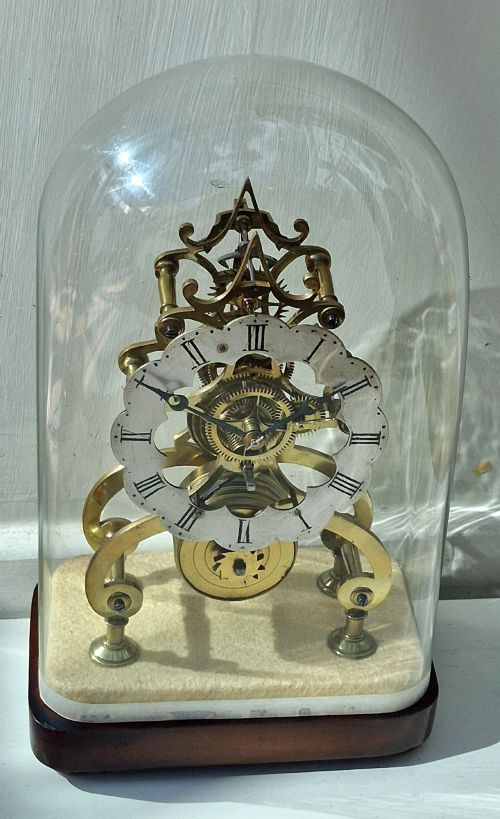
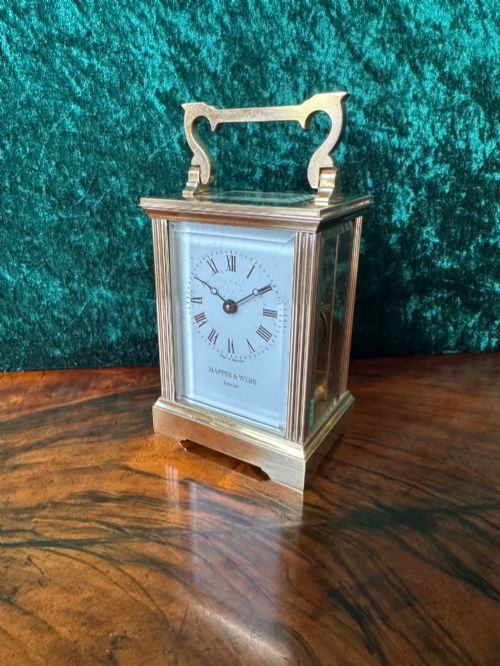
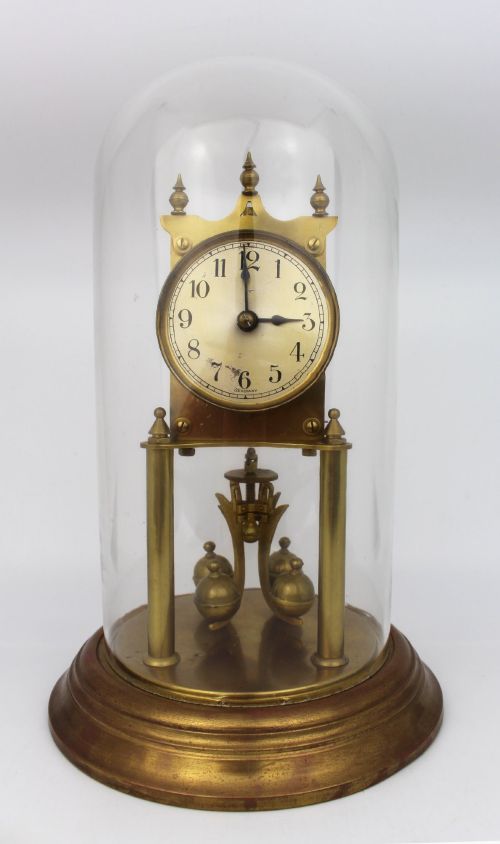
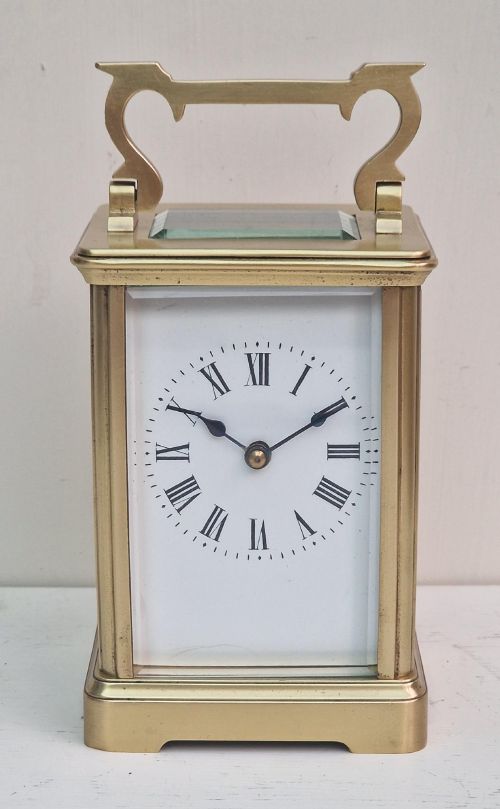
Carriage clocks also feature glass panels on the top and sides to display the escapement while remaining portable for travel. Skeleton clocks present an entirely open gear train, sometimes protected beneath a tall glass display dome or cloche.
Makers utilised various housings during the Victorian and Edwardian periods, adapting glass cases for domestic interiors across Britain and France. These pieces serve both a practical function and a decorative purpose, highlighting the horological mechanics within.
Materials and construction
Horologists built these clocks using heavy brass, gilt bronze, or ormolu frameworks to support thick plate glass panels. Dial faces often incorporated white enamel with roman numerals, occasionally framed by porcelain plaques or hand-painted details.
Movements relied on fusee chains or spring barrels, with many French and British examples employing platform escapements or pendulum regulations. Heavy bevelled glass required precision cutting to fit snugly into metal rebates without putting undue pressure on the corners.
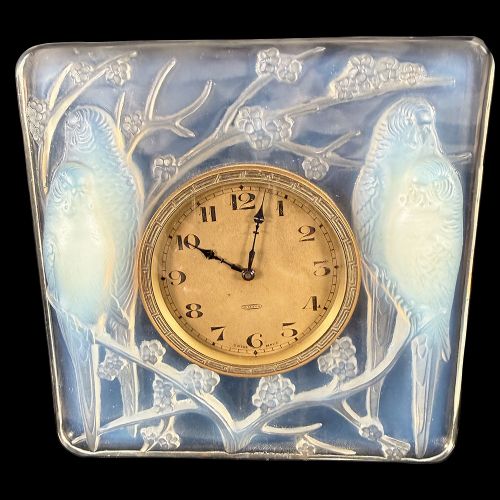
Listings feature movements spanning the Victorian, Edwardian, and Art Deco eras, constructed from brass, mahogany, marble, and opalescent glass.
Factors of distinction
The standard of an antique glass clock depends heavily on the complexity of the movement and the crispness of the cast metal mountings. Finer French and English examples exhibit finely engraved backplates, jewelled escapements, and signed dials by known makers.
Thicker bevelled glass panels with polished edges indicate superior production compared to thin, flat replacement glass. Furthermore, mercury gilding and substantial ormolu castings separate high-end carriage and crystal regulator clocks from simpler mass-produced alternatives.
Samuel Marti·Japy Freres·Rene Lalique·John Walker·Ansonia New York
The Antique Glass Clock Glossary
- Crystal Regulator
- A mantel clock featuring glass panels on all four sides, typically driven by a mercury or compensated pendulum. This design became popular in late nineteenth-century France.
- Fusee
- A conical pulley used in mechanical clocks to maintain even power delivery as the mainspring unwinds. It ensures more accurate timekeeping throughout the duration of the wind.
- Skeleton Clock
- A timepiece with an open framework that exposes the entire gear train and movement to view. They were frequently housed under glass domes to keep dust away from the delicate wheels.
- Carriage Clock
- A small spring-driven clock designed for travel, usually fitted with a swing handle and glass panels. Many include striking or repeating mechanisms.
- Escapement
- The mechanical linkage that regulates the speed of the gear train by releasing the wheel gear in controlled increments. Common types include the platform cylinder and lever escapements.
Antique Glass Clock: Frequently Asked Questions
What is a four glass clock?
A four glass clock is a mantel timepiece enclosed in glass panels on the front, back, and sides. This design lets light pass through the entire case to illuminate the movement.
Most examples date from the nineteenth century and feature brass or ormolu frames. They often house mercury pendulums and striking trains.
Why use a glass dome on a clock?
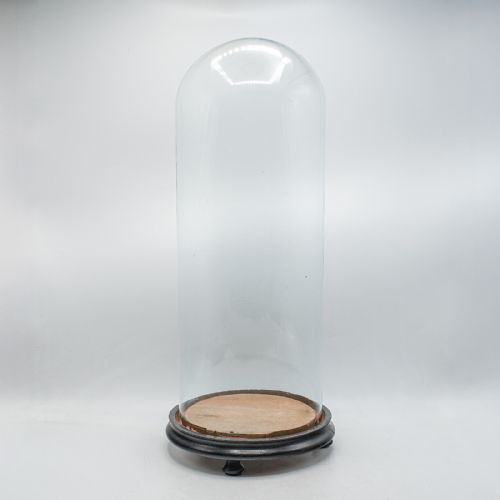
Glass domes protect delicate skeleton and anniversary clocks from dust and atmospheric grime. They also provide an uninterrupted visual presentation of the moving components.
These blown or cast covers sit upon a wooden or marble base. They were especially common during the Victorian era for complex mechanical displays.
How do French and English clocks differ?
French clocks often prioritise decorative ormolu mounts, porcelain plaques, and platform escapements designed for general domestic use. English makers frequently utilised fusee movements mounted on heavy brass plates.
Signed plates and specific serial numbers help distinguish between British workshops and continental European manufacturers. Both traditions produced high-quality glass-panelled housings.