



French Glass Clock
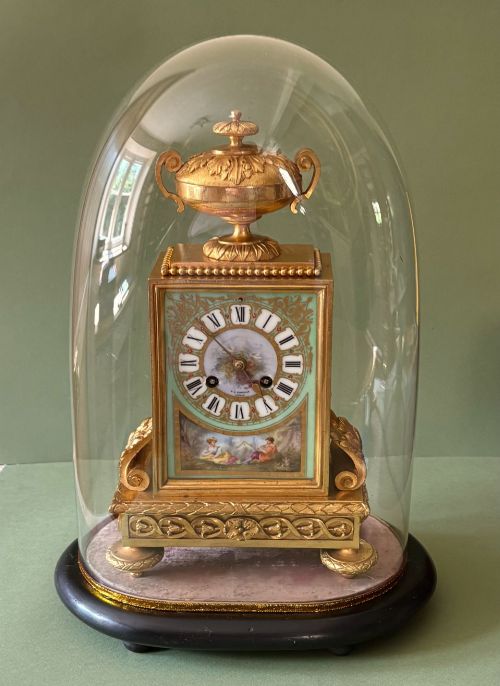
When you search for a french glass clock, you enter a world of brass-framed four-glass mantelpieces, travel timepieces, and moulded Art Deco designs.
French Glass Clock
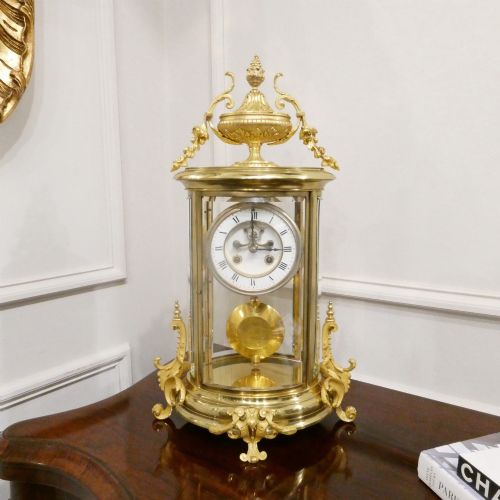
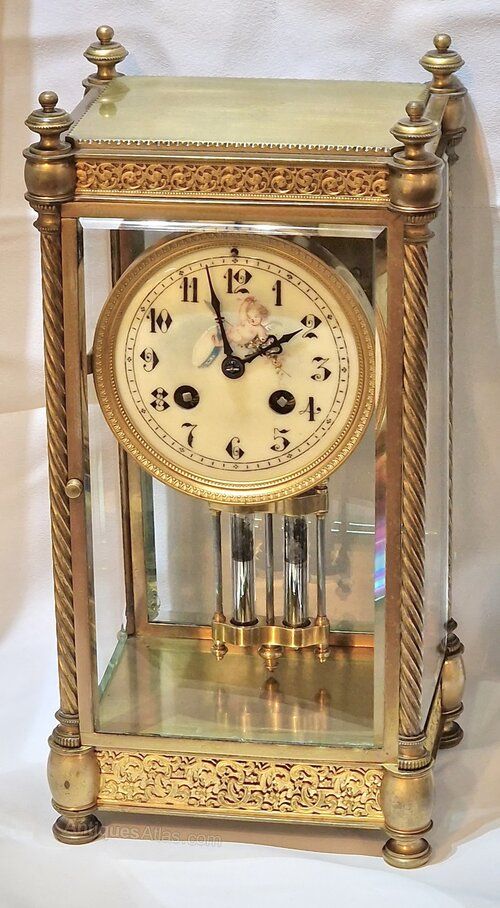
A french glass clock most frequently appears as a four-glass mantel clock, designed to display a visible pendulum and intricate escapement through transparent panels.
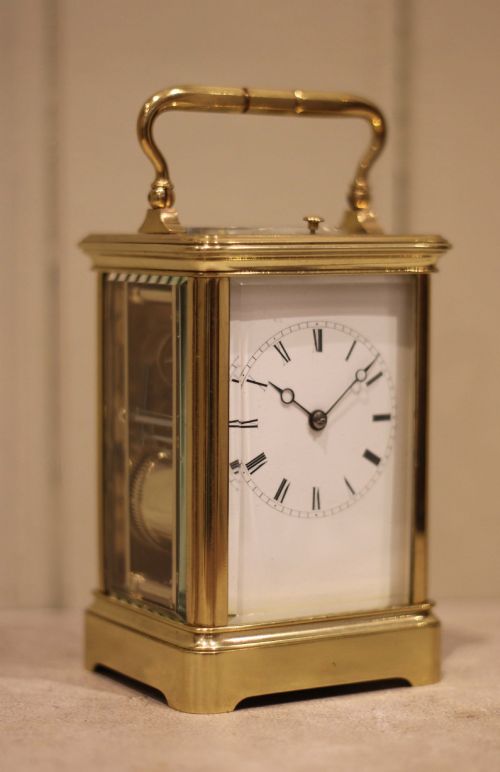
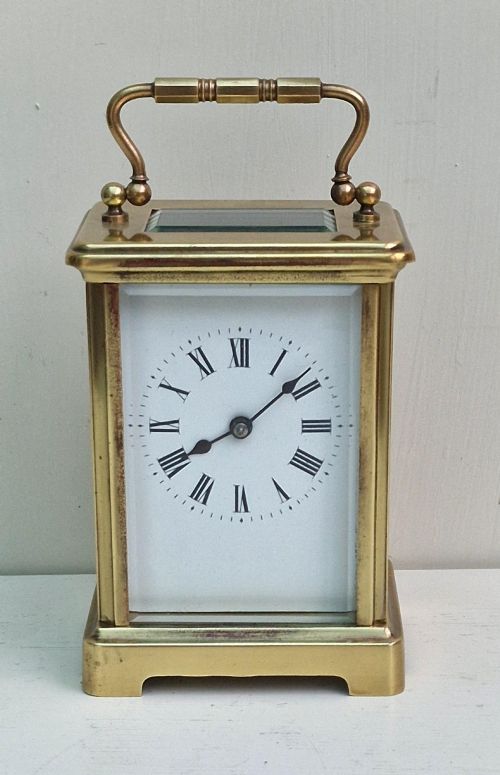
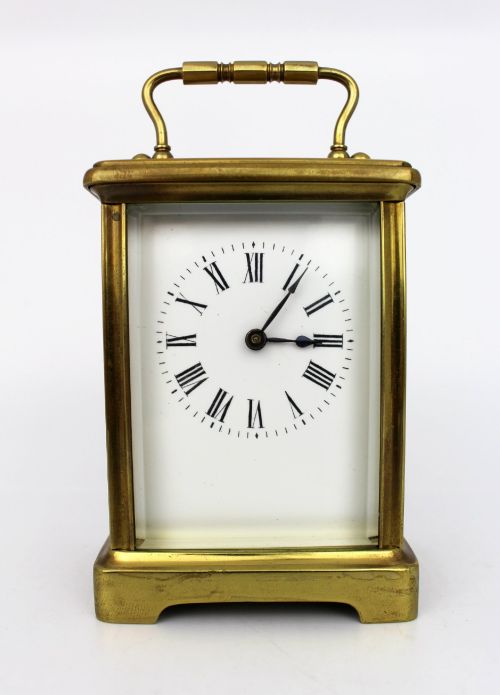
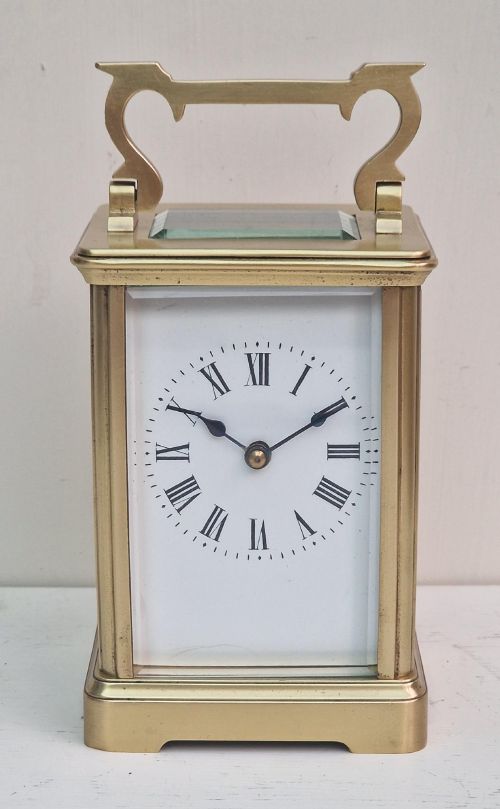
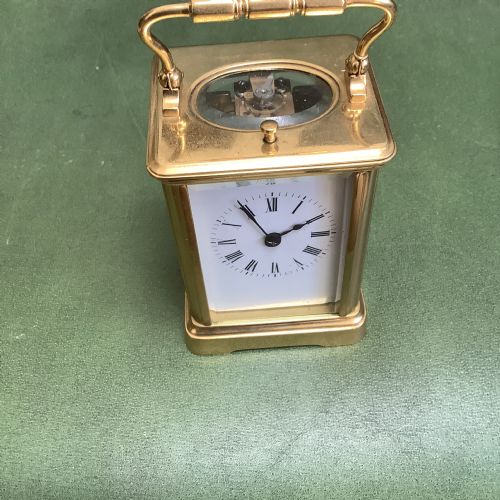
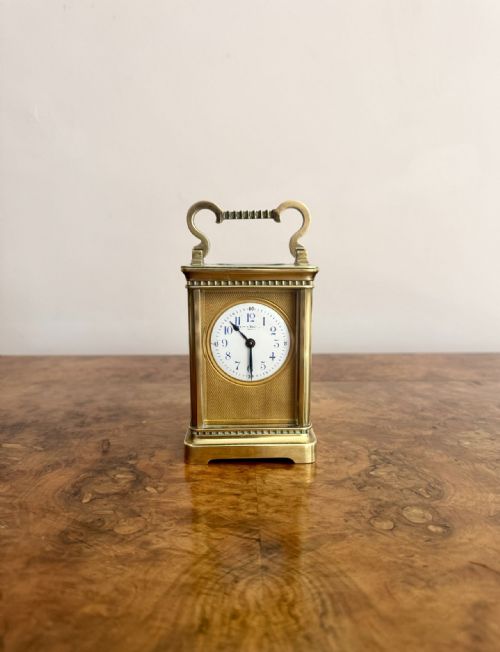
Carriage clocks form the other major category, housed in brass and glass cases originally made for travel during the nineteenth century.
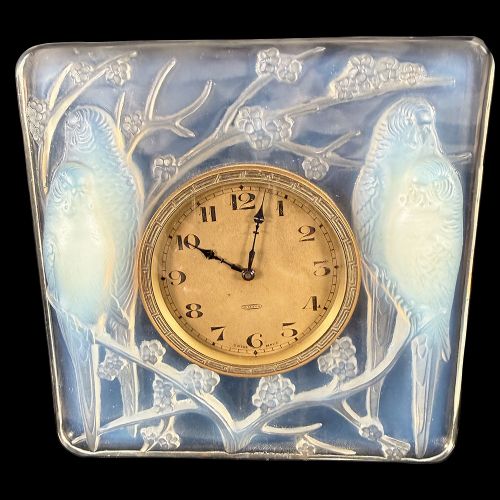
Later twentieth-century examples shift towards moulded opalescent glass panels and geometric Art Deco silhouettes created by prominent designers.
Materials and Construction
Cases combine heavy cast brass, gilt bronze, or ormolu frames fitted with bevelled glass plates to allow an unobstructed view of the mechanical movement within.
Dials frequently incorporate hand-painted enamel chapter rings, porcelain plaques, and champlevé enamel borders alongside visible mercury or steel pendulums.
Listings span the Victorian era, Belle Epoque, and Art Deco periods, utilising brass, glass, porcelain, and ormolu.
Assessing Quality
Superior pieces display crisp, deep engraving on the brass or gilt bronze frames and feature complex complications such as striking, repeating, or calendar mechanisms.
The refinement of the casting work and the clarity of the glass panels distinguish standard production pieces from workshop examples bearing maker signatures.
Samuel Marti·R Lalique·Vincenti·Japy Freres·Duverdrey and Bloquel
The French Glass Clock Glossary
- Four glass clock
- A mantel clock housed in a brass frame with glass panels to all four sides, permitting light to pass through and expose the movement.
- Carriage clock
- A portable spring-driven timepiece with a carrying handle, originally developed for officers and travellers in the nineteenth century.
- Gorge case
- A stepped brass carriage clock case style featuring distinctive moulded pillar corners.
- Champleve
- An enamelling technique where troughs are dug into a metal surface and filled with vitreous enamel before firing.
- Mercury pendulum
- A temperature-compensated pendulum utilising jars of mercury to maintain consistent timekeeping despite ambient heat changes.
French Glass Clock: Frequently Asked Questions
How do I wind a french glass clock?
Most mechanical models require a small matching key inserted into the dial winding holes to tension the spring barrel. Care must be taken not to overwind the mainspring.
Striking and repeating models may also have separate arbours for the bell or gong train, requiring careful attention to keep the strike synchronised with the time.
Where should I place a four glass clock?
These clocks require a completely stable, level surface such as a heavy mantelpiece or dedicated shelf. Any tilt can cause the delicate pendulum or escapement to bind and stop the movement.
Avoid positioning them in direct sunlight or near draughts, as temperature fluctuations affect the metal components and oil viscosity.
How do I identify the period of a carriage clock?
Early nineteenth-century examples often feature substantial gilt engraved cases and heavier movements, whereas late Victorian and Edwardian pieces show more standardised production.
Signatures on the movement backplate or dial provide the most reliable clue to the exact decade of manufacture.
What is the difference between a timepiece and a striking clock?
A timepiece is designed solely to show the hours and minutes without any acoustic function. It lacks the extra gear trains and hammers found in striking models.
Striking and repeating clocks feature additional mechanisms that sound the hours and quarters on bells or gongs automatically or upon pressing a button.