

Antique Glass Ceiling Shade
An antique glass ceiling shade casts a warm, downward glow that defines a room with period character.
Antique Glass Ceiling Shade
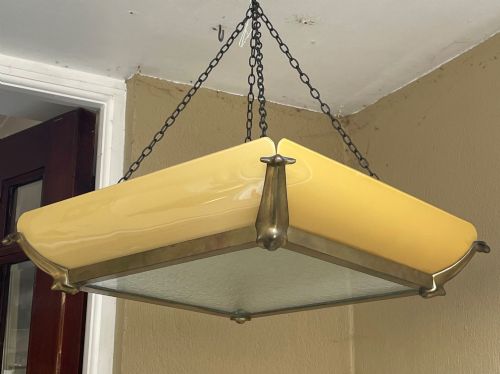
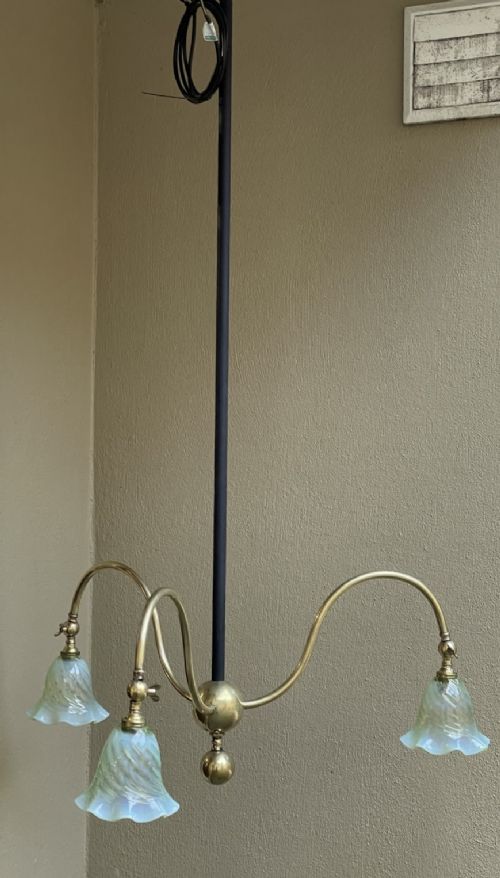
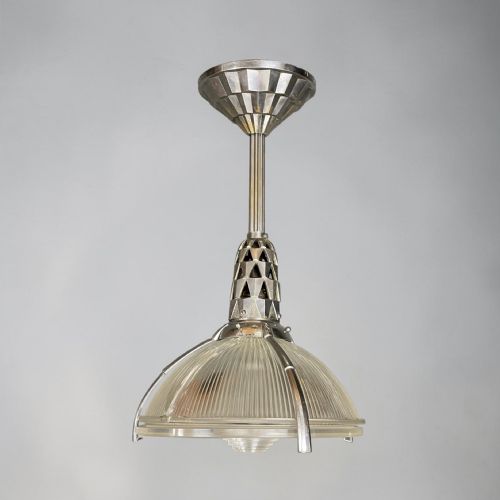
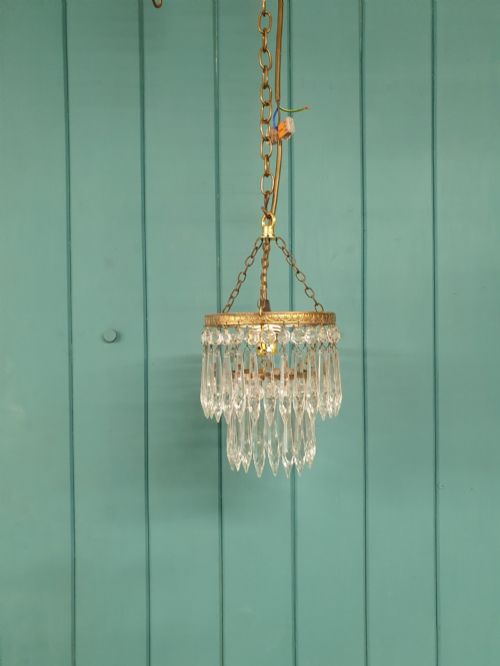
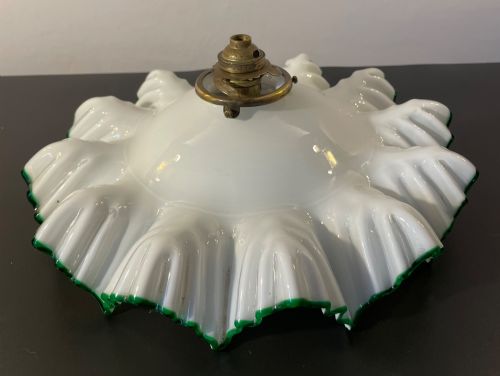
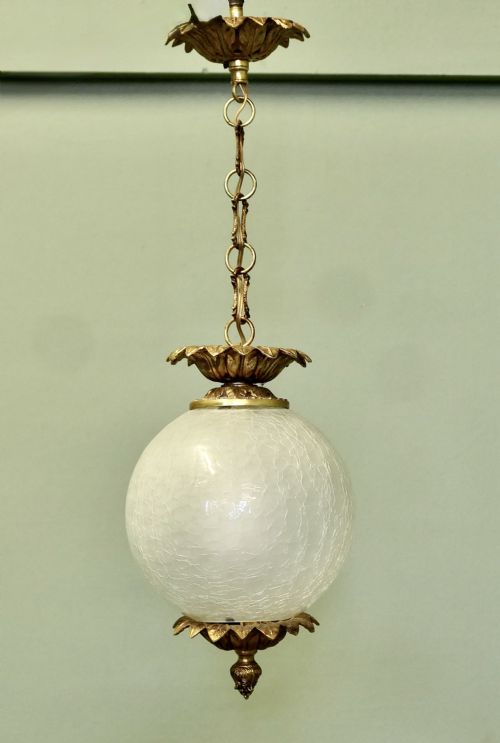
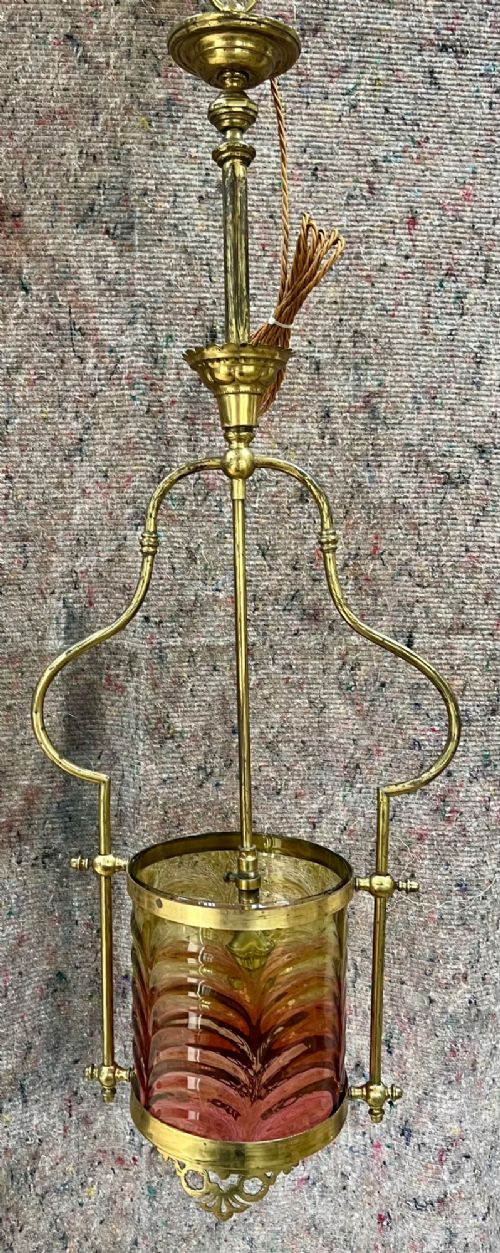
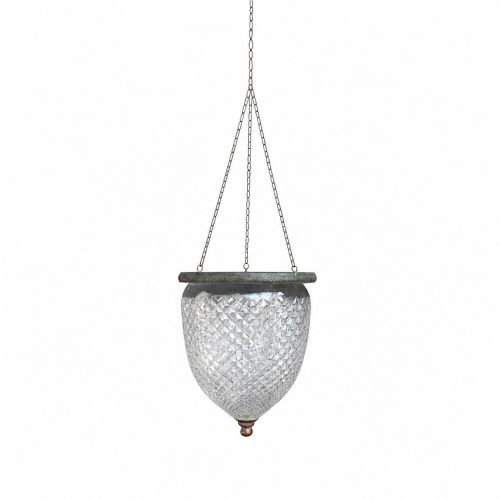
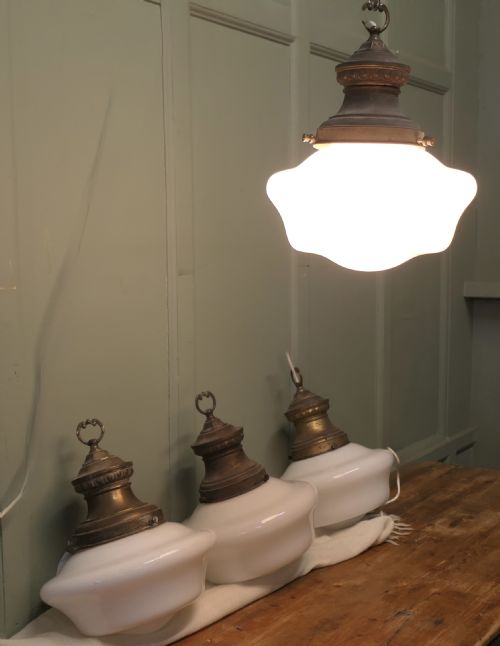
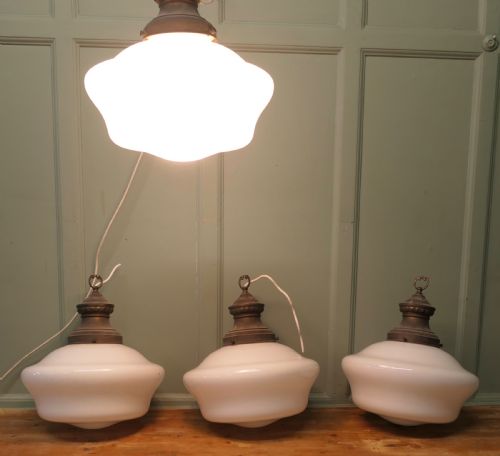
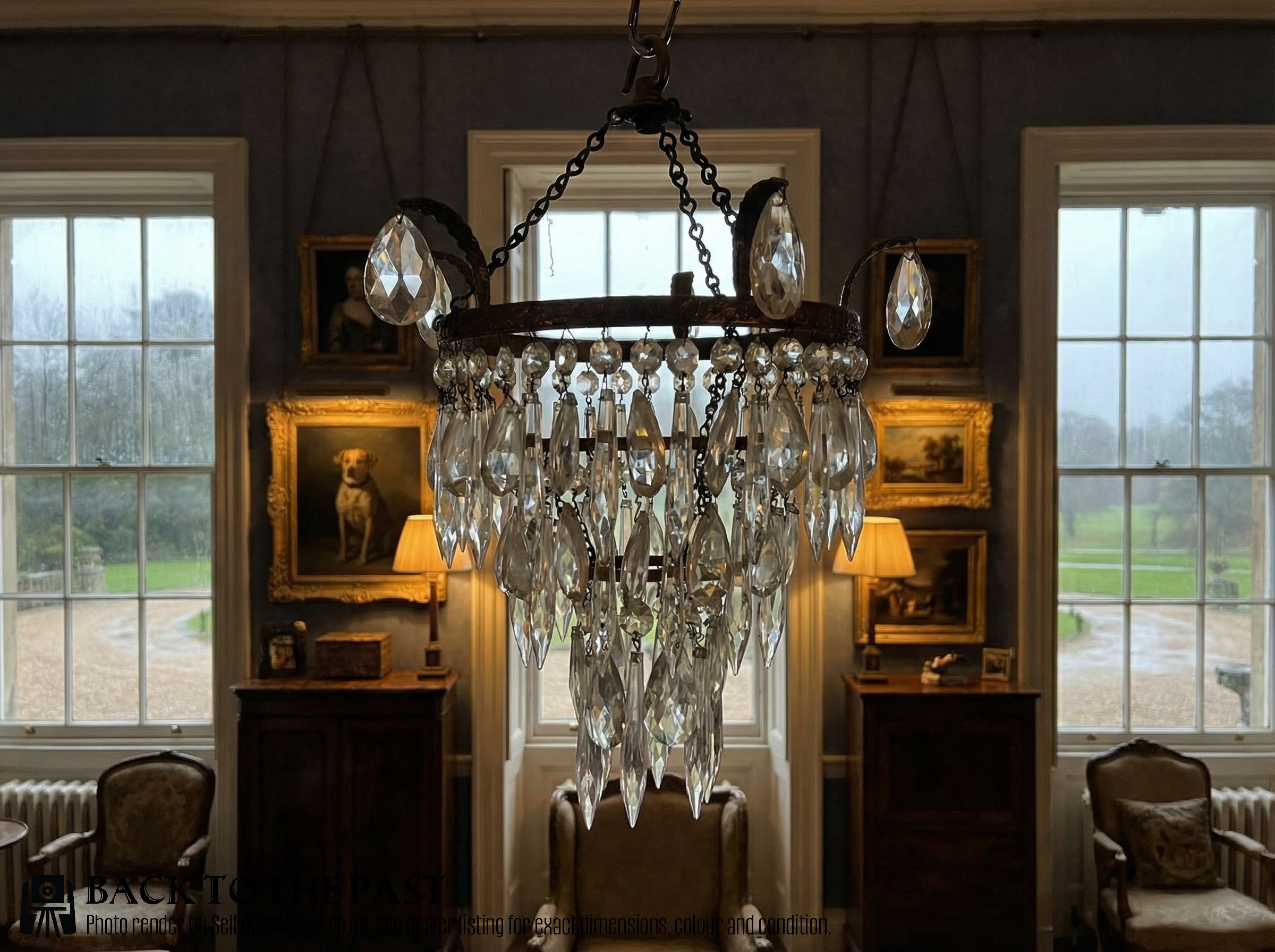
An antique glass ceiling shade is a hanging light fixture designed to illuminate a space directly from above, utilising bowls, globes, domes, and frilled shades suspended on brass or copper frames. When searching for an antique glass ceiling shade, you encounter diverse forms ranging from compact Edwardian dome top chandeliers to large Art Deco pendant lights and industrial fixtures.
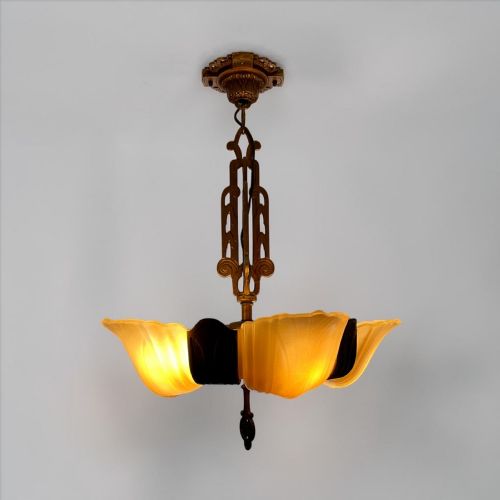
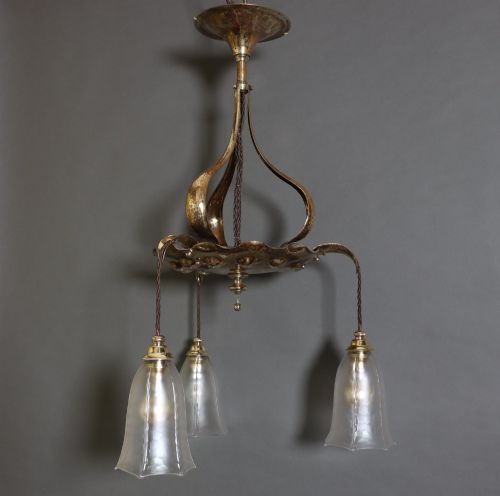
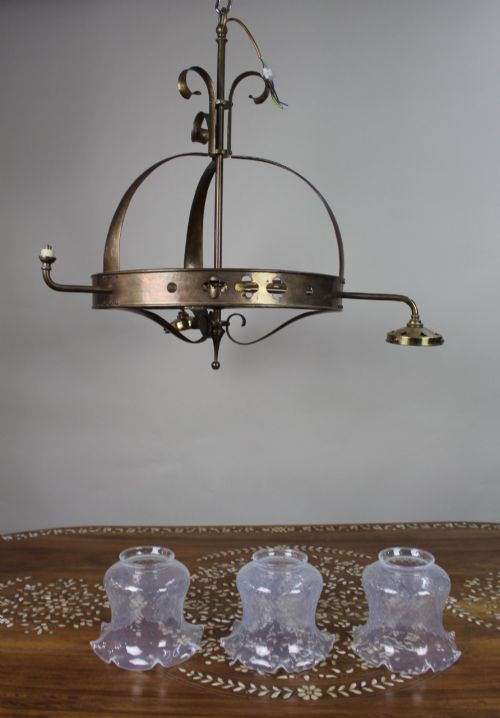
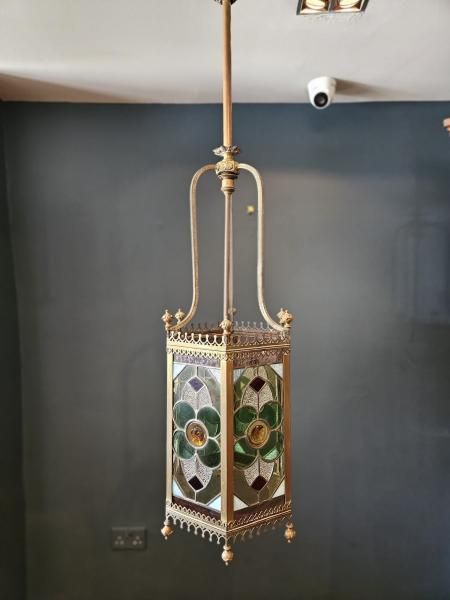
The selection spans multiple design movements, featuring Victorian leaded glass lanterns, Arts and Crafts brass fittings, and streamlined 1930s slip shade designs. French country, Art Nouveau, and Gothic Revival styles also appear, alongside nautical lanterns and regional pieces like North African electrified lanterns.
Most examples date from the nineteenth century through the interwar decades of the twentieth century, reflecting the technological shift from gasoliers to electric pendant lighting. These ceiling lights serve both functional illumination and decorative centrepieces in residential and public spaces.
Materials and Construction
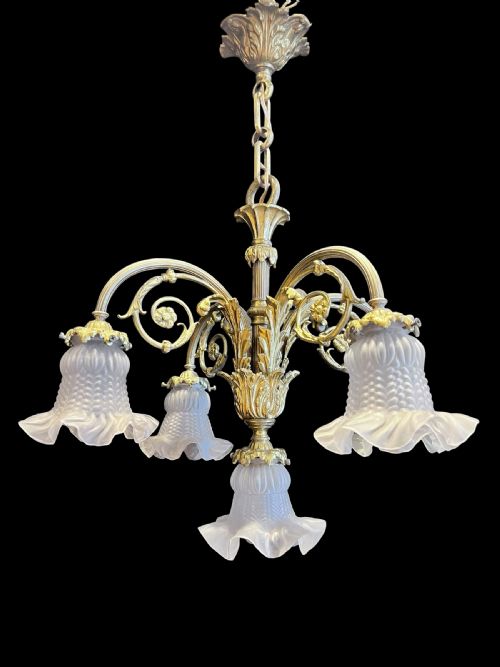
Makers combined cast brass, copper, and iron metalwork with various forms of glass, including cut glass crystal, frosted glass, opaline, crackle glass, moonstone, and milk glass. Metal frames were cast, forged, or spun to hold the glass elements securely, often incorporating decorative details such as leaf designs or cherub arms.
Glass components were blown, moulded, cut, or leaded together, as seen in stained glass porch lanterns and geometric prisms. Slip shades and moulded globes required specialised moulds, while opaline and moonstone glass achieved their diffuse white appearance through specific chemical additions during the glassblowing process.
Materials span traditional brass and copper alongside diverse glass types including opaline, moonstone, crackle glass, and leaded stained glass.
Distinctions in Quality
The quality of an antique glass ceiling shade rests on the crispness of the metal casting and the optical purity and weight of the glass itself. Superior brass fittings exhibit sharp definition in leaf work and structural joints, whereas lesser pieces rely on softer, unrefined casts.
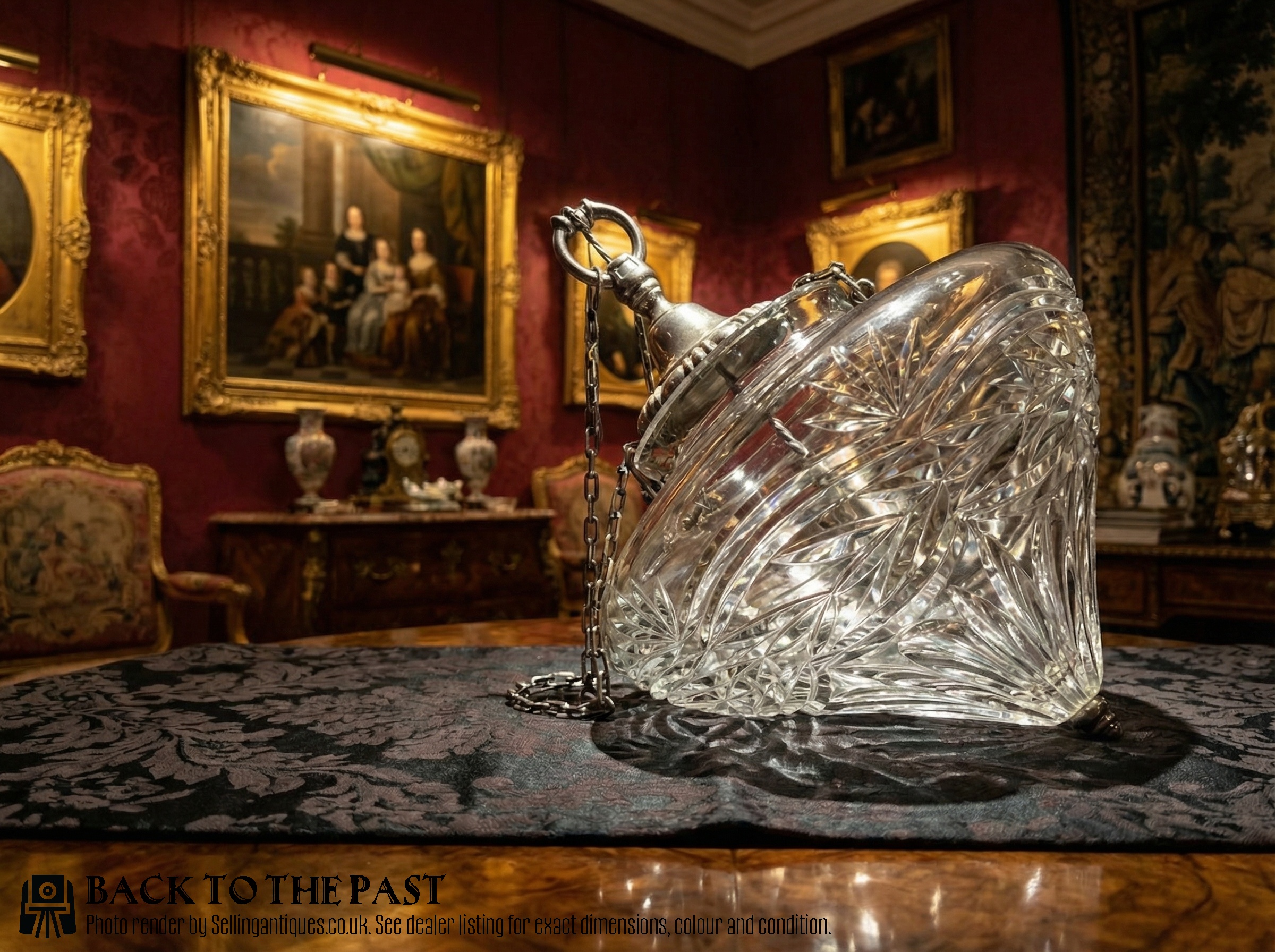
Artistry in the glass distinguishes exceptional examples, such as hand-cut crystal facets that catch light cleanly or skilfully layered opalescent tones that diffuse illumination without harsh glare. The integration between the original metal mount and the glass shade indicates thoughtful coordination during manufacture.
Émile-Jacques Ruhlmann·Jefferson Light
The Antique Glass Ceiling Shade Glossary
- Plafonnier
- A ceiling-mounted light fixture that sits flush or very close to the ceiling surface, often featuring a glass bowl held by a metal mount.
- Opaline glass
- An opaque or translucent white glass developed to diffuse light softly, frequently utilised in twentieth-century pendant lighting.
- Gasolier
- A multi-armed ceiling light fixture originally engineered for gas lighting before subsequent conversion to electricity.
- Slip shade
- A moulded piece of glass that slides or slips directly into a designated metal frame, characteristic of Art Deco lighting fixtures.
- Moonstone glass
- A lightly speckled or translucent glass type that creates a gentle, ethereal glow reminiscent of moonlight when illuminated.
Antique Glass Ceiling Shade: Frequently Asked Questions
How do I hang a heavy antique ceiling shade?
Suspension requires securing the fixture directly to a ceiling joist or structural blocking using a rated electrical box that supports the combined weight of the metal frame and glass.
Heavier chandeliers and leaded glass lanterns benefit from professional installation with internal steel safety wires to relieve tension on the original antique chains or brass rods.
Can these old lights use modern bulbs?
Most antique ceiling fittings accommodate modern LED or incandescent bulbs provided the Edison screw or bayonet cap matches the original socket size.
Careful attention should be given to wattage limits to prevent excessive heat buildup inside enclosed glass globes and opaline shades.
How do I clean delicate antique glass shades?
Gentle washing in warm water with a mild, non-abrasive soap safely removes accumulated dust and grime without harming the original glass surface or painted details.
Metal components require separate maintenance using appropriate cleaners that avoid splashing harsh chemicals onto vulnerable frosted or crackled glass.
What is the difference between an Edwardian and a Victorian shade?
Victorian glass ceiling shades tend towards heavier, ornate brass structures paired with deep cut crystal, rich milk glass, or elaborate gasolier arrangements.
Edwardian lighting shifts towards lighter forms, featuring streamlined dome top chandeliers, moonstone glass, and refined brass or copper suspension hardware.