



Opaline Glass Light Fixture
An opaline glass light fixture diffuses a soft, milky glow that brings warmth and quiet elegance to any room.
Opaline Glass Light Fixture
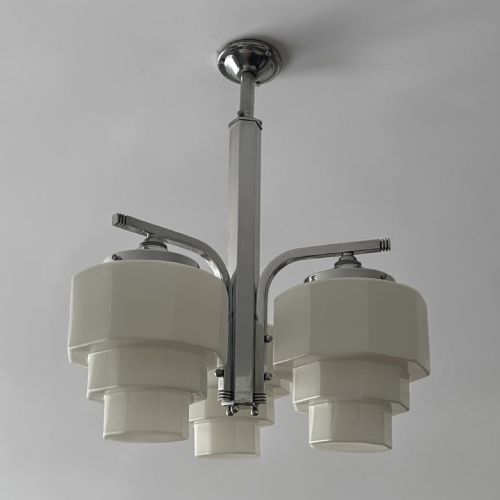
When you search for an opaline glass light fixture, you find lighting designed to soften interior illumination through translucent white glass. These pieces span periods from Victorian and Edwardian eras through to Art Deco and the 1930s, reflecting changing domestic and commercial tastes.
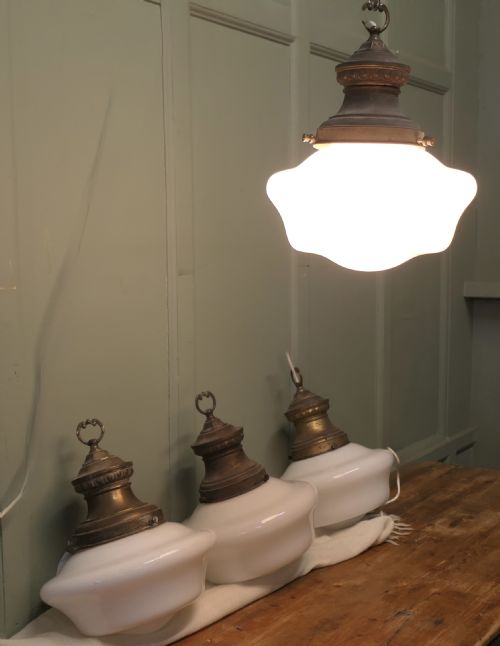
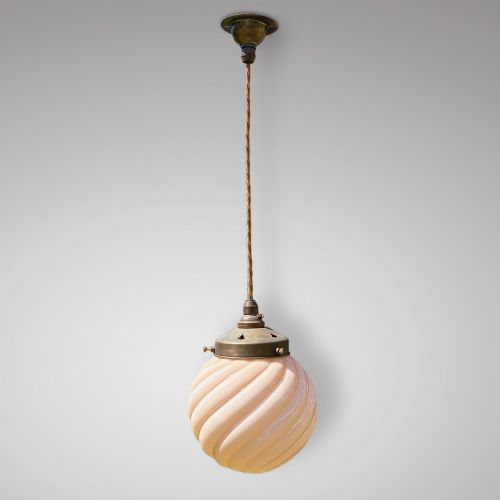
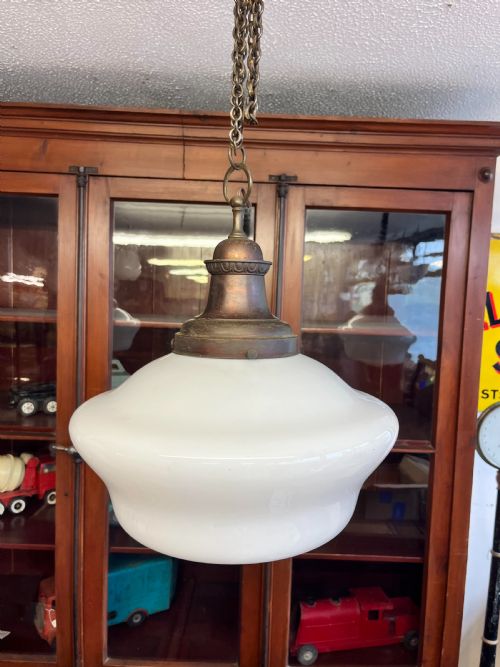
Pendant lights and ceiling fixtures dominate the selection, often paired with brass, bronze, or chrome metalwork. You also encounter table lamps and chandeliers, showing how versatile this material proved for both hanging and task lighting.
The aesthetic ranges from industrial chapel lights and reeded designs to ornate gilt bronze lanterns and hand-painted Victorian oil lamps converted for electricity. This variety allows you to match a specific architectural period or introduce a distinct decorative accent.
How they were made
Makers produced opaline glass by adding bone ash, arsenic, or tin oxide to the molten batch, creating its characteristic opaque, milky appearance. This composition diffuses light evenly without harsh glares, making it both practical and decorative.
Metal components such as brass, bronze, and chrome provide structural support, often cast or spun to shape fitments, galleries, and chains. Some pieces incorporate fabric flex wiring and hand-painted enamel details to complete the assembly.
Opaline Glass Light Fixture Retail Price Guide 2026
Typical asking prices for opaline glass light fixture among the pieces listed under this phrase on Sellingantiques today, from the lower quarter to the upper quarter. They describe what is for sale here now, not the wider market.
Early 20th-century lighting occasionally includes fish scale textures, proving that glassmakers loved borrowing patterns from the garden pond.
What varies in quality
The refinement of the glass blowing and moulding determines much of the visual appeal, visible in the smoothness of the surface and the evenness of the opacification. Heavier metal mountings, such as gilt bronze or solid brass, indicate higher status production.
Design complexity also separates standard utility lighting from finer examples, such as those with reeded profiles, fish scale textures, or maker attributions like Perry & Co. The integration of decorative metalwork and hand-painted elements adds significant artistic merit.
Perry And Co
The Opaline Glass Light Fixture Glossary
- Opaline glass
- A translucent, milky-white glass developed to diffuse light softly while obscuring the internal bulb. It became widely popular in Victorian and 20th-century lighting.
- Gilt bronze
- Bronze metal treated with a layer of gold leaf or gilt wash to impart a rich, metallic shine. It often appears on high-status Victorian and Edwardian mounts.
- Reeded design
- A surface pattern composed of parallel, rounded ridges running vertically along the glass shade. This technique catches the light and adds textural depth.
- Chapel light
- A large, utilitarian pendant fixture originally hung in large public or religious interiors. These pieces are typically robustly built to illuminate substantial spaces.
Opaline Glass Light Fixture: Frequently Asked Questions
How do I clean an opaline glass shade?
Wash the glass gently in warm, soapy water using a soft cloth to avoid scratching the surface. Dry it thoroughly before rehanging.
Avoid harsh chemical cleaners or abrasive scouring pads, which can damage the delicate finish of the glass and any aged metal mounts.
Can these vintage lights be wired for modern use?
Most antique fixtures can be adapted by a qualified electrician to meet current safety standards using modern wiring and appropriate lamp holders. This ensures they function safely in a contemporary home.
Retaining the original metal galleries and glass shades while updating internal flex and fittings preserves the historic exterior appearance.
What rooms suit an opaline pendant light?
Kitchens, hallways, and dining areas benefit greatly from the downward yet diffused illumination provided by these shades. The soft light creates a welcoming atmosphere without harsh shadows.
Larger industrial or chapel pendants work well in open-plan spaces, while smaller table lamps suit bedside tables or living room sideboards.
How do I identify a Victorian opaline fixture?
Victorian pieces often feature heavier brass or gilt bronze mounts, hand-painted details, or associations with makers like Perry & Co. The forms tend towards ornate lanterns or converted oil lamps.
Later 1930s and Art Deco examples generally show simpler geometric lines, reeded textures, or utilitarian industrial forms without decorative embellishment.