






Antique Ginger Jar Lid
When you need an antique ginger jar lid, you are looking for the missing closure that completes a ceramic vessel from centuries past.
Antique Ginger Jar Lid
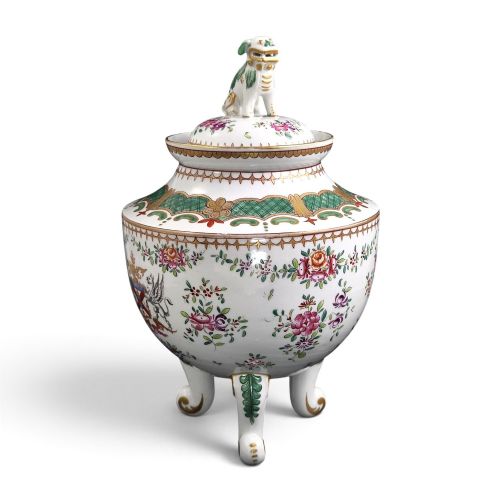
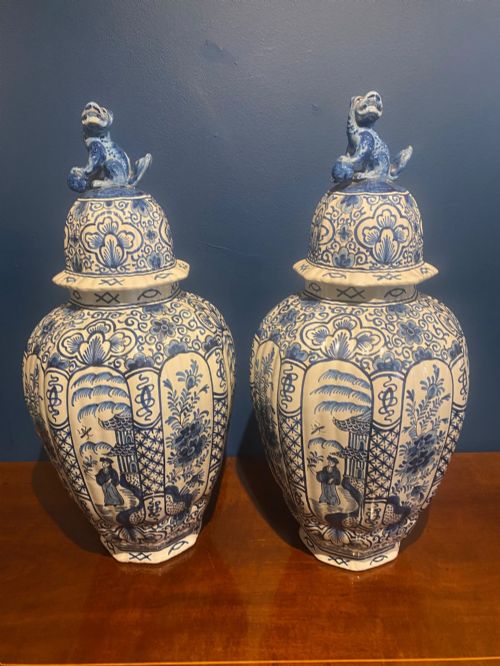
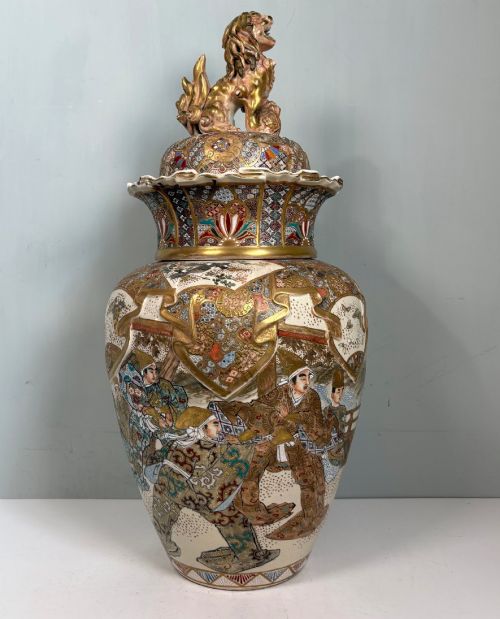
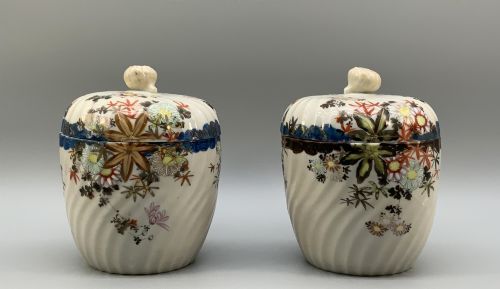
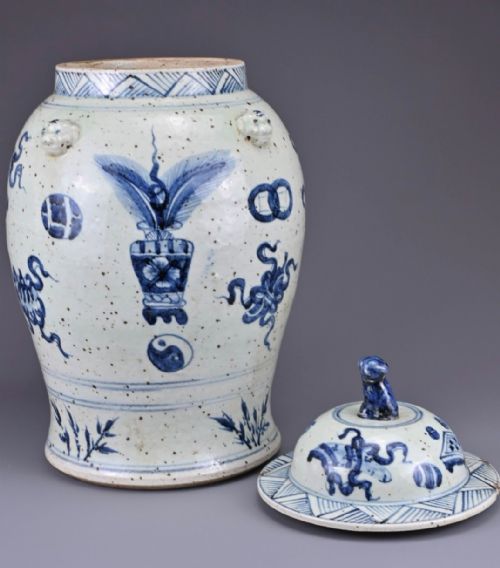
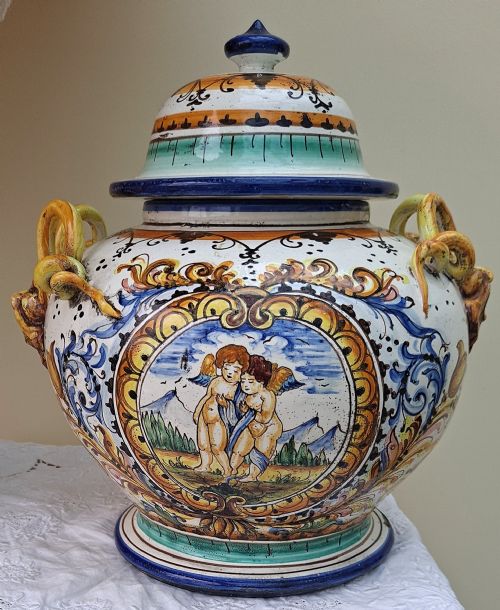
An antique ginger jar lid sits atop lidded jars, vases, and urns originating from diverse global traditions. These covers are found alongside bodies fashioned in porcelain, earthenware, and ceramic.
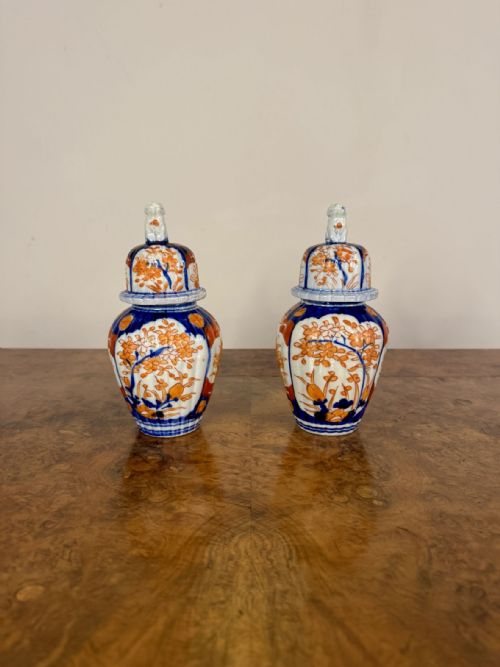
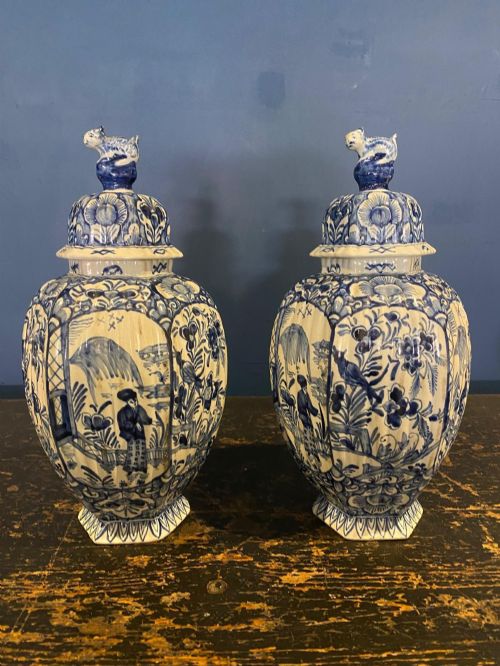
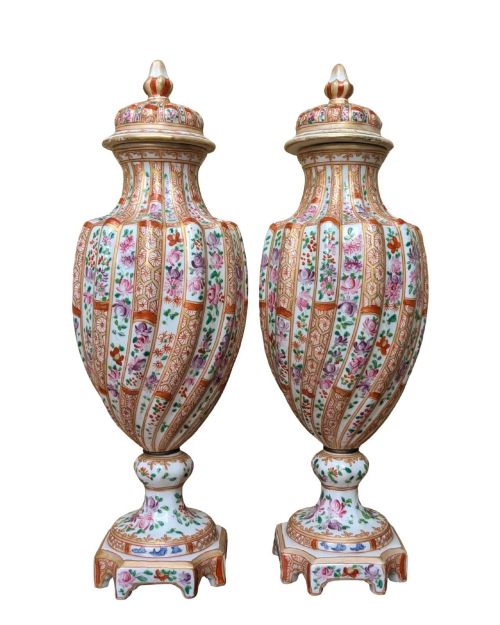
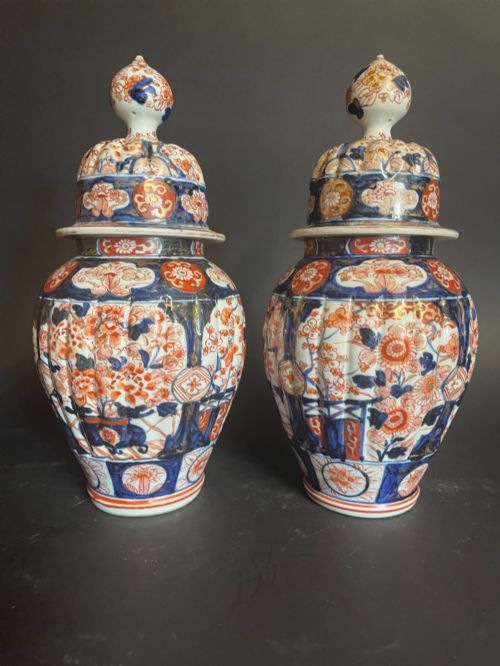
The selections span centuries of production, drawing from the 18th century, the 19th century, the Edwardian era, and the 1930s. Japanese Imari, Chinese blue and white, Dutch Delftware, and European porcelain styles appear frequently.
Many items derive from Japanese Meiji and Edo periods, alongside Qing Dynasty Chinese workshops and European pottery centres. Buyers encounter individual covers as well as complete lidded vessels awaiting pairing.
How They Were Made
Potters shaped these objects from ceramic, earthenware, and porcelain pastes, often applying tin-glaze or transparent finishes before firing. Hand-painted decoration, cobalt blue pigments, and enamel detailing were applied directly to the surface.
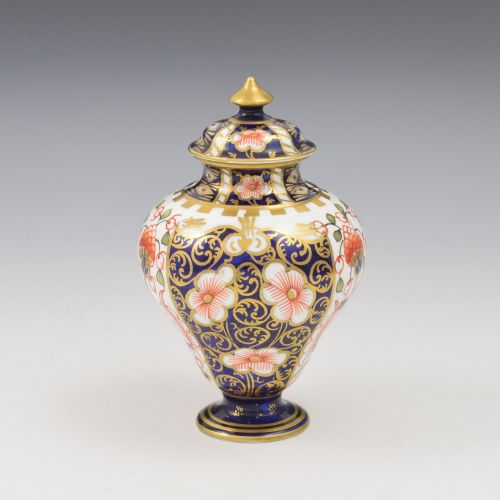
Certain examples incorporate gold leaf, gilding, and metal cloisonné wire to define intricate patterns. Workshops utilised traditional kiln firing methods suited to each regional material, from Arita porcelain to European ironstone.
Antique Ginger Jar Lid Retail Price Guide 2026
Typical asking prices for ginger jar lid among the pieces listed under this phrase on Sellingantiques today, from the lower quarter to the upper quarter. They describe what is for sale here now, not the wider market.
Geographic origins range from Arita kilns in Japan to Dutch Delft and English manufactories.
What Varies in Quality
The finesse of the hand-painted brushwork dictates much of the distinction between standard and superior pieces. Crisp cobalt definition in blue and white wares or precise enamel placement in Imari palettes indicates skilled workshop output.
The integrity of the glaze and the harmony between the lid and the vessel body also separate tiers of production. Potteries such as Royal Crown Derby, Coalport, and Samson maintained rigorous standards in their moulding and glazing techniques.
Royal Crown Derby·Samson Paris·Coalport·Crown Devon·Wolfsohn Dresden·Herend
The Antique Ginger Jar Lid Glossary
- Imari
- A Japanese style of porcelain decorated in underglaze blue, iron red, and gold. It originated in Arita and became widely exported to Europe.
- Delftware
- Tin-glazed earthenware produced in the Netherlands and England, typically featuring blue and white decoration inspired by Chinese porcelain.
- Cloisonne
- A metalwork technique where compartments are created on a vessel surface using soldered wire and filled with enamel paste before firing.
- Baluster
- A vase or jar shape with a rounded body that tapers toward the base and swells near the lower middle.
- Chinoiserie
- European artistic style reflecting Chinese motifs and decorative themes, popular across various ceramic traditions during the 18th and 19th centuries.
Antique Ginger Jar Lid: Frequently Asked Questions
How do I match an antique lid to a jar?
Matching an antique lid requires careful measurement of the inner rim diameter and the collar depth to ensure a correct seating. Colour palette, glaze thickness, and potting style must align with the period of the jar.
Differences in shrinkage during kiln firing mean exact duplicates are uncommon among hand-thrown ceramics. Examining the clay body and wear patterns helps confirm whether a lid belongs to a specific vessel.
What is an Imari ginger jar lid?
An Imari lid belongs to a Japanese porcelain vessel decorated in characteristic iron red, cobalt blue, and gold pigments. These items often feature floral or brocade motifs produced in Arita.
Such lids were exported in large quantities to Europe, where they complemented ornamental porcelain displays in domestic interiors.
How do I date a ceramic lid?
Dating relies on the composition of the ceramic body, the characteristics of the glaze, and the pigment style. Eighteenth-century pieces often display distinct potting weight and cobalt tones compared to later 19th-century output.
Maker marks, where present, provide further chronological indicators tied to specific factory production periods.
Were ginger jars originally used for ginger?
These large ceramic containers were initially manufactured in China to store and transport spices, ginger, and preserves. Their wide shoulders and secure covers protected perishable goods during long maritime voyages.
By the 19th century, European households repurposed them purely as decorative objects for mantelpieces and cabinets.