
Antique Giltwood Wall Picture
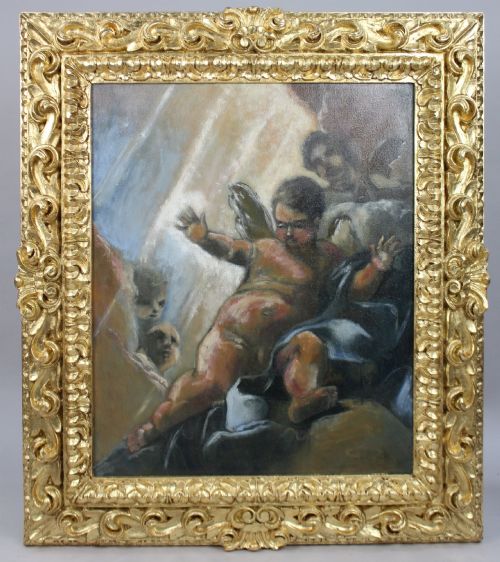
An antique giltwood wall picture brings together gilded carving and historic painting or reflection, offering warmth and period character to a room.
Antique Giltwood Wall Picture
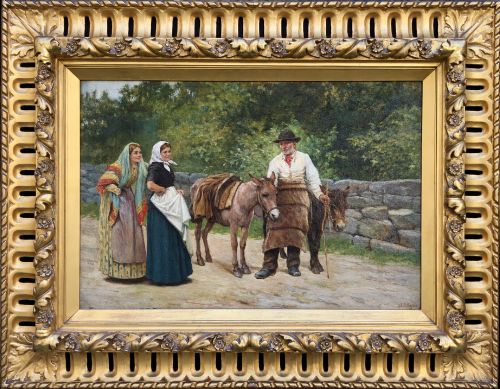
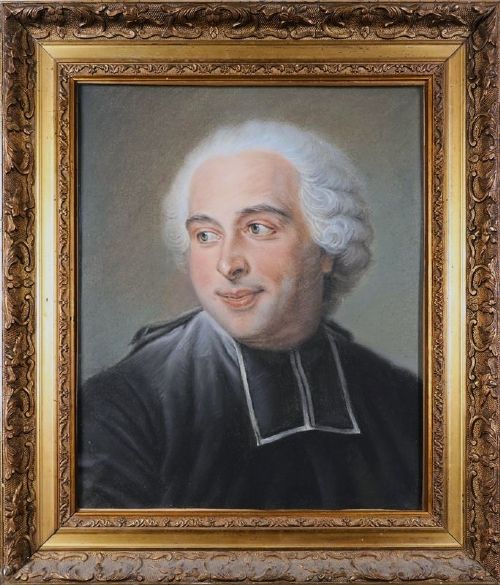
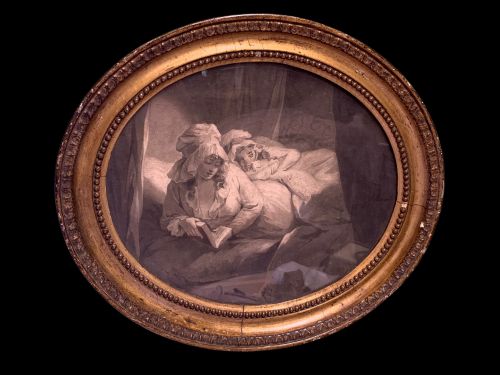
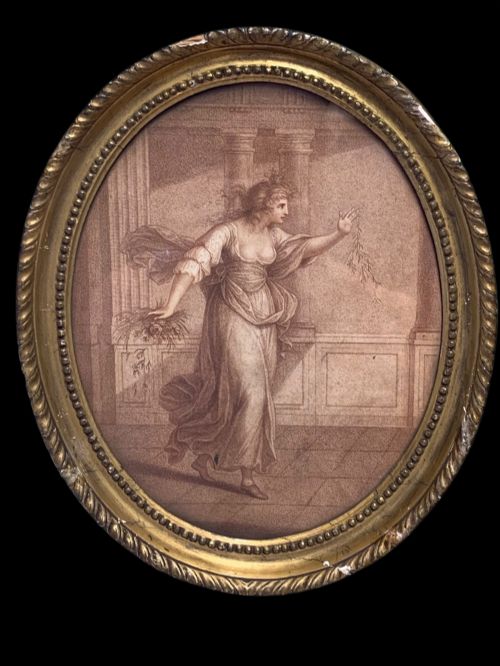
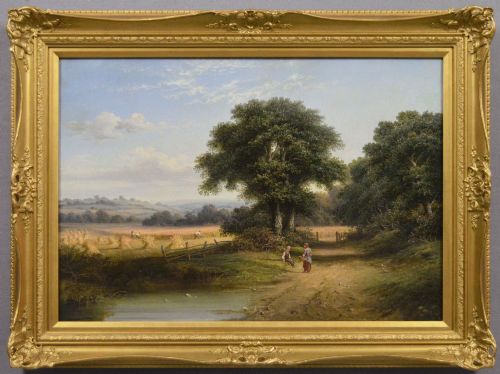
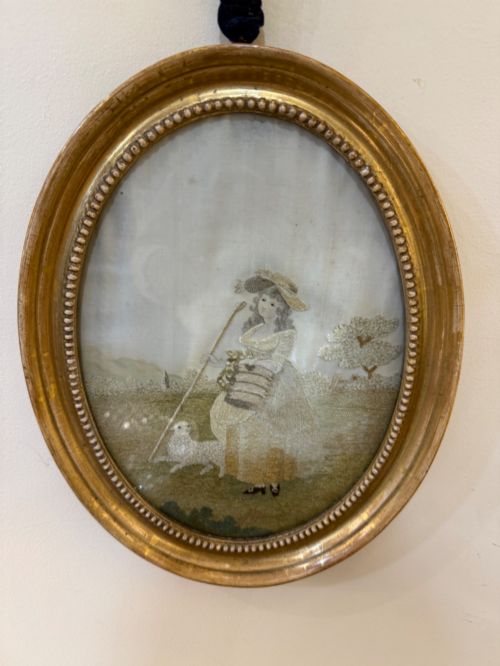
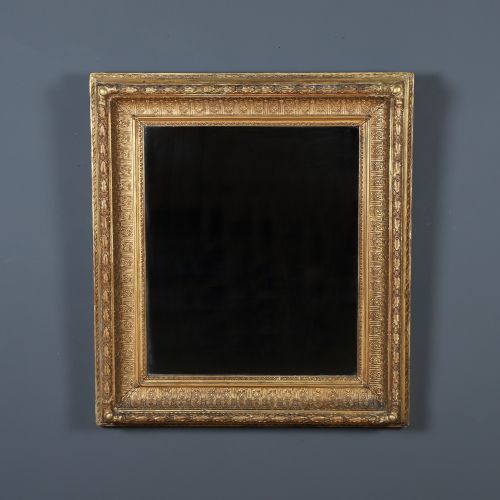
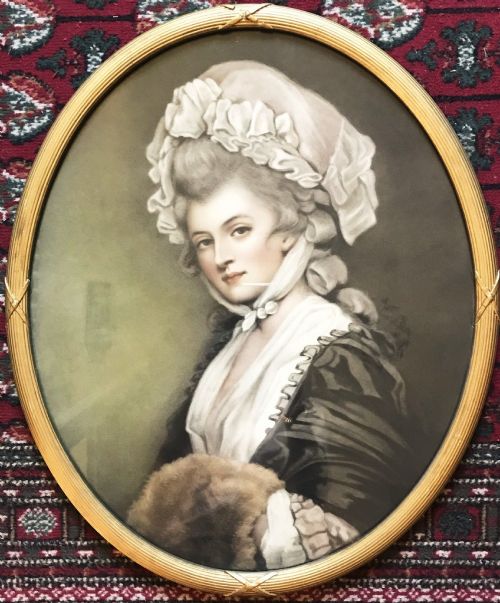
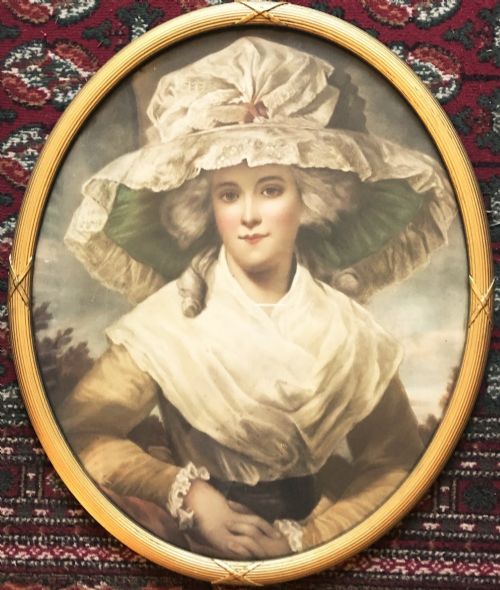
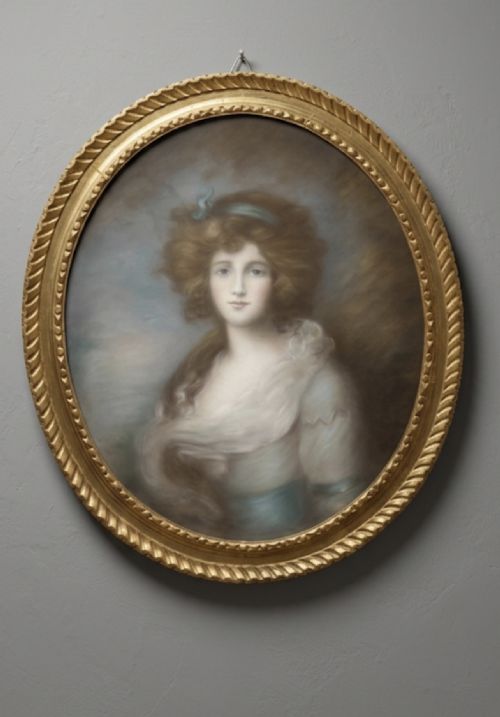
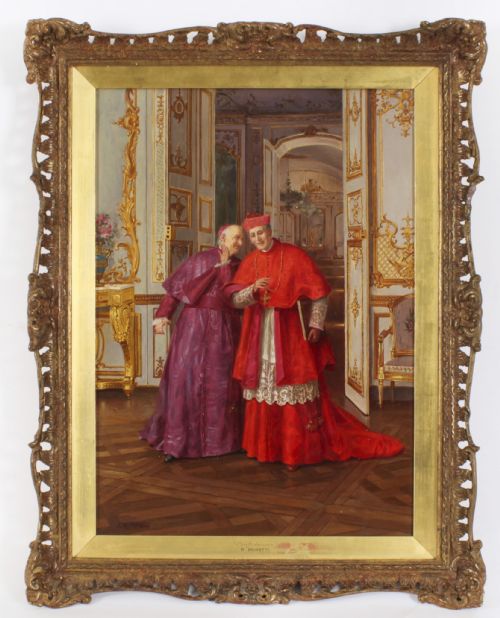
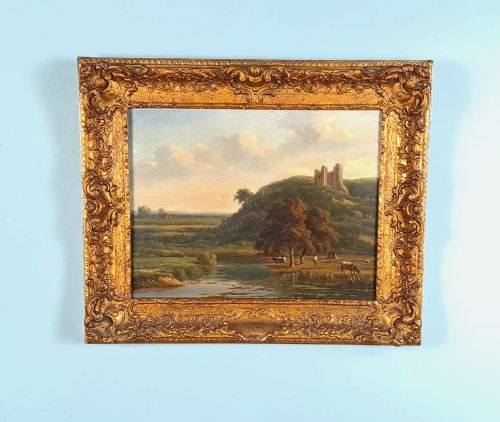
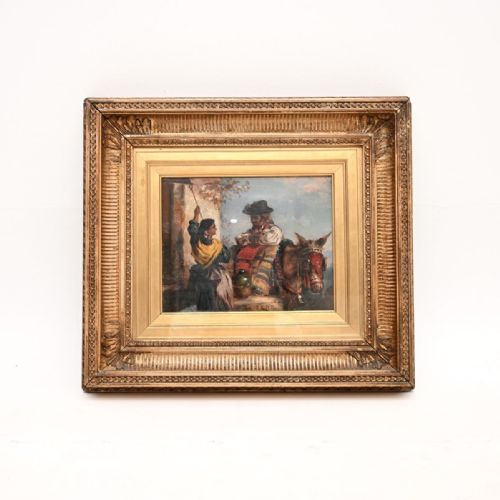
When you search for an antique giltwood wall picture, you encounter framed oil paintings, stipple engravings, pastels, and trumeau mirrors originating from the seventeenth to the nineteenth centuries. These pieces combine decorative timber frames finished in gold leaf with historic canvases, prints, or glass panels.
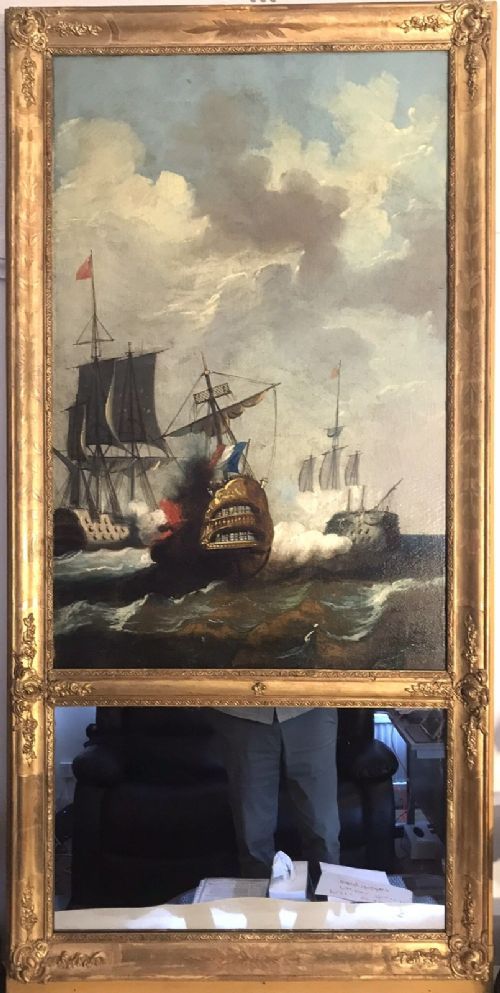
The versions most commonly met on this page include Victorian oil paintings, Georgian prints, and nineteenth-century wall mirrors with acanthus leaf decoration or classical moulding. They range from small oval portraits to large maritime scenes set within heavy gilt surrounds.
How they were made
Makers constructed the frames using timber carcasses built up with layers of gesso before applying thin sheets of gold leaf by hand. Carvers detailed the wooden mouldings with motifs such as acanthus leaves, flowers, and classical lines.
The artworks housed within these frames utilise oil on canvas, pastel on paper, or engraved ink, often protected behind glass panels or mounted as trumeau combinations alongside mirrors.
Several Victorian paintings capture maritime views, cattle, and portraits of horses owned by royalty.
What varies in quality
The crispness of the hand-carved wooden ornament beneath the gold leaf distinguishes finer frames from simpler moulded versions. Deeper relief work and careful burnishing of the gilding indicate higher craftsmanship in the workshop.
In the artwork itself, the skill of the painter or engraver in capturing light, expression, and detail dictates the desirability of the piece, alongside the preservation of the original surface and backing materials.
Benjamin Barker of Bath·Thomas Kent Pelham·Sir Joshua Reynolds·Thomas Sidney Cooper·Henry John Boddington
The Antique Giltwood Wall Picture Glossary
- Giltwood
- Wood that has been coated with gold leaf or gold paint. This finish creates a luminous, reflective surface popular in classical and period framing.
- Gesso
- A plaster mixture applied to a wooden frame as a base for gilding. Artisans carved and smoothed this layer before laying gold leaf.
- Trumeau
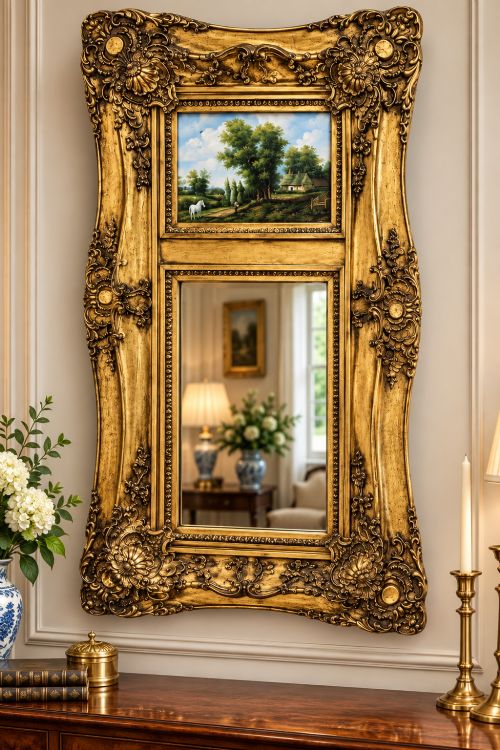
- A decorative wall mirror combined with an oil painting or panel above the glass. Originating in France, these pieces hung between windows or over mantelpieces.
- Stipple engraving
- A printmaking technique using dots to create tonal gradations and figures. This method produced soft, painterly images popular in the eighteenth and nineteenth centuries.
Antique Giltwood Wall Picture: Frequently Asked Questions
How do I hang a heavy giltwood frame?
These frames require secure fixings screwed directly into wall studs or heavy-duty wall anchors suited to the weight of the timber and gesso.
Using a professional picture wire or strap hangers attached to the frame structure ensures the piece remains balanced and secure against the wall.
How should I clean antique giltwood?
Dust the carved surfaces gently with a soft, dry brush to avoid disturbing fragile gold leaf or flaking gesso.
Water and chemical cleaning agents must be avoided entirely, as moisture strips the historic gilding from the wood base.
Can I replace the glass in an old mirror?
Original mirror glass often exhibits foxing and distortion that collectors value for its authenticity and age.
If replacement is necessary due to damage, new glass is cut to fit the rebate of the historic frame while preserving the backing.
What is a trumeau mirror?
A trumeau combines a vertical wall mirror with an oil painting or decorative panel within a single architectural frame.
Georgian and Victorian interiors utilised these pieces above mantelpieces to reflect light and display artwork simultaneously.