
Antique Gilt Pier Table
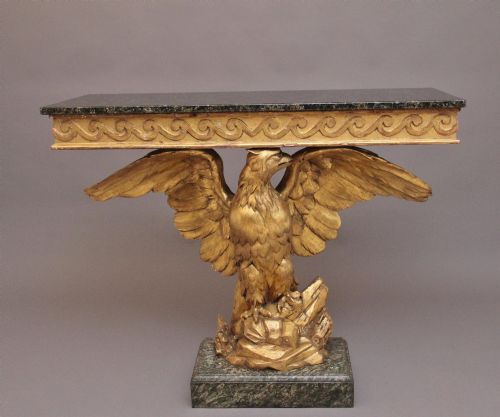
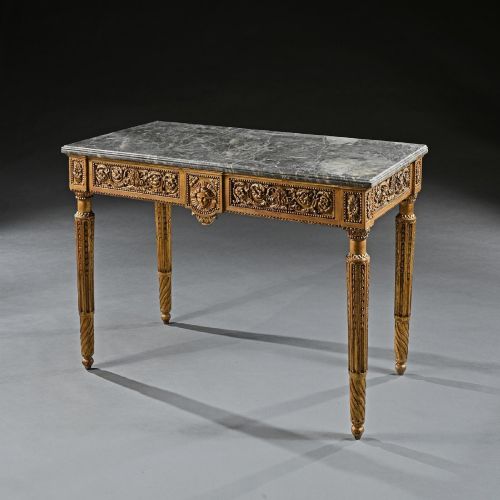
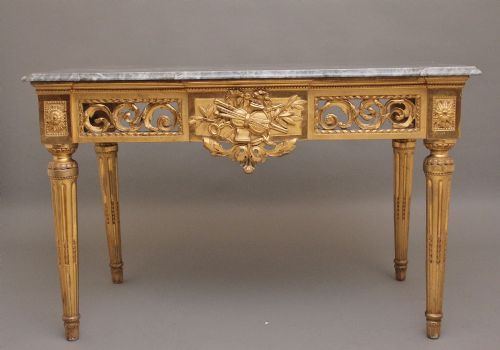
An antique gilt pier table brings structural grace and gilded warmth to a reception room wall, designed originally to stand beneath a tall mirror.
Antique Gilt Pier Table
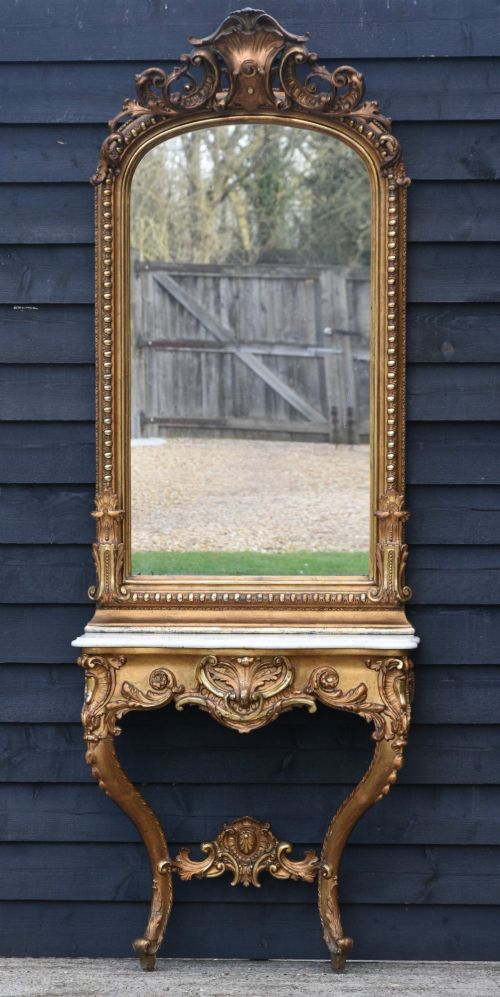
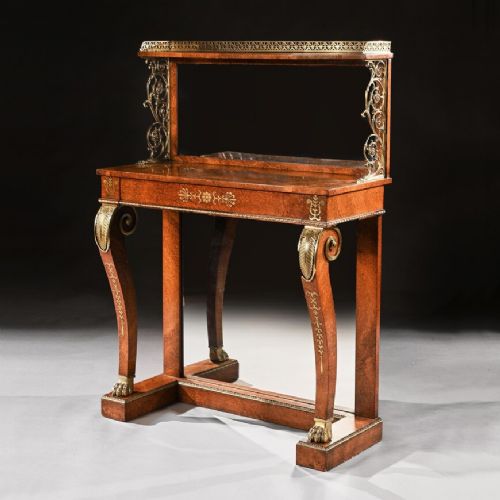
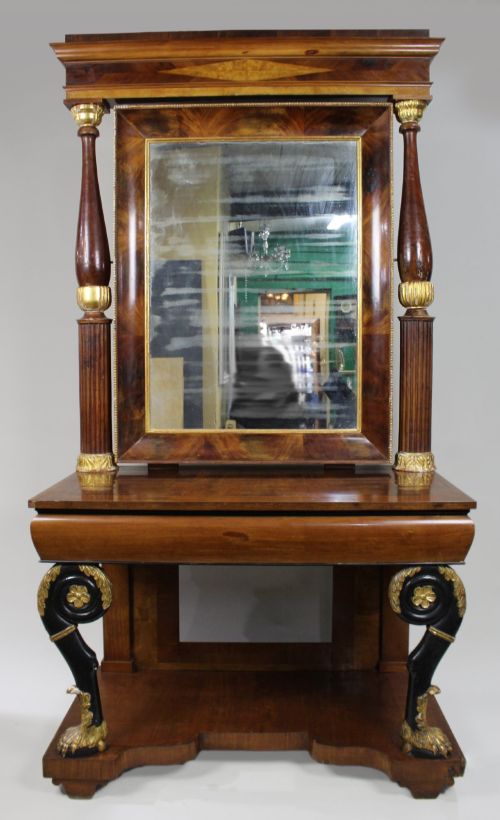
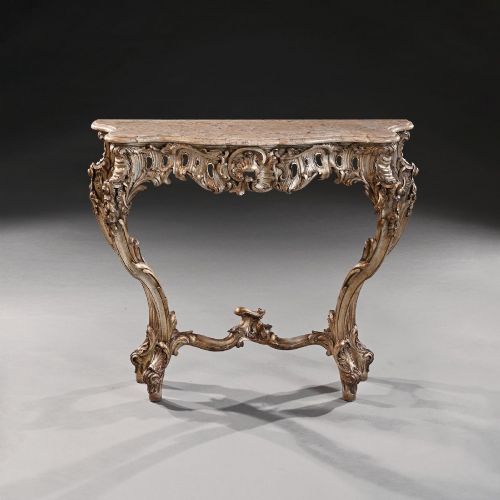
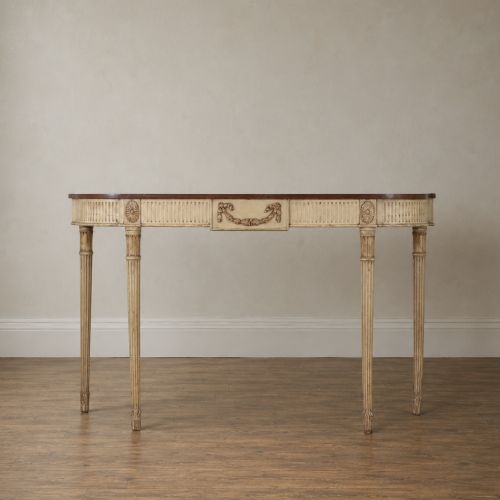
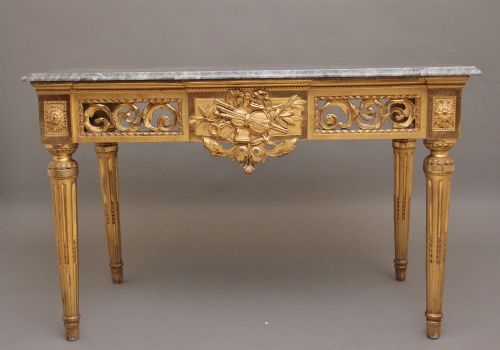
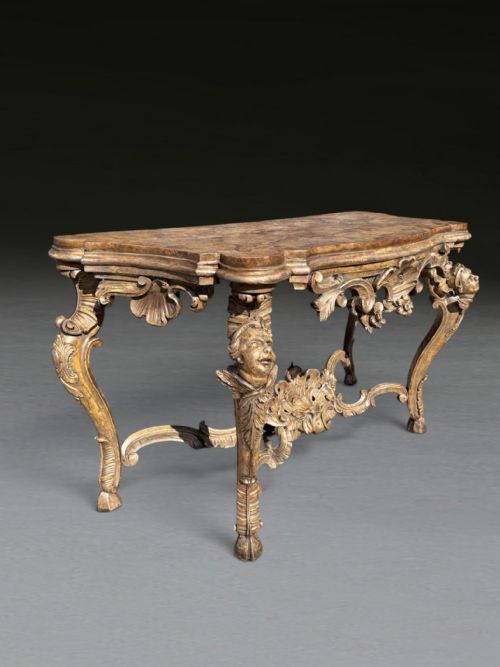
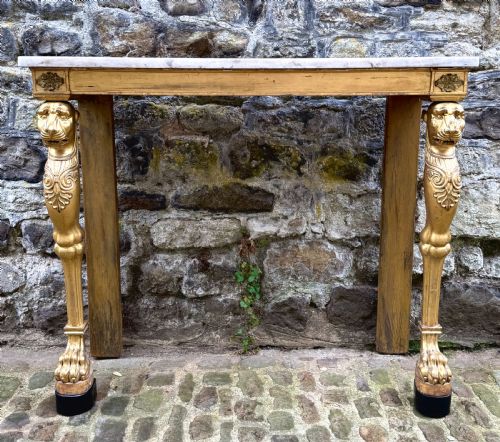
When you search for an antique gilt pier table, you encounter substantial console tables and side tables created to occupy the wall space between windows. The pieces recorded here span the eighteenth, nineteenth, and early twentieth centuries, drawing heavily upon French Rococo, Italian Neoclassical, and Regency design vocabulary. Many survive paired with matching pier mirrors, designed to unite the vertical architecture of a room with the furniture below.
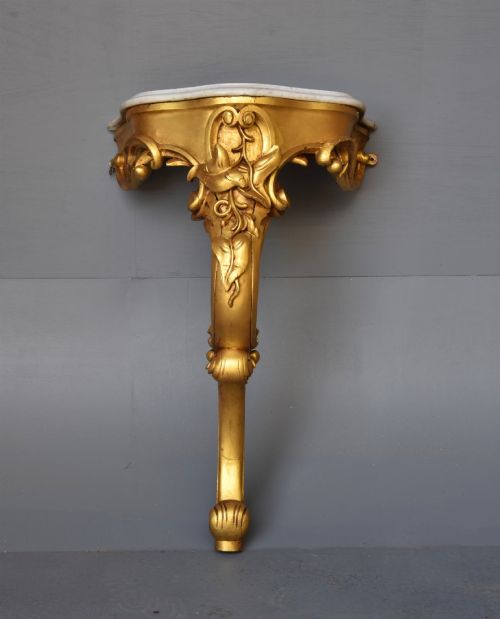
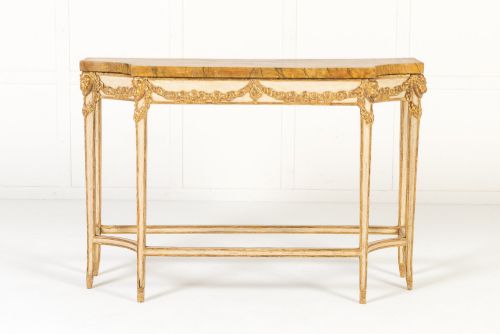
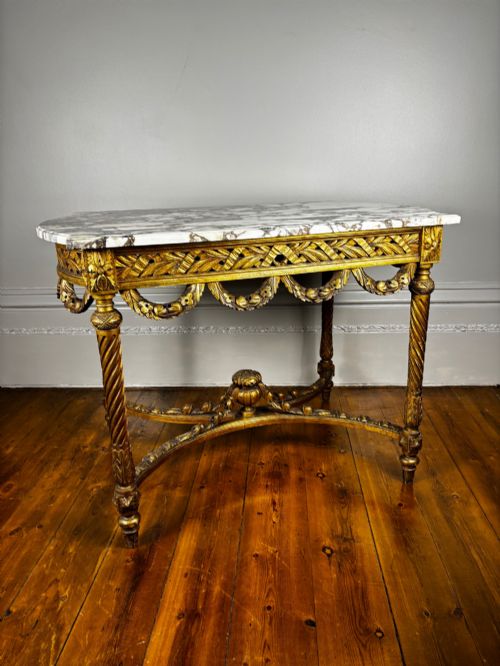
The versions most commonly met on this page date from the nineteenth century, often reflecting Louis XV revival or Empire tastes with serpentine marble tops and carved wooden frames. Earlier examples from the eighteenth century appear in Italian and French formats, showing deeper carving in giltwood. Occasional pieces utilise painted surfaces with parcel gilt details, demonstrating how workshops adapted grand court styles for domestic townhouses.
Materials and construction
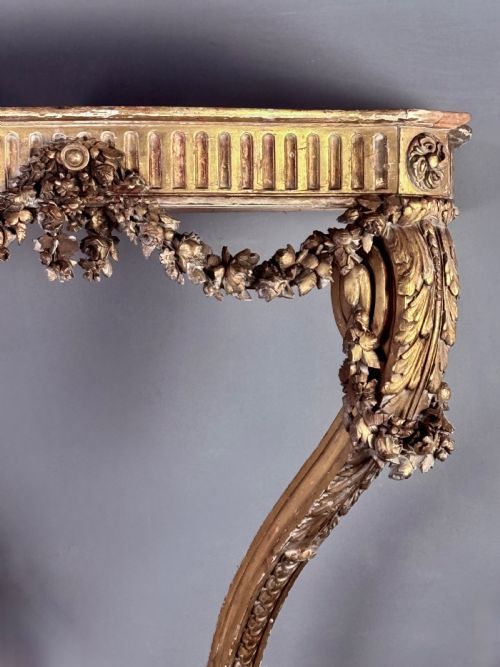
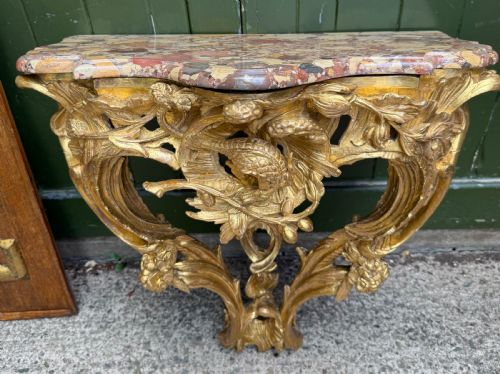
Makers built these tables from structural timbers such as mahogany, walnut, and rosewood, applying a thick layer of gesso over the wood before gilding. This gesso layer received intricate hand-carving for scrollwork, foliage, and figural supports, allowing crisp definition beneath the gold leaf. Parcel gilt examples combine exposed natural or painted wood surfaces with selectively gilded highlights.
Heavy marble tops, including breccia, sienna, and figured varieties like breche d’alep, rest directly upon the wooden frieze. These stone slabs required precise mason work to match the serpentine or rectilinear contours of the gilt frames below. Gilding was executed using gold leaf applied to the prepared gesso, sometimes combined with silver gilt for alternative tonal effects.
Several tables come paired with their original pier mirrors, ensuring they can finally stop glaring at separate walls after a century apart.
Judging the execution
Quality rests upon the crispness of the hand-carved gesso and wood beneath the gold leaf, where deep, sharply defined foliage separates superior workshop output from softer, mechanical moulding. The selection and thickness of the marble top also dictate grade, with figured breccia and sienna slabs marking higher status than plain white stone. Workshop stamps and documented French or Italian attributions elevate certain console bases far above anonymous regional manufacture.
Structural integrity of the wall fixings matters greatly, as original pier tables relied on the wall for balance alongside their front legs. The preservation of the original gold leaf surface, free from heavy over-gilding or modern bronze paint restoration, determines historical authenticity. Pier tables retaining their original matching mirrors represent a higher tier of survival compared to tables separated from their vertical glass over time.
Felix-Alfred Ternisien·Krieger Paris
The Antique Gilt Pier Table Glossary
- Pier table
- A table designed specifically to stand against the wall between two windows, frequently positioned beneath a tall pier mirror. These pieces often feature flat backs and decorative front legs.
- Giltwood
- Timber, usually lime or pine, that has been coated in gesso, smoothed, and covered with thin sheets of gold leaf. It provides a brilliant reflective surface under candlelight.
- Gesso
- A mixture of gypsum or chalk and animal glue applied to wood to create a smooth surface for carving and gilding. It allows craftsmen to achieve sharp relief details.
- Parcel gilt
- A decoration technique where only specific raised parts or carved details of a wooden or painted object are gilded, leaving the base wood or paint exposed elsewhere.
- Breccia marble
- A decorative stone composed of angular rock fragments embedded in a fine-grained matrix, frequently utilised for luxury table tops during the eighteenth and nineteenth centuries.
Antique Gilt Pier Table: Frequently Asked Questions
What is a pier table?
A pier table is a form of console table built to stand flat against the wall between two architectural windows. They typically sat directly beneath matching vertical mirrors to reflect light into darker period rooms.
Because they stood against walls, many examples relied partly on wall attachment for stability alongside their front legs. Their shallow depth distinguished them from freestanding centre tables.
How do I style a gilt table?
Place the table against a prominent hallway or drawing room wall where its reflective surface catches natural light. Pairing the piece with a tall mirror completes the historic arrangement intended by nineteenth-century designers.
Keep surface objects minimal to let the carved gesso and marble top remain the primary focus of the room. Ensure the wall fixings are secure if the table relies on structural support for balance.
Are marble tops original?
Marble tops on these tables are generally original to the piece, cut specifically to follow the curves of the wooden base. Heavy stone slabs such as breccia or sienna were standard for high-status console tables.
Differences in the marble's veining and edge profile help confirm whether the stone belongs to the frame's period. Replacement tops occasionally occur due to historical breakages during domestic moves.
How do I spot a revival piece?
Revival pieces from the late nineteenth or early twentieth centuries emulate earlier Louis XV or Baroque aesthetics using manufacturing methods of their own era. Examine the gesso preparation and tool marks beneath the gilding to understand the period of execution.
Stylistic proportions and wood shrinkage patterns also provide clear clues to distinguish nineteenth-century revival work from eighteenth-century originals.