

Rococo Giltwood Table
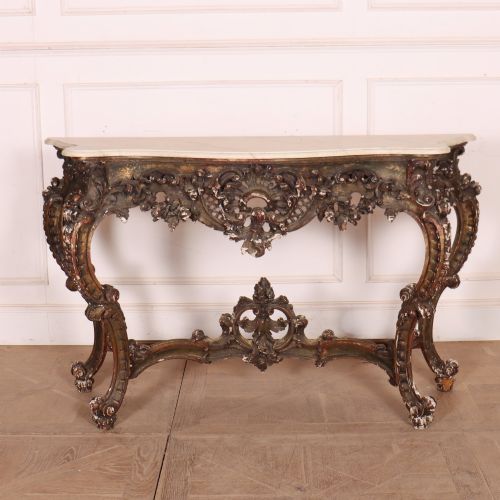
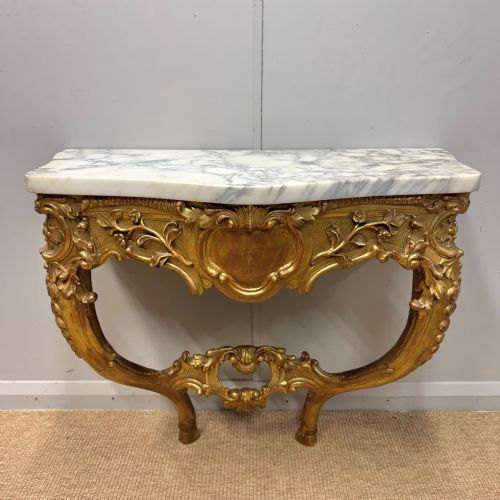
A rococo giltwood table brings exuberant carved scrollwork and gilded surface into a room with undeniable presence.
Rococo Giltwood Table
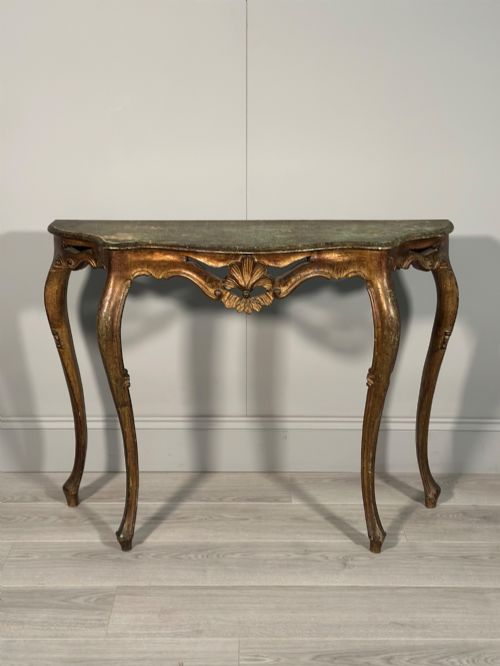
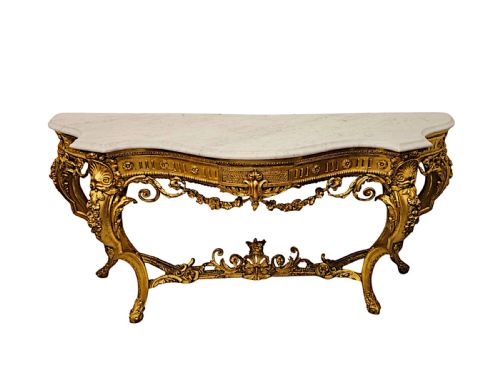
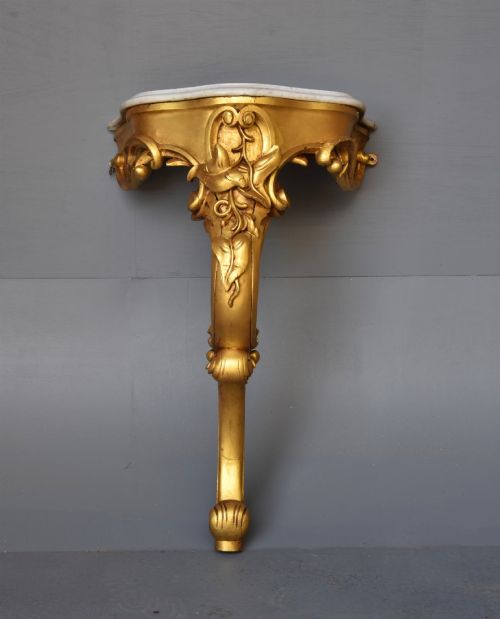
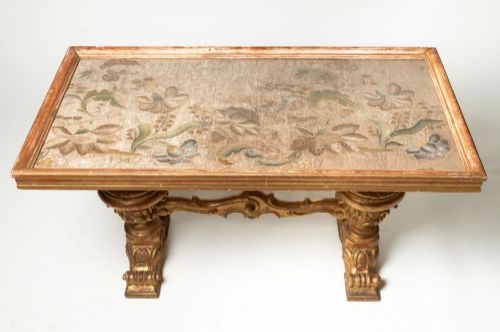
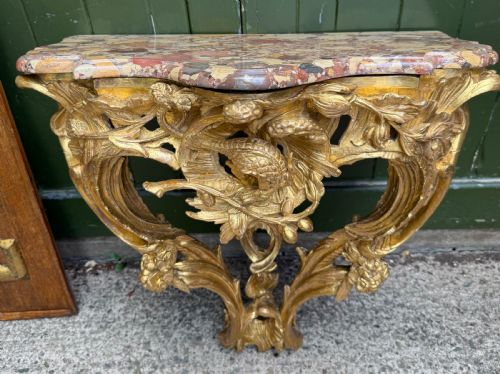
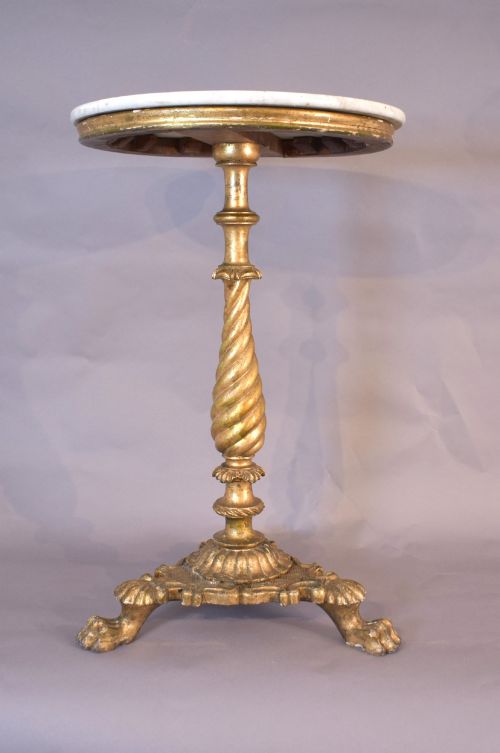
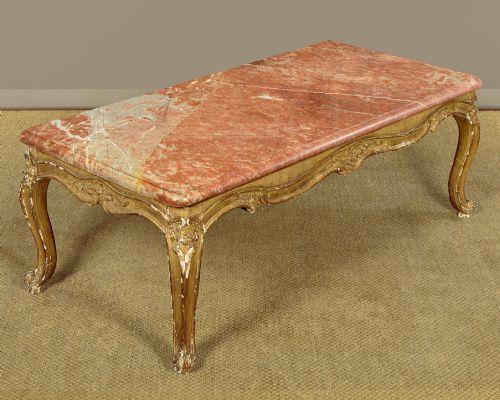
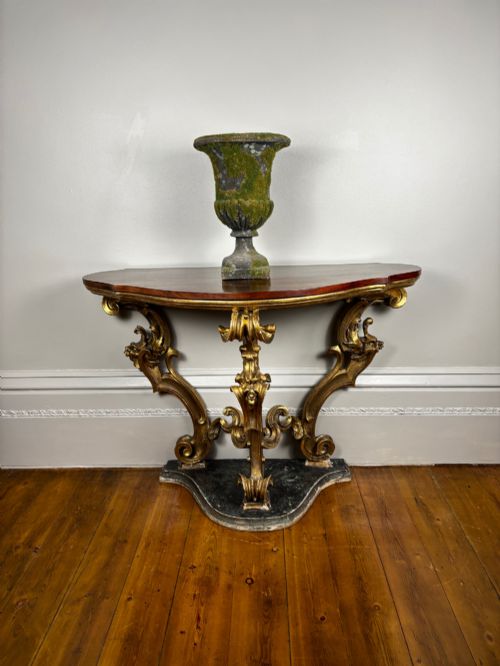
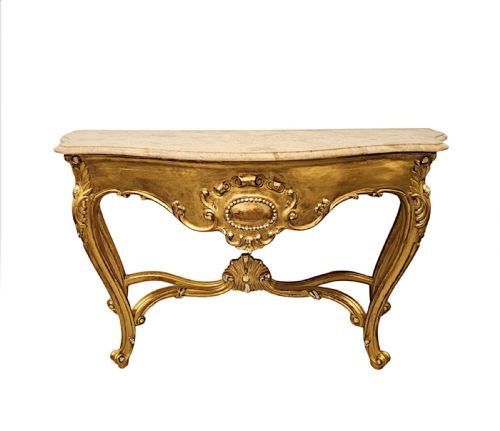
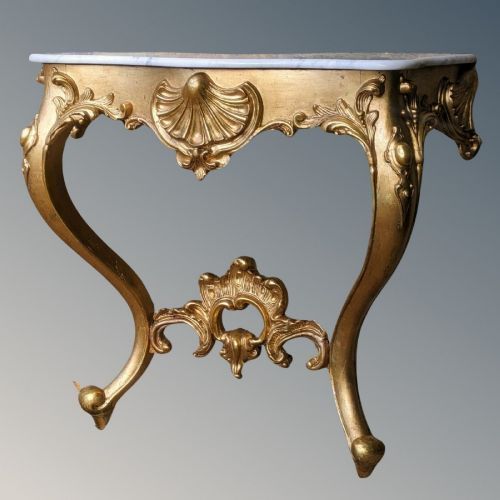
A rococo giltwood table is typically encountered as a console, coffee, or side table, often topped with figured marble. The pieces available here span from eighteenth-century origins to twentieth-century revivals.
French and Italian workshops dominate the selection, showing styles from French Rococo and Rococo Revival to Venetian Baroque. Console tables designed to sit against a wall form the largest portion of the available items.
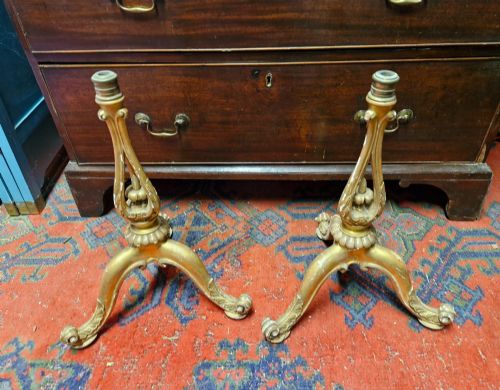
Buyers also find occasional tables, centre tables, and occasional lamp bases alongside the larger console formats. These items bring period character to both grand rooms and smaller interiors.
Materials and construction
Carved wood provides the primary structural framework for these pieces, overlaid with gesso to prepare the surface for gilding. Gold leaf is then applied to create the characteristic metallic sheen.
Heavy marble tops, including breccia and carrara varieties, frequently rest upon the carved wooden bases. Glass and painted wood also appear in specific iterations within the collection.
Rococo Giltwood Table Retail Price Guide 2026
Typical asking prices for rococo giltwood table among the pieces listed under this phrase on Sellingantiques today, from the lower quarter to the upper quarter. They describe what is for sale here now, not the wider market.
Distinctions in quality
The depth and fluidity of the hand-carved wooden ornament separate standard pieces from exceptional examples. Crisp execution in the gesso and gold leaf layer dictates the visual impact of the surface.
The choice and thickness of the marble top also define the grade of the piece, with weighty, figured stone marking the higher end of the range.
The Rococo Giltwood Table Glossary
- Giltwood
- Wood that has been coated with gold leaf or powder. This finish gives the carved surfaces their bright, reflective golden appearance.
- Console table
- A table supported by wall brackets or console legs designed to stand against a wall. These often feature elaborate front carving and fitted marble tops.
- Gesso
- A plaster-like mixture applied to wood to create a smooth surface for gilding. It allows carvers to achieve sharp detail before the gold leaf is laid down.
- Rococo revival
- A nineteenth-century design movement that re-interpreted eighteenth-century rococo motifs. Pieces from this era lean heavily into asymmetric scrolls and naturalistic forms.
- Breccia marble
- A type of marble composed of broken fragments embedded in a fine-grained matrix. It provides a highly figured, multi-coloured surface to table tops.
Rococo Giltwood Table: Frequently Asked Questions
Where should I place a console table?
Console tables sit naturally against a flat wall in a hallway, drawing room, or dining area. Their shallow depth allows them to occupy narrow spaces without obstructing movement.
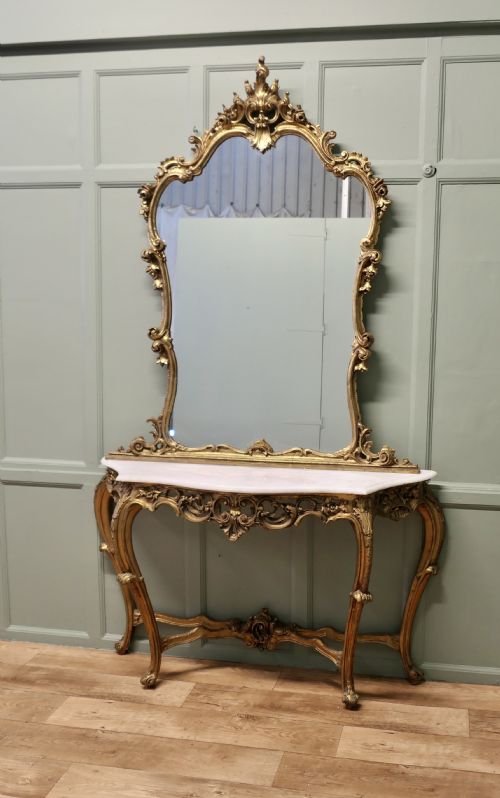
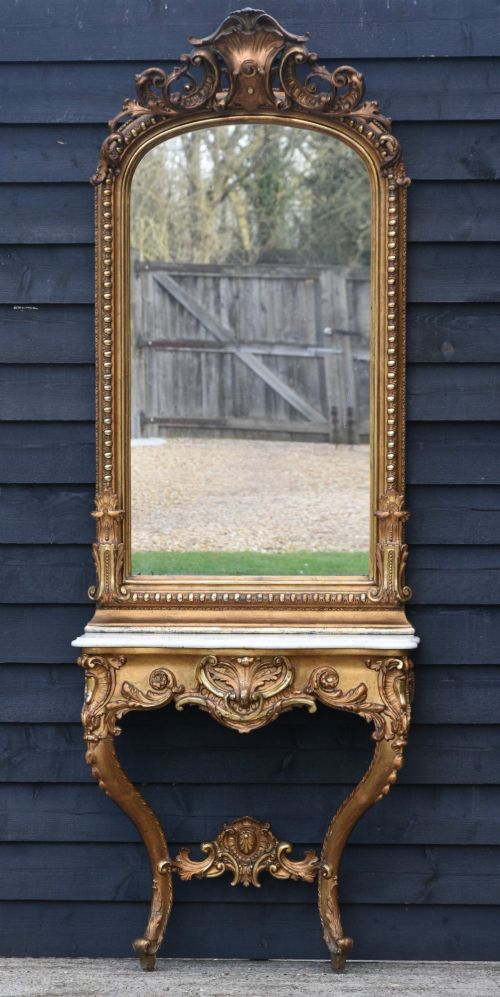
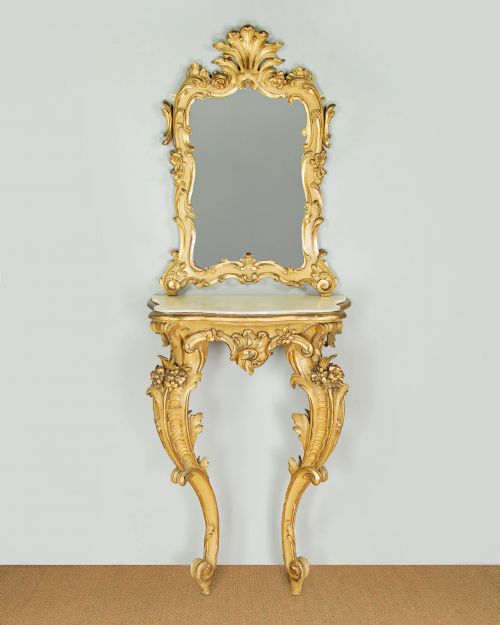
Pairing a console with a matching mirror, as many historical sets intended, creates a balanced focal point in a reception room.
How do I care for a giltwood surface?
Giltwood requires gentle maintenance to protect the delicate gold leaf layer. Dusting with a soft, dry cloth prevents particle buildup without abrasion.
Keep these tables away from direct sunlight and moisture, which can damage the underlying gesso and wood over time.
Are marble tops original to the tables?
Many tables retain their heavy marble slabs, which were cut specifically to fit the serpentine or rectilinear frames. Figured stones like breccia and carrara were standard choices for grander pieces.
Inspecting how the marble rests on the wooden base helps confirm its historical relation to the frame.
What is the difference between rococo and baroque?
Baroque design tends to be heavy, symmetrical, and monumental, projecting absolute power and formal grandeur. Rococo lightens these forms with asymmetry, C-scrolls, and playful, nature-inspired motifs.
Tables from the revival periods often blend elements of both, leaning towards the lighter, more curved aesthetic of the mid-eighteenth century.