
Antique Gilded Clock
An antique gilded clock brings warmth and metallic brilliance to a room, spanning French Rococo, Empire and Victorian mantel and carriage forms.
Antique Gilded Clock
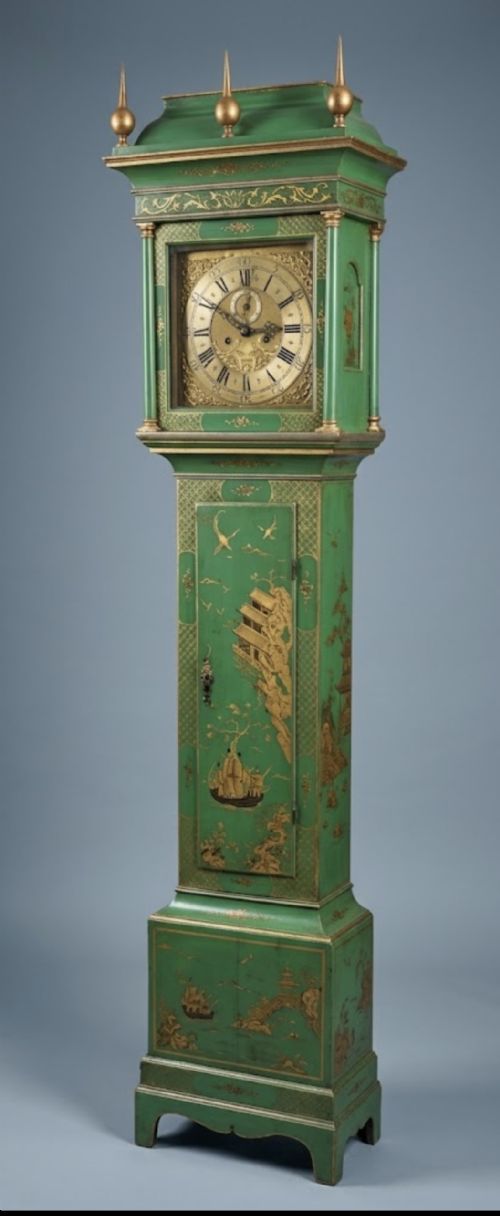
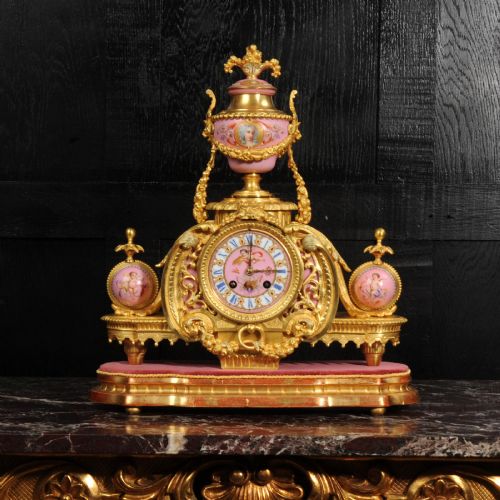
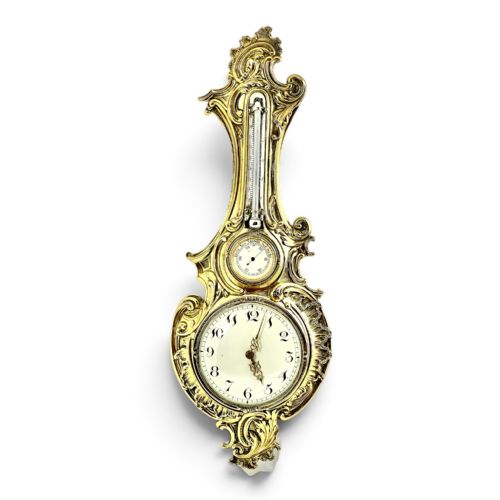
When searching for an antique gilded clock, collectors encounter a wide variety of timepieces primarily originating from nineteenth-century France and Victorian Britain. The selection spans mantel clocks, carriage clocks, wall clocks, and complete clock garnitures flanked by matching ornaments or porcelain urns.
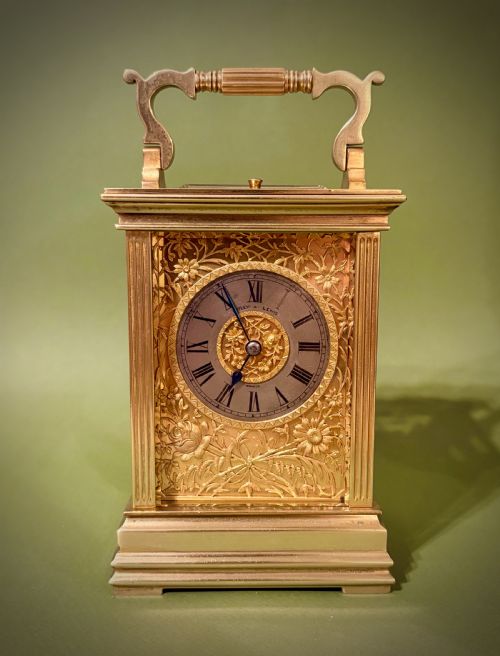
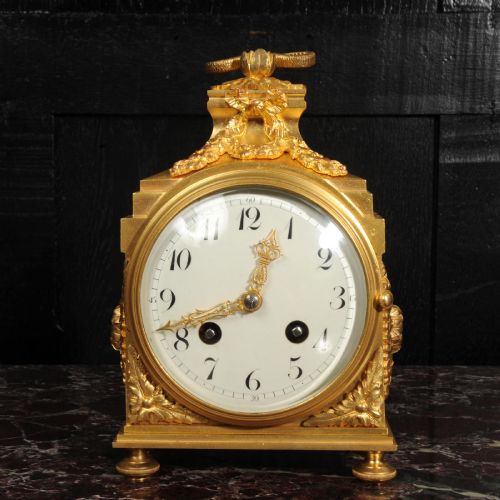
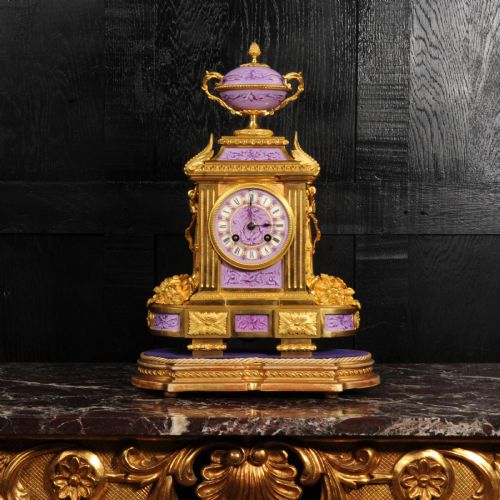
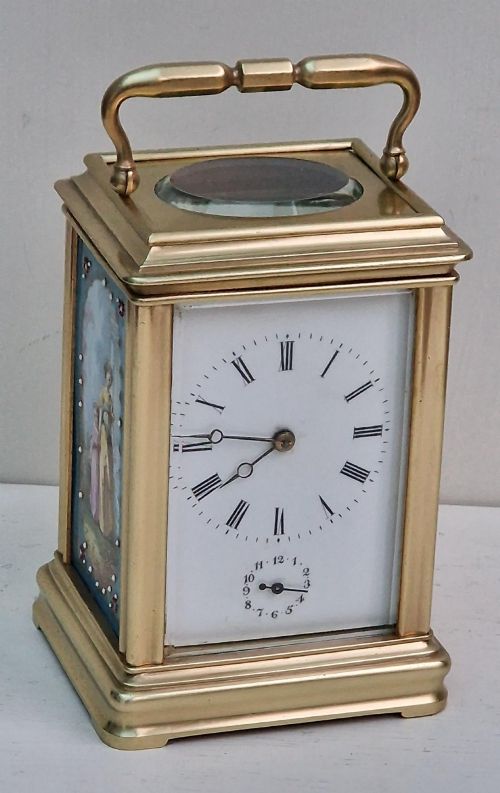
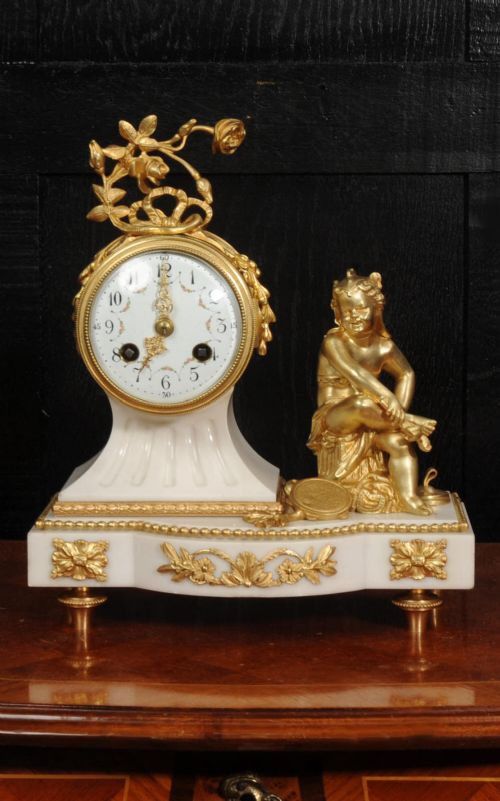
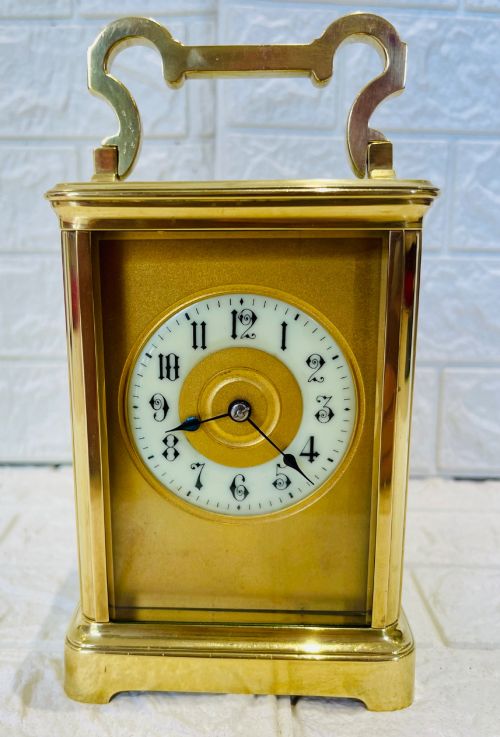
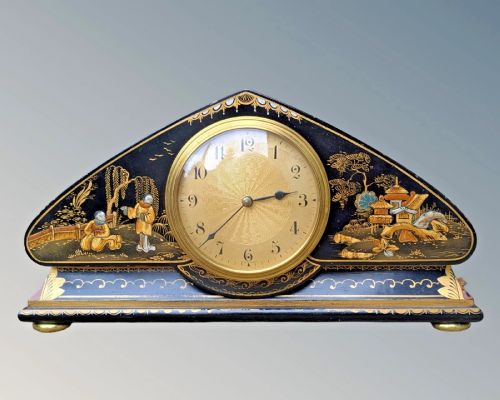
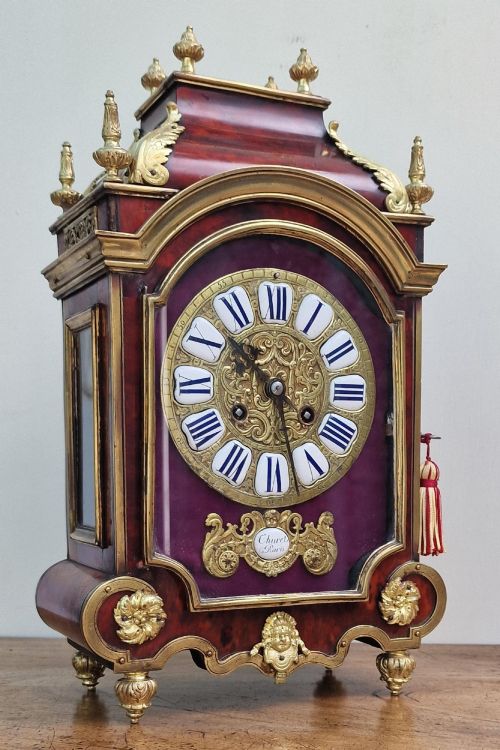
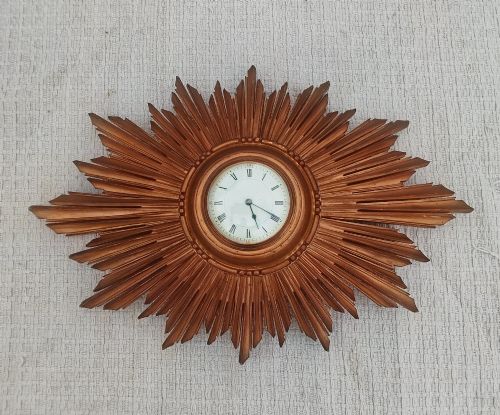
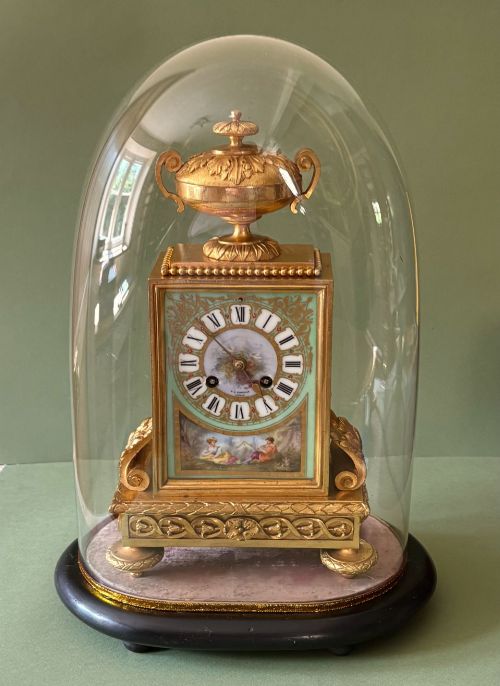
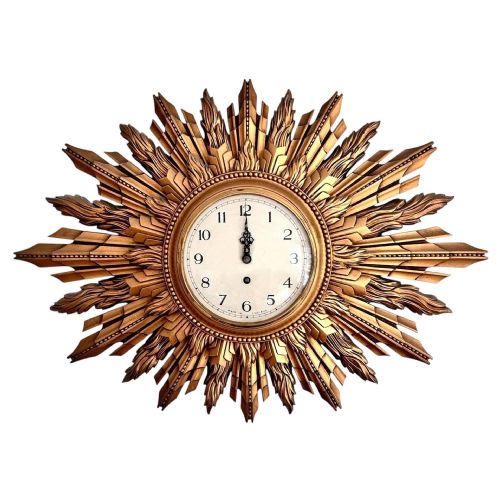
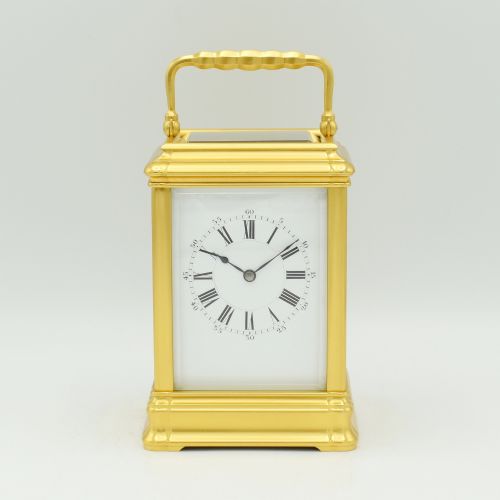
Mantel clocks dominate the selection, often taking architectural forms in ormolu, gilt bronze, brass, and marble. Smaller carriage clocks with glass panels and brass or gilt cases appear frequently, alongside occasional wall-mounted star burst designs and portico clocks.
How they were made
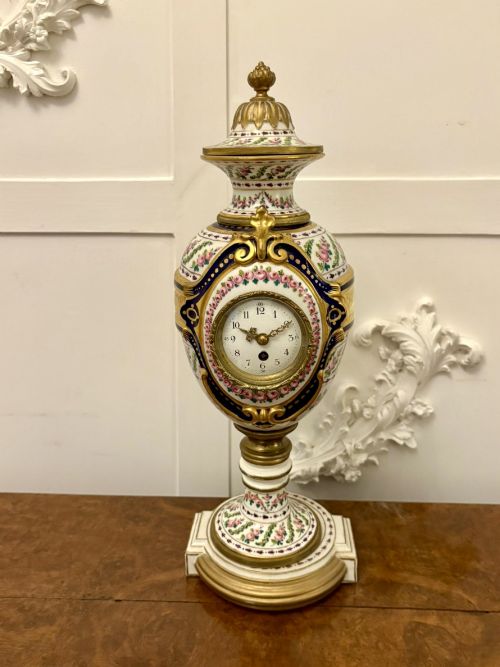
Makers utilised cast bronze, brass, and gilt metal, applying mercury gilding or electroplating to achieve a brilliant metallic finish. Cases frequently incorporate panels of hand-painted Sèvres porcelain, white enamel dials with delicate numerals, and sections of contrasting green or dark marble.
Movement construction involved intricate brass gear trains, striking mechanisms, and platforms for escapements, often housed within heavy cast cases secured with precision fitments. Decorative elements like champlevé enamel, tortoiseshell veneers, and cast relief work required specialist metalworking and assembly skills.
Several carriage clocks feature striking mechanisms designed to repeat the last hour chime on demand, ideal for checking the time in the dark.
What varies in quality
Quality rests heavily on the crispness of the cast ornamentation and the depth of the gilding across the metal surface. Superior pieces display finely chased details in the ormolu and well-preserved hand-painted porcelain panels rather than flat, uniform stampings.
The reputation of the maker and the complexity of the movement, such as repeating striking mechanisms or signed plates, separate standard productions from exceptional works. Preservation of the original dial enamel and the harmony between the clock and its matching garniture elements also dictate overall standing.
Achille Brocot·Japy Freres·Henri Jacot·C. Detouche·A. D. Mougin
The Antique Gilded Clock Glossary
- Ormolu
- Gilded bronze produced by applying a mercury and gold amalgam to a bronze base and heating it. This technique creates a durable, warm metallic lustre characteristic of fine French decorative arts.
- Garniture
- A set consisting of a central clock accompanied by matching side pieces such as vases, urns, or candelabra. These sets were designed to sit symmetrically on a mantelpiece.
- Carriage clock
- A portable spring-driven timepiece fitted with a carrying handle and glass panels allowing the movement to be seen. They originated for travel use during the eighteenth and nineteenth centuries.
- Champlevé
- An enamelling technique where troughs or cells are hollowed out of a metal surface and filled with vitreous enamel before firing. The metal partitions remain visible between the coloured enamel areas.
- Pendule d'Officier
- A specific style of French officer or carriage clock featuring a substantial freestanding form. They often combine military utility with refined decorative gilding.
Antique Gilded Clock: Frequently Asked Questions
How do I wind an antique gilded clock?
Most mechanical models utilise a key inserted into specific winding holes on the enamel dial to tension the internal springs. Care must be taken not to overwind the mechanism.
Striking and repeating clocks require the gear train to complete its cycle without forced intervention by hand. Consulting the specific movement type ensures safe ongoing operation.
What is the difference between ormolu and brass?
Ormolu consists of a cast bronze base treated with a gold alloy or mercury gilding process to yield a rich, deep golden tone. It was typically reserved for high-status decorative items.
Standard brass is an alloy of copper and zinc with a simpler yellow metallic appearance. Brass appears widely in clock movements and simpler utilitarian cases.
How should I clean a gilded clock case?
Dusting with a soft, dry microfibre cloth removes surface particles without abrasion. Moisture and chemical polishes must be avoided to protect fragile gilt surfaces.
Harsh metal cleaners will strip away thin historical gilding layers permanently. Professional conservation is recommended for deep cleaning or restoration.
Where were most of these clocks made?
A large proportion of nineteenth-century examples originate from workshops in Paris and other French manufacturing centres. These pieces reflect prevailing European design movements like Rococo Revival and Empire styles.
British makers and retailers also produced and retailed clocks during the Victorian period, sometimes incorporating imported movements into domestic cases.