
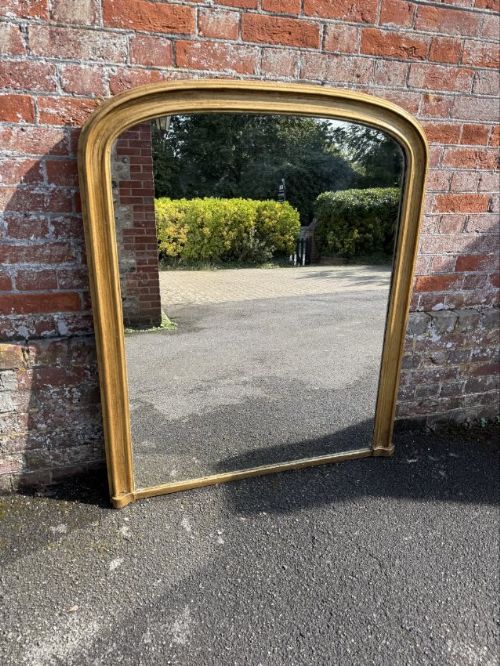
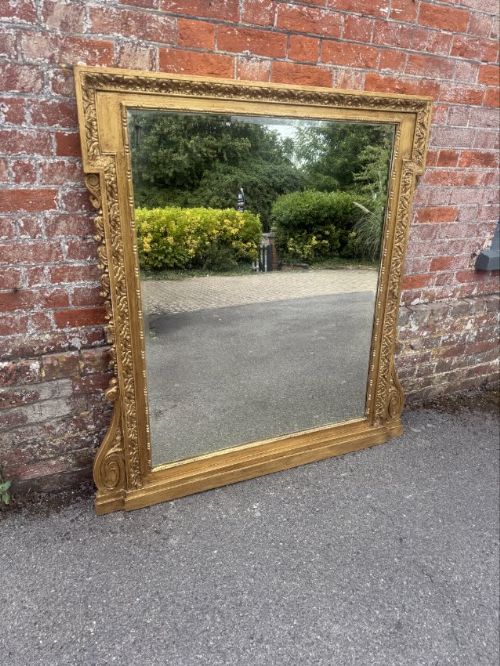
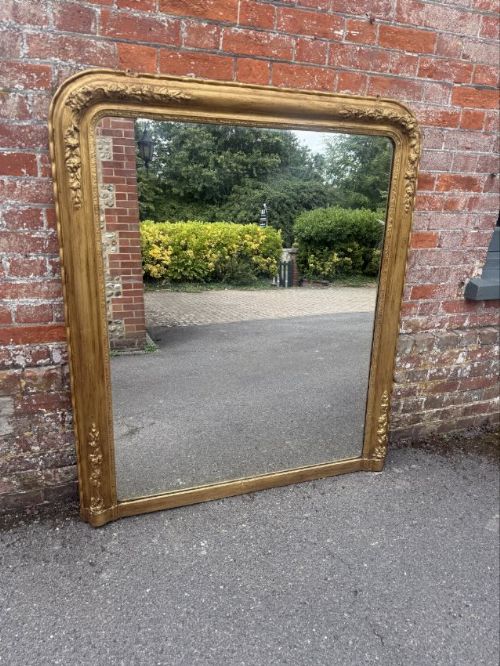
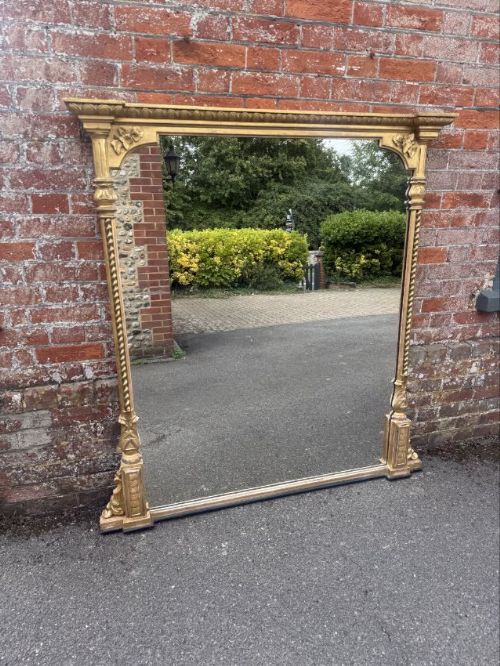
Antique Gesso Mirror
These pieces are antique gesso mirrors, bringing decorative frames and historic glass to interiors through carved wood and plaster surfaces.
Antique Gesso Mirror
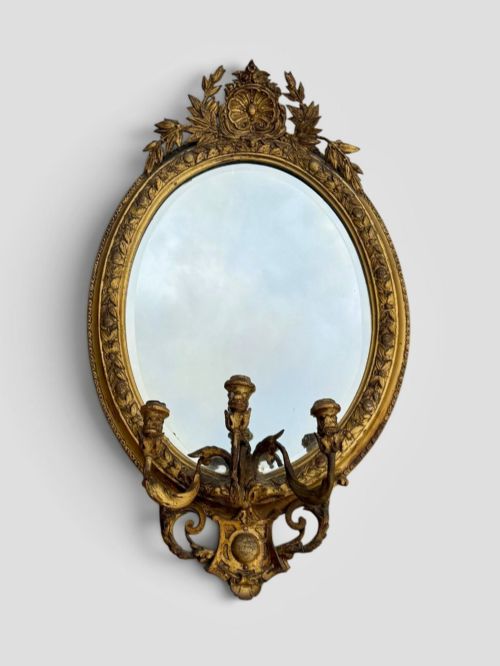
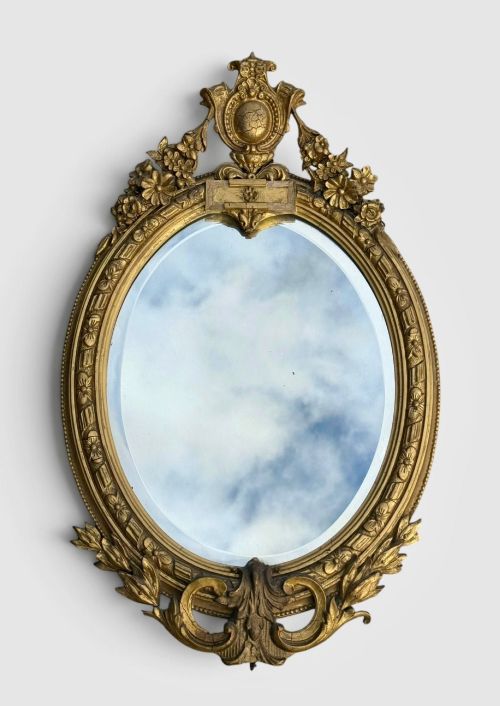
When searching for an antique gesso mirror, buyers encounter a wide variety of wall hanging formats originating from the eighteenth and nineteenth centuries.
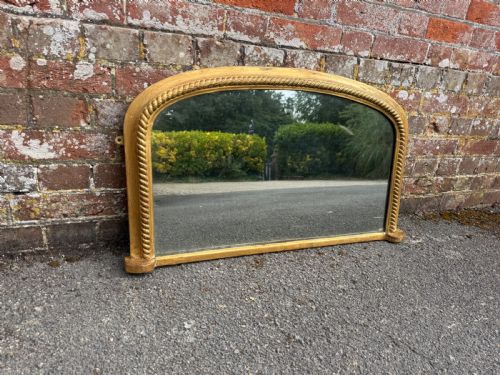
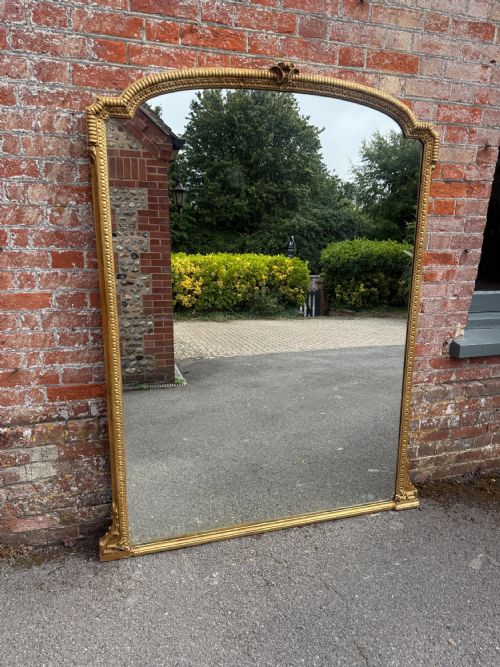
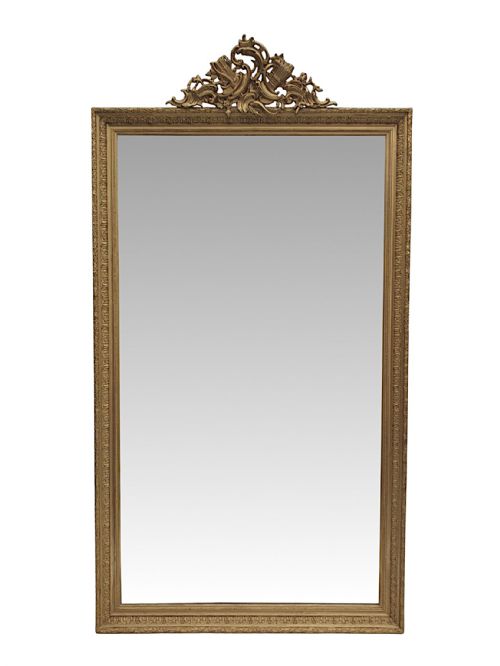
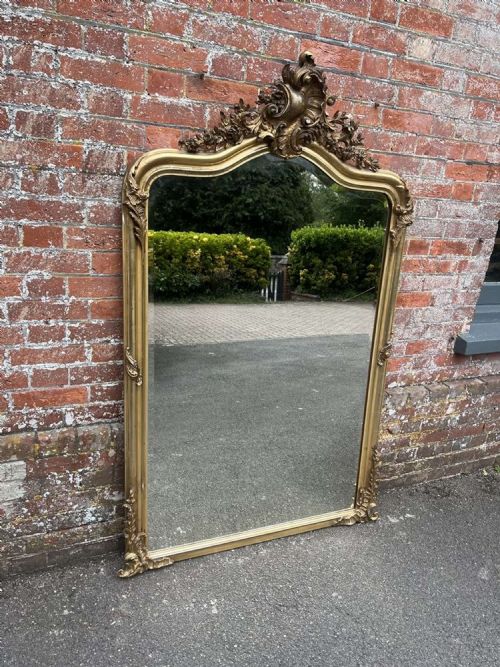
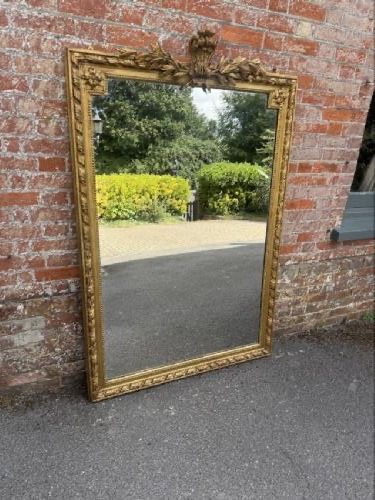
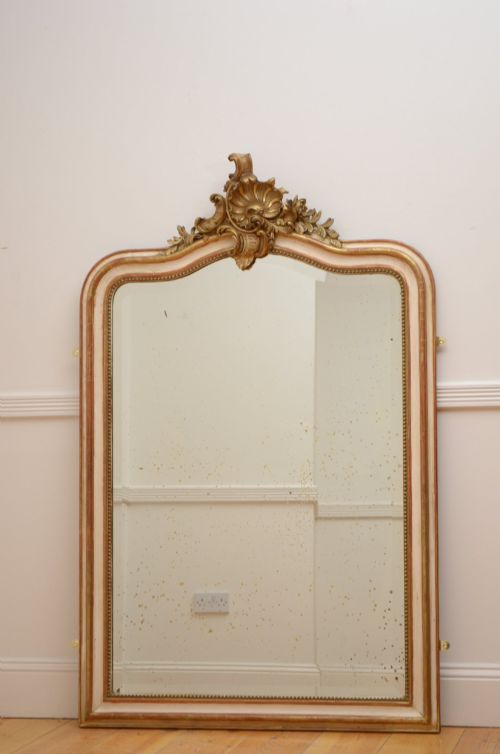
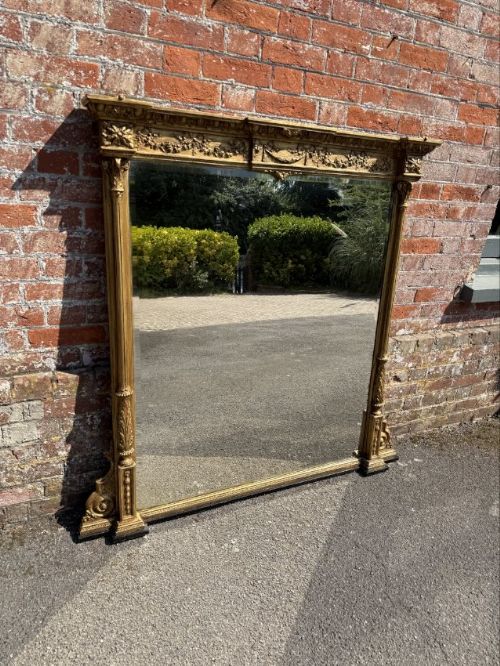
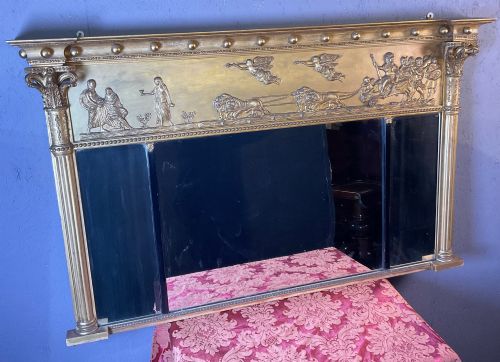
The most common version met on this page is the large English nineteenth century overmantle mirror, frequently designed with an arched top and gilt finish.
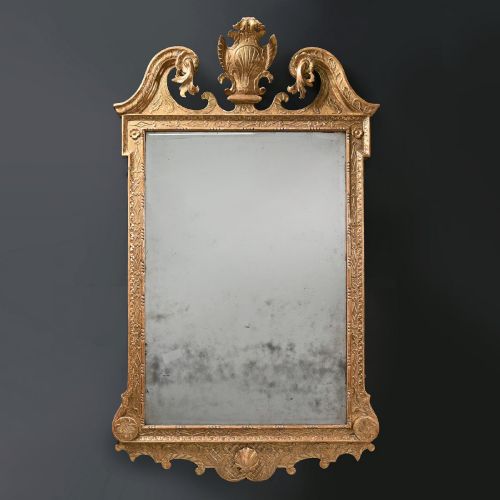
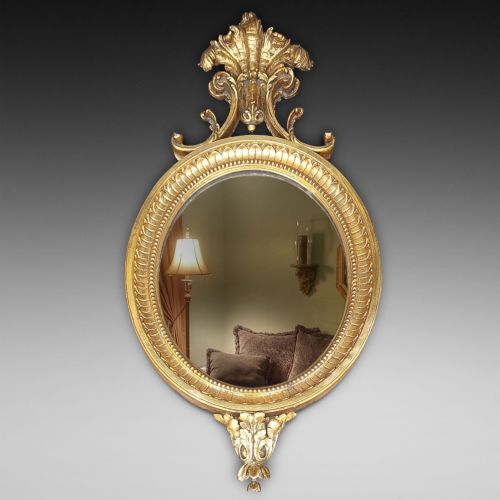
French examples also appear regularly alongside eighteenth century George II and Louis periods, spanning wall mirrors, pier mirrors, and smaller toilet or table pieces.
Materials and construction
Frames start with a carved wood or wooden foundation built to shape the core structure of the mirror.
Layers of gesso, a plaster mixture, are applied over the wood base and sculpted into ornate motifs, rope twists, ribs, or columns.
Surfaces are finished with gold leaf, silver leaf, paint, or giltwood before mirror glass is fitted into the rebate.
Materials recorded across the inventory include glass, brass, carved wood, and gold leaf.
Design and execution
The depth and intricacy of the carved gesso decoration separate standard items from superior examples.
Original gilding and untouched surface patination distinguish pieces that retain their historic character from those altered over time.
The Antique Gesso Mirror Glossary
- Gesso
- A plaster compound made from chalk or gypsum mixed with a binder, applied to wood frames to create a smooth or sculptured surface for gilding.
- Giltwood
- Timber that has been coated with a thin layer of gold leaf or gilt finish, commonly seen across eighteenth and nineteenth century frames.
- Overmantel mirror
- A large horizontal mirror designed specifically to hang on the wall above a fireplace mantelpiece.
- Pier mirror
- A tall, narrow mirror made to hang on the wall space between two windows.
- Girandole
- An ornamental wall mirror fitted with one or more candle sconces attached to the frame.
Antique Gesso Mirror: Frequently Asked Questions
Where should I hang an overmantel mirror?
These large mirrors are traditionally mounted on the wall directly above a fireplace mantelpiece to reflect light and fill vertical space.
They also function effectively on main living room walls as statement decorative pieces.
How do I clean an antique gesso frame?
Dust the ornate plaster surfaces gently with a soft dry brush to prevent damage to the delicate relief work.
Avoid using liquid cleaners or abrasive cloths that can strip the historic gilt or paint layers.
What is the difference between giltwood and gesso?
Giltwood refers to solid or carved timber covered in gold leaf, whereas gesso is the plaster layer applied over a wooden base to hold fine carved details.
Many antique frames utilise both materials together, with gesso built up over wood before gilding.
How do I identify a French nineteenth century mirror?
French pieces often display Rococo revival curves, asymmetric scrollwork, and painted finishes alongside traditional gilding. Nineteeth century examples from France frequently include Louis Philippe styles and shaped top profiles.