




Antique German Table Centrepieces
Antique german table centrepieces bring theatrical scale and meticulous modelling to a formal dining room.
Antique German Table Centrepieces
Antique german table centrepieces take the form of large porcelain figural bowls, candelabra, and silver-plated stands designed to anchor a formal dining table. These pieces emerge chiefly from nineteenth-century workshops in Meissen, Thuringia, and Berlin, alongside silver creations by makers such as WMF.
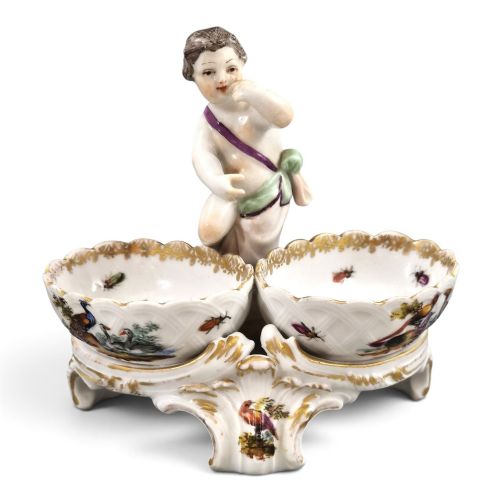
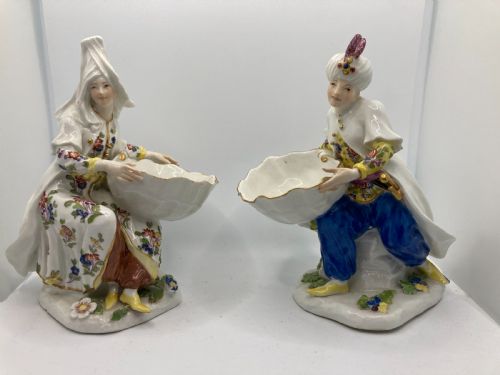
The buyer frequently encounters elaborate porcelain groupings featuring putti, cherubs, and animals intertwined with floral baskets or sweetmeat bowls. Metal alternatives utilise silver plate and sterling silver, spanning styles from Rococo Revival and Art Nouveau to Jugendstil.
How they were made
Porcelain centrepieces rely on detailed moulding combined with hand-painted enamels, gold leaf accents, and applied ceramic flowers. Artisans shape soft or hard paste porcelain into intricate figural components before high-temperature firing.
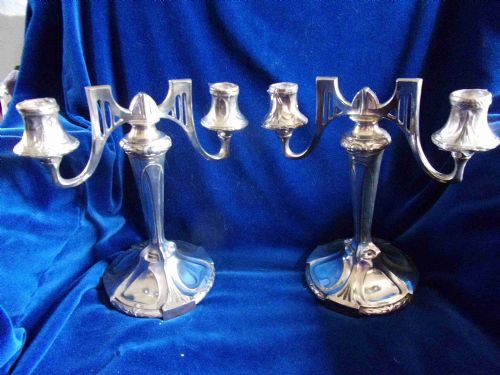
Metal centrepieces and baskets employ silver plating or solid 800 silver, often paired with blown cobalt blue glass liners. Stamped components and cast figures are soldered and chased to achieve smooth, decorative surfaces.
Materials documented across these listings include porcelain, enamel, gold leaf, silver plate, glass, base metal, sterling silver, and ceramic.
What varies in quality
The refinement of the hand-painting and the crispness of the porcelain modelling distinguish superior pieces from standard output. Finer examples display delicate facial expressions and meticulously sculpted individual flower petals rather than heavy, uniform casting.
In silver and plated wares, the weight of the metal and the complexity of the organic Jugendstil or Rococo ornamentation define the grade. Pierced metalwork and undamaged original glass inserts elevate the piece significantly.
KPM Berlin·Volkstedt Porcelain·Schierholz Porcelain·Scheibe Alsbach·Sitzendorf Porcelain·WMF·Meissen·Carl Thieme Dresden
The Antique German Table Centrepieces Glossary
- Jugendstil
- The German manifestation of Art Nouveau, characterised by flowing organic lines and natural motifs. This style flourished around nineteen hundred.
- Sweetmeat
- A small dish intended for confectionery, nuts, or dried fruits. These bowls often form part of figural porcelain table ornaments.
- Putti
- Plump, naked infant figures, frequently winged, appearing extensively in nineteenth-century porcelain modelling. They often support baskets or candle arms.
- 800 Silver
- A silver alloy containing eight hundred parts pure silver per thousand. This standard is commonly found in continental European metalwork.
Antique German Table Centrepieces: Frequently Asked Questions
How do I clean a porcelain centrepiece?
Use a soft dry brush to remove dust from intricate hand-modelled flowers and figural elements.
Avoid soaking painted porcelain in water to protect delicate enamel colours and gold leaf highlights.
What periods do these centrepieces cover?
The pieces span from eighteenth-century Meissen through nineteenth-century Victorian revival styles to early twentieth-century Jugendstil creations.
Most examples available originate from the late nineteenth and early twentieth centuries.
Were these items used for dining?
Yes, many functioned as decorative vessels for serving sweetmeats, fruit, or flowers during formal meals.
Larger candelabra and figural centrepieces served primarily as permanent table ornaments to impress guests.
How do I identify German porcelain marks?
Look underneath the base for underglaze blue swords, crowns, or factory ciphers stamped into the ceramic body.
Different kilns used specific symbols that indicate the manufacturing town and approximate production era.