




Antique German Statuettes
Antique german statuettes capture centuries of European craftsmanship, offering finely modelled porcelain and bronze figures that bring historical character to any room.
Antique German Statuettes
When searching for antique german statuettes, buyers encounter an array of sculpted forms including porcelain figures, bronze groups, and carved wooden objects. These items span from the delicate porcelain manufactures of the eighteenth century to the bolder designs of the early twentieth century.
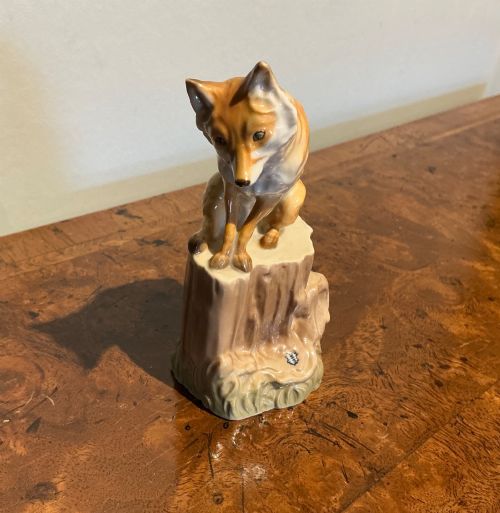
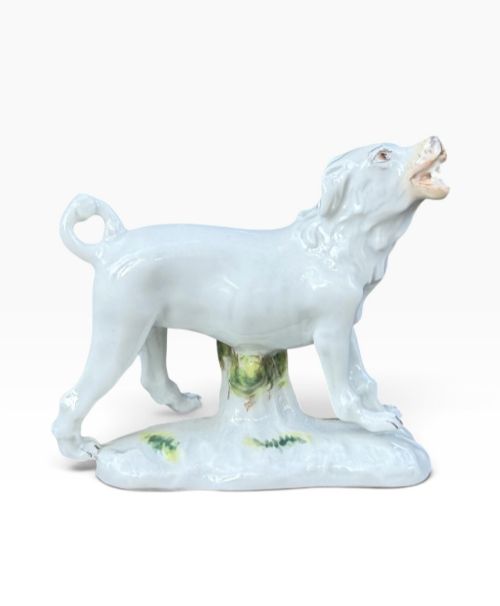
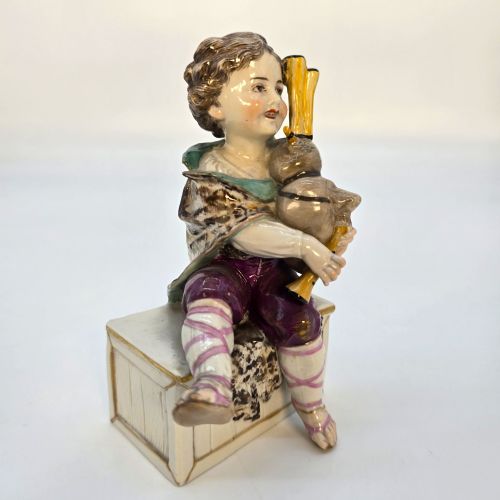
The selections most commonly met on this page originate from esteemed ceramic houses such as Meissen, Volkstedt, and Sitzendorf. Subjects range from pastoral gardeners and street traders to playful animals and allegorical groups, reflecting the shifting tastes of Victorian and Rococo Revival periods.
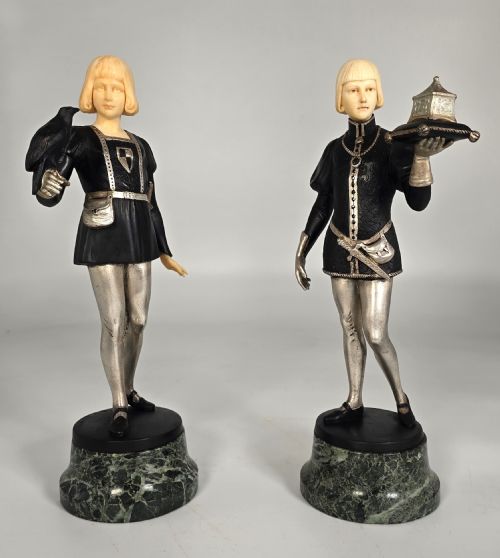
Makers utilised various regional styles, moving from intricate eighteenth-century polychrome enamel decoration toward the stylised cold-painted bronzes and carved boxwood of later decades. Each piece records a distinct chapter in European decorative art, whether modelled as a single standalone figure or assembled as a matching pair.
Materials and methods
Hard-paste porcelain forms the backbone of these collections, shaped in moulds and fired at high temperatures before receiving detailed hand-painted enamel decoration and gold leaf accents. Artisans also employed bisque porcelain, leaving the matte surface unglazed to emphasise the subtle modelling of facial expressions and drapery.
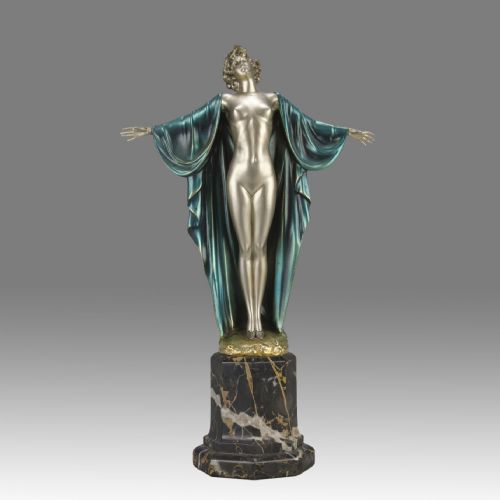
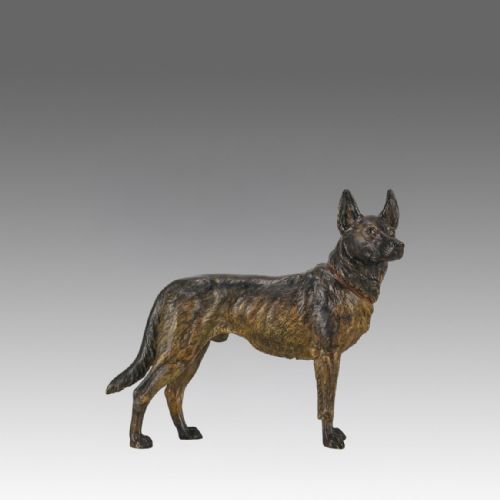
Bronze production relied on foundry casting, frequently enhanced through cold-painting techniques where intricate pigments were applied directly to the metal surface. Carved examples utilised organic materials such as boxwood, ivory, and alabaster, shaped with specialised gouges to achieve fine textures in hair and garments.
Countless porcelain shepherds still search miniature pastures for runaway lambs.
Markers of excellence
The distinction between standard commercial output and masterwork production lies in the depth of sculptural relief and the naturalism of posture. Early factory models retain a liveliness in the clay or bronze that later mass-produced copies often lack.
Ferdinand Preiss·Franz Bergman·Gotthilf Jaeger·Fritz Kochendorfer·Gotthelf Greiner
The Antique German Statuettes Glossary
- Bisque porcelain
- Unglazed ceramic ware fired to a porous, matte finish that resembles marble. It allows sculptors to capture subtle anatomical details without the interference of glossy glaze.
- Hard-paste porcelain
- A dense, durable ceramic composed of kaolin and petuntse fired at very high temperatures. This material permits thin moulding and resists scratching.
- Cold-painted bronze
- Metal sculptures decorated with unfired paint applied over the bronze surface. This technique produces vibrant, lifelike hues common in decorative animal and human figures from the late nineteenth and early twentieth centuries.
- Marcolini period
- An era in Meissen porcelain production spanning the late eighteenth century, marked by distinctive factory cross-swords marks often accompanied by a star.
Antique German Statuettes: Frequently Asked Questions
How do I identify a Meissen figurine?
Authentic Meissen pieces generally feature the underglaze blue crossed swords mark on the base, though the style of the mark varied across centuries. Examining the crispness of the moulding and the delicacy of the hand-painted enamels also helps distinguish true factory work from later imitations.
Collectors look at the underside for kiln scars and verify the weight and resonance of the hard-paste porcelain. Comparing the model number against known factory records confirms the specific production era.
What is the difference between porcelain and bisque?
Traditional porcelain receives a glossy glaze before its final high-temperature firing, resulting in a shiny, vitreous finish that reflects light. Bisque porcelain skips this glazing step entirely, leaving a matte, porous surface that feels similar to smooth stone.
This unglazed state allowed nineteenth-century modellers to highlight intricate carved details and soft facial contours without the surface pooling that heavy glaze can cause. Bisque pieces require careful handling to avoid staining the absorbent material.
Where were most of these statuettes made?
The vast majority of these sculptures originated in German-speaking regions renowned for fine ceramics and metalwork. Major production centres included Meissen in Saxony, Thuringia towns like Volkstedt and Sitzendorf, and the casting workshops of Vienna and Berlin.
Each region developed distinct specialisations, from delicate Rococo porcelain pastoral groups to expressive cold-painted bronze animal sculptures. Local access to fine kaolin clay and skilled artisan guilds drove this concentration of decorative manufacturing.
How should I display antique statuettes?
These delicate works require stable placement away from direct sunlight to prevent the fading of hand-painted enamel colours. Enclosed cabinets with glass doors protect fragile porcelain fingers, lace details, and cold-painted bronze surfaces from dust and accidental knocks.
Maintaining a stable room temperature and avoiding high humidity protects both ceramic bodies and organic materials like boxwood or ivory from warping. Proper lighting from above or the side enhances the fine modelling of the figures.