
Antique Gentleman Armchair
An antique gentleman armchair offers solid comfort and sturdy proportions, designed for fireside reading or morning rooms.
Antique Gentleman Armchair
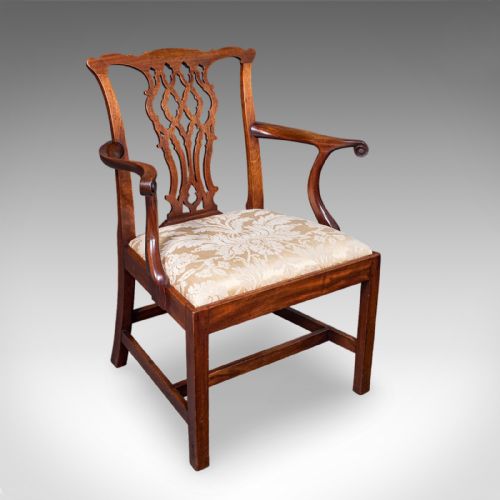
The antique gentleman armchair is a substantial seating form designed primarily for studies, libraries and morning rooms. When searching this phrase, buyers encounter robust wooden frames built to support extended periods of reading or conversation.
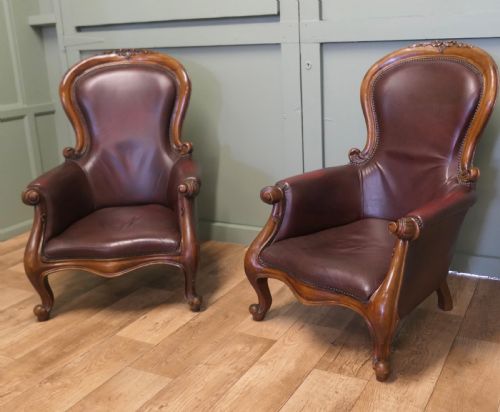
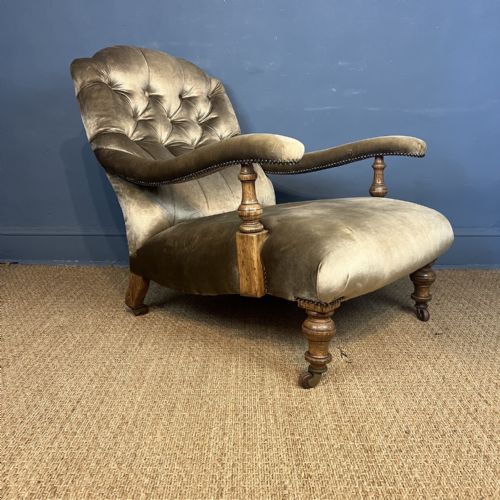
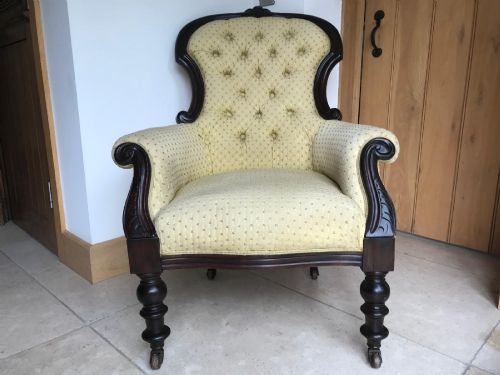
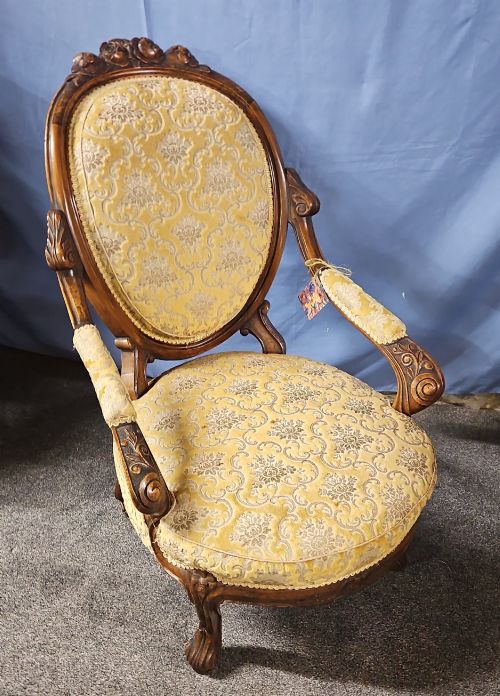
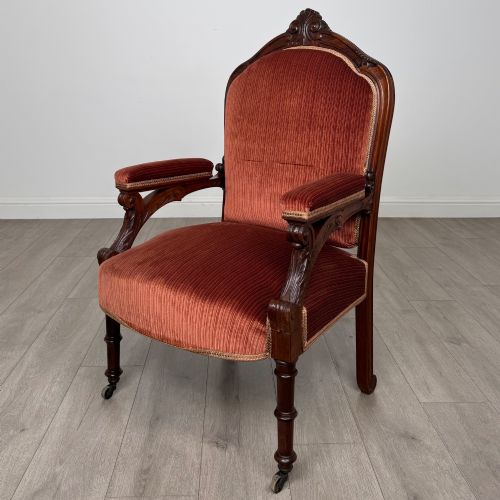
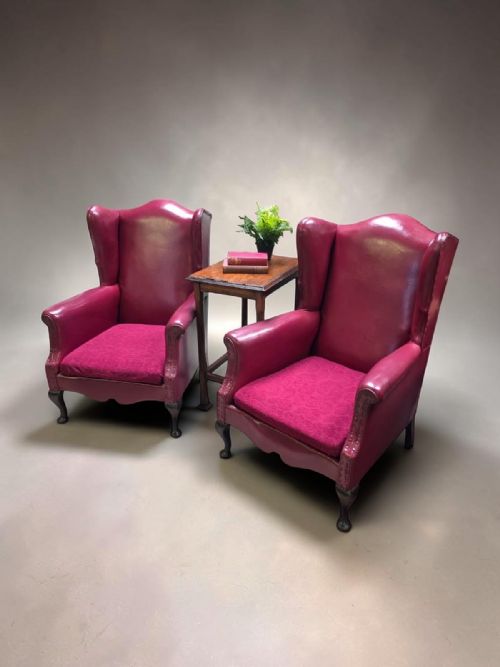
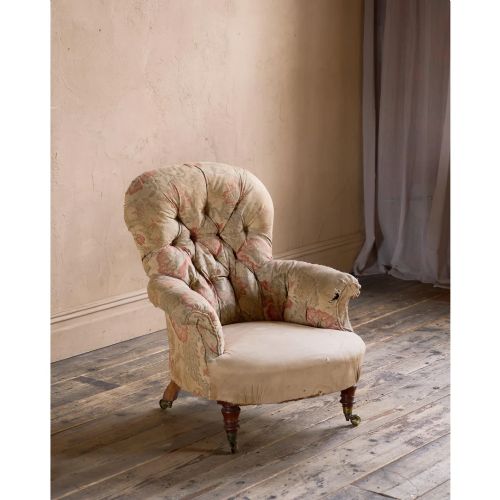
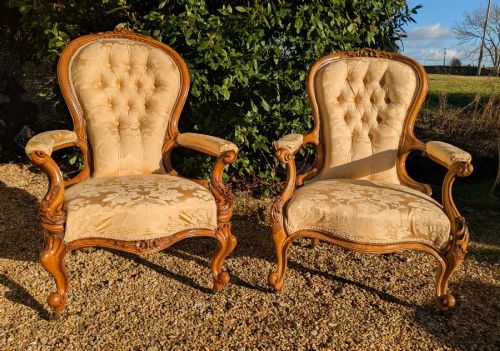
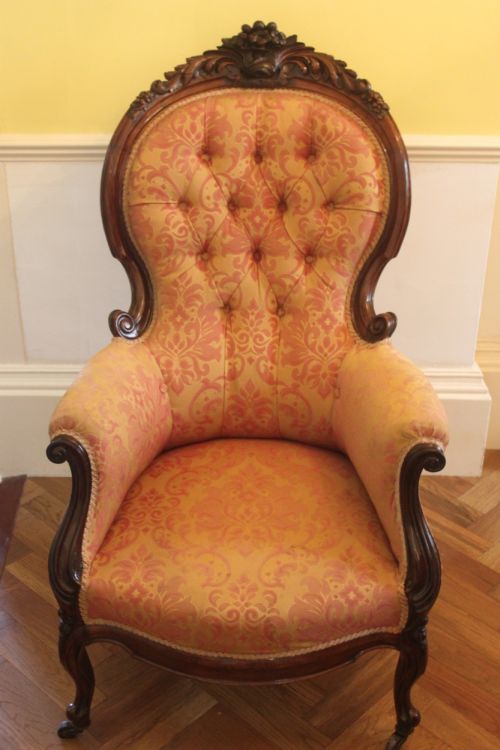
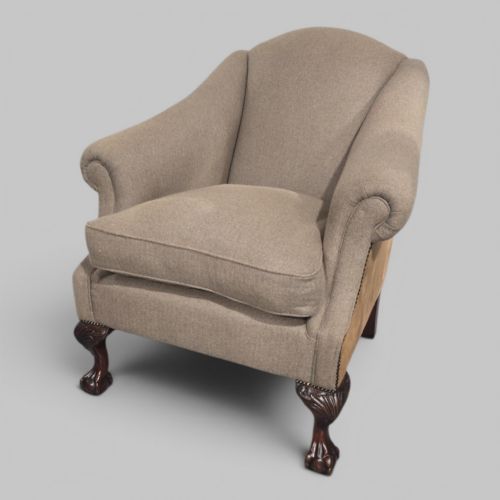
Victorian examples dominate the selection, frequently constructed from rich timbers like mahogany and walnut with deep buttoned upholstery. These pieces range from open armchairs to generous spoon back and wingback designs originating across the nineteenth century.
How They Were Made
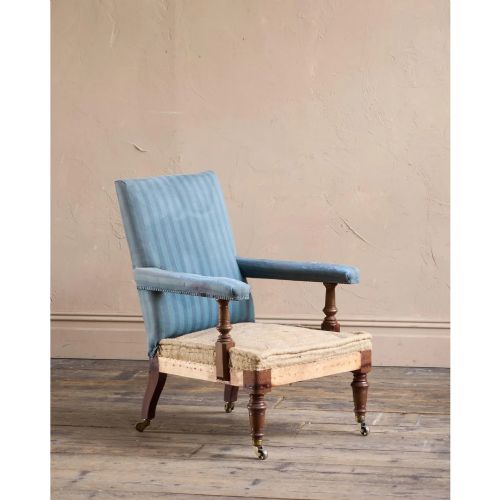
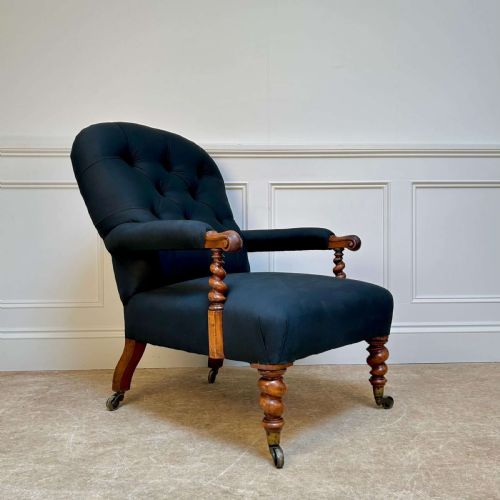
Craftsmen shaped these frames from dense hardwoods including mahogany, walnut, rosewood and oak, often incorporating carved details and cabriole legs. Brass castors frequently appear on the feet to assist movement across heavy carpets.
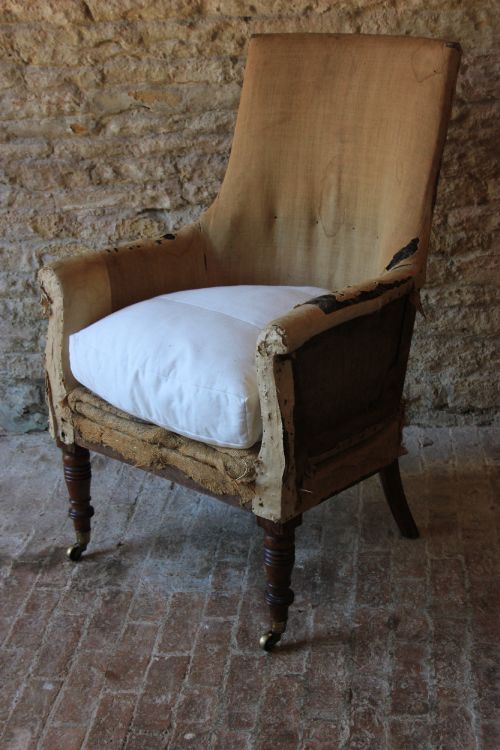
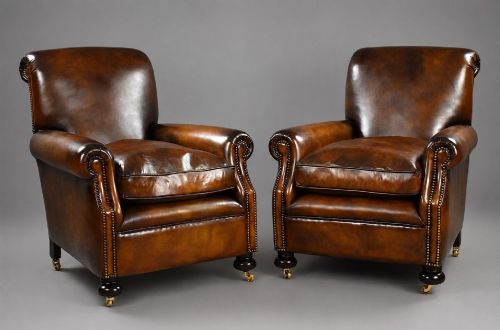
Upholstery relies on traditional stuffing secured beneath leather, velvet, or woven fabric, sometimes finished with brass nail trim or intricate scroll arms.
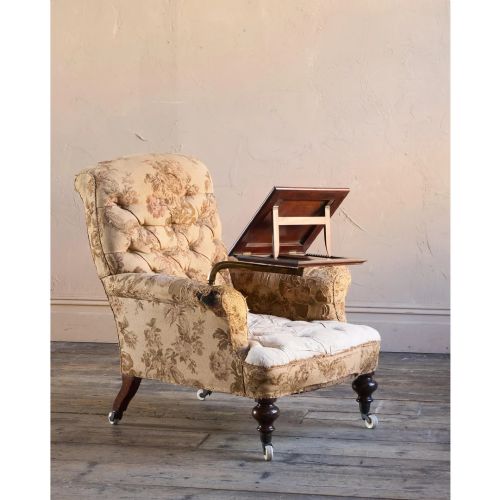
Some library armchairs arrived equipped with built-in reading stands, anticipating modern multitasking by over a century.
What Varies in Quality
Quality rests upon the crispness of the timber carving and the architectural balance of the frame, separating standard workshop output from exceptional cabinet work. Superior examples exhibit harmonious proportions and uncompromised structural integrity within the arms and legs.
The choice of covering material and the depth of the original buttoning also mark the distinction between utility seating and high status pieces commissioned from notable makers.
Holland & Sons·Morison and Co·Hindley & Sons·C. Hindley & Sons
The Antique Gentleman Armchair Glossary
- Spoon back
- A padded chair back shaped like the bowl of a spoon to fit the human spine. This ergonomic contour became popular during the Victorian period.
- Cabriole leg
- A furniture leg that curves outward and then tapers inward with a pad or scroll foot. It draws inspiration from animal legs.
- Library chair
- A heavy upholstered seat designed for prolonged reading. These pieces often incorporate reading stands or leather armrests.
- Wingback
- An armchair with side panels attached to the back frame. These wings originally blocked draughts from the fireplace.
Antique Gentleman Armchair: Frequently Asked Questions
How do I identify a Victorian gentleman armchair?
Look for heavy walnut or mahogany frames paired with deep buttoned upholstery and scroll arms. These seats often feature exposed polished wood and substantial proportions.
Check for period construction methods in the underframe, such as hand-cut joints and original brass castors beneath the cabriole legs.
Where were these armchairs placed originally?
Gentleman armchairs sat in libraries, morning rooms, and private studies where men retired to read, smoke, or conduct business. Their generous padding suited long hours of sitting.
They also appeared beside drawing room fireplaces as fireside chairs designed to keep occupants warm from draughts.
What is the difference between a club chair and a gentleman armchair?
Club chairs typically present a low, deeply upholstered leather build focused entirely on low-slung lounging. Gentleman armchairs tend to feature taller wooden frames with exposed carved mahogany or walnut.
An armchair of this type often maintains a more upright posture suited to reading at a desk or library table.
How do I care for leather on an antique armchair?
Maintain antique leather by applying specialist wax or leather food periodically to prevent the hide from drying and cracking. Avoid placing the chair in direct sunlight or beside heat sources.
Gentle dusting with a dry cloth keeps the surface clean without stripping the aged patina built up over decades.