
Antique Gateleg Drop Table
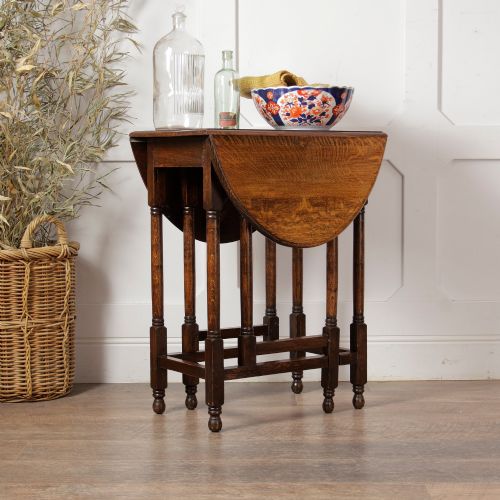
An antique gateleg drop table offers folding leaves supported by swinging legs, combining sturdy dining capability with compact storage.
Antique Gateleg Drop Table
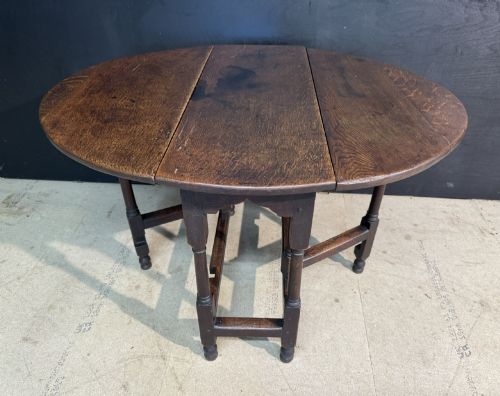
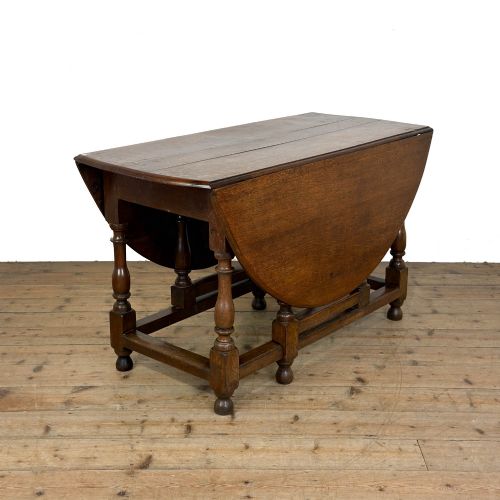
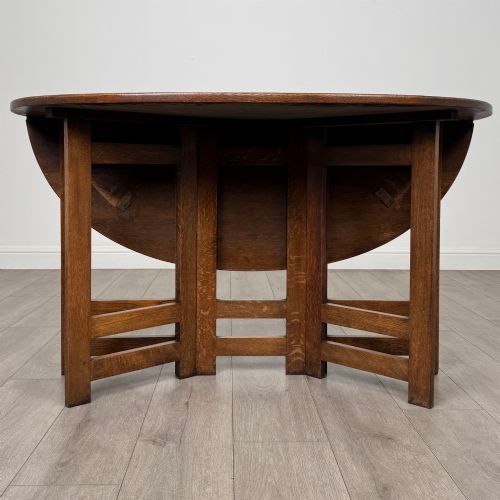
When searching for an antique gateleg drop table, you encounter practical folding furniture designed to expand for dining or tea and fold away against a wall when not in use. These tables date across the seventeenth, eighteenth, and nineteenth centuries, with later revivals appearing into the twentieth century.
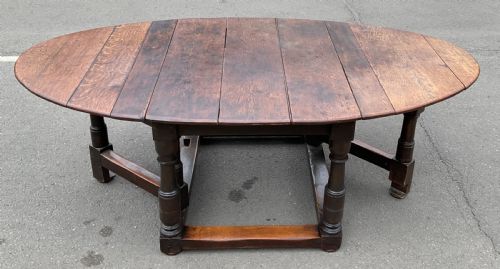
Originating largely from English workshops, these pieces bridge centuries of domestic utility, appearing in configurations ranging from compact breakfast stands to expansive oval dining formats.
Materials and Construction
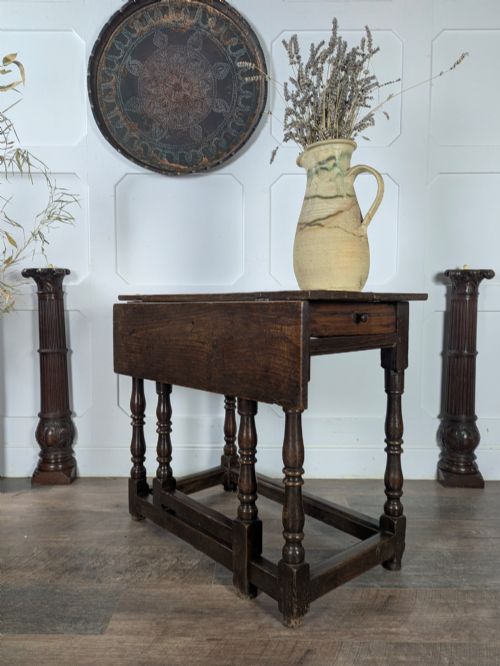
Carpenters constructed these tables primarily using native timbers, with seventeenth and eighteenth-century pieces built from solid oak or walnut, and later eighteenth to nineteenth-century examples turning toward rich mahogany and yew wood. The structural integrity relies upon sturdy framing joints and operational swinging gate legs that pivot outward to support the drop leaves.
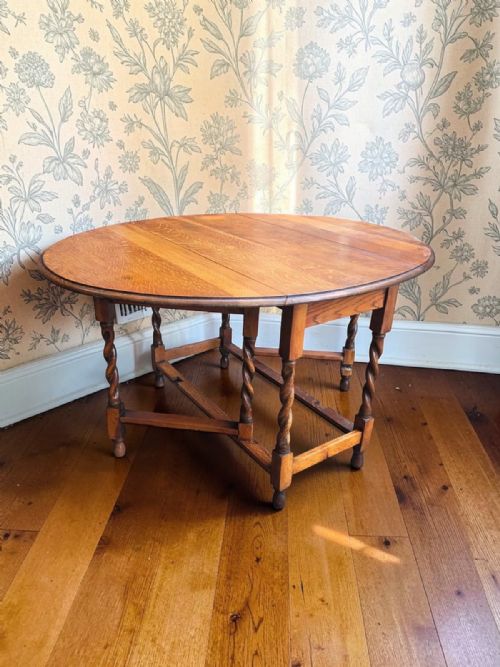
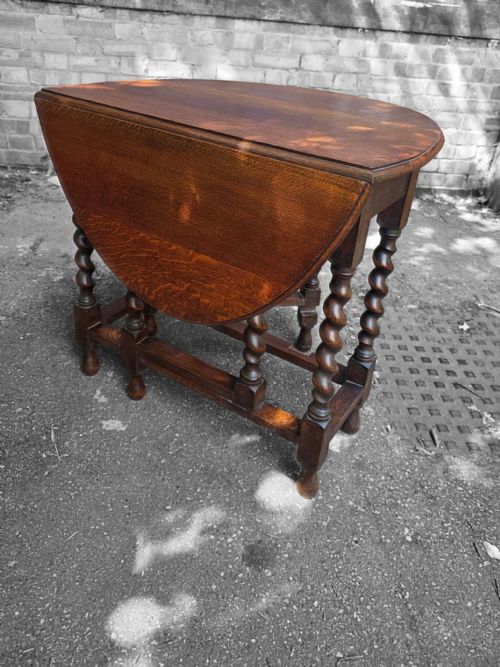
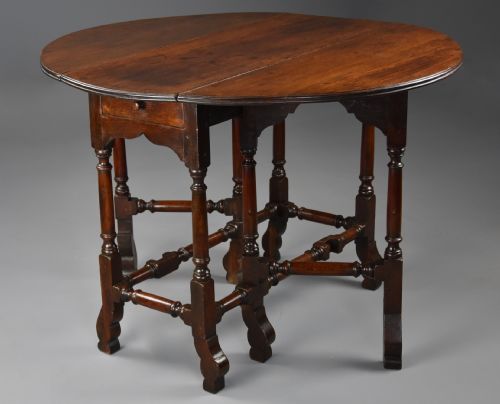
Turnery techniques define the vertical supports, displaying bobbin, barley twist, baluster, or cabriole shaping depending on the period. Original iron or brass hinges and peg joinery frequently secure the moving leaves and frame components together.
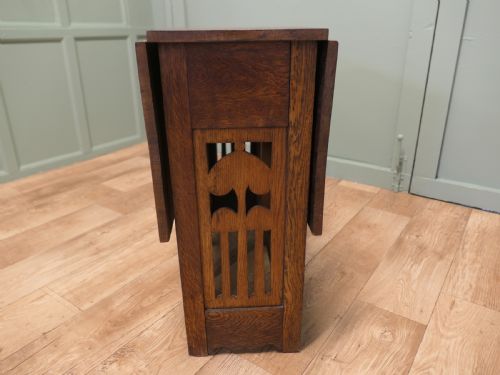
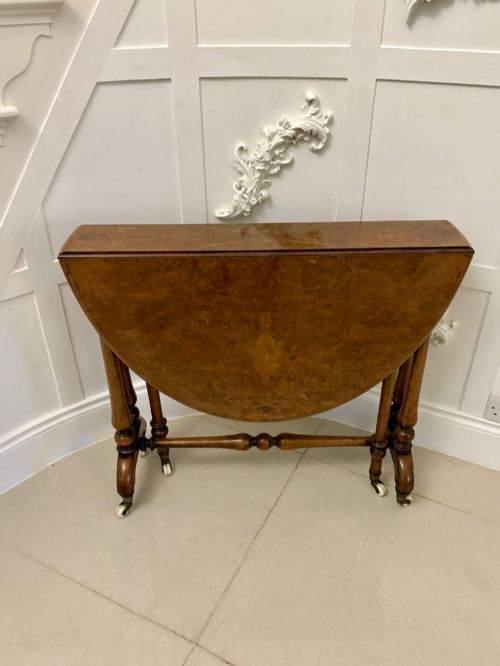
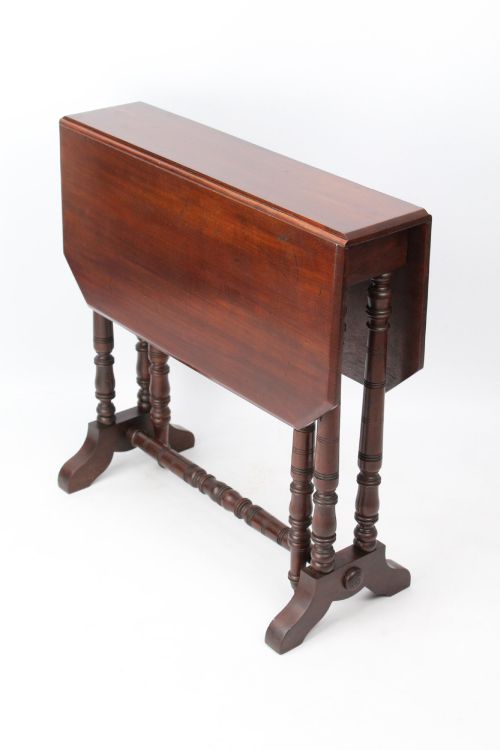
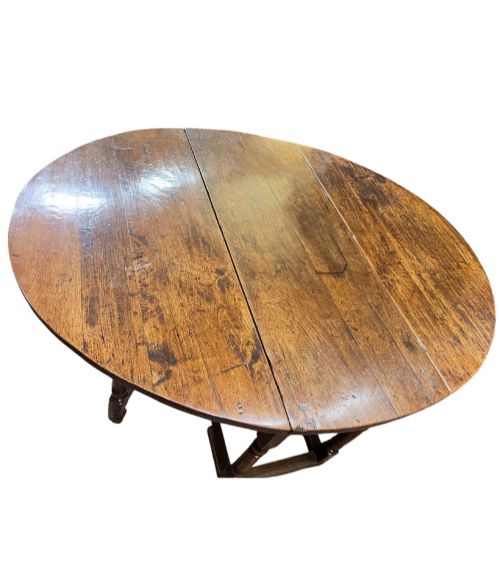
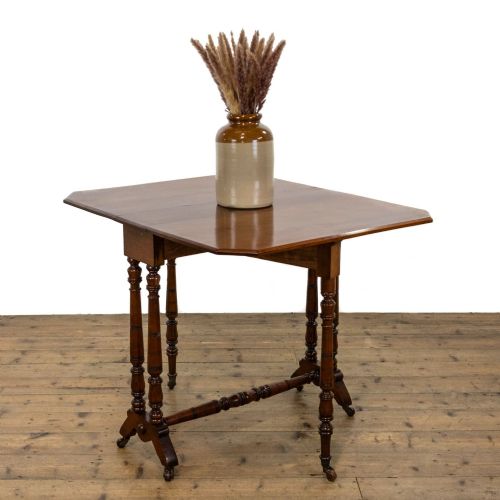
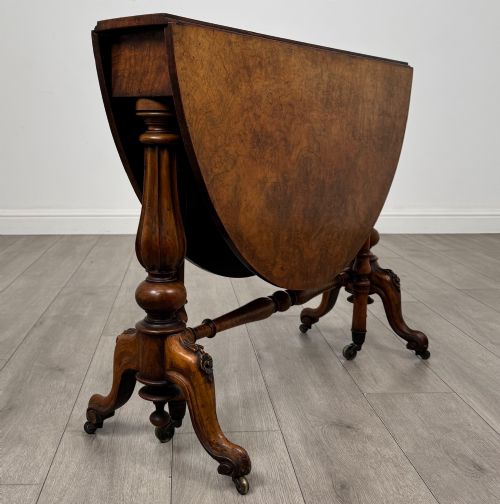
Listings span seventeenth-century oak pieces through to Edwardian mahogany and Victorian burr walnut Sutherland tables.
Evaluating Construction and Surface
Quality rests in the integrity of the timber selection and the original state of the moving mechanism, where dense, figured woods like burr walnut or substantial quarter-sawn oak command attention. The smoothness of the pivot action and the presence of period-correct hinges dictate how well the folding sections endure continued daily use.
Surface preservation marks the distinction between ordinary utility and superior examples, with aged patination, warm wax finishes, and minimal timber replacement showing how carefully a table has survived across generations.
The Antique Gateleg Drop Table Glossary
- Gateleg table
- A table with hinged leaves supported by one or more legs that swing outward like a gate. This design provides robust support for folding surfaces.
- Drop leaf
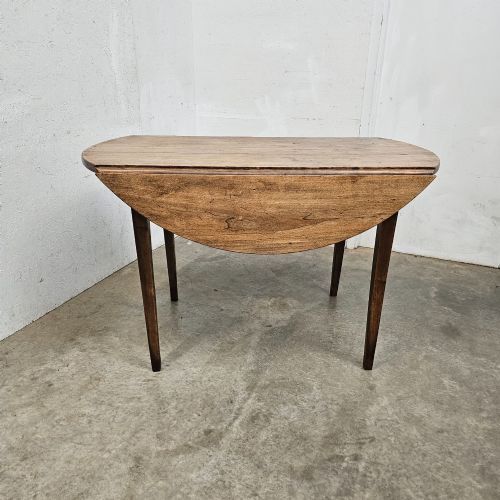
- A hinged section of a table top that folds down when not in use. It allows the overall footprint of the furniture to contract significantly.
- Patina
- The surface sheen and coloration developed through age, handling, and waxing. Collectors prize an undisturbed, warm surface.
- Barley twist
- A spiral turning technique shaped into furniture legs and stretchers. It became particularly popular during the seventeenth century and later revival periods.
- Sutherland table
- A narrow-format drop-leaf table featuring exceptionally slender folding leaves and closely spaced legs. Victorian makers produced these in large numbers using walnut and mahogany.
Antique Gateleg Drop Table: Frequently Asked Questions
How do I seat people comfortably around a gateleg table?
The positioning of the swinging legs determines how much knee room is available for diners. Tables with six or eight legs generally offer better stability and clearance when fully opened.
Position the swing legs outward to lock the leaves firmly in place before adding chairs. This prevents the top from dipping under weight during meals.
How can I tell an 17th-century oak gateleg from a later revival piece?
Early pieces display hand-riven oak timbers, pegged joinery, and distinct tool marks left by early carpenters. The wear patterns around the feet and hinges typically show genuine centuries of use.
Twentieth-century revival items often use machine-sawn lumber, standardised modern screws, and uniform finishes that lack the deep, varied patination of genuine antique timber.
How do I care for the timber surface on a drop-leaf table?
Apply traditional beeswax periodically to nourish dry wood and maintain the natural lustre of the finish. Avoid placing tables near direct heat sources or strong sunlight, which can cause timber to split or warp.
Use coasters and felt pads under objects to protect the polish from moisture and scratches during daily use.