


Antique Garden Trough
An antique garden trough brings grounded architectural history and practical planting space into an outdoor setting.
Antique Garden Trough
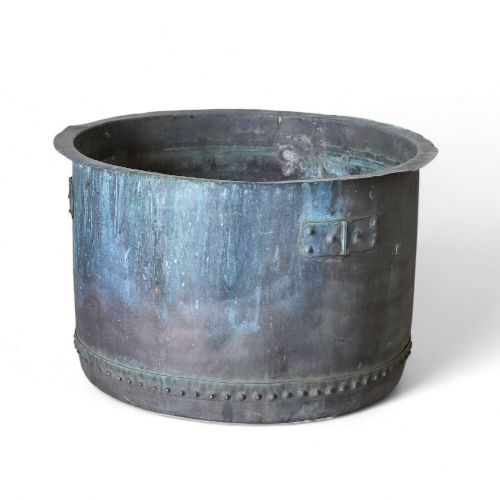
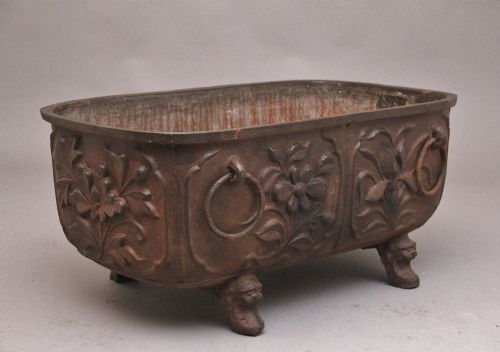
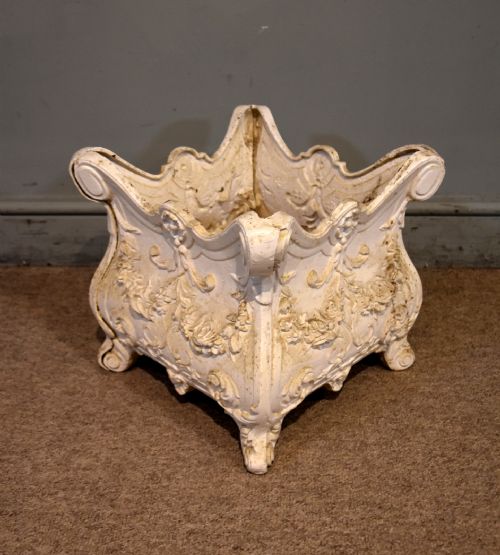
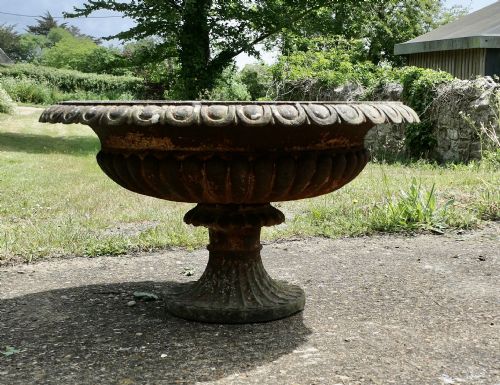
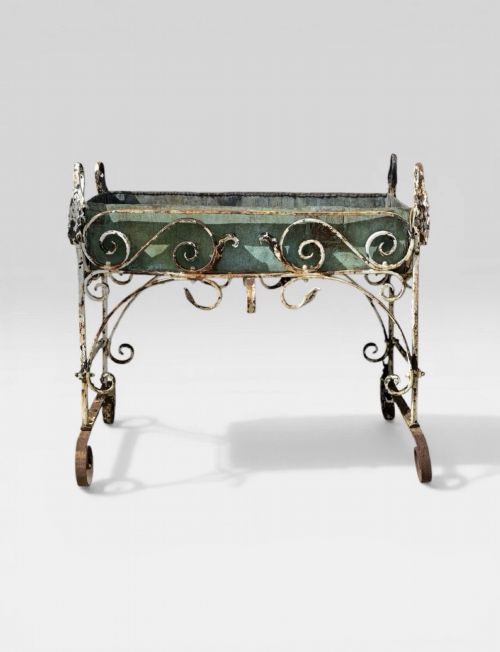
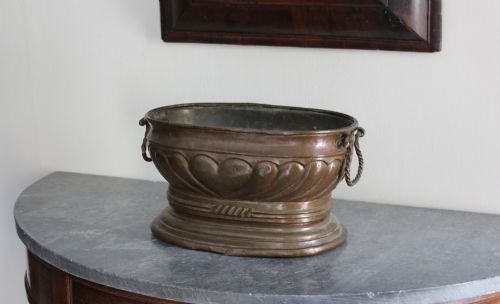
The versions you are most likely to meet on this page span the eighteenth and nineteenth centuries, taking the form of weathered stone containers, cast iron planters, and metal vessels. Many originate from English and French country houses and gardens, reflecting the period's taste for durable outdoor ornamentation.
How they were made
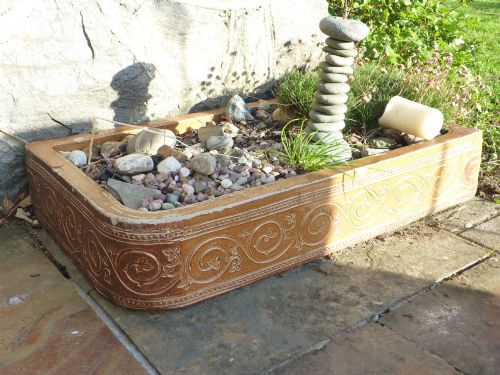
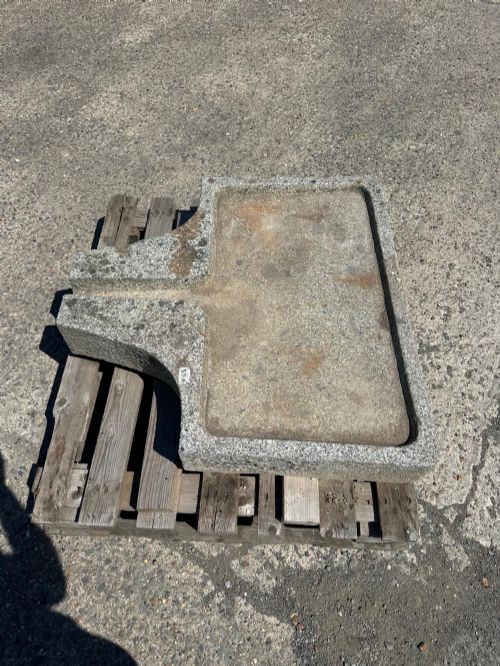
Makers shaped these troughs from heavy, enduring materials like natural stone, cast iron, lead, and copper. Stone vessels were hand-carved from blocks of sandstone, granite, or Purbeck stone, leaving visible tool marks from the mason's chisel.
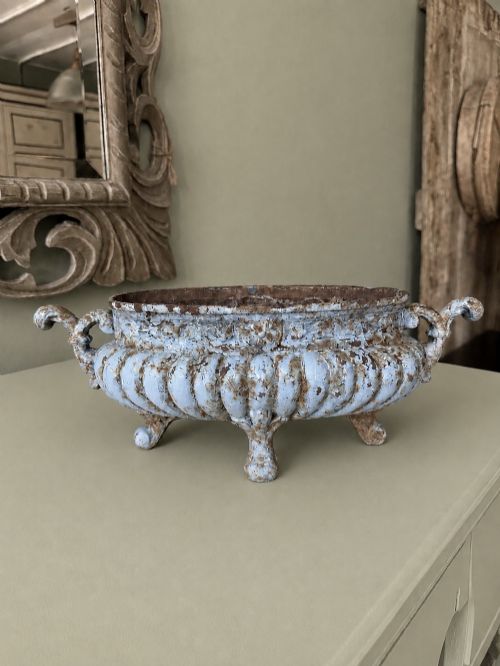
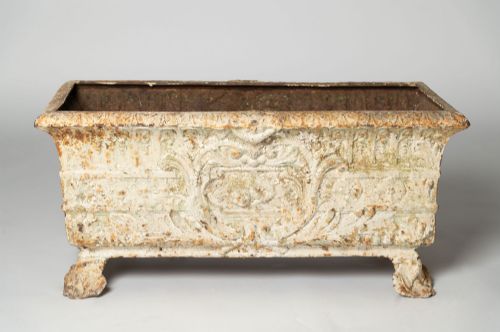
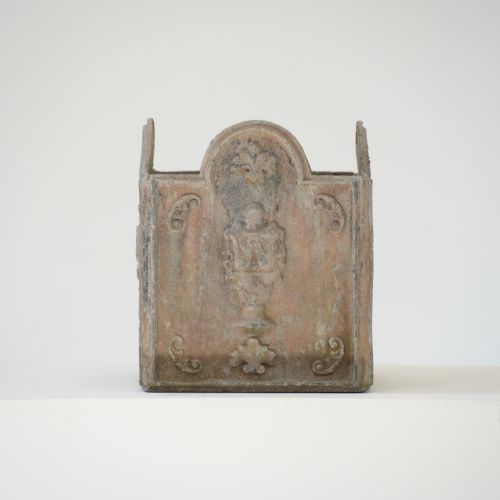
Metal troughs utilised casting, hand-riveting, and wrought iron strapwork techniques. Iron foundries poured molten metal into detailed moulds for decorative urns and planters, while copper and zinc containers relied on skilled sheet metal manipulation and hand-riveting for structural integrity.
Some troughs began life as stone mortars or domestic well buckets before finding a second career in the garden.
What varies in quality
Quality in an antique garden trough rests upon the integrity of the material, the crispness of any cast ornament or carved detail, and the depth of the natural weathering. Hand-carved stone pieces show individual character in their proportions and tooling, while cast metal versions depend on the refinement of the founding work.
The handling of surfaces also distinguishes superior examples. Natural patination accumulated through decades of exposure adds depth to stone, lead, and copper, whereas poor alterations or structural instability diminish the piece.
Coalbrookdale
The Antique Garden Trough Glossary
- Planter & jardiniere
- A decorative receptacle designed to hold growing plants or flower pots. These vessels range from utilitarian stone troughs to ornate cast iron garden urns.
- Cast iron
- An iron-carbon alloy poured into a mould to create complex shapes and decorative motifs. This material was widely utilised by Victorian foundries for durable garden ornaments.
- Wrought iron
- Iron beaten into shape by a blacksmith rather than cast in a mould. This tough material formed the strapwork and structural frames of conservatory stands and plant holders.
- Patina
- The surface alteration and weathering acquired by materials like stone, copper, and lead over decades of exposure to the elements.
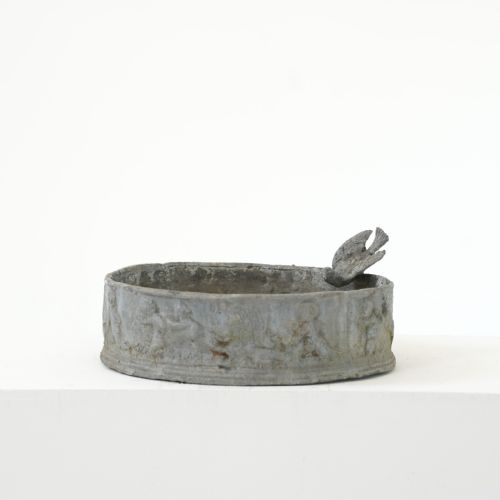
- Lead planter
- A heavy horticultural container formed from soft lead, often decorated with neoclassical reliefs or cast panels. They offer excellent frost resistance for garden use.
Antique Garden Trough: Frequently Asked Questions
How do I clean an antique stone trough?
Wash the stone gently with water and a soft brush to remove dirt while preserving the accumulated weathering and lichen.
Avoid harsh chemical cleaners or pressure washers, which can scour the porous surface and damage the historic material.
Can antique stone troughs stay outside in winter?
Genuine stone and cast iron troughs are built to withstand outdoor conditions, having endured the elements for generations.
Ensure proper drainage holes remain clear so that trapped water does not freeze and crack the vessel.
How do I date an iron garden planter?
Examine the manufacturing techniques, such as hand-riveting on copper and iron or the specific casting style associated with Victorian foundries.
Compare the surface wear, patination, and decorative motifs with documented examples from the eighteenth and nineteenth centuries.
Are lead troughs safe for planting?
Lead planters can be used safely for ornamental flowers, shrubs, and trees without harming the specimens.
Line the interior if you prefer to keep the soil separated from the metal or if growing edible plants.