
Antique Gaming Cards
These antique gaming cards and tables, spanning the eighteenth to the twentieth century, bring tactile elegance and interactive history to a room.
Antique Gaming Cards
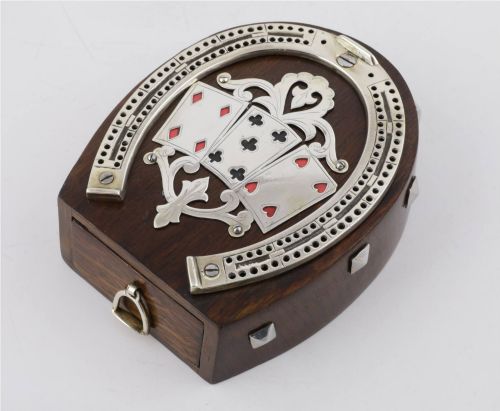
When searching for antique gaming cards, collectors typically encounter specialised furniture and accessories designed for social play across the eighteenth, nineteenth, and twentieth centuries. The selection ranges from Chinese mother of pearl gaming counters to fitted oak cribbage board boxes.
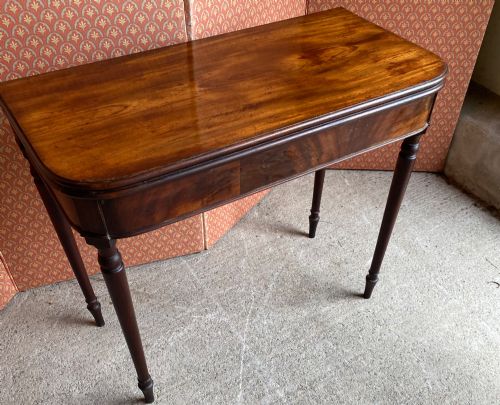
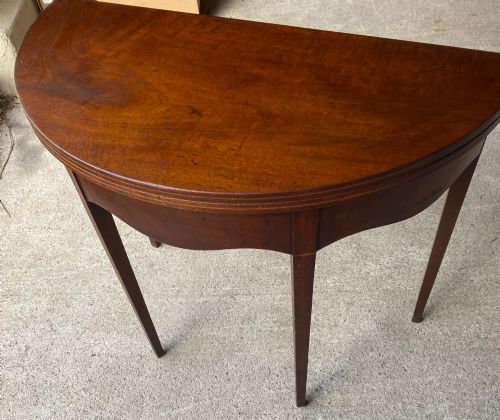
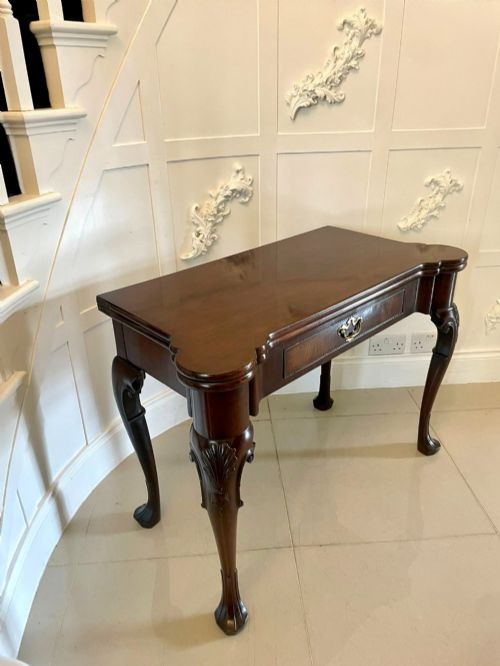
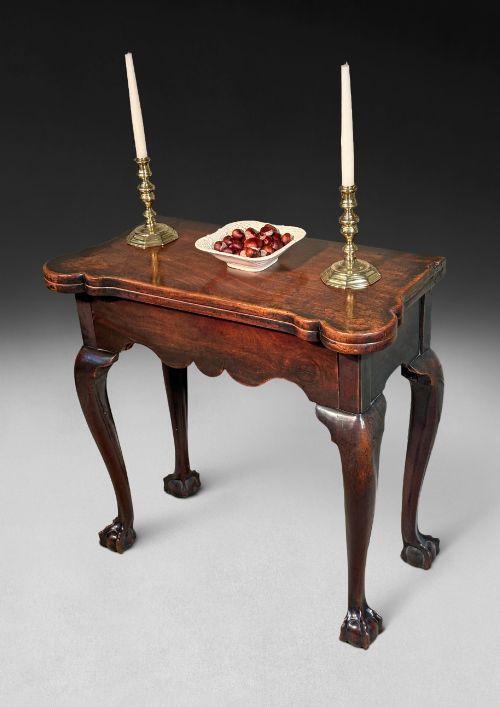
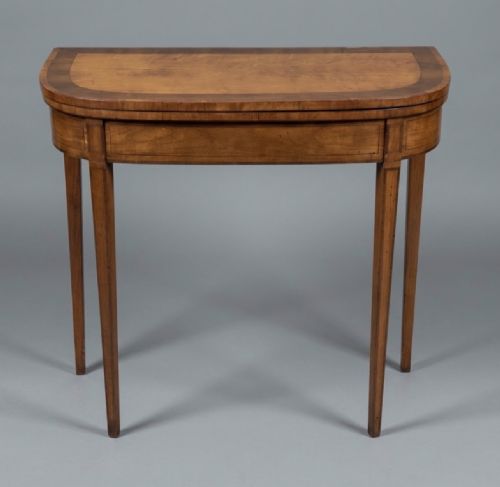
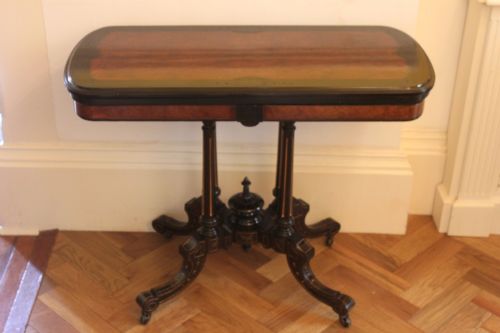
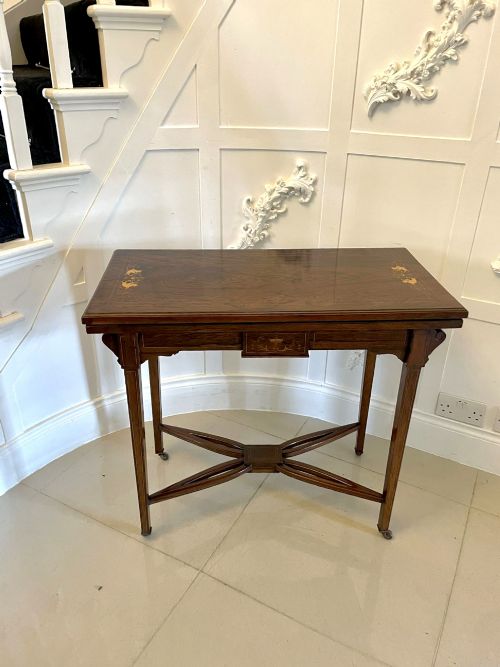
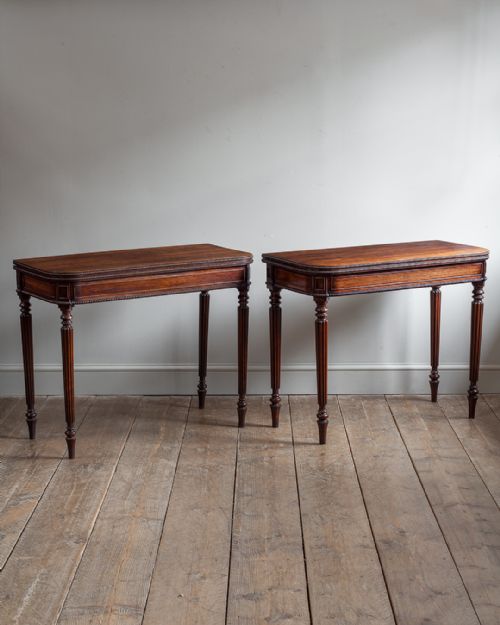
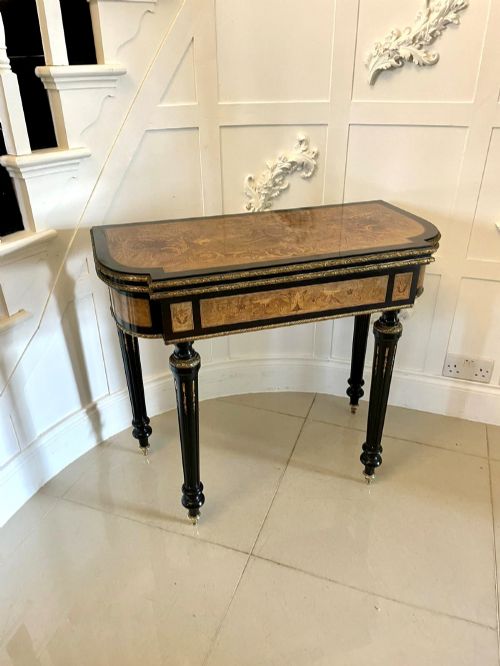
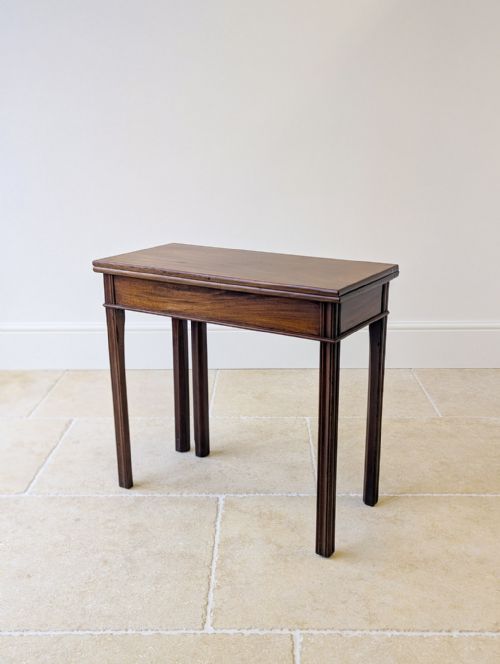
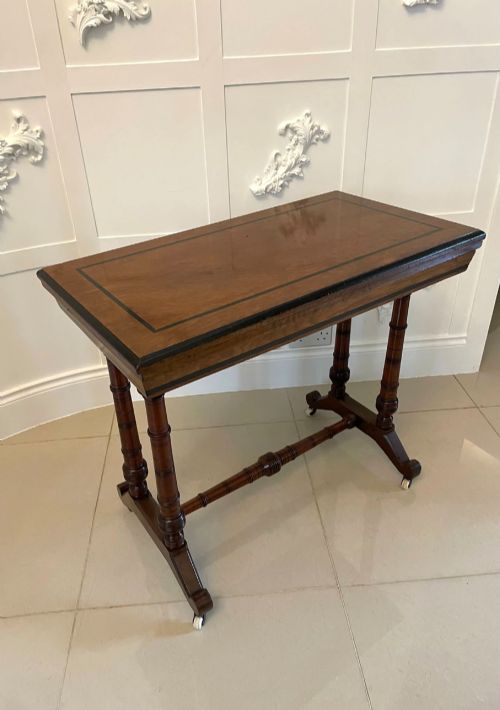
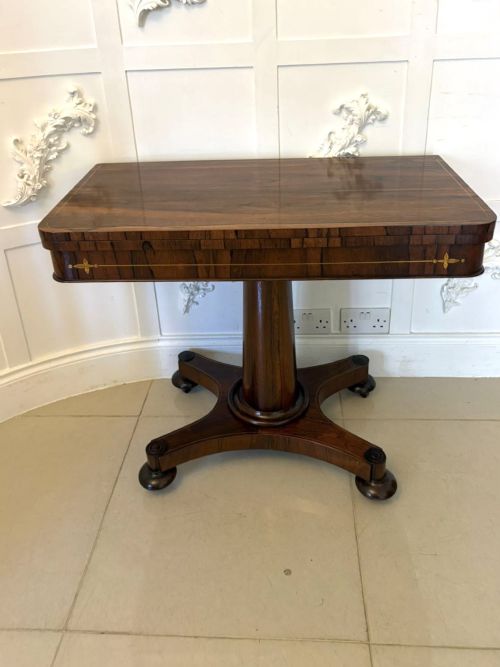
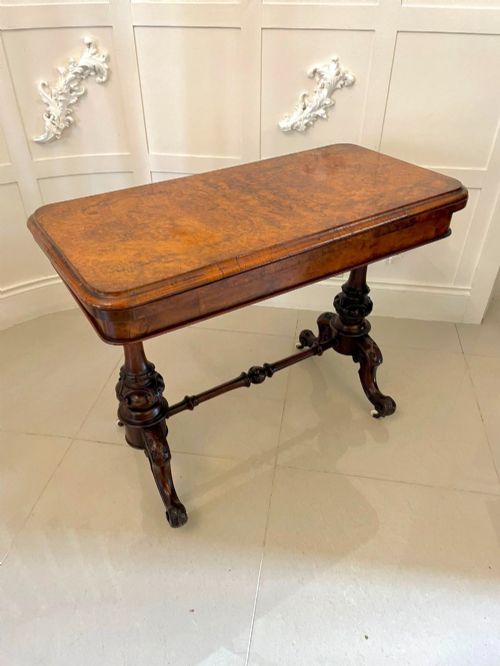
The most common furniture pieces met on this page are fold-over card tables, games tables, and tea tables. These items originate from periods such as the Georgian, Regency, and Victorian eras, utilising timber frames that double as side or console tables.
The forms adapt for card games and parlour pastimes, featuring rotating or fold-over tops that conceal baize-lined playing surfaces. Alongside these tables, specific accessory boxes accommodate the counters and cards used in historical domestic leisure.
Materials and construction techniques
Cabinetmakers utilised rich hardwoods like mahogany, rosewood, walnut, burr walnut, and satinwood to construct these tables and boxes. Timber selection defined the visual weight and grain pattern of each piece, often enhanced by contrasting ebonised wood or oak.
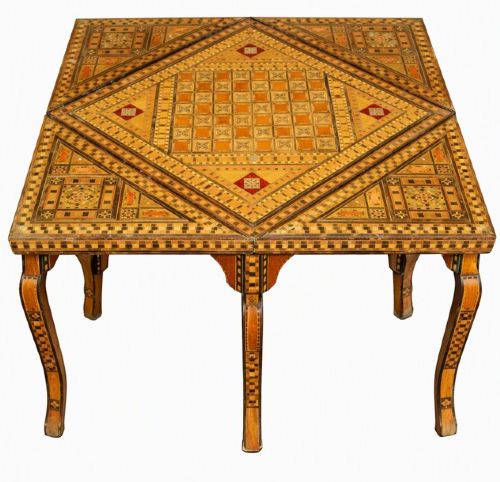
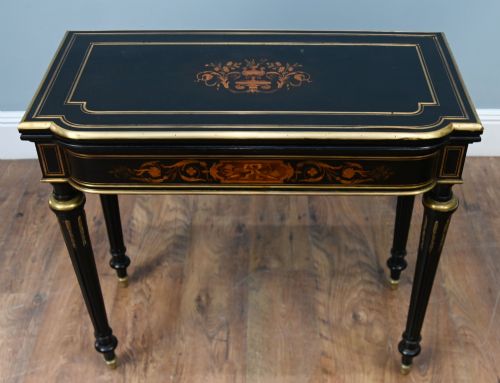
Inlaid decoration played a central role, employing techniques such as floral marquetry, satinwood crossbanding, and precision brass inlay. Ormolu mounts and carved bracket bases further embellished the finer examples from the Victorian and French Napoleon III periods.
A hundred and twenty-six mother of pearl counters wait patiently inside a nineteenth-century box for a game that finished long ago.
Distinctions in craftsmanship and design
The sophistication of the timber veneers and the precision of the joinery separate standard domestic pieces from exhibition quality examples. Burr walnut and figured mahogany with complex grain alignment demonstrate superior material selection by the cabinetmaker.
Design complexity also dictates the tier of the piece, seen in concertina actions, rotating mechanisms, and elaborate brass or mother of pearl details. Pieces featuring integrated carved basket bases or intricate French marquetry represent the upper echelon of the craft.
The Antique Gaming Cards Glossary
- Foldover top
- A hinged table surface that opens outward to double its area for card playing. When closed, the piece functions as a side or console table.
- Marquetry
- Decorative veneer work composed of small pieces of wood, shell, or metal arranged in pictorial or geometric patterns on the table surface.
- Ormolu
- Gilded bronze ornamentation applied to mounts, feet, and edges on mid-nineteenth-century furniture. It provides a metallic contrast to dark woods like rosewood and walnut.
- Concertina action
- An expanding frame mechanism used on card tables that pulls outward to support the opened leaf evenly. This design requires precise carpentry to conceal the joints.
- Cribbage board
- A scoring board featuring pegged tracks used to record points in the card game cribbage. They are frequently housed in dedicated wooden gaming boxes.
Antique Gaming Cards: Frequently Asked Questions
How did people use antique gaming tables?
These tables served a dual purpose in the historic parlour, functioning as decorative console or tea tables during the day. When guests arrived, the top folded or pivoted open to reveal a baize-lined surface designated for cards and social gaming.
Accessories such as mother of pearl gaming counters were stored nearby in dedicated wooden boxes. This flexibility allowed households to entertain visitors without dedicating permanent floor space to a bulky game setup.
What periods do these tables represent?
The listings span several distinct design eras, running from the eighteenth century through the Georgian, Regency, William IV, and Victorian periods. Each era brought specific timber preferences and decorative motifs to the furniture.
Later pieces stretch into the Edwardian era and the early twentieth century, reflecting shifting tastes in domestic interior design. Cabinetmakers adapted classical forms like the demi lune shape across these changing decades.
How do I care for a wood card table?
Maintain these pieces by keeping them away from direct sunlight and steady heat sources to prevent timber splitting and veneer warping. Regular dusting with a soft, dry cloth preserves the finish of rosewood, walnut, and mahogany.
Avoid using modern chemical polishes, which can build up residue and harm historic polished surfaces. Treating the timber with appropriate wax occasionally helps maintain the moisture and natural sheen of the wood.
How do I tell a tea table from a card table?
Tea tables and card tables share similar fold-over top configurations, making their physical distinction subtle at first glance. Card tables frequently retain traces of baize or felt lining inside the folded surface to cushion playing cards.
Tea tables often focus purely on a polished wooden display surface designed to hold porcelain tea services. Examining the interior construction and historical cataloguing helps clarify the original intended use of the piece.