



Antique Gaming Boxes
Antique gaming boxes bring parlour amusement and clever engineering together, offering fitted compartments for cards, counters and dice.
Antique Gaming Boxes
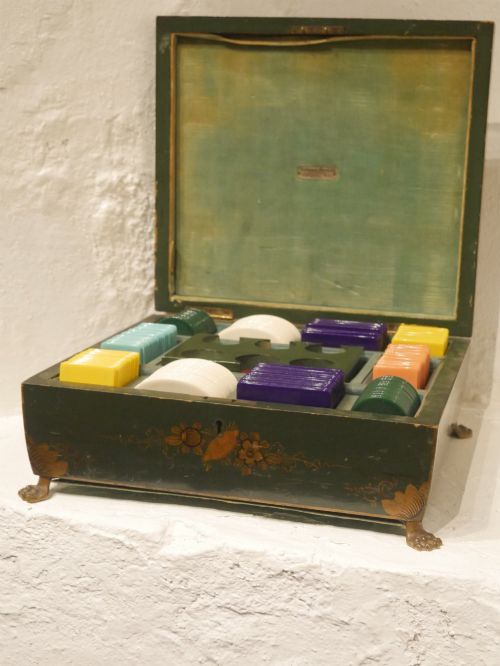
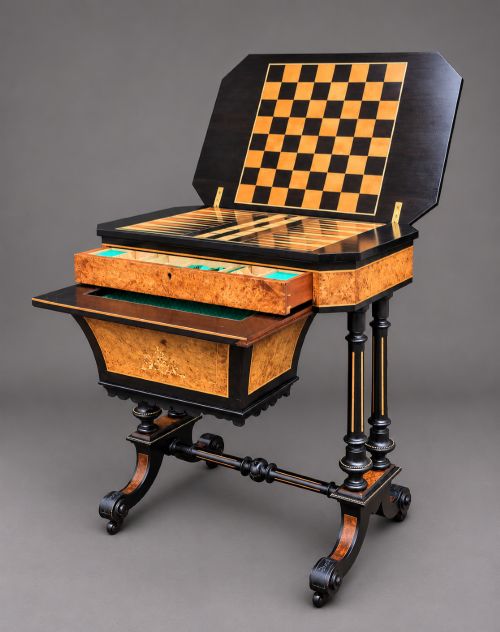
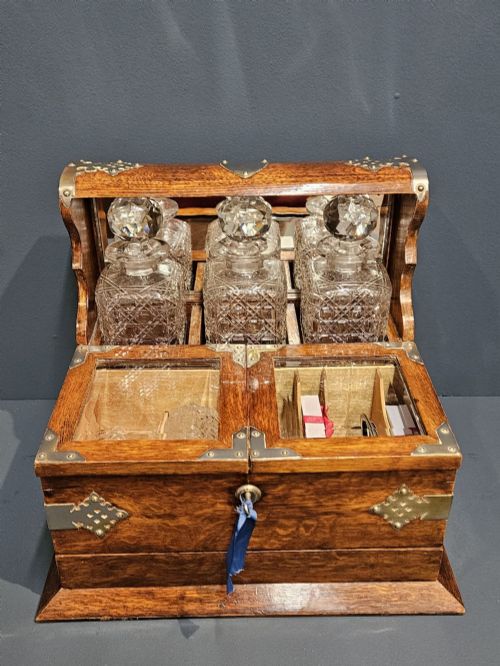
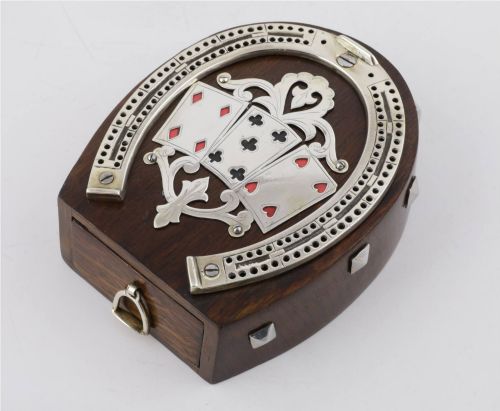
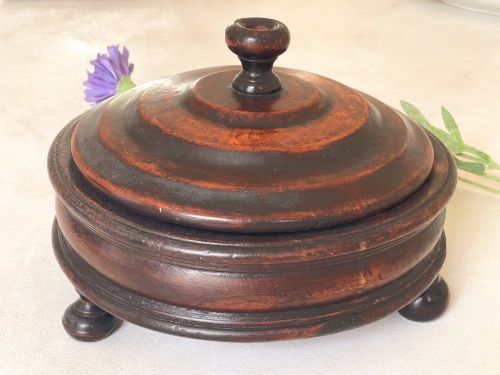
When you search for antique gaming boxes, you encounter a varied selection of vessels designed to house pastimes from the nineteenth and early twentieth centuries. These pieces range from simple wooden caskets for cards and cribbage to substantial compendiums incorporating tantalus bottles, chess sets and folding boards.
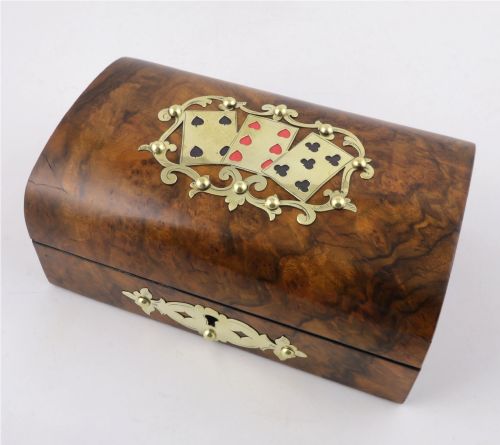
The most common versions on this page date from the Victorian and Edwardian eras, utilising traditional timbers and fitted interiors. Many take the form of walnut or mahogany caskets, occasionally disguised as leather-bound books or housing intricate hidden compartments.
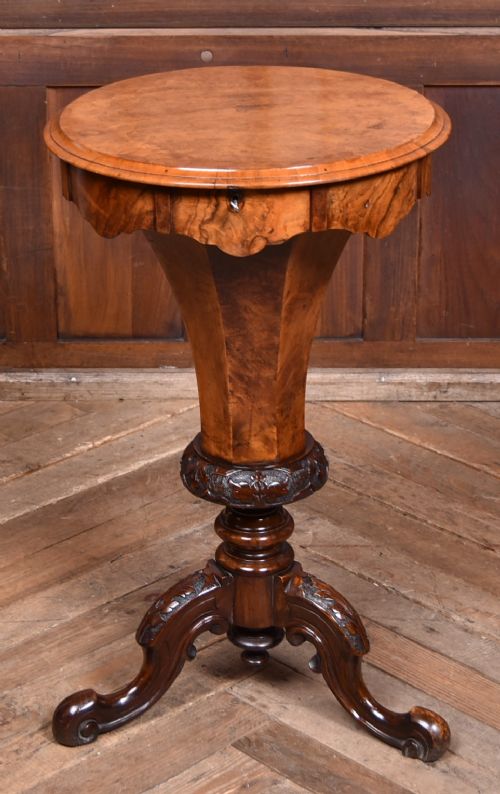
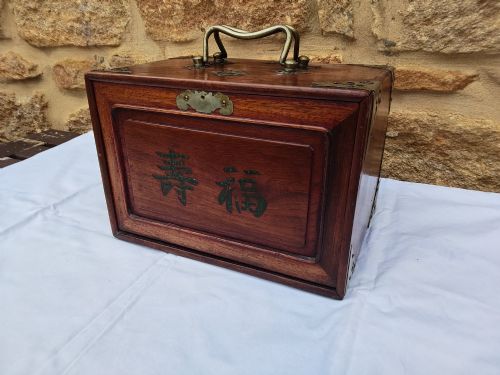
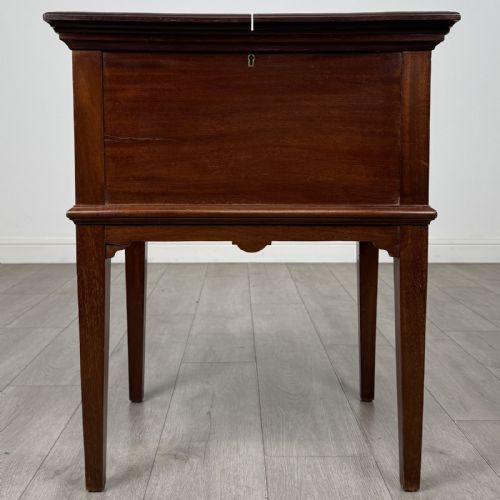
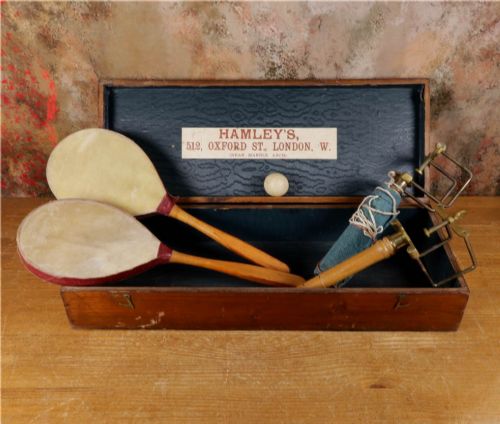
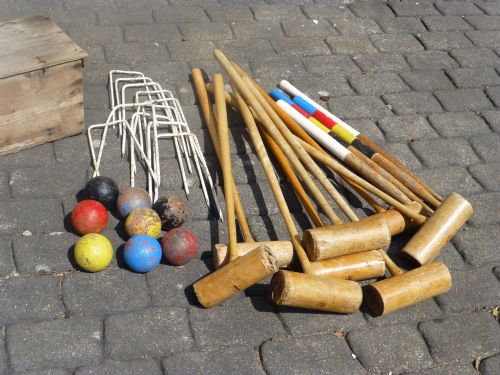
Beyond standard boxes, the selection extends to specialised equipment containers, including fitted pine chests for croquet sets and wooden cabinets housing Chinese mahjong tiles. Occasional tables with integrated games boards also appear, serving a dual purpose for social evenings.
How they were made
Cabinet makers built these boxes using solid timbers and decorative veneers such as burr walnut, mahogany, oak and satinwood. Brass mounts, hinges and carrying handles provided structural reinforcement and decorative contrast, while leather was frequently utilised for exterior bindings and faux book spines.
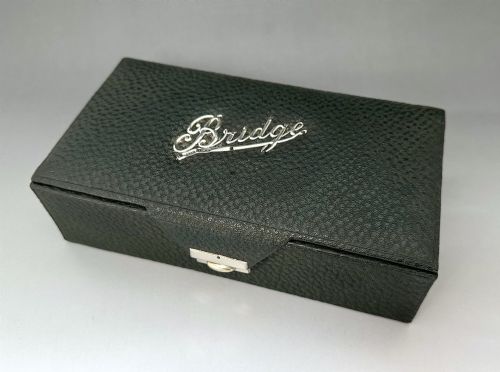
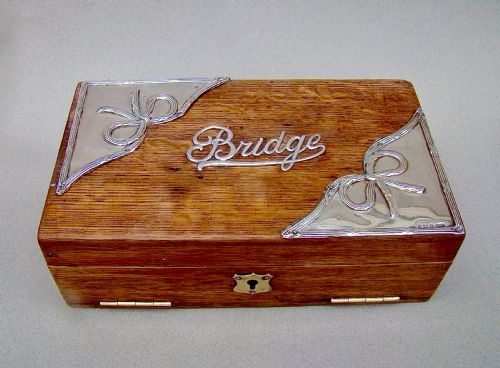
Interviews and internal fittings required precise carpentry, often incorporating bone, boxwood and ebony for internal elements like cribbage boards, draughts pieces and dominoes. Silver plating and sterling silver mounts were applied to select Edwardian card boxes and bridge containers for added refinement.
Antique Gaming Boxes Retail Price Guide 2026
Typical asking prices for gaming boxes among the pieces listed under this phrase on Sellingantiques today, from the lower quarter to the upper quarter. They describe what is for sale here now, not the wider market.
Listings feature nineteenth and early twentieth-century pieces, spanning the Victorian, Edwardian and Art Deco periods across wood, brass, bone and leather.
What varies in quality
The distinction between ordinary and superior boxes lies in the intricacy of the internal mechanics and the choice of exterior woods. Boxes featuring complex folding mechanisms, secret drawers and marquetry inlay demonstrate a higher standard of craftsmanship than plain containers.
The integrity of the original fitted interior also dictates worth. Compendiums that retain their complete sets of bone counters, original cards, crystal decanters and matching game pieces stand apart from those with replacement components or empty compartments.
A. Wilcox·Levi and Salaman·Slazenger·A. W. Gamage·F. H. Ayres Ltd
The Antique Gaming Boxes Glossary
- Tantalus
- A locking wooden frame holding decanters to prevent unauthorized drinking. It typically forms part of larger nineteenth-century games compendiums.
- Cribbage board
- A scoring board featuring parallel tracks of small holes for pegs. These are frequently integrated into the lids or interiors of antique card boxes.
- Teettotum
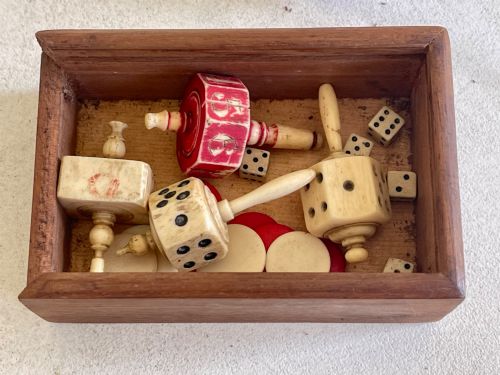
- A multi-sided spinning top used for gambling or parlour games. Examples seen in these collections are often carved from bone by prisoners of war.
- Compendium
- A single fitted container holding multiple distinct games and pastimes. They combine items like chess sets, dominoes and cards within one cabinet.
Antique Gaming Boxes: Frequently Asked Questions
What is a games compendium?
A games compendium is a fitted box or cabinet designed to hold multiple distinct pastimes in one unit. They typically include items for chess, draughts, cards and dice within dedicated compartments.
These pieces were popular for household entertainment during the Victorian and Edwardian periods, allowing families to store various games neatly together.
How were tantalus boxes used?
A tantalus holds glass decanters securely within a wooden frame fitted with a locking metal bar. This design prevented guests or household staff from accessing the contents without permission.
In antique gaming boxes, the tantalus is often combined with fold-out card tables or internal storage drawers for drinking accessories and playing pieces.
Are games pieces usually original?
Many surviving boxes retain their original bone, boxwood or ebony gaming pieces, such as draughts, dominoes and cribbage pins. Complete sets matching the specific dimensions of the box interior are frequently preserved.
Collectors look for matched sets where the materials and wear patterns correspond consistently with the age of the outer cabinet.
Where were games boxes kept?
These boxes lived in the principal reception rooms of nineteenth-century homes, such as drawing rooms and parlours. They provided ready access to evening entertainment for family members and guests.
Larger specimens, such as occasional work tables and croquet chests, served as both functional furniture and recreational equipment storage.