




Antique Gallery Top Table
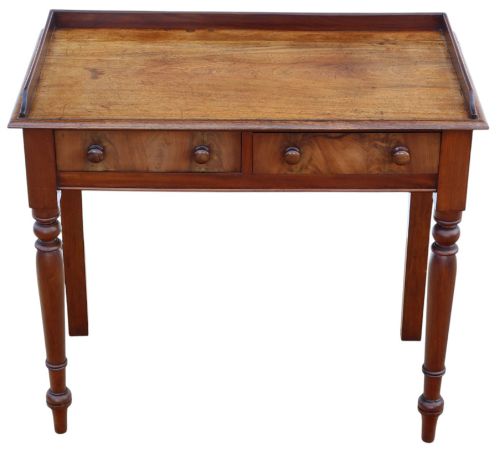
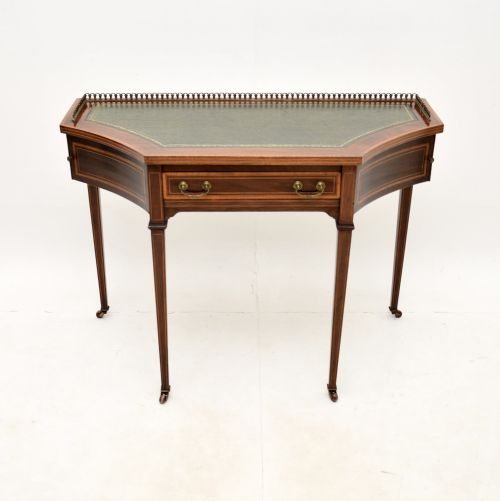
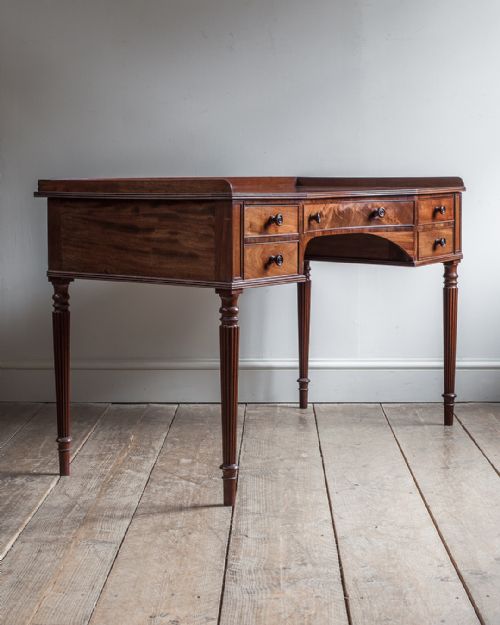
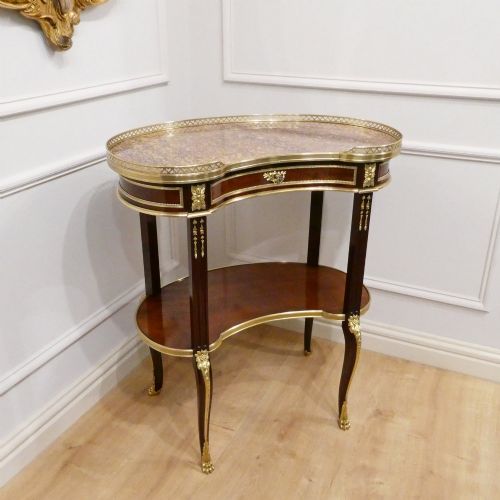
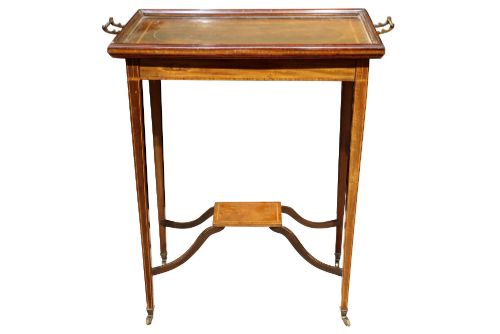
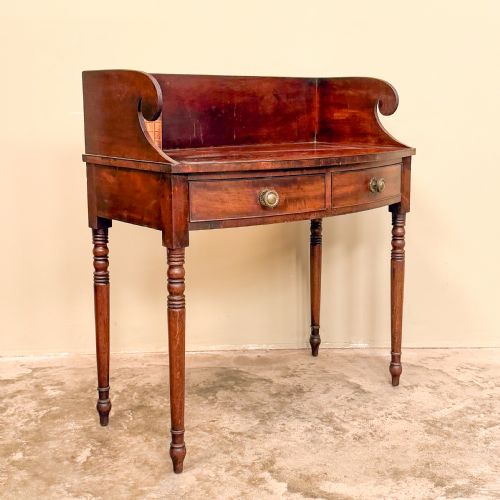
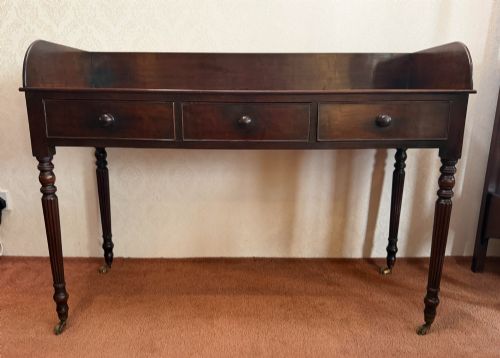
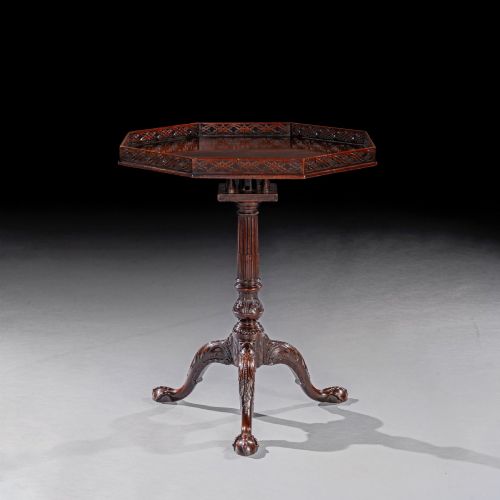
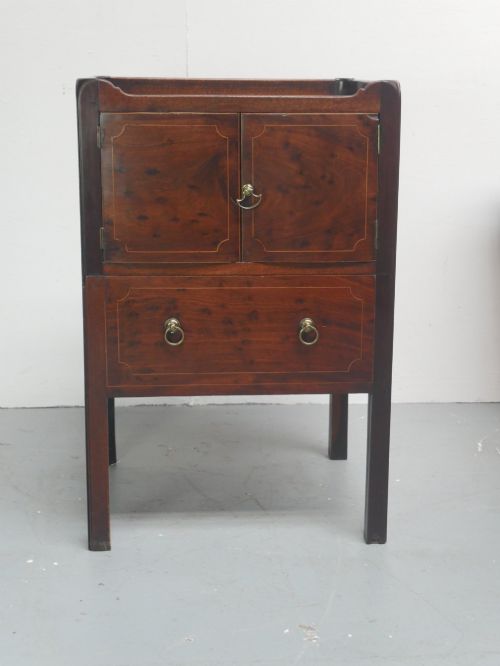
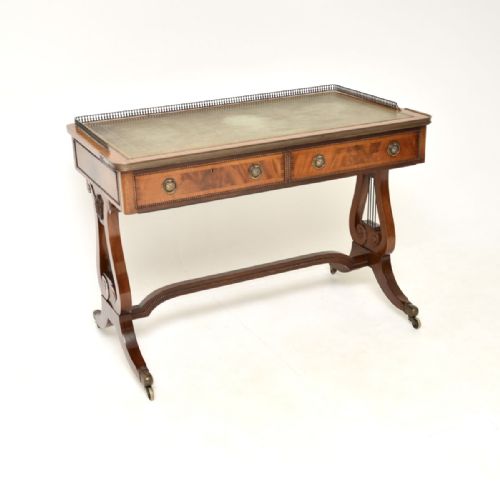
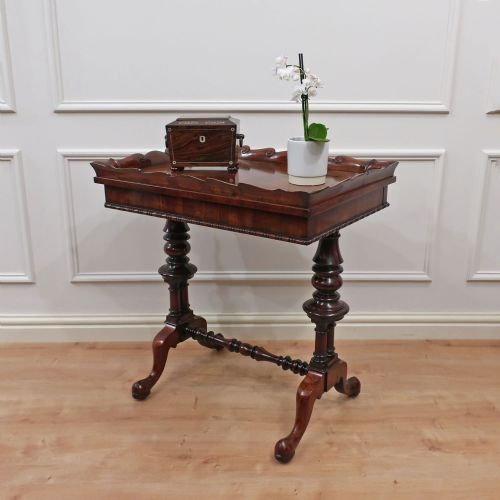
These antique gallery top table pieces offer raised rims and compact proportions, satisfying collectors who value secure surfaces and classic timber work.

What they are
An antique gallery top table appears in forms such as side tables, occasional tables, console tables, bedside tables, urn stands, tray top silver tables, book tables, and commodes. Buyers searching for an antique gallery top table encounter pieces originating from the 18th century, the 19th century, the Georgian period, the William IV era, the Regency period, and the Edwardian era around 1900.
The inventory on this page most frequently presents side tables and tray top variants in mahogany, often paired with brass hardware. These furnishings served diverse household duties, from holding silver and books to supporting bedside items and decorative urns within period interiors.

How they were made
Maker workshops utilised solid and veneered mahogany to construct the frames, surfaces, and structural supports of these tables. Cabinetmakers shaped the timber using hand tools, frequently integrating raised three-quarter gallery surrounds and tray top edges directly into the upper board or assembling them with precise joints.
Metal components such as brass appear as subsidiary elements for handles, hinges, or decorative mounts, complementing the warm reddish-brown tones of the mahogany. Joinery techniques relied on traditional wood-working methods appropriate for each distinct period style, from George III to Edwardian.
Retail Price Guide 2026
Typical UK retail prices for gallery top table, calculated from the Sellingantiques database of over a million retail prices indexed since 2003. This retail price guide relies exclusively on Sellingantiques data; no external sources or auction records are used, so the figures do not describe the wider market.
Every raised wooden rim whispers tales of clumsy Georgian tea guests and desperate servants saving the family silver from an untimely floor-dive.
What varies in quality
The distinction between standard examples and superior pieces rests upon the crispness of the timber carving and the finesse of the gallery surround. A refined serpentine front or an integrated tray top demonstrates greater cabinetmaking skill than a simple flat board with a plain raised rim.
Timber selection dictates visual depth, with well-figured mahogany grain elevating the overall presence of a side table or urn stand. The integration of functional elements, such as fitted trays or drawers, further separates basic utility items from exceptional collector pieces.
The Antique Gallery Top Table Glossary
- Gallery top
- A raised rim or border surrounding the edge of a table surface, designed to prevent items from rolling off. This feature is characteristic of tea tables, silver tables, and bedside stands.
- Serpentine-fronted
- A furniture front characterised by a concave central section flanked by two convex curves, or the reverse. This undulating profile demands advanced woodworking skill.
- Tray top
- A tabletop fashioned with a deep, enclosed rim resembling a serving tray, often secured directly to a supporting frame or stand. It provides a secure platform for portable silver and china.
- Urn stand
- A small, tall table specifically created to support a heated tea urn or beverage container. These pieces typically feature delicate proportions and elevated gallery surrounds.
- William IV
- A British design period spanning the reign of King William IV from 1830 to 1837, sitting stylistically between Regency and Victorian. Furniture from this era often displays robust classical proportions.
Frequently Asked Questions
What is an antique gallery top table?
An antique gallery top table is a small furnishing featuring a raised border around the perimeter of the upper surface. These tables were built during periods like the Georgian era and the early nineteenth century in forms such as side tables, urn stands, and tray top commodes.
The raised rim served the practical purpose of keeping items secure on the surface during use. Today, collectors value them for their compact sizes and fine mahogany construction.
How were these tables used originally?
Historical uses varied depending on the specific form and height of the table. Tray top silver tables and urn stands held beverages and serving vessels, while bedside tables and book tables accommodated personal items in private chambers.
The protective gallery surround prevented valuable porcelain, silver, and glassware from sliding off the edge. Their movable nature allowed servants to reposition them easily around period rooms as needed.
How do I identify a George III table?
George III period pieces date from the reign of George III between 1760 and 1820. They are typically characterised by solid mahogany construction, restrained classical ornamentation, and precise joinery.
Looking closely at the timber grain, drawer linings, and structural framing helps confirm the period. The presence of a hand-formed gallery surround often points to high-status eighteenth-century cabinetmaking.
Where should I place one at home?
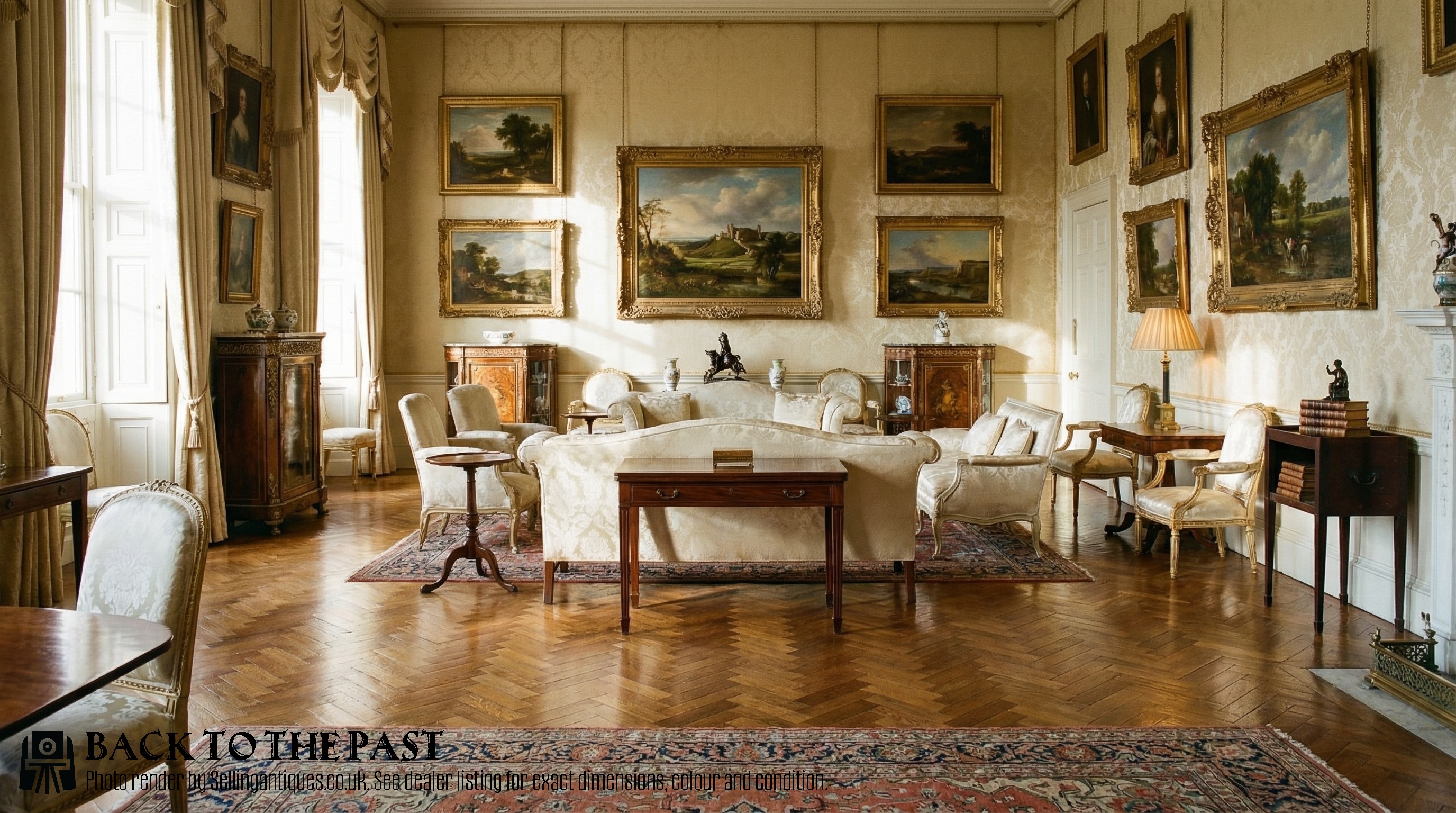
These compact tables fit easily beside seating furniture, as lamp stands, or against narrow hallway walls. Their modest footprints make them practical for modern rooms that require period character without occupying excessive floor space.
The protective gallery edge makes them useful for holding drinks or small decorative objects securely. Placing them away from direct heat sources helps protect the antique mahogany surfaces.