


Antique Gallery Top Stand
An antique gallery top stand brings refined timber and raised borders together, offering a secure display surface for precious items in any room.
Antique Gallery Top Stand
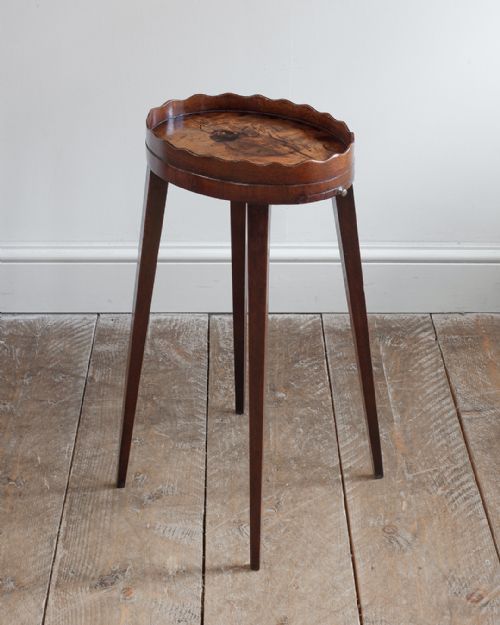
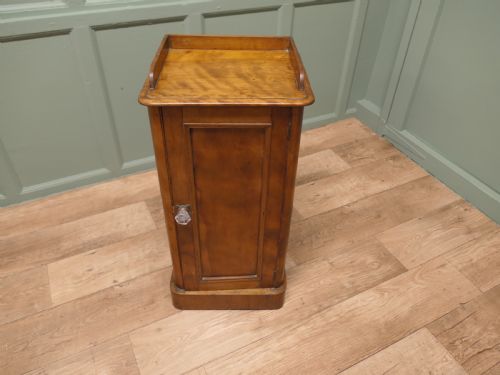
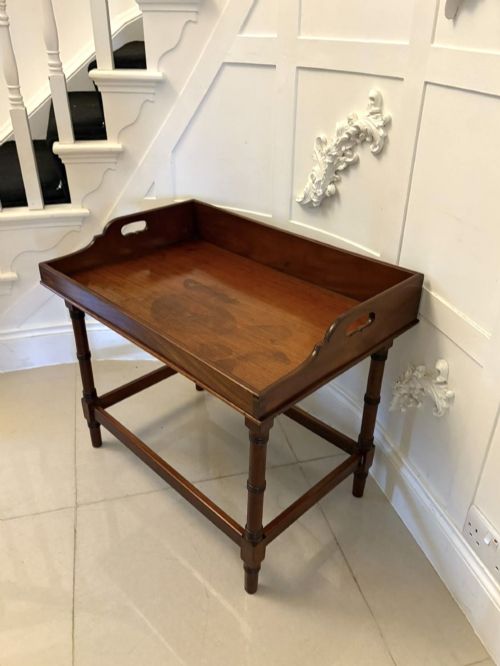
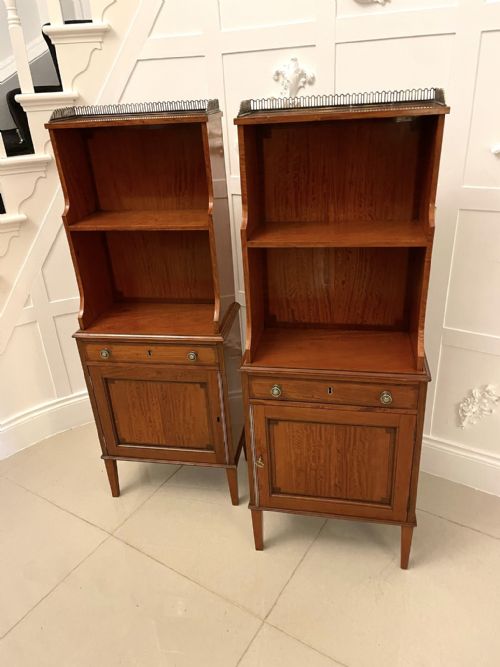
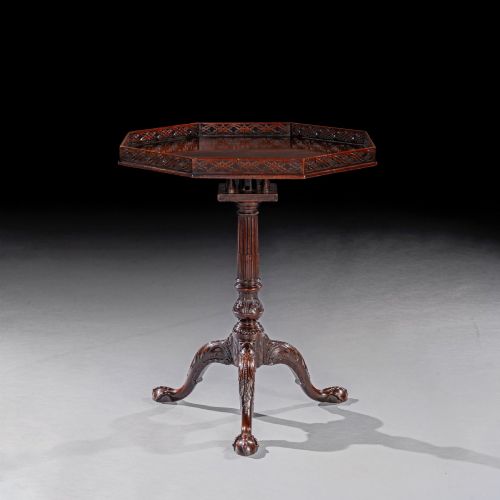
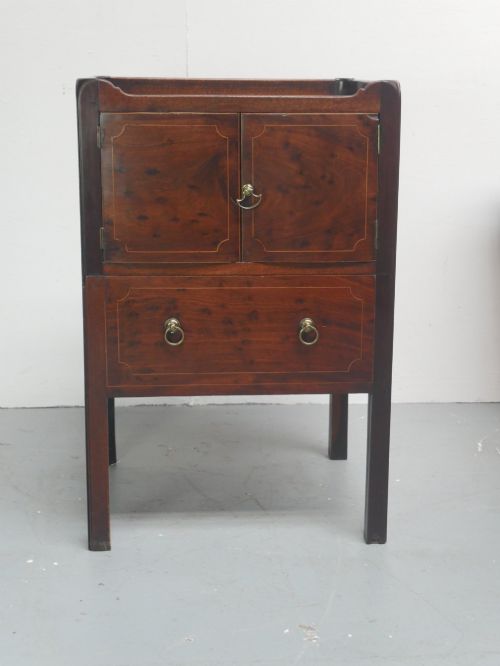
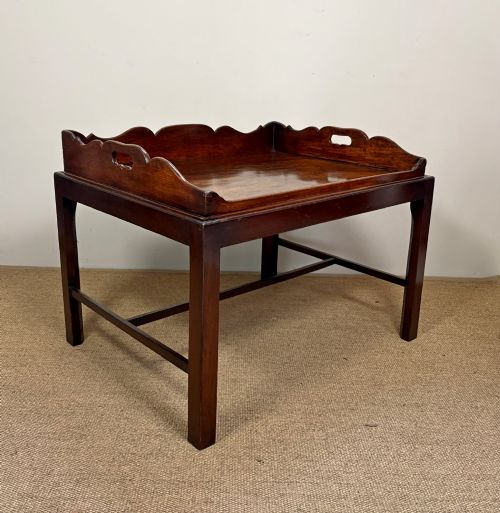
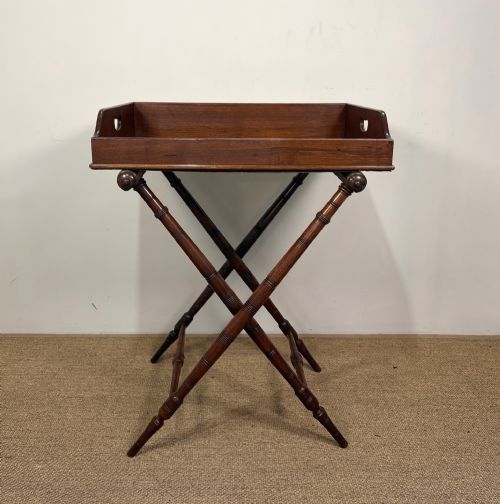
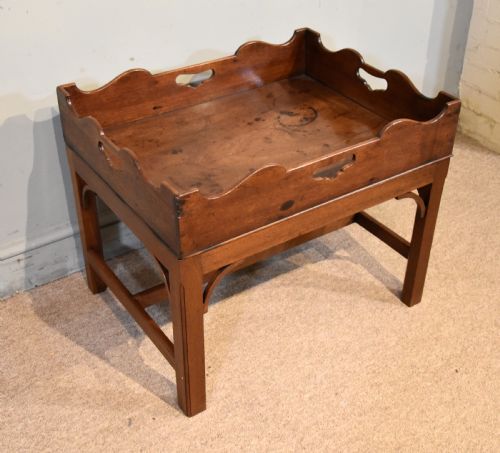
An antique gallery top stand encompasses compact occasional tables, kettle stands, urn stands, and butler trays raised on stands, all sharing a distinct raised perimeter designed to keep items from sliding. These pieces emerge chiefly from the eighteenth and nineteenth centuries, spanning Georgian, Victorian, and Edwardian eras.
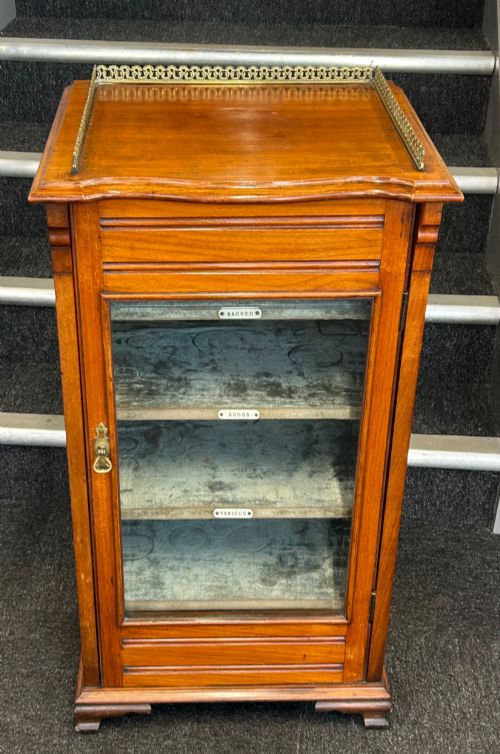
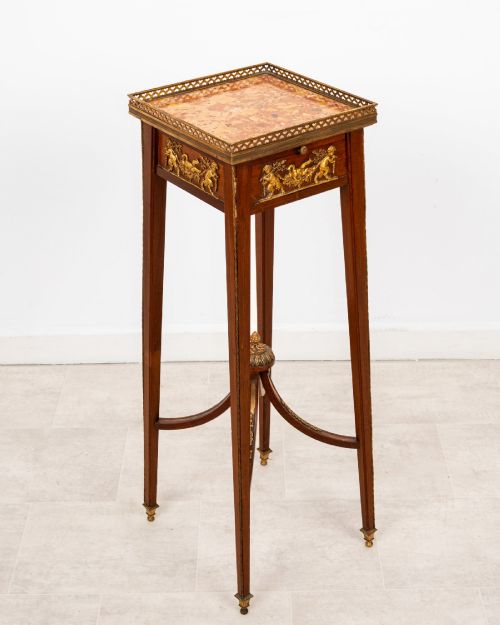
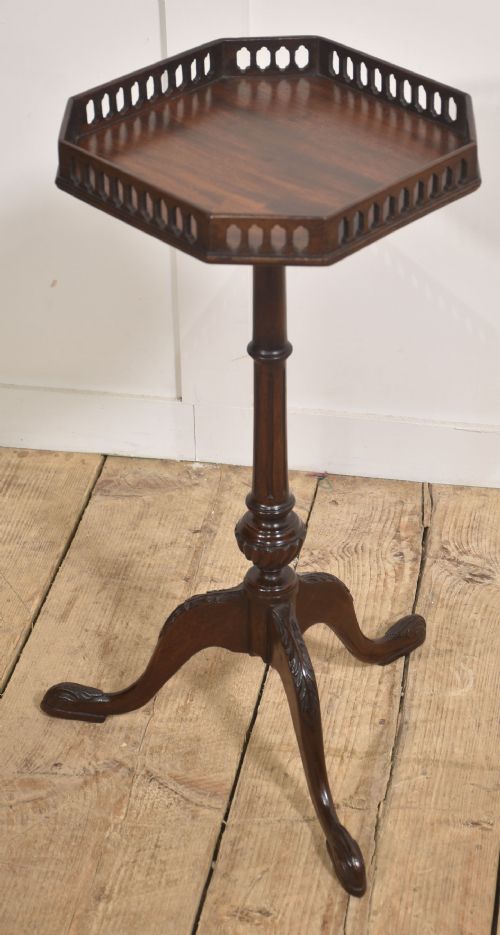
The buyer encounters mahogany most frequently, alongside walnut, satinwood, and pine, shaped into octagonal, circular, square, or serpentine formats. Many examples utilise tripod bases or folding stands, while others incorporate brass mounts, marble inserts, or onyx tops derived from French stylistic influences.
Makers and workshops of the periods produced these stands for specific domestic tasks, such as serving tea, holding lamps, or displaying porcelain. The survival of original gallery railings and matching stands marks the distinction between unaltered specimens and later married pieces.
Materials and Construction
Cabinet makers relied heavily on solid and veneered mahogany, walnut, and satinwood, often selecting timber with rich grain patterns for the display surfaces. Joinery techniques included precise dovetailing for drawers and secure tenon or dowel joints for tripod legs and pillar supports.
Raised galleries were constructed by shaping solid lengths of wood or bending thin strips to follow serpentine, circular, or octagonal perimeters, secured carefully to the table edge. Ormolu, brass, and marble elements were integrated into French-influenced designs, requiring skilled metal casting and stone polishing.
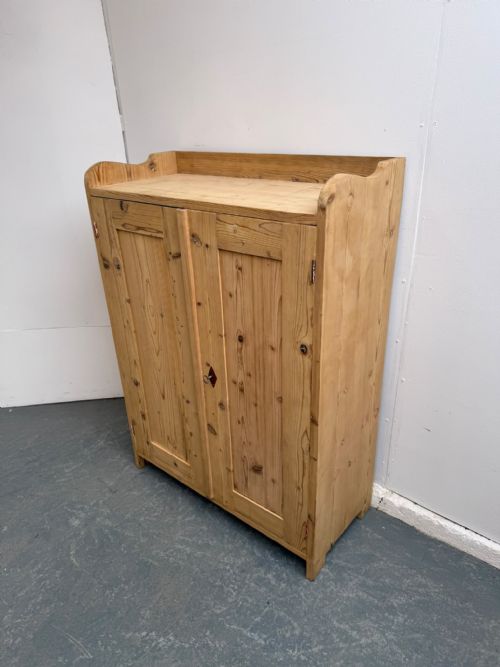
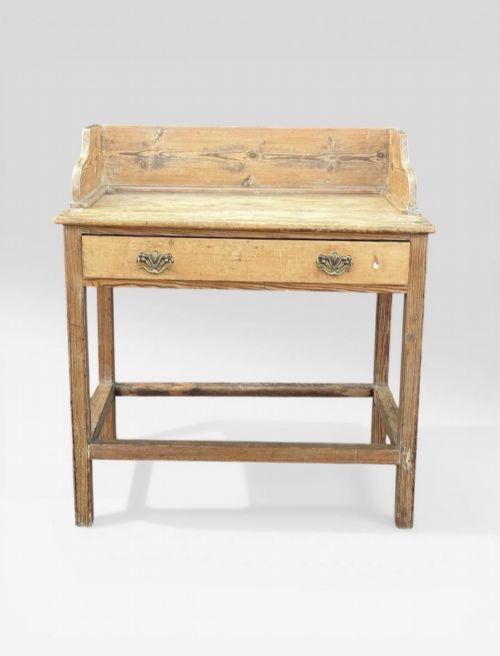
Finishes were achieved through hand-applied waxes and polishes that enhanced the natural colour of the timber without obscuring the grain. Pine versions often received painted faux finishes or original grain treatments, particularly on utilitarian washstands and storage furniture.
Listings feature mahogany predominantly, alongside walnut, satinwood, and pine, spanning the Georgian, Victorian, and Edwardian periods.
Distinctions in Quality
Quality rests upon the crispness of the timber carving and the integrity of the gallery surround, where hand-pierced or moulded borders demonstrate superior craftsmanship compared to crude replacements. The selection of finely figured mahogany or satinwood elevates a piece above standard domestic utilitarian examples.
Proportion and stability define the upper tier of these stands, particularly in tall, slender forms like kettle stands and urn stands where balance is paramount. Original hardware, such as brass castors or hinges on folding butler trays, confirms authenticity and original state of preservation.
Gillows·François Linke
The Antique Gallery Top Stand Glossary
- Gallery top
- A raised rim or border surrounding the edge of a table or stand, intended to prevent objects from rolling off. This feature is characteristic of tea tables, urn stands, and lamp tables.
- Kettle stand
- A small, tall occasional table designed specifically to hold a hot water kettle for tea service. They often feature delicate tripod bases and raised gallery edges.
- Butler tray
- A removable wooden tray with hinged or fixed sides, traditionally used for serving and placed upon a folding or rigid wooden stand. Many surviving examples date from the Georgian period.
- Ormolu
- Gilt bronze ornamentation applied to furniture, frequently seen on French-influenced nineteenth-century pieces. It adds metallic contrast to dark woods like mahogany and walnut.
- Tripod table
- A small table supported by a pillar resting on three legs. This construction allows the table to remain steady on uneven period floors.
Antique Gallery Top Stand: Frequently Asked Questions
What was a gallery top stand used for?
These stands served practical domestic functions in period homes, functioning as designated surfaces for tea kettles, decorative urns, lamps, and drinking vessels. The raised rim ensured that items remained secure when moved or used during social gatherings.
Over time, their roles expanded into general occasional use, holding books, writing materials, or wash basin equipment in bedrooms and parlours.
How do I distinguish a butler tray from a standard table?
A butler tray consists of a removable flat board with built-in carrying handles and raised sides, which lifts entirely away from its folding or fixed support base. Standard tables feature tops permanently fixed to their underframes.
Examining the underside of the tray and the top of the stand usually reveals alignment pegs or resting ledges designed to keep the removable tray secure.
Where should I place an antique stand in my home?
These compact pieces fit easily beside seating furniture as lamp or wine tables, or in hallways as decorative display points for plants and small objects. Their slender profiles make them suitable for corners and narrow spaces where larger furniture would overwhelm the room.
Protecting the polished timber from direct sunlight and excessive moisture preserves the antique finish and structural integrity.
How can I tell the period of a mahogany stand?
Dating relies on observing construction methods, timber weight, and stylistic traits associated with Georgian, Victorian, or Edwardian cabinet making. Earlier eighteenth-century examples often exhibit hand-cut dovetails, lighter proportions, and rich patination developed over centuries.
Later nineteenth-century and Edwardian pieces frequently incorporate revival styles, machine-sawn components, or denser mahogany stocks while retaining traditional joinery.