

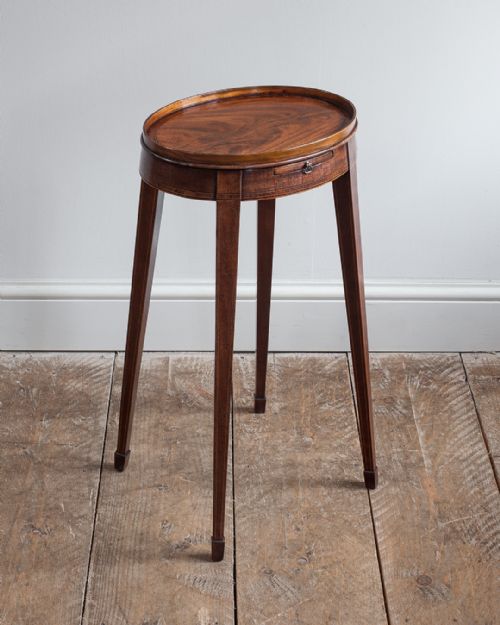

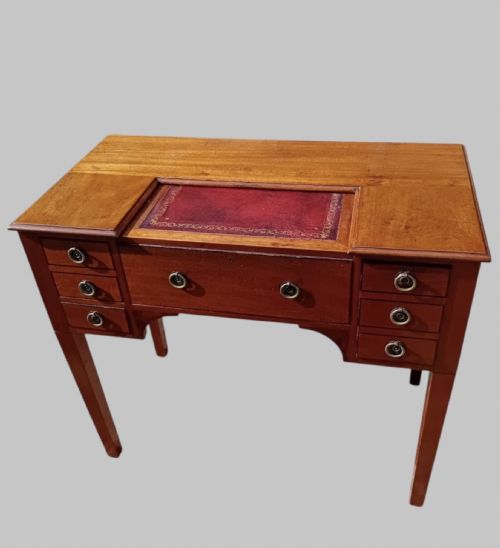


Mahogany Table Slide
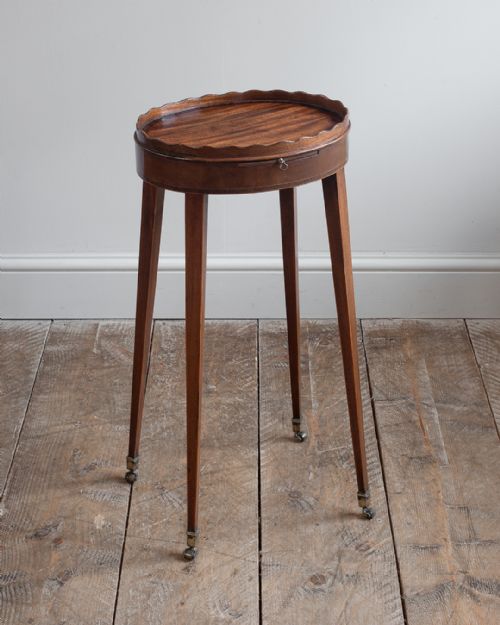
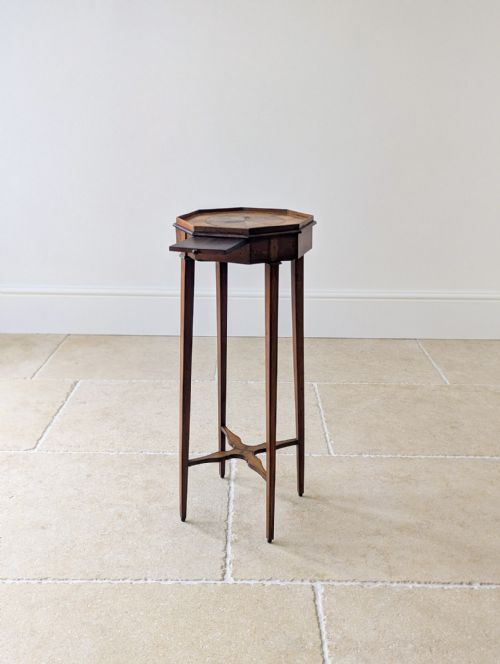
A mahogany table slide provides a discreet, extendable surface tucked away beneath a desk or table top.
Mahogany Table Slide
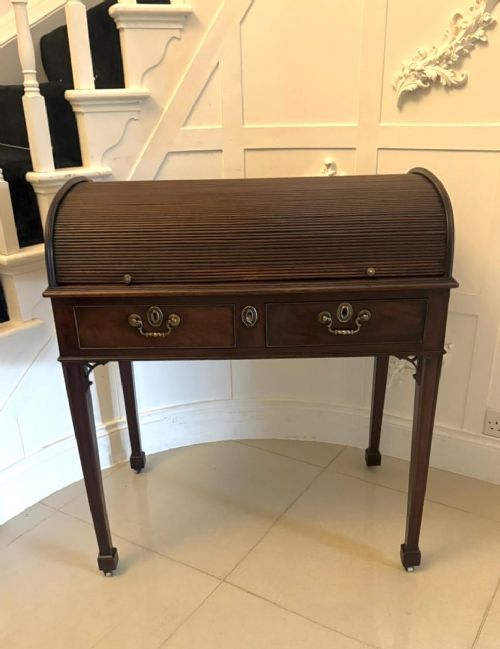
A mahogany table slide appears on desks, chests and writing tables, designed to pull out when extra surface area is required. These pull-out panels sit flush within the furniture frame until drawn.
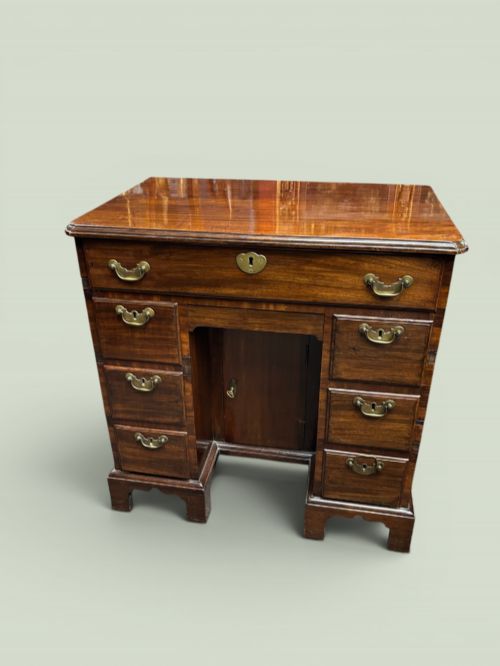
The selections available span Georgian, Regency and Victorian periods, alongside later twentieth-century interpretations. Common forms include pedestal desks, kneehole desks and gentleman's tables equipped with these utilitarian extensions.
Many examples feature secondary materials integrated into the pull-out surface, such as inset leather or felt writing pads. Others serve specialised functions, operating as candle slides or brushing slides.
How they were made
Makers constructed these elements primarily from solid mahogany or mahogany veneers applied to secondary timbers. Drawer runners and internal framing frequently incorporate fruitwood or pine to ensure smooth operation.
Fine examples integrate brass hardware, including small knob handles or finger recesses to pull the mechanism outward. Inlay work and stringing occasionally decorate the exposed edges of the slide.
Some nineteenth-century tables include candle slides specifically positioned to illuminate the reader's page without dripping wax on the main surface.
What varies in quality
The precision of the joinery dictates how smoothly the slide moves within its housing over decades of use. Superior examples glide without binding or excessive side-to-side play.
The selection of timber grain and the condition of integrated leather or felt inserts separate standard utilitarian pieces from finer cabinet work.
James Mein of Kelso
The Mahogany Table Slide Glossary
- Brushing slide
- A pull-out shelf originally intended for dusting clothes or holding accessories before formal dressing. These appear frequently on Georgian gentleman's tables and wardrobes.
- Kneehole desk
- A compact writing desk featuring a central recessed space for the legs, flanked by pedestals of small drawers. They often incorporate pull-out writing slides above the pedestals.
- Tambour
- A sliding door or shutter constructed from narrow vertical strips of wood glued to a canvas backing. This mechanism is often paired with internal pull-out writing slides on cylinder desks.
- Stringing
- A narrow strip of contrasting wood inlaid into the surface of furniture to create a delicate border. It frequently decorates the edges of fine table tops and pull-out slides.
Mahogany Table Slide: Frequently Asked Questions
What is a mahogany table slide used for?
A mahogany table slide provides a temporary resting place for writing materials, cups or candles without cluttering the main surface. Users pull the panel out when extra workspace is needed and push it flush when finished.
Historically, these panels functioned as brushing slides for garments or auxiliary surfaces for desk work. They maximise the utility of compact furniture pieces.
How do I tell an 18th-century slide from a later copy?
Eighteenth-century examples display hand-cut dovetails, timber shrinkage appropriate to age, and secondary woods like oak or pine. The runners often show natural wear patterns from centuries of friction.
Later reproductions or nineteenth-century revivals typically utilise different internal construction methods and machine-sawn components. Examining the interior framework reveals the manufacturing era.
Are the leather inserts on writing slides original?
Some pieces retain their original tooled leather or felt writing surfaces, showing appropriate patination and wear. Many desks, however, undergo restoration where the insert is replaced.
Checking the edges of the leather insert helps determine whether the material is a later replacement. A professional replacement does not detract from the utility of the slide.