

Antique Gallery Table
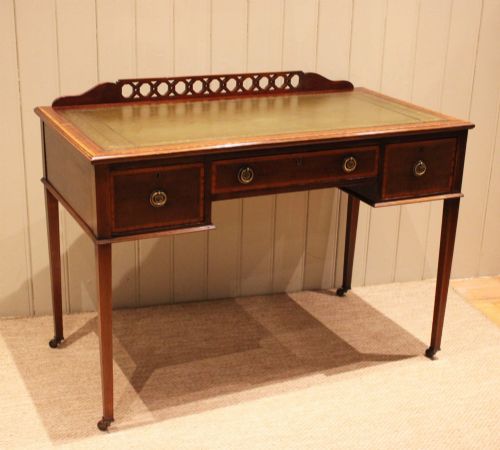
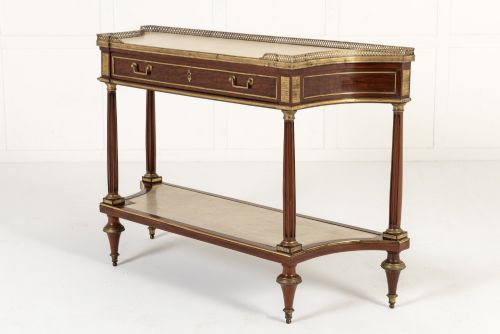
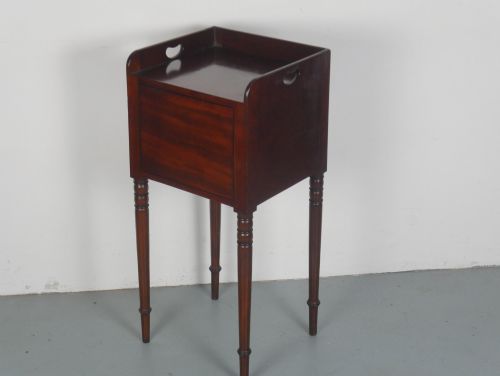
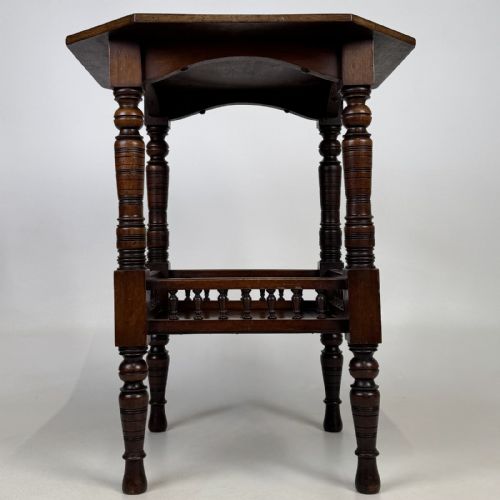
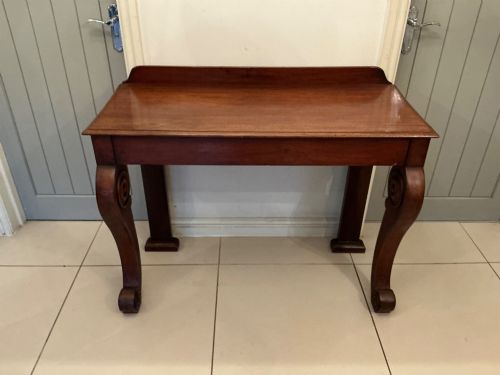
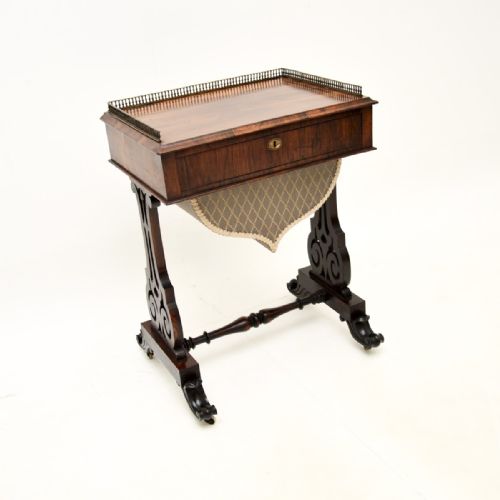
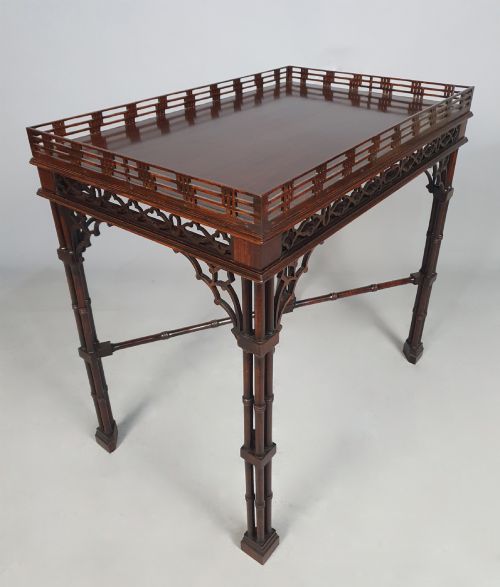
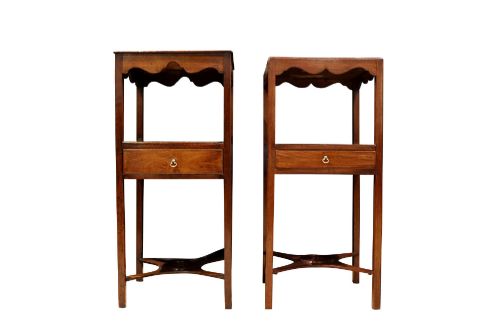
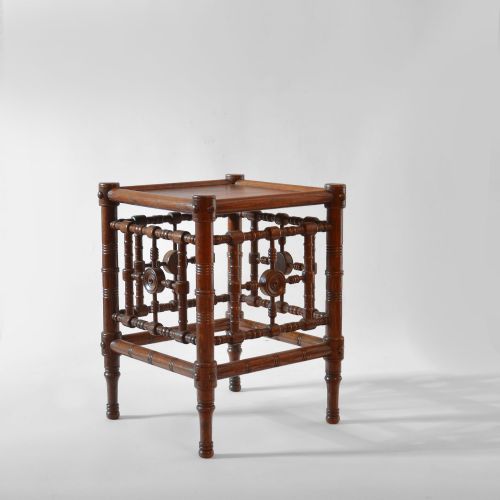
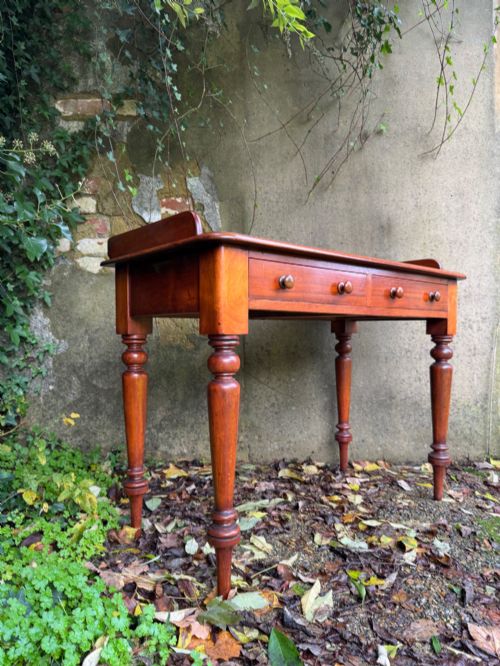
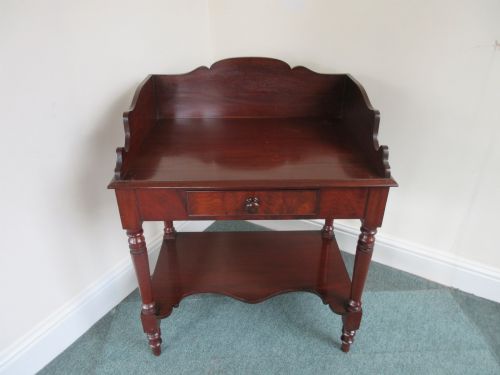
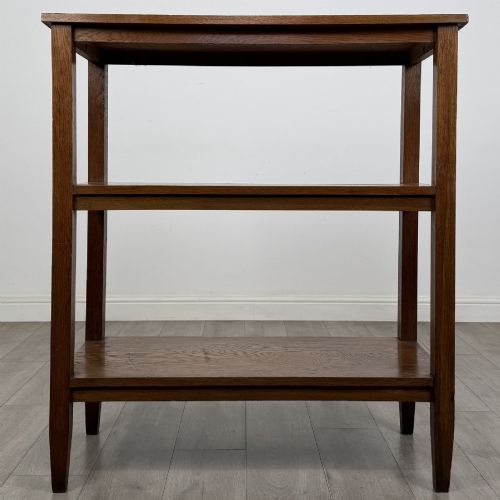
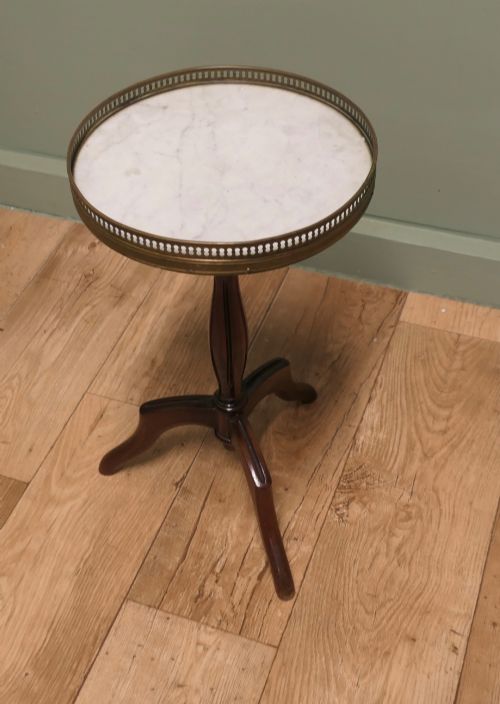
An antique gallery table provides a raised edge to secure delicate items, spanning periods from the Georgian era through to Edwardian designs.
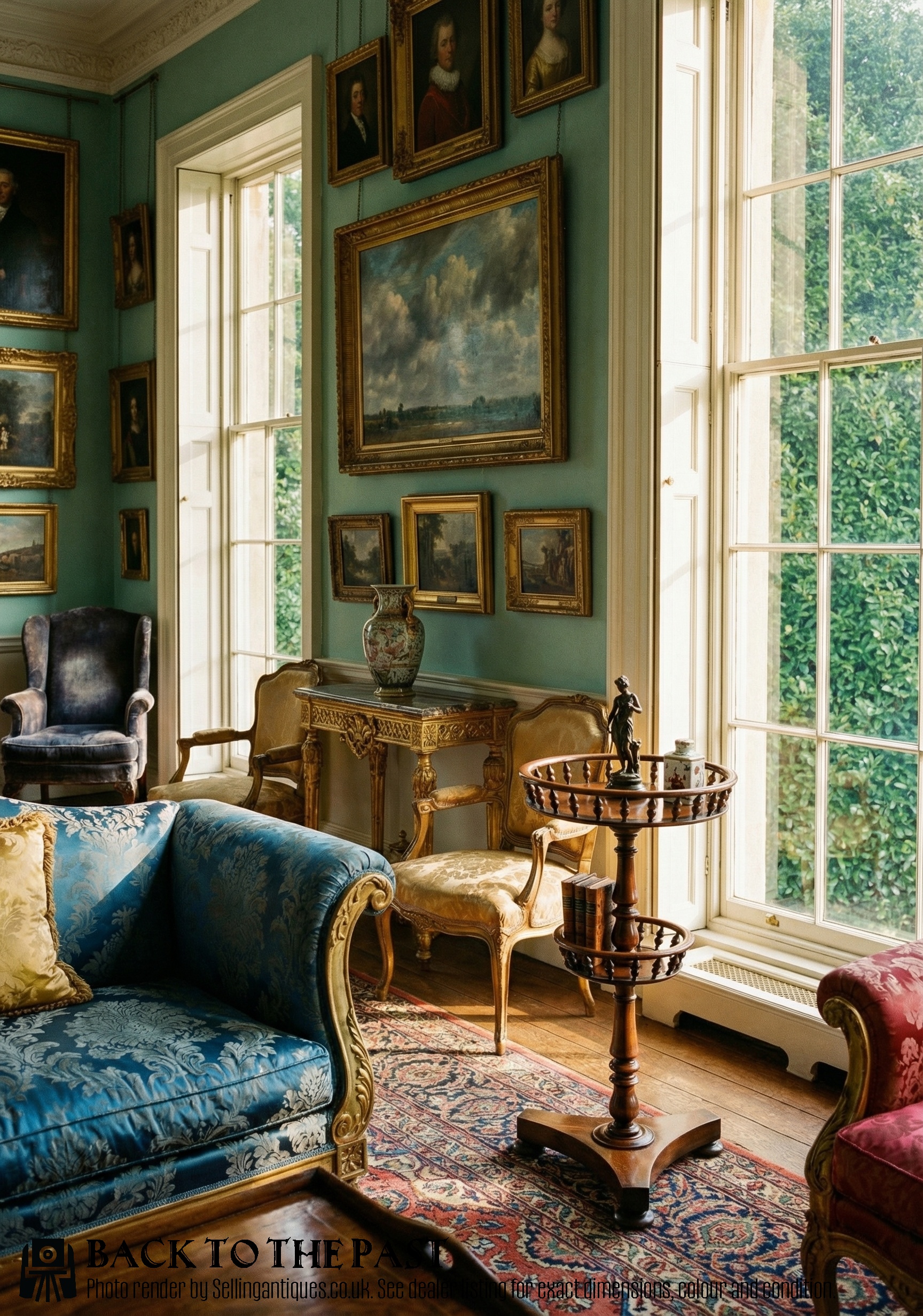
Antique Gallery Table
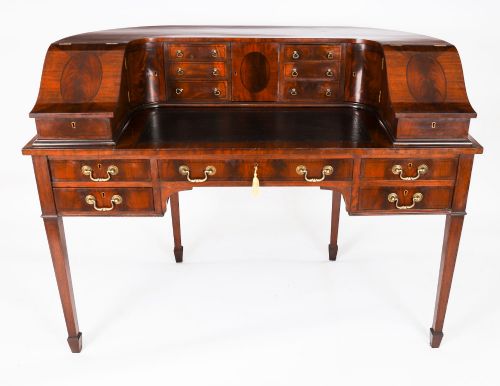
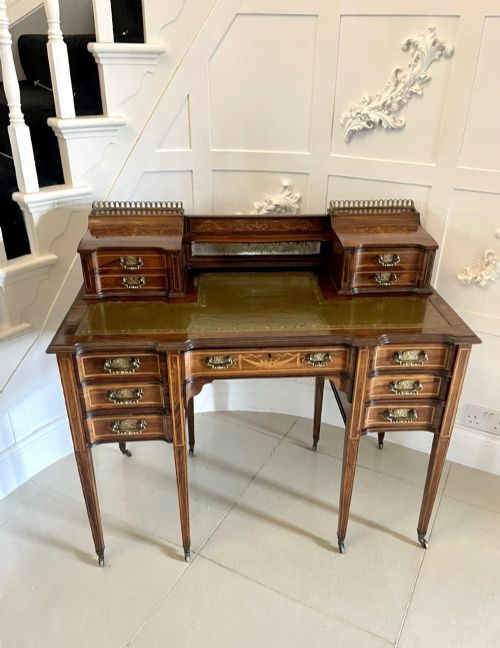
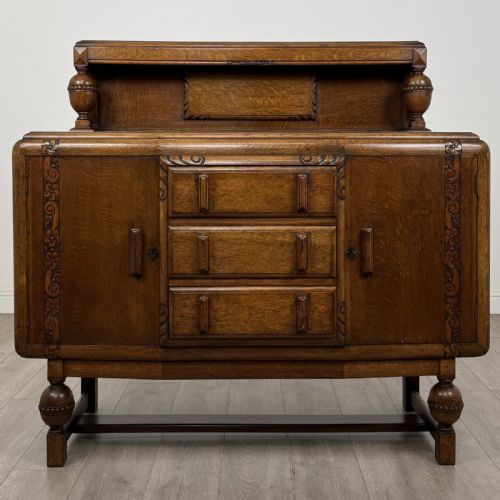
When buyers search for an antique gallery table, they encounter diverse forms including side tables, occasional tables, and writing desks produced across the Georgian, Victorian, and Edwardian periods.
Most examples originate from British and French workshops, utilising native timbers alongside exotic veneers like rosewood, walnut, and mahogany.
Materials and construction
Cabinetmakers built the structural frames of these tables using solid hardwoods such as mahogany, oak, and walnut, ensuring stability for daily use.
Surfaces frequently display fine veneering techniques, incorporating satinwood, amboyna, and kingwood to create geometric patterns and contrasting borders.
Metal components, including brass galleries, handles, and occasional ormolu mounts, are cast and fixed securely to the timber framework.
Antique Gallery Table Retail Price Guide 2026
Typical asking prices for gallery table among the pieces listed under this phrase on Sellingantiques today, from the lower quarter to the upper quarter. They describe what is for sale here now, not the wider market.
Some revolving book tables include a lazy waiter mechanism so readers could spin their library without leaving the chair.
Judging the standard
Quality rests in the crispness of the timber selection, such as vibrant flame mahogany or figured burr walnut, matched symmetrically across the top.
The refinement of the gallery itself indicates a higher grade of manufacture, showing pierced brass work or finely dovetailed wooden spindles rather than cast substitutes.
Interior secondary woods, dovetail joints on drawers, and original mounts distinguish workshop pieces intended for elite interiors from standard commercial output.
Maple and Co·Maison Millet·James Mein of Kelso·Gillows
The Antique Gallery Table Glossary
- Gallery
- A raised miniature railing or balustrade fitted around the edge of a table top to retain objects. It is constructed from pierced brass or shaped timber.
- Marquetry
- The art of forming decorative patterns on a wooden surface using thin veneers of different timbers, shells, or ivory. Craftsmen cut these pieces to fit precisely into a design.
- Ormolu
- Gilded bronze used for decorative mounts and furniture feet. The technique involves applying a mercury and gold amalgam to bronze.
- Parquetry
- Geometric mosaic woodwork used for floors or furniture surfaces. It creates repeating patterns using contrasting wood blocks.
- Bonheur du jour
- A small, light lady's writing desk featuring a raised superstructure with small drawers and pigeonholes above the main writing surface. It became popular during the mid-eighteenth century.
Antique Gallery Table: Frequently Asked Questions
What is an antique gallery table used for?
These tables served various domestic functions, acting as lamp stands, bedside cabinets, or writing surfaces where small items required containment.
The raised ledge ensured that glassware, books, or writing implements remained secure during use.
How do I date an antique gallery table?
Dating relies on identifying the secondary woods, construction techniques, and stylistic markers associated with periods like Georgian, Victorian, or Edwardian.
Hand-cut dovetails and specific veneer choices often point to a narrower timeframe within the nineteenth century.
Are brass galleries original to the table?
Original brass galleries fit tightly into pre-drilled holes in the table top and show consistent age tarnish and wear.
Replacement galleries often leave mismatched fixing holes or lack the patina found on older metalwork.
How do I care for a veneer table top?
Protect the polished surface from direct sunlight and excessive moisture to prevent the underlying veneer from lifting.
Regular application of traditional beeswax maintains the lustre without damaging historical finishes.