
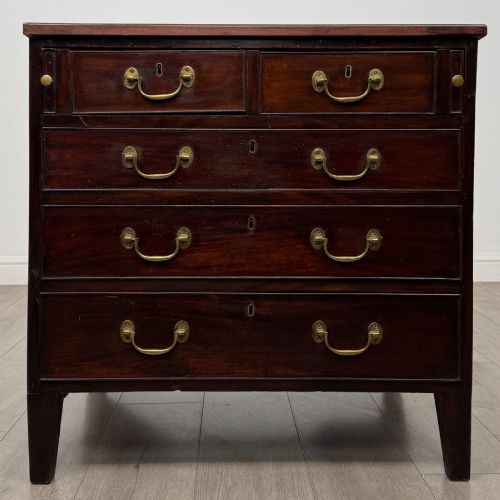
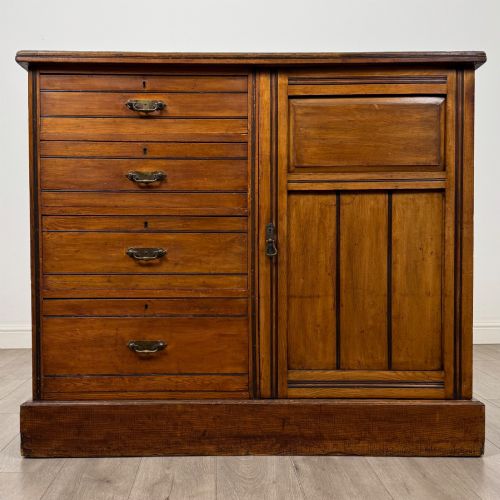
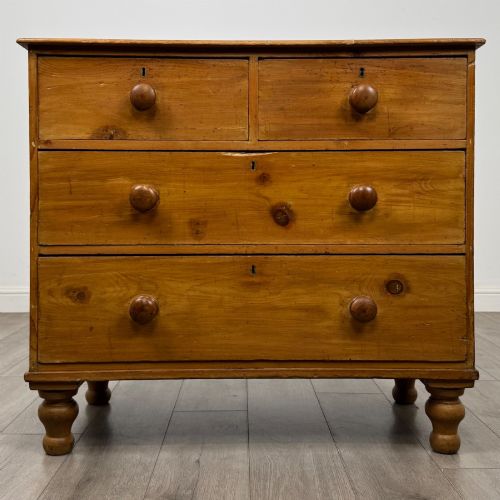
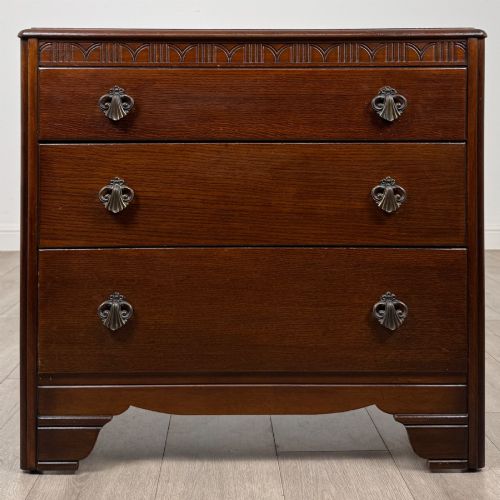
Antique Furniture Chest Drawers
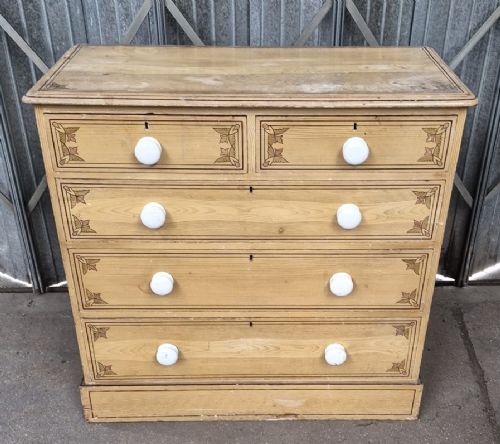
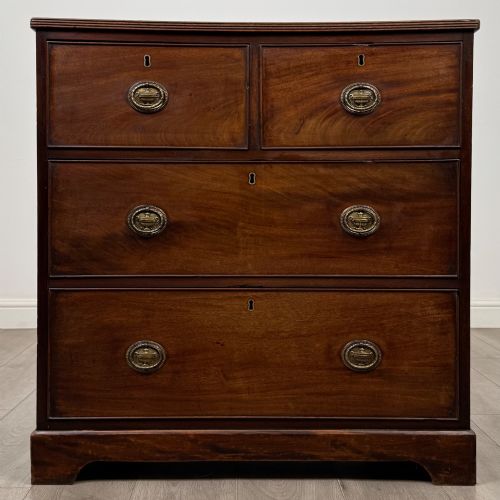
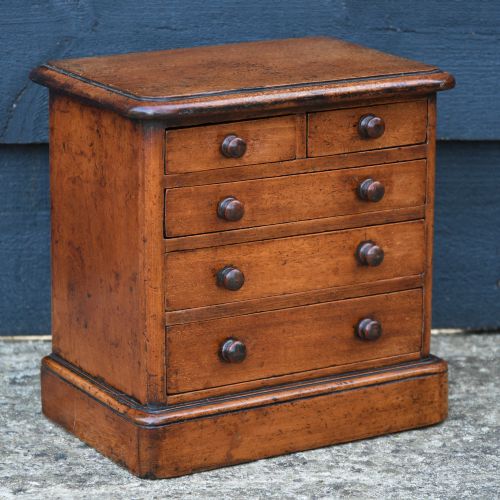
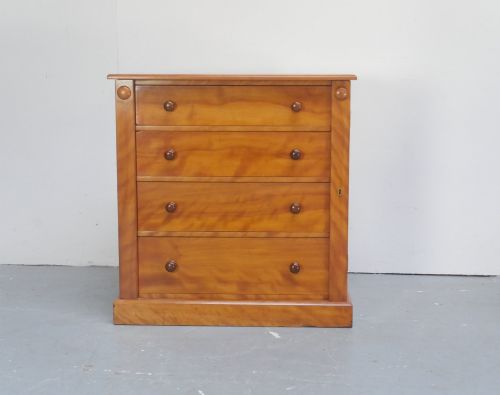
When searching for an antique furniture chest drawers, you encounter centuries of practical storage shaped by changing tastes in timber and proportion.
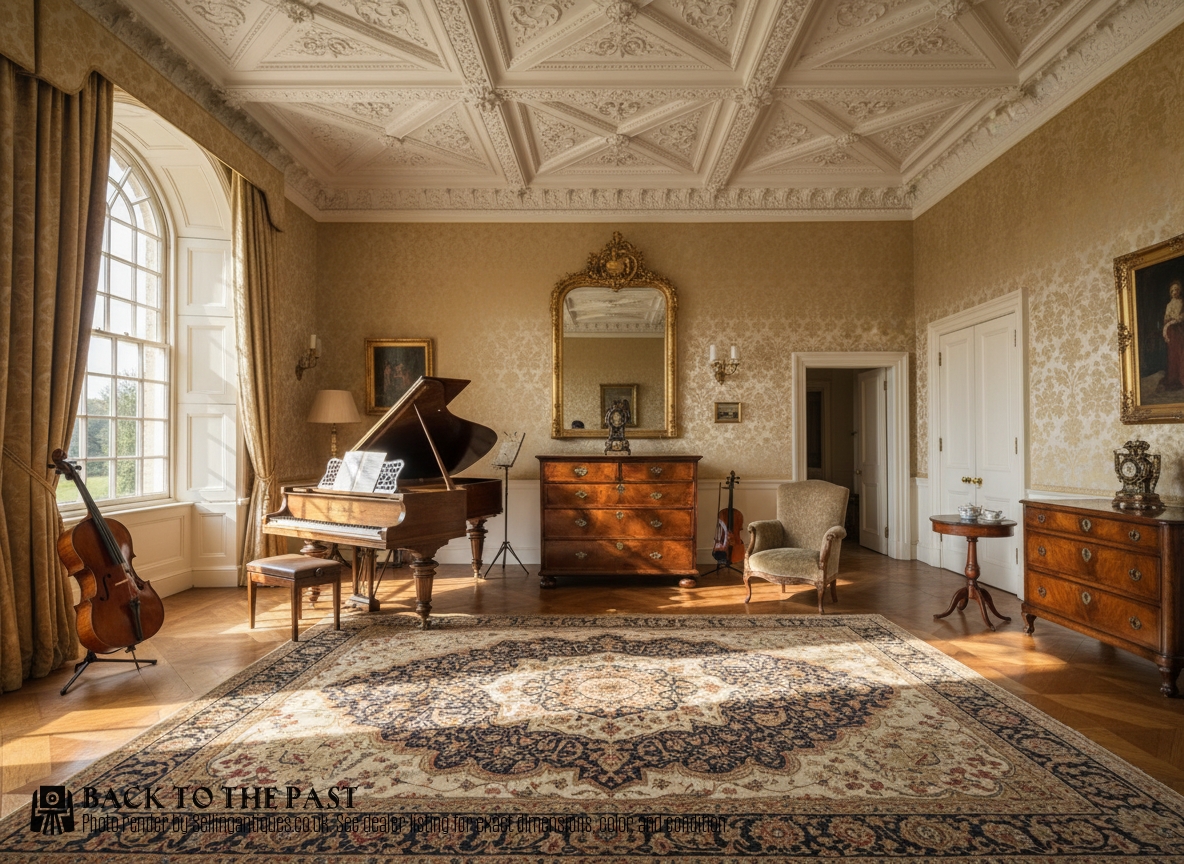
Antique Furniture Chest Drawers
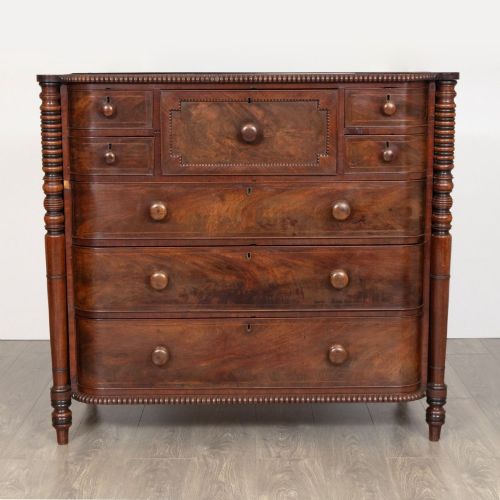
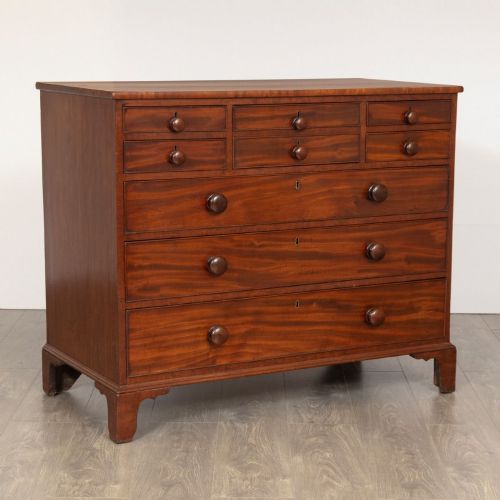
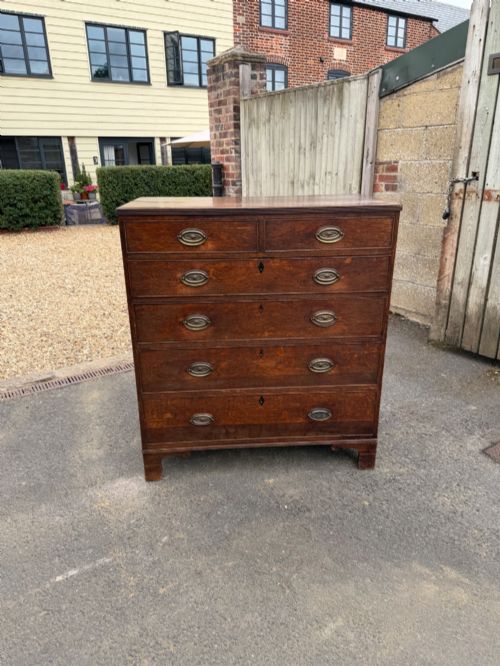
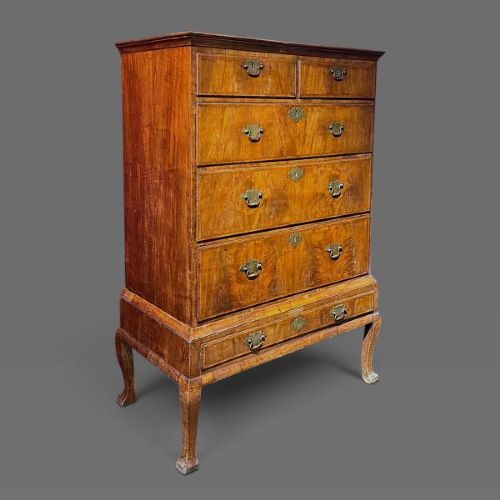
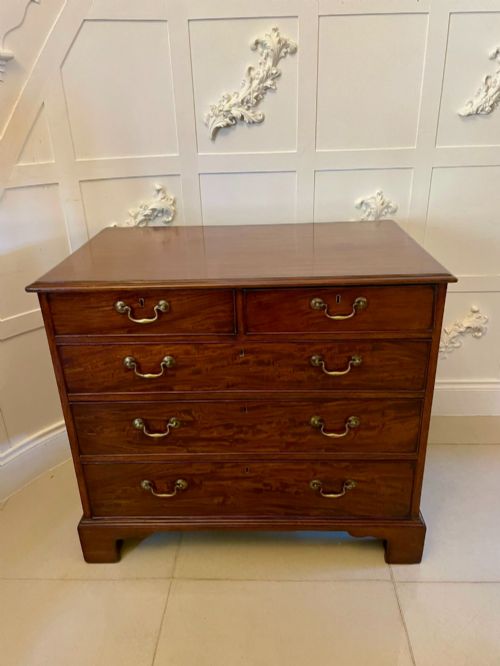
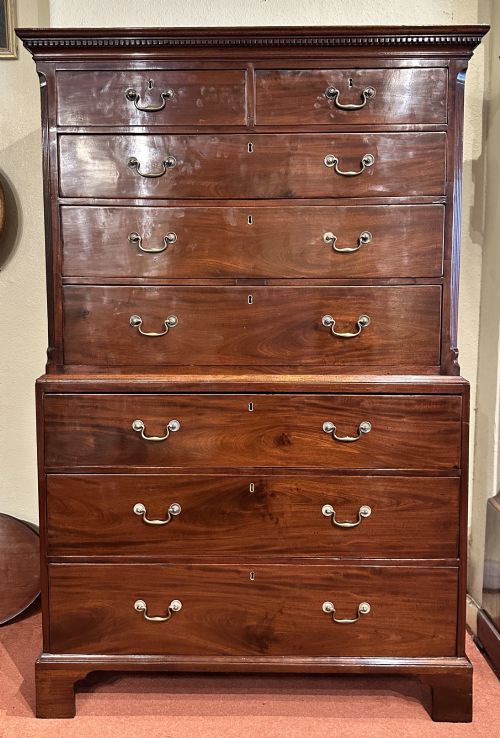
An antique furniture chest drawers is a domestic storage piece built from the seventeenth century through to the twentieth century, appearing in formats ranging from low bedside tables to towering chests on chests and campaign units. The most common survivals on this page date from the Georgian and Victorian eras, alongside Regency, Edwardian, and later twentieth-century iterations.
Makers utilised various timber species depending on the period, yielding straightforward oak country pieces as well as highly figured walnut and mahogany commodes destined for formal reception rooms. Regional variations span English workshops, Scottish makers, French commodes, and Austrian or Swedish pieces.
Form follows function across these examples, encompassing straightforward four-drawer configurations, serpentine fronts, bow fronts, and specialised pieces incorporating brushing slides or secretary compartments. Buyers select them for daily bedroom or study storage while integrating historical cabinetmaking into contemporary interiors.
Materials and Technique
Cabinetmakers constructed carcass frameworks primarily in solid oak, mahogany, and walnut, often applying decorative veneers such as burr walnut, flame mahogany, and crossbanding to primary display surfaces. Dovetail joints secured drawer construction, while secondary timbers like pine frequently lined drawer interiors and backs.
Hardware played an integral structural and decorative role, featuring brass handles and escutcheons secured through original bore holes, alongside specialised fittings on campaign pieces. Surface finishes relied on hand-applied polishes and waxes that developed patination over centuries of exposure and use.
Factors of Quality
Quality rests in the selection of timbers and the precision of cabinet construction, particularly the tightness of hand-cut dovetails and the grain matching across drawer fronts. Superior pieces retain their original brass hardware, unblemished veneer work, and structurally sound framing without extensive timber replacement.
Proportion and decorative restraint separate finer workshop output from utilitarian storage, where balanced drawer graduations and subtle cockbeading elevate the piece. The presence of maker stamps or labels, original feet, and untouched surfaces further distinguishes high-tier examples.
Whytock and Reid·T and G Seddon
The Antique Furniture Chest Drawers Glossary
- Bow Front
- A convex curved front projecting outward in the centre, frequently seen on Georgian and Regency examples.
- Chest on Chest
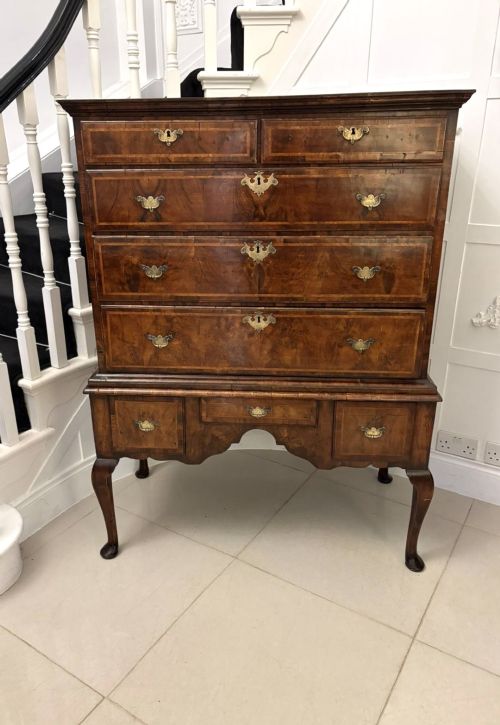
- A tall storage unit comprising a smaller upper chest stacked upon a wider lower chest, sometimes called a tallboy.
- Brushing Slide
- A pull-out shelf integrated above the top drawer, utilised for folding clothes or writing correspondence.
- Commode
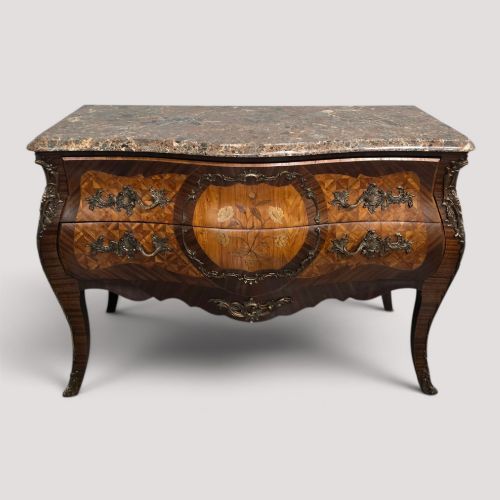
- A low cabinet or chest of drawers, often referencing continental European styling from the eighteenth and nineteenth centuries.
- Campaign Chest
- A modular chest built in sections with recessed brass handles, designed for easy transport by military officers.
Antique Furniture Chest Drawers: Frequently Asked Questions
What is a brushing slide used for?
A brushing slide is a pull-out wooden shelf located just beneath the top surface or above the uppermost drawer. In period homes, occupants used it to fold garments or temporarily rest items without opening the main drawers.
Over time, these slides also served as writing ledgers when seated in a bedroom or dressing room. Their presence generally indicates a piece of higher social standing and finer cabinetmaking.
How do I tell a Georgian chest from a Victorian one?
Georgian chests tend to feature cleaner architectural proportions, cleaner timber selections like figured mahogany or oak, and simpler brass hardware styles. Drawer linings often utilise hand-cut dovetails with oak or pine secondary woods.
Victorian pieces frequently display heavier mass, darker finishes, and occasionally bolder decorative motifs such as carved corbels or applied mouldings. The change in scale and lock mechanisms usually clarifies the period of manufacture.
Are campaign chests sturdy enough for daily use?
Campaign chests were built in two or more interlocking sections with reinforced brass corners and flush handles to withstand military transport. This makes them exceptionally robust and practical for modern living.
The modular design also allows for easier maneuvering through tight stairwells or narrow hallways compared to standard one-piece chests.
Why do some drawers have cockbeading?
Cockbeading is a narrow, rounded wooden moulding applied around the perimeter of drawer fronts to frame the opening. Cabinetmakers introduced this detail to hide end grain and prevent the edges of the drawer from chipping during use.
Beyond protection, it provides a subtle visual border that defines the drawer divisions against the main carcass of the chest.