

Antique Furniture Bed
An antique furniture bed brings historic craft and presence to a room, ranging from grand four-posters to streamlined Art Deco frames.
Antique Furniture Bed
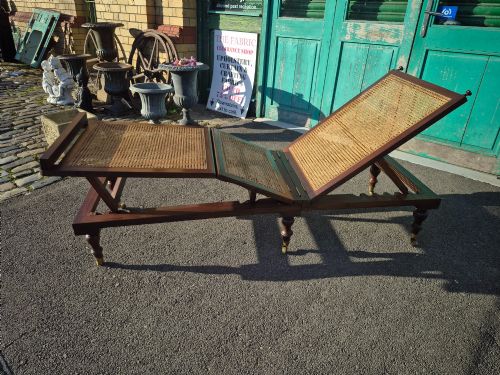
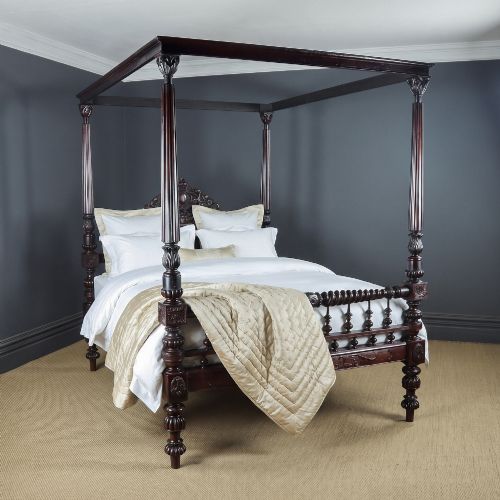
When you search for an antique furniture bed, you encounter a wide selection spanning several centuries, materials, and regional styles. The forms include four-poster tester beds, half-tester frames, daybeds, and simple single or double bedsteads.
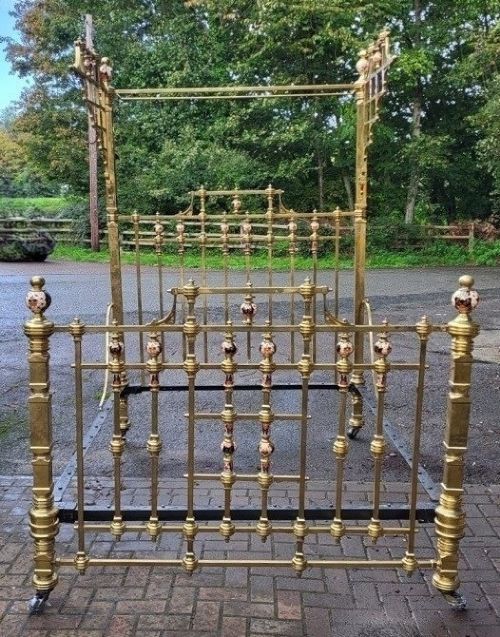
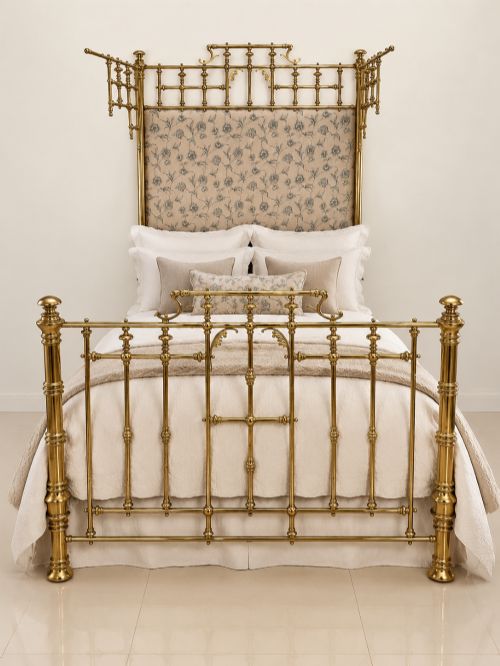
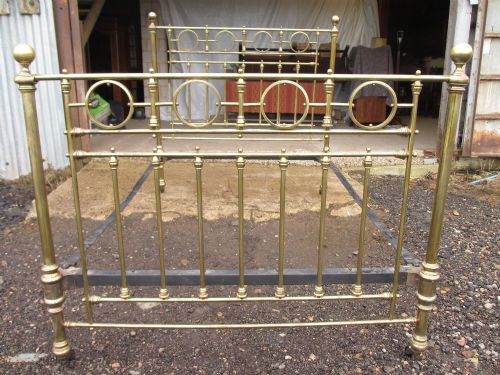
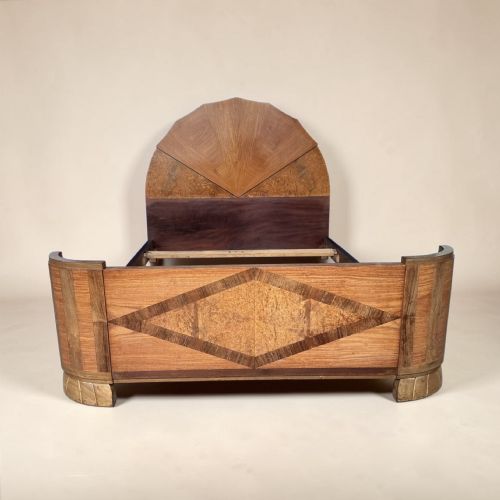
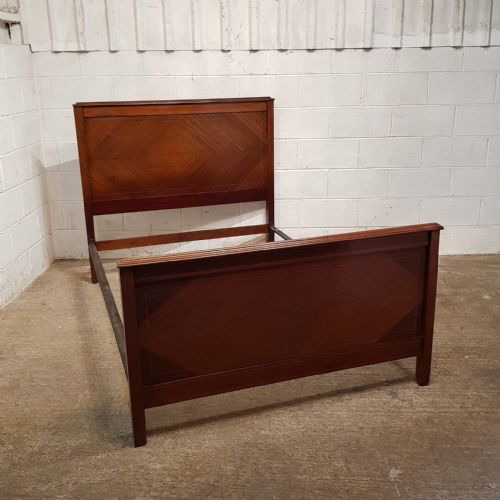
Victorian and Edwardian examples dominate the selection, often rendered in mahogany, walnut, or solid brass. Alongside these, French designs and Art Deco walnut pieces from the 1930s provide alternative aesthetics for period interiors.
Materials and Construction
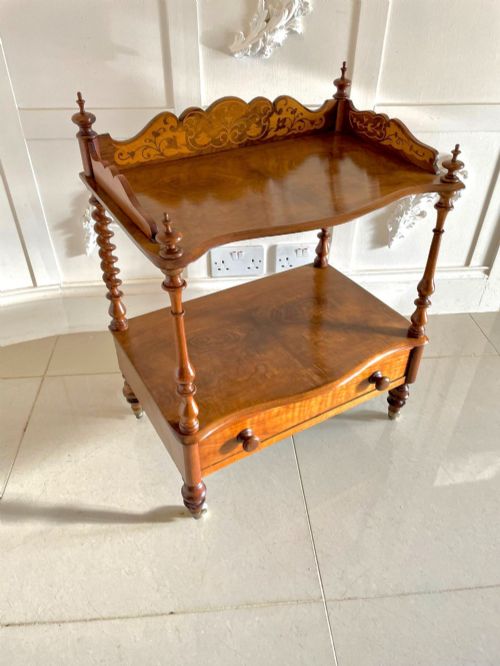
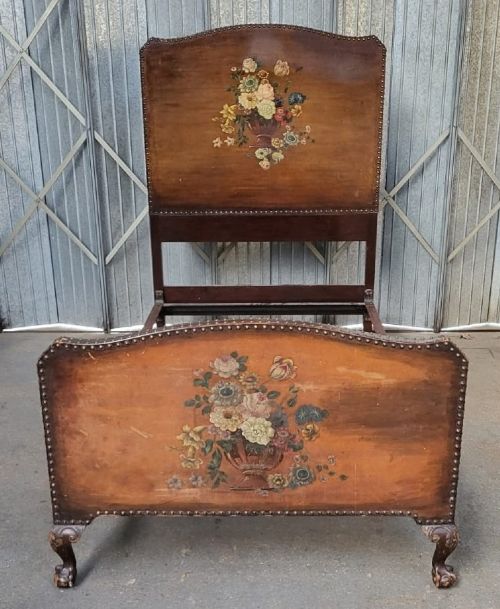
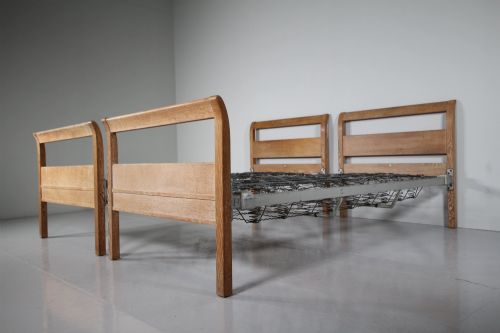
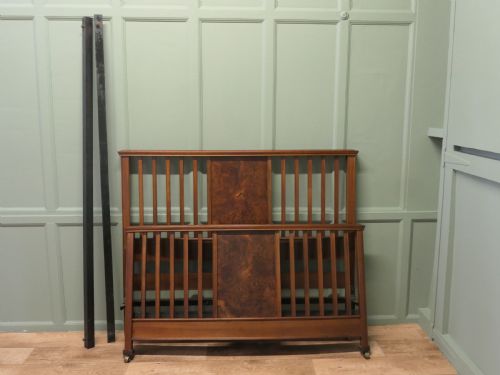
Cabinet makers utilised dense hardwoods such as mahogany, oak, and burr walnut, frequently applying fine veneer or decorative inlay to panel surfaces. Iron and brass formed the structural foundation for metal bedsteads, sometimes combined with castors or painted finishes.
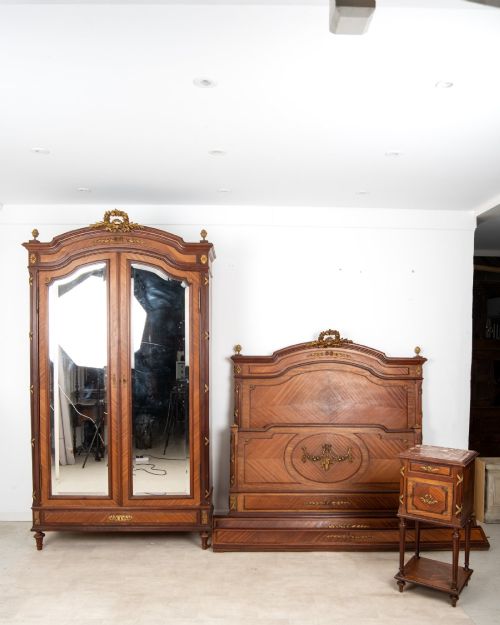
Joinery techniques ranged from traditional hand-cut joints in timber frames to slot-in iron brackets on Victorian metal beds. Decorative metalwork involved cast brass components, ormolu mounts, and hand-painted details on wood or toleware.
The documented styles span Georgian, Regency, Victorian, Edwardian, Arts and Crafts, Art Deco, and French revival periods.
Distinctions in Standard
The degree of hand-finishing and the selection of timber dictate the standing of a piece, with exhibition quality items displaying superior timber choice, such as burr walnut or figured mahogany. Maker attribution and original labelling elevate certain examples above standard commercial production.
The complexity of decorative elements, from intricate boxwood inlay and hand-painted panels to cast brass ornamentation, separates ordinary pieces from superior examples. Structural integrity and the survival of original components also govern the standing of an item.
Heals·Oliver Morel·Waring and Gillow·Maple and Co·Holland and Sons·M. P. Davis
The Antique Furniture Bed Glossary
- Bedstead
- The framework of a bed, comprising the headboard, footboard, and rails. It excludes the mattress and base.
- Tester
- A wooden canopy or soundboard suspended over a bed, supported by the posts. Half-tester beds mount a smaller canopy projecting from the wall or headboard.
- Daybed
- A piece of furniture serving as a couch by day and a bed by night, often featuring a single raised end or adjustable back.
- Ormolu
- Gilded bronze mounts applied to furniture for decoration, frequently found on French revival pieces.
- Inlay
- A technique where pieces of contrasting timber, shell, or metal are inserted into a recessed surface to form a pattern.
Antique Furniture Bed: Frequently Asked Questions
How do I fit a modern mattress?
Many older frames do not conform to modern metric dimensions, particularly French or Victorian sizes. Custom mattress makers can supply bespoke sizes to fit historical widths and lengths.
Supporting slats or modern metal bases can often be integrated discreetly inside the original rails to accommodate contemporary foundations without altering the visible woodwork.
Are brass beds sturdy?
Victorian and Edwardian metal frames utilise heavy-gauge iron internal components paired with solid brass tubing or castings. They offer substantial structural support when correctly assembled with all original bolts and slot-in brackets.
Over time, threaded joints may loosen, requiring careful tightening to ensure the frame remains rigid and squeak-free during daily use.
How do I date a wooden bed?
Stylistic cues such as proportions, timber selection, and decorative motifs provide the primary indication of period. For instance, burr walnut veneers and geometric forms point toward the 1920s and 1930s, while heavy turned mahogany posts suggest earlier centuries.
Maker labels, stamp marks, and construction methods hidden on the inner rails offer further physical evidence to narrow down the decade of manufacture.
Can I dismantle these beds for moving?
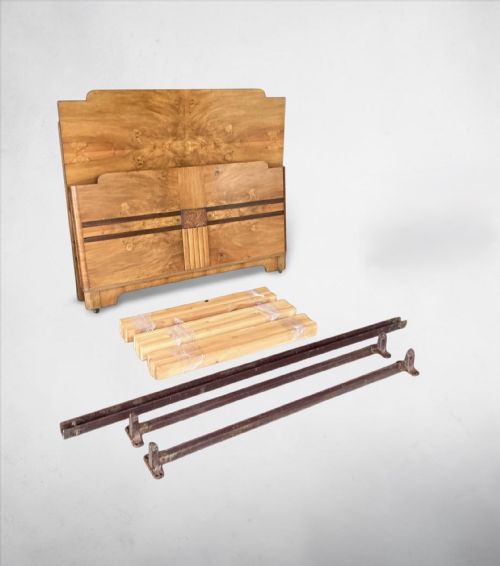
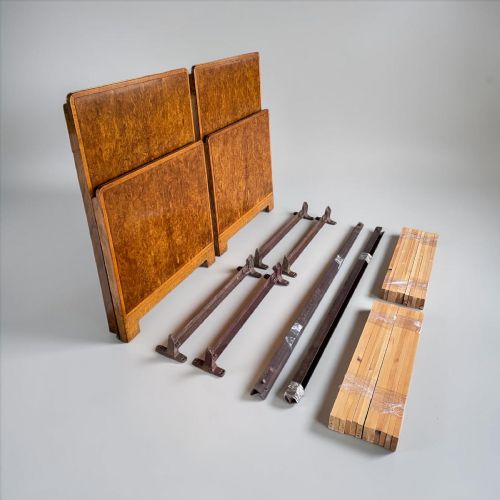
Most antique frames use standard bolt-together corner brackets or slot-in iron rails designed for straightforward assembly and disassembly. This modular construction allowed historic households to transport large bedroom suites between rooms or properties.
When moving timber frames, care must be taken with old veneer and joints, keeping metal hardware separated in labelled bags to protect the original fixings.