


Edwardian Rail Bedstead
An edwardian rail bedstead brings sturdy metalwork and polished wooden framing together, offering durable construction and classic bedroom character.
Edwardian Rail Bedstead
An edwardian rail bedstead combines the robust framework of the late nineteenth and early twentieth centuries with distinct period proportions. When you search for an edwardian rail bedstead, you encounter substantial metal and timber furniture built to last generations.
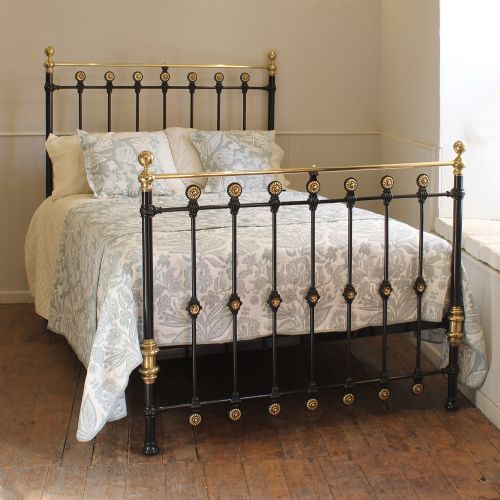
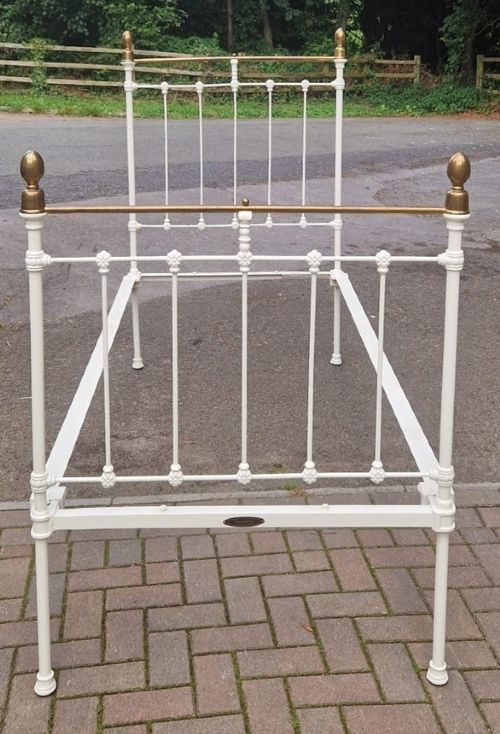
The versions most common on this page span the Edwardian era and the late Victorian period, featuring both single and larger double or king sizes. These pieces utilise sturdy iron, brass, and occasional timber panels to create a dependable sleeping platform.
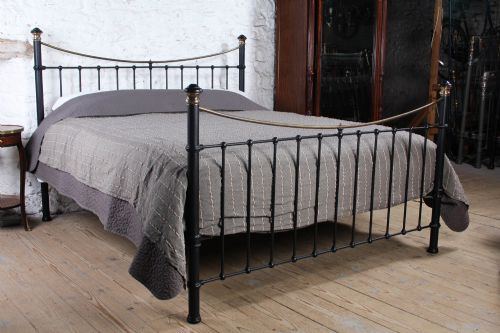
Makers of the period constructed these beds in various formats, ranging from simple straight rail designs to ornate dip-rail configurations with decorative brass caps. Each edwardian rail bedstead reflects the domestic manufacturing standards of its specific decade.
How they were made
Makers of the era combined cast iron and wrought iron for the core structural framework, ensuring stability and heavy load-bearing capacity. Brass components, including polished caps and decorative tubing, added contrast and visual warmth to the dark metal frames.
Selected timber variants incorporated solid mahogany, satinwood, walnut, or oak for headboard panels and rails, showcasing traditional cabinet-making joins. Metal elements frequently featured painted finishes, ranging from black and white to aged cream, complemented by polished or lacquered brass details.
Early twentieth-century sleepers clearly enjoyed a gentle curve, given the enduring popularity of the dip rail.
What varies in quality
The distinction between standard examples and superior pieces rests on the complexity of the metal casting and the richness of the timber selection. Heavier gauge ironwork and substantial brass components indicate a higher tier of original manufacture.
Attention to detail in the decorative joints, the finish of the brass caps, and the quality of the wood panels separate everyday utility frames from more ambitious workshop productions. Finer edwardian rail bedstead examples display crisp casting marks and well-preserved original surface treatments.
The Edwardian Rail Bedstead Glossary
- Dip rail
- A headboard or footboard top rail that curves downward in the centre. This configuration was popular for softening the rigid lines of metal frames.
- Brass cap
- A decorative metal fitting placed over the top of iron posts. These caps provide a polished finish and protect the structural joints underneath.
- Satinwood
- A dense, hard timber known for its golden sheen and fine grain. It was utilised in finer Edwardian furniture to provide a pale, reflective surface.
- Cast iron
- Molten metal poured into a mould to form solid, ornate structural shapes. This material forms the heavy, durable base of most period metal beds.
Edwardian Rail Bedstead: Frequently Asked Questions
How do I assemble an antique bed frame?
Most period iron and brass beds utilise a standard wedge-lock or side-rail slot system that secures the side rails to the headboard and footboard posts without complex tools.
Ensuring the floor is level and tightening each joint evenly maintains structural stability and prevents the metal frame from rocking during daily use.
Will modern mattresses fit these historic frames?
Many period bedframes accommodate standard UK and international mattress sizes, though exact dimensions can vary slightly from contemporary manufacturing standards.
Checking the internal length and width of the side rails before selecting a mattress ensures a snug and secure fit within the original iron or wooden borders.
How do I care for brass and iron?
Painted iron surfaces require only gentle dusting with a dry cloth to prevent the accumulation of moisture and grit.
Unlacquered brass components benefit from occasional application of appropriate metal polish to maintain their brightness, while lacquered brass needs only a wipe with a soft cloth.
What is the difference between Victorian and Edwardian styles?
Victorian bed frames often exhibit heavier ornamentation, darker painted finishes, and more elaborate cast iron detailing reflecting nineteenth-century industrial output.
Edwardian designs typically introduce lighter proportions, simpler rail configurations, and occasional timber panels that align with early twentieth-century aesthetic preferences.