



Antique Fruitwood Sideboard
An antique fruitwood sideboard brings warmth and character to a room, offering practical storage through rich, figured timber surfaces.
Antique Fruitwood Sideboard
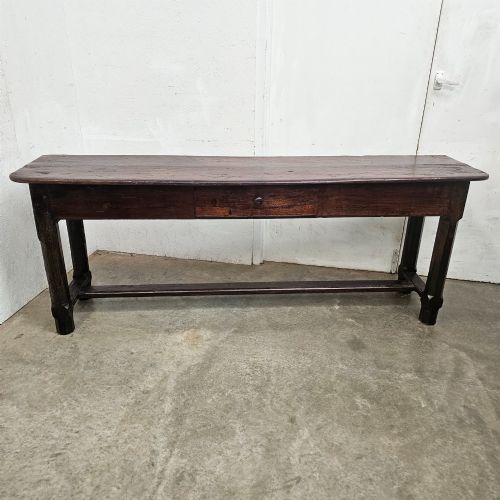
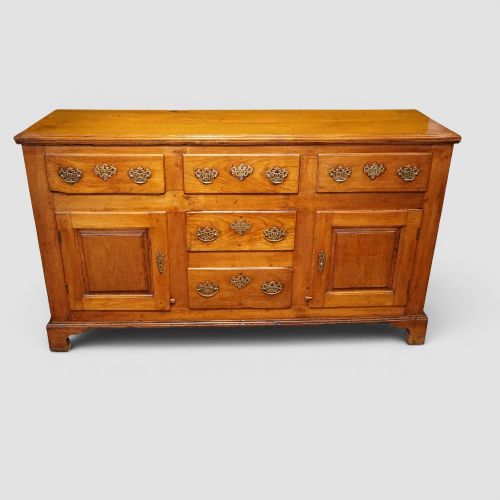
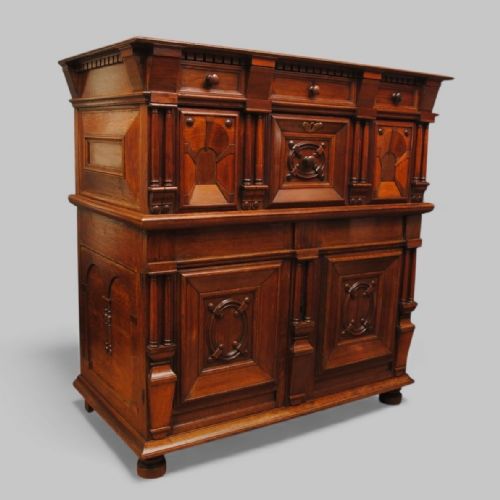
An antique fruitwood sideboard encompasses robust dresser bases, server tables and commodes shaped from dense domestic timber rather than standard mahogany or oak. These pieces span the seventeenth, eighteenth and nineteenth centuries, originating primarily from regional workshops in Britain and provincial France.
Buyers browsing this selection encounter numerous dresser bases alongside French provincial commodes and console tables. Such items combine utilitarian storage with the distinct grain patterns inherent to fruitwood timbers.
Regional forms range from Georgian Welsh plate-back dressers to rustic French harvest serving tables. Each variation reflects the local domestic needs and cabinet-making traditions of its specific period.
How they were made
Cabinet-makers constructed these pieces using solid fruitwood timbers, frequently incorporating secondary woods such as oak and walnut for internal framing and structural support. Surfaces often display decorative contrasting details like snakewood inlay or geometric mouldings.
Hardware typically consists of brass handles and escutcheons fixed to dovetailed drawers and panelled doors. Selected later nineteenth-century examples incorporate fitted marble tops above the wooden base structure.
Antique Fruitwood Sideboard Retail Price Guide 2026
Typical asking prices for fruitwood sideboard among the pieces listed under this phrase on Sellingantiques today, from the lower quarter to the upper quarter. They describe what is for sale here now, not the wider market.
Current listings feature pieces spanning the seventeenth, eighteenth and nineteenth centuries, constructed primarily from fruitwood, oak and walnut with brass hardware.
What varies in quality
Quality rests primarily in the depth of natural colour and patina developed across the fruitwood surface over centuries of use. Pieces retaining their original timber surfaces and unblemished hardware sit at the upper end of the scale.
Proportion and joinery execution also distinguish finer examples, where drawer linings and moulded fronts show careful hand-working rather than hurried assembly.
The Antique Fruitwood Sideboard Glossary
- Dresser base
- A low sideboard form featuring drawers and cupboards, traditionally used in dining rooms or kitchens for serving food and storing utensils. These pieces often lack the upper plate rack found on full dressers.
- Commode
- A low French storage cabinet fitted with multiple drawers, frequently finished with a shaped bow front or a marble top. They gained popularity in provincial homes during the eighteenth and nineteenth centuries.
- Fruitwood
- An umbrella term for timber harvested from fruit-bearing trees such as pear, apple or cherry, known for a tight grain and warm hue. Cabinet-makers favoured it for its tactile surface and distinctive ageing qualities.
- Patina
- The lustrous surface sheen developed on old wood through decades of handling, polishing and oxidation. It serves as a visual indicator of age and genuine handling.
- Snakewood
- A dense, heavy timber featuring speckled markings resembling snakeskin, utilised in seventeenth-century pieces for contrasting stringing and geometric decoration. It adds a striking visual accent to plainer fruitwood carcases.
Antique Fruitwood Sideboard: Frequently Asked Questions
What is a fruitwood sideboard?
A fruitwood sideboard is a sturdy timber storage piece, including dresser bases and commodes, made from woods like pear or cherry.
These items provide surface space and drawers, acting as both practical furniture and decorative focal points.
How do I care for antique fruitwood?
Maintain fruitwood by keeping it away from direct heat sources and sudden humidity changes to prevent timber splitting.
Apply traditional beeswax occasionally to nourish the grain and preserve the natural surface sheen.
Are these pieces strictly British?
While the selection includes Georgian British items like Welsh dressers, many pieces originate from provincial France.
French regional examples often take the form of commodes, harvest tables and console units.
What distinguishes fruitwood from oak?
Fruitwood generally presents a smoother grain texture and warmer, reddish-brown tones compared to the pronounced open grain of oak.
Cabinet-makers often selected fruitwood for its fine working properties and decorative figure.