
Antique Fruit Painting
Antique fruit painting brings together centuries of still life studies on canvas, panel and paper, celebrated for rich colour and natural detail.
Antique Fruit Painting
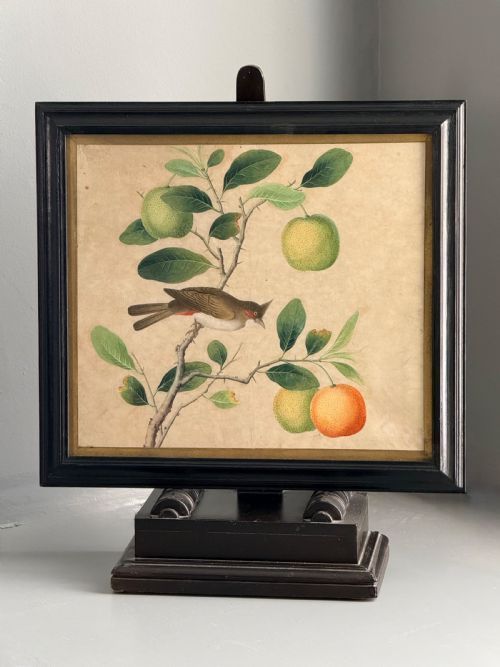
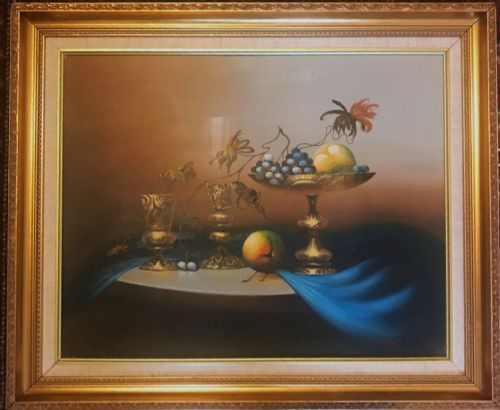
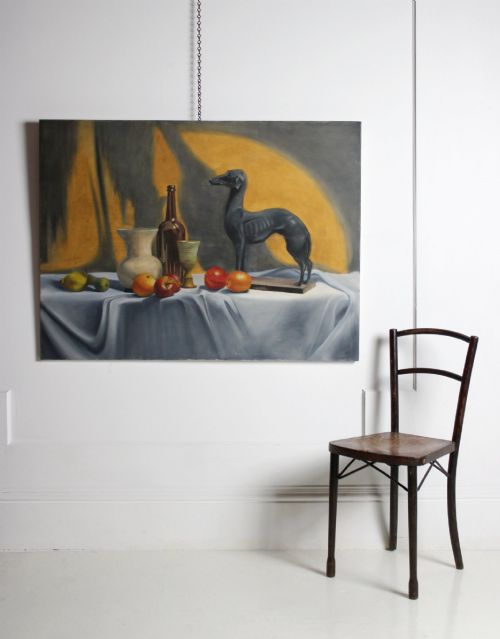
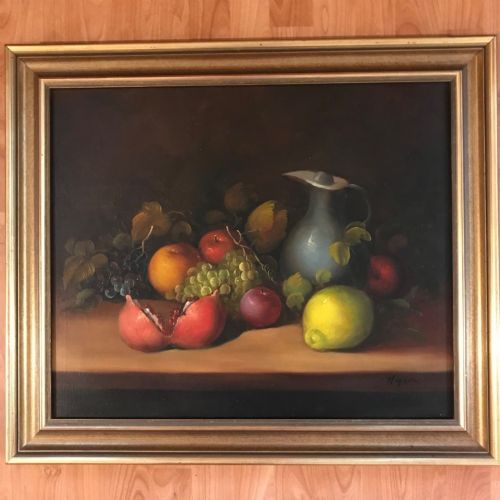
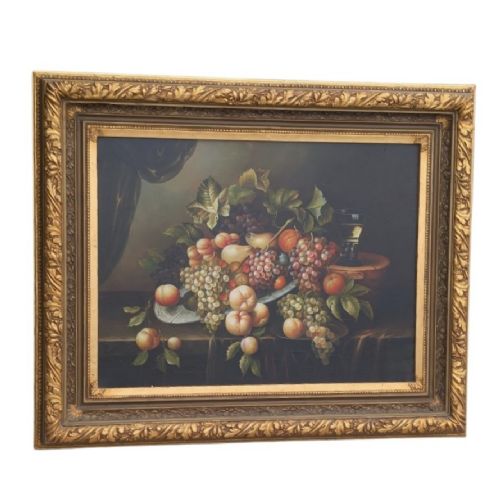
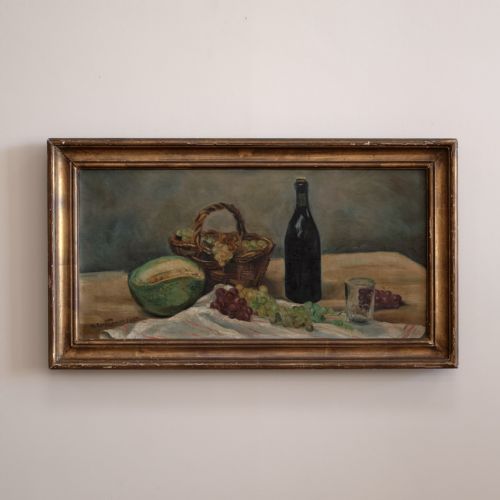
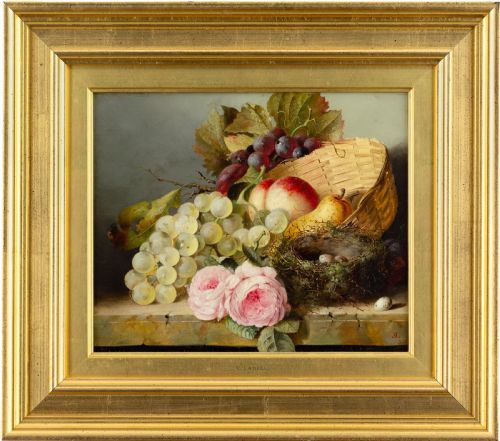
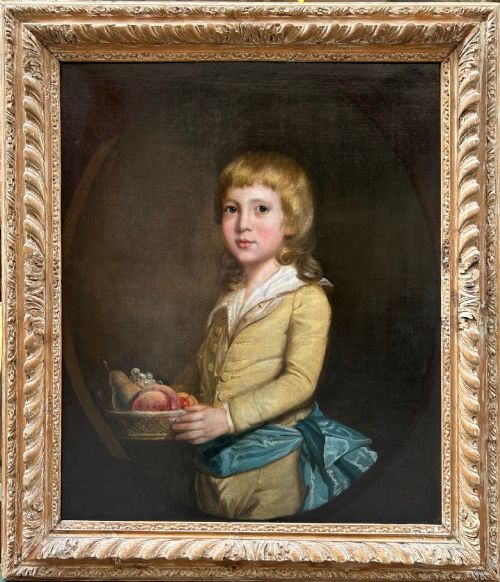
An antique fruit painting encompasses oil on canvas, oil on wood panel, watercolours, and gouache studies dating from the seventeenth century through to the mid twentieth century. These works frequently depict arrangements of grapes, apples, plums, and peaches gathered in baskets, laid on stone ledges, or combined with flowers and game.
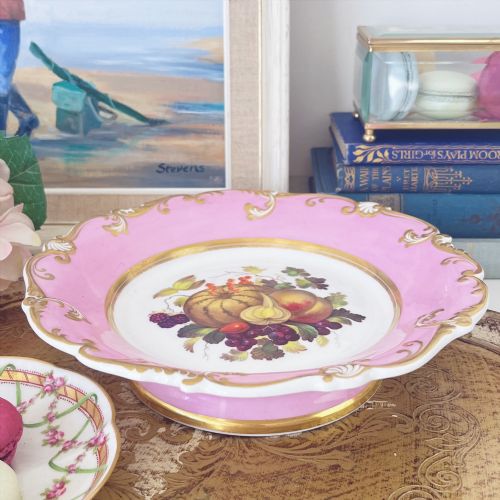
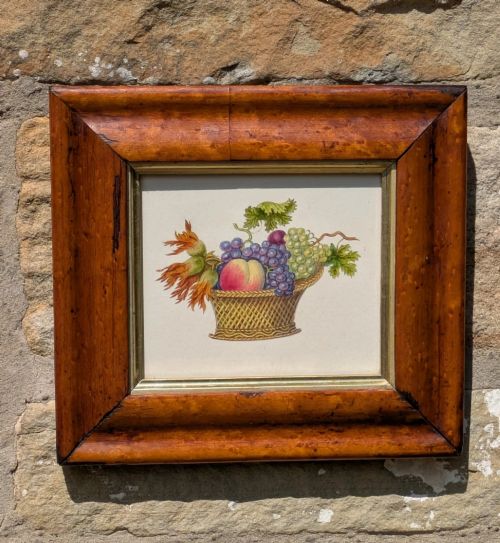
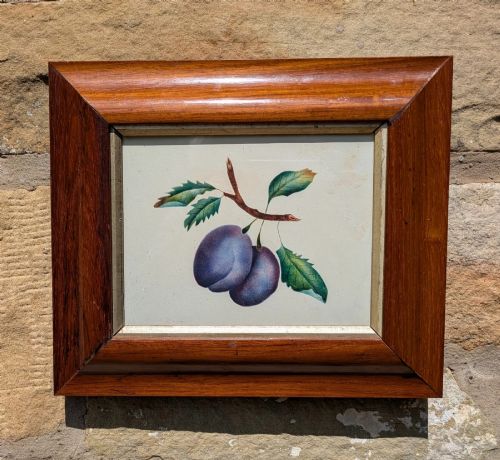
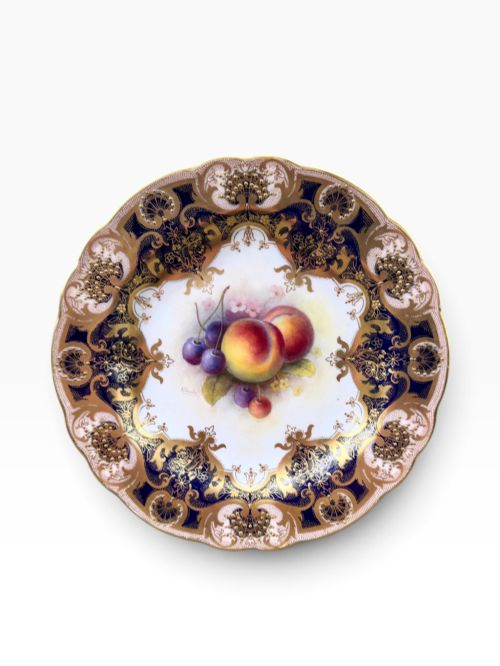
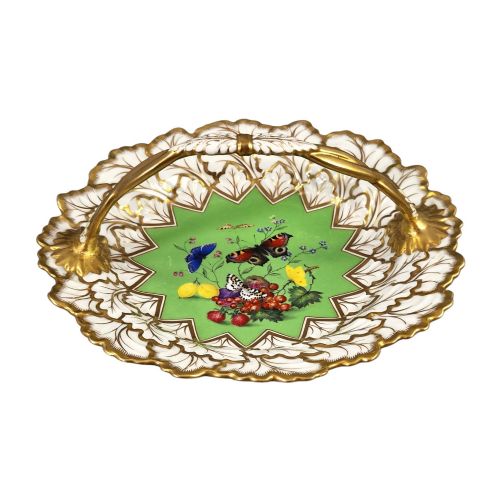
Buyers encounter British and continental European school works alongside delicate botanical watercolours on paper and pith. The selection ranges from dark, moody seventeenth century Flemish and Dutch compositions to bright nineteenth century oil studies and signed twentieth century porcelain cabinet plates painted with detailed fruit arrangements.
Materials and methods
Artists painted oil on stretched canvas, wood panels, or card, building up layers of pigment to capture the translucent skin of grapes and the soft bloom on peaches. Watercolour and gouache works utilised paper, rice paper, or pith, applying water-based colours to achieve fine botanical precision.
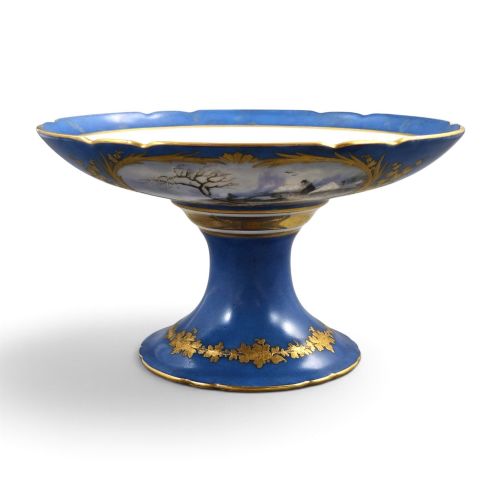
Porcelain painters utilised specialist enamel colours fired at high temperatures on bodies from factories like Royal Worcester, Coalport, and Sèvres, often adding gilding or gold leaf highlights to cabinet plates and comports.
Antique Fruit Painting Retail Price Guide 2026
Typical asking prices for fruit painting among the pieces listed under this phrase on Sellingantiques today, from the lower quarter to the upper quarter. They describe what is for sale here now, not the wider market.
Several artists snuck small insects, butterflies, or stray birds into their fruit piles, challenging viewers to spot the hidden wildlife.
Judging quality in these works
Quality rests on the precision of the brushwork and the realism achieved in textures, from the rough skin of a basket to the dewdrops on a leaf. Superior canvas and panel works demonstrate careful management of light and shadow, creating depth across the arrangement of fruit.
On ceramics, the skill of named artists working within established potteries determines the standing of a piece. Hand painted details, rich ground colours, and well preserved gilding elevate cabinet plates and comports.
H & R Daniel·Royal Worcester·Flight Barr And Barr·Coalport
The Antique Fruit Painting Glossary
- Cabinet plate
- A decorative ceramic plate intended for display in a cabinet or on a wall rather than for dining use.
- Comport
- A raised footed dish or bowl used for serving fruit or sweets on a formal table.
- Gouache
- An opaque water-based pigment that dries to a matte finish, allowing for rich colour density in works on paper.
- Still life
- An artwork depicting inanimate subject matter, typically commonplace objects such as fruit, flowers, and tableware.
- Pith paper
- A delicate material derived from the pith of the Tetrapanax papyrifer plant, used for nineteenth century botanical and fruit watercolours.
Antique Fruit Painting: Frequently Asked Questions
How do I care for an antique oil painting?
Keep canvas and panel works away from direct sunlight and fluctuating temperatures to prevent the paint layer from cracking or fading. Dust gently with a dry, soft cloth and avoid chemical cleaning agents.
For framed pieces, ensure the backing board allows the canvas to breathe. Professional conservation is recommended for any deeper cleaning or repair.
What subjects accompany fruit in these paintings?
Artists frequently combined fruit with autumn flowers, birds' nests, wine glasses, and silver vessels. Game birds, fish, and insects also appear in seventeenth and eighteenth century continental compositions.
These added elements created balanced allegorical scenes or rich studies of harvest abundance.
How do I date a painted porcelain plate?
Look to the factory backstamps, pattern numbers, and artist signatures stamped or hand painted on the reverse. Many major nineteenth and twentieth century potteries used specific date ciphers.
Stylistic cues, such as the ground colour and border gilding, also help narrow down the production decade.
Where were still life fruit paintings displayed historically?
Wealthy patrons hung these works in dining rooms, parlours, and larders to reflect themes of hospitality and seasonal bounty. Larger canvases served as grand focal points above sideboards.
Smaller watercolours and porcelain plates were kept in intimate drawing rooms or displayed within enclosed cabinets.