


Antique Fruit Compote Bowl
An antique fruit compote bowl is a raised pedestal vessel meant for displaying table fruits, and these pieces combine practical service with sculptural presence.
Antique Fruit Compote Bowl
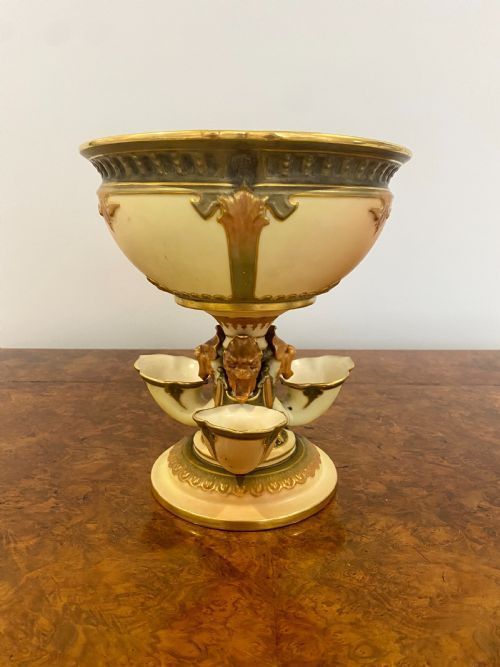
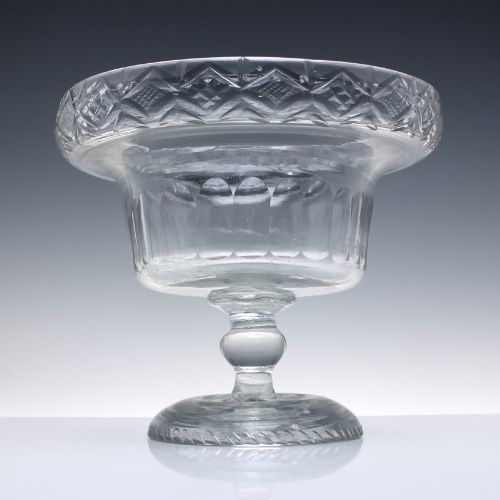
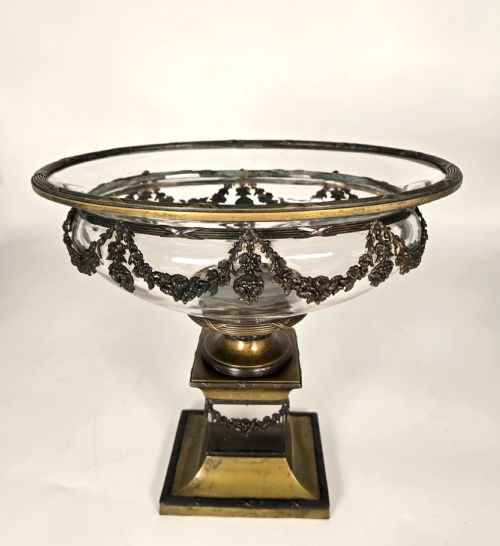
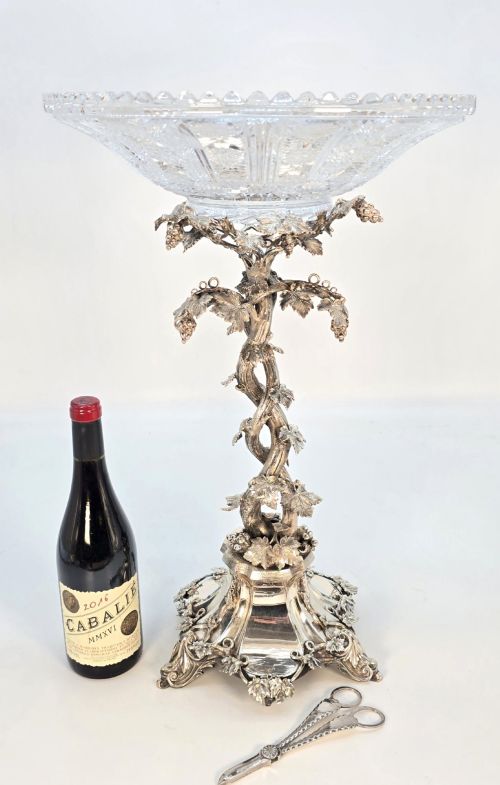
When you search for an antique fruit compote bowl, you encounter raised pedestal vessels, tazzas, and large centrepieces designed for the dining table. The selection spans Georgian Irish cut glass standing bowls, Victorian ironstone footed comports, and Edwardian porcelain centrepieces.
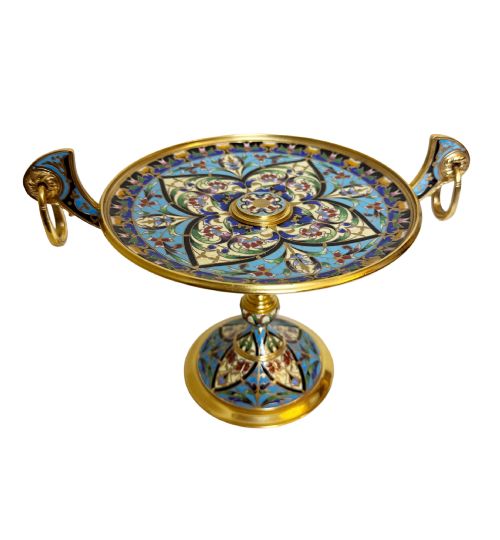
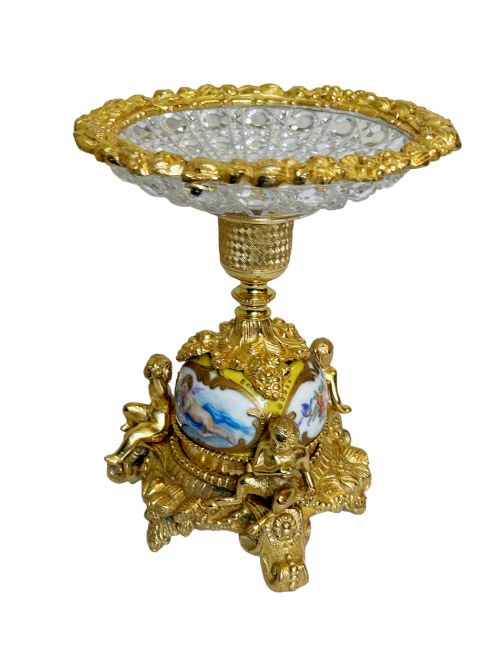
You meet pieces originating from English potteries, French bronze mounts, and German porcelain manufactories. Forms range from simple earthenware footed bowls to elaborate gilt bronze and champleve tazzas with cherub figures.
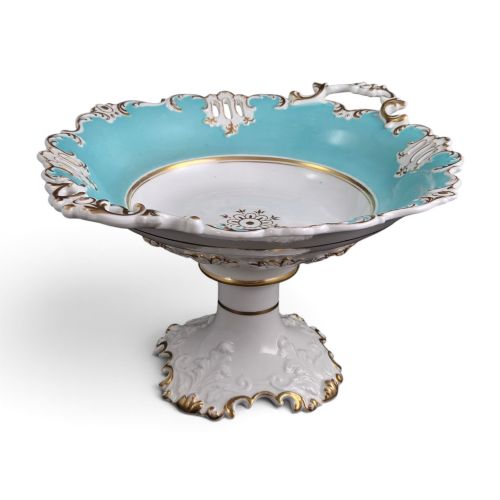
The dominant varieties on this page include bone china comports in rococo styles, heavy cut crystal centrepieces, and ironstone pedestal dishes in traditional Japan patterns. Each piece reflects the formal dining arrangements of the nineteenth and early twentieth centuries.
Materials and Techniques
Makers shaped lead crystal and cut glass through heavy wheel-cutting and polishing to achieve deep light refraction on the dining table. These glass bowls frequently paired with cast gilt bronze or silver plated stands.
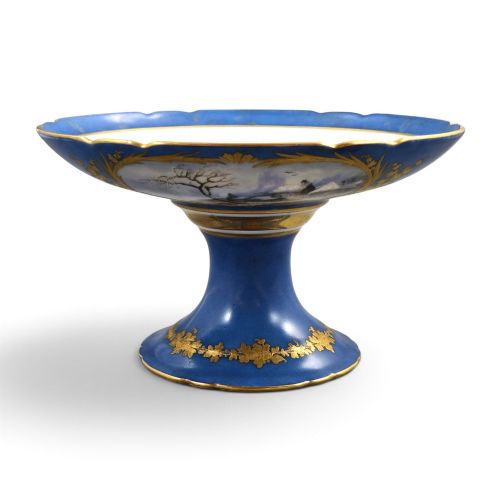
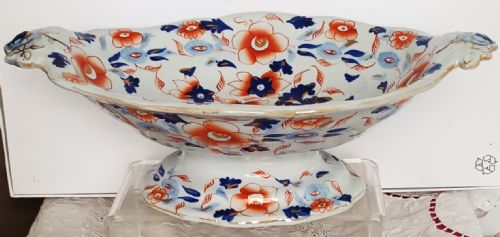
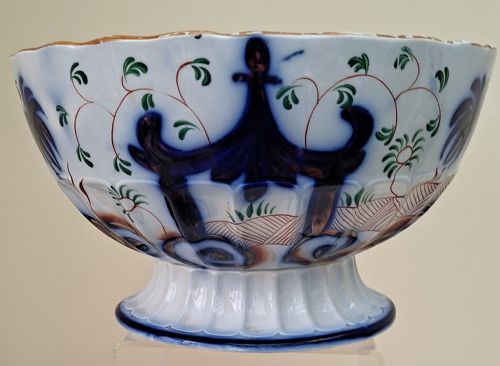
Ceramic examples utilised porcelain, bone china, and ironstone, decorated with transfer printing, hand-painted enamels, and applied floral motifs. Potteries fired these pieces at high temperatures before adding gold leaf or rich polychrome glazes.
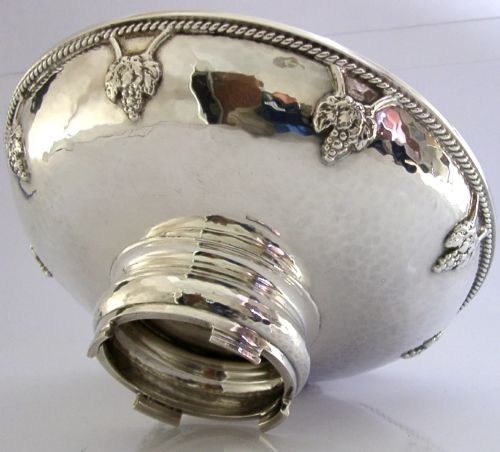
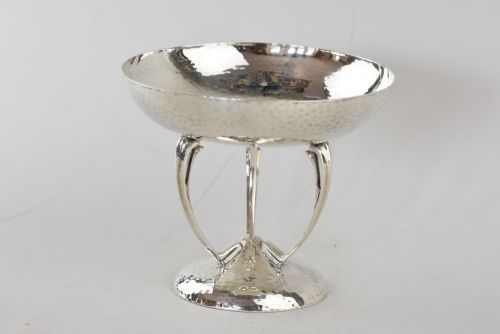
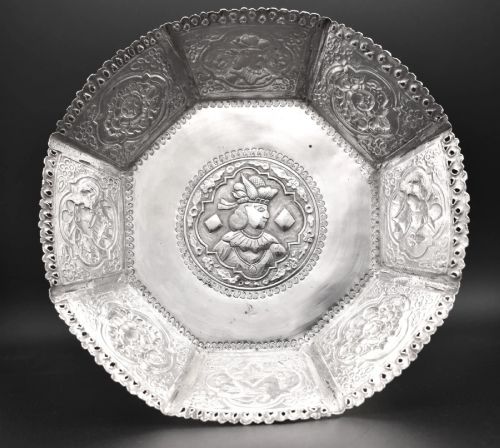
Metalwork pieces combined copper, brass, and silver through hammering, repoussé work, and champleve enamel techniques. Artisans cast bronze components in sections before assembling pedestal tazzas and winged cherub centrepieces.
Antique Fruit Compote Bowl Retail Price Guide 2026
Typical asking prices for fruit compote bowl among the pieces listed under this phrase on Sellingantiques today, from the lower quarter to the upper quarter. They describe what is for sale here now, not the wider market.
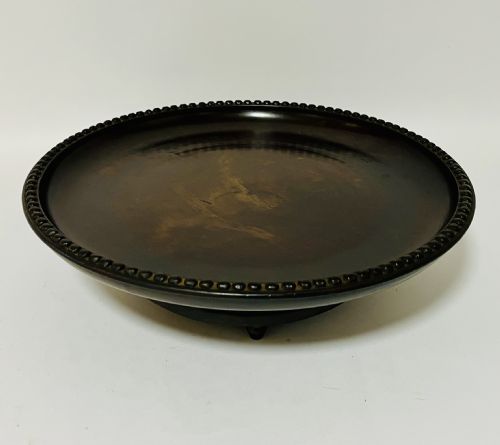
A Swiss musical wooden fruit bowl plays tunes while holding your apples.
Evaluating Craftsmanship
Quality rests in the crispness of the casting on bronze mounts and the depth of the wheel-cut facets on crystal bowls. Superior pieces display sharp detailing on applied figures like putti and cherubs rather than softened, repetitive mould lines.
In ceramics, excellence shows in the precision of hand-painted enamels and the even application of glazes across complex moulded shapes like begonia leaves or pagoda patterns. Finer porcelain bodies maintain thin, even walls without warping from kiln heat.
Proportion and structural balance dictate the standing of a pedestal bowl or tazza. The heaviest lead crystal tops require thick, stable footed bases that support the upper bowl securely without wobble.
Royal Worcester·Goldsmiths and Silversmiths Company·Charles Boyton·Schierholz Plaue·C.G. Schierholz and Sohn
The Antique Fruit Compote Bowl Glossary
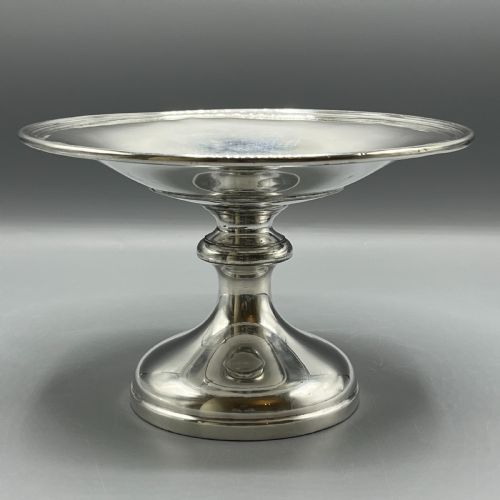
- Tazza
- A shallow saucer or bowl mounted on a central foot or pedestal. Originating from Renaissance Italy, these vessels served sweets and fruits at formal banquets.
- Centrepiece
- A large decorative object placed in the middle of a dining table. These multi-part items combine bowls with figural bronze mounts or elaborate porcelain flower arrangements.
- Ironstone
- A durable type of heavy earthenware patented in the nineteenth century. It resists chipping and served as a sturdy alternative to porcelain for patterned tableware.
- Champleve
- An enamelling technique where troughs are dug into a metal surface and filled with vitreous paste before firing. This creates coloured patterns within a bronze or copper framework.
Antique Fruit Compote Bowl: Frequently Asked Questions
What is a compote bowl used for?
These elevated vessels held fresh fruit, nuts, or sweetmeats for the conclusion of a formal meal. Placed in the centre of the table, they added height and visual interest to the dining arrangement.
Over time, their role shifted from active dining service to decorative display pieces. Today they function as standalone ornaments or holders for seasonal arrangements.
How do you tell ironstone from porcelain?
Ironstone is a dense, opaque earthenware that feels heavier and thicker than true porcelain. When tapped, it produces a duller sound compared to the high-pitched ring of fine china.
Porcelain remains translucent when held to a strong light source, whereas ironstone blocks light entirely. Ironstone also tends to show a slightly coarser texture beneath the glaze.
Where were these bowls displayed?
Dining rooms formed the primary setting for pedestal bowls and centrepieces during the Victorian and Edwardian eras. They sat directly on polished mahogany dining tables or sideboards.
In later periods, collectors moved these pieces to display cabinets, entrance halls, and drawing-room mantelpieces. Their reflective glass and bright ceramic glazes caught natural light in these spaces.