




Pedestal Sweetmeat Dish
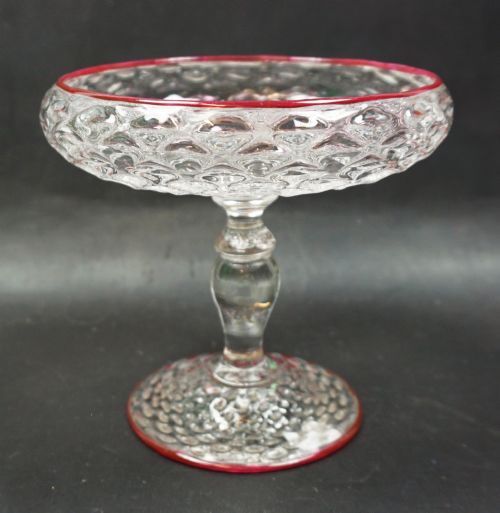
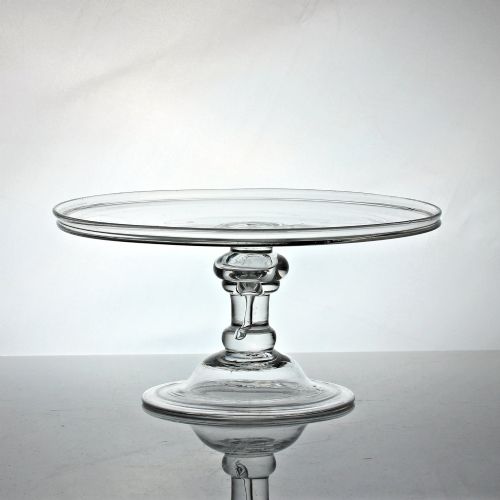
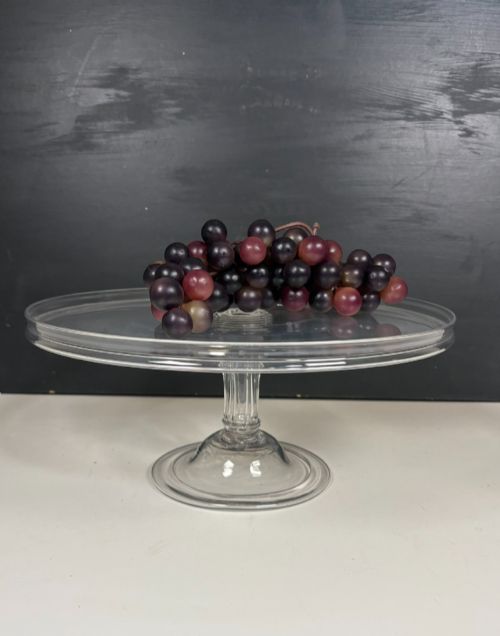
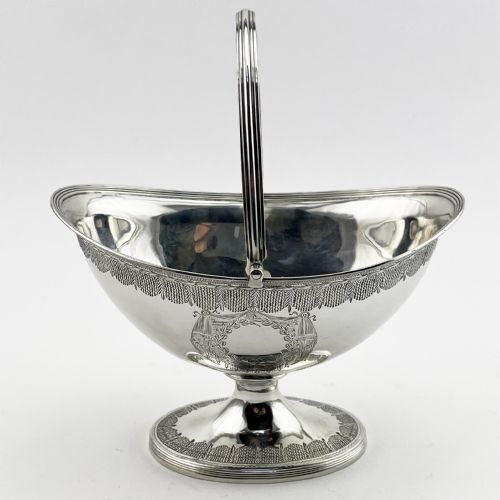
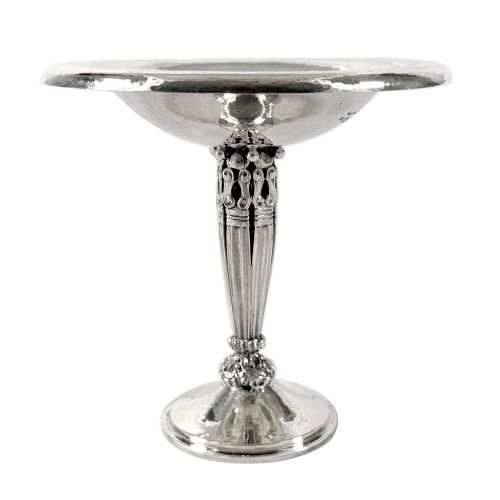
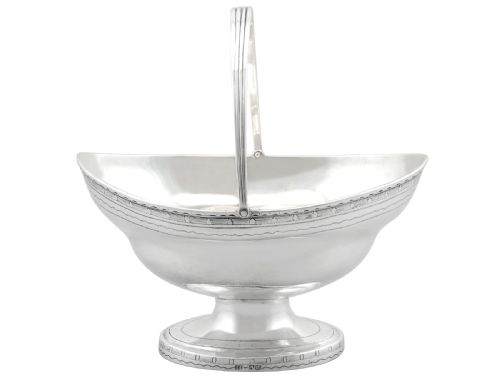
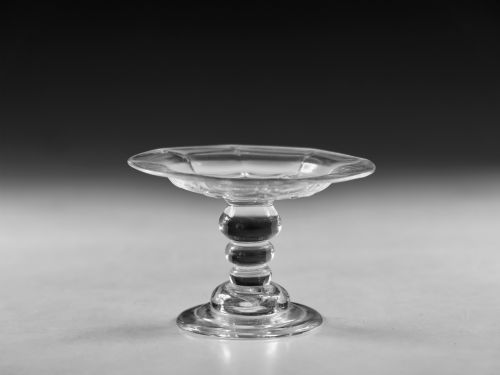
These pedestal sweetmeat dish pieces are raised vessels for confections, combining period glass and silver craftsmanship.
Pedestal Sweetmeat Dish
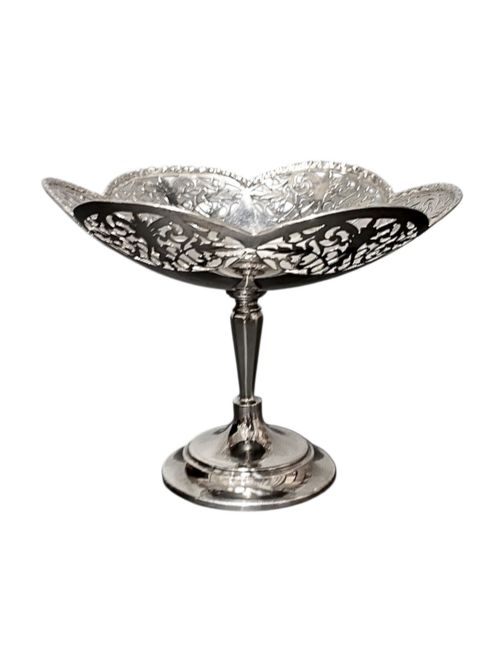
A pedestal sweetmeat dish takes the form of a raised bowl or tazza designed for serving sweet confections during formal dining. When you search for a pedestal sweetmeat dish, you encounter both glass and sterling silver examples spanning the Georgian, Victorian, and Edwardian periods.
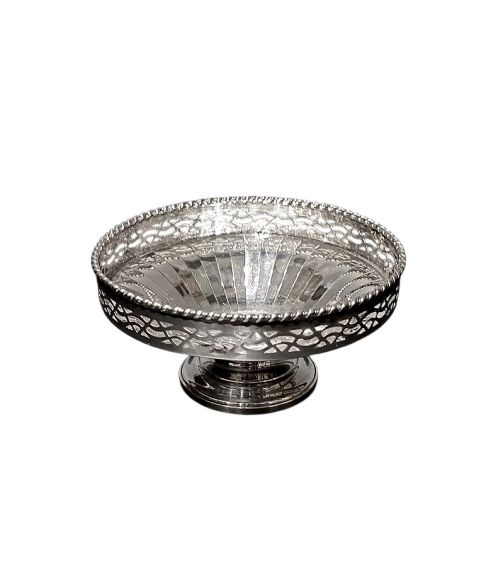
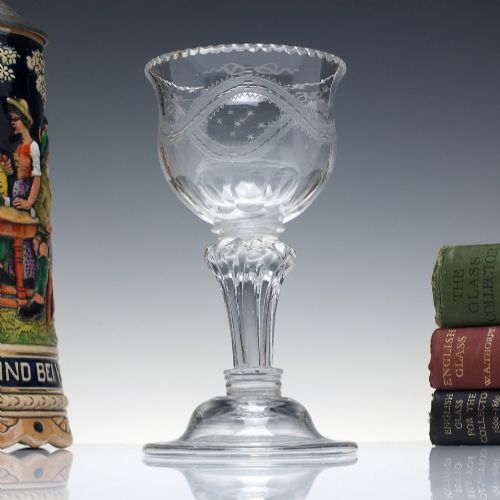
The glassware varieties include lead crystal and lead glass items featuring honeycomb moulding, rib-moulding, or cut glass decoration. Silver examples frequently appear as sugar baskets, bonbon dishes, and pierced centrepieces from makers working in the eighteenth and nineteenth centuries.
Materials and construction
Glass pieces utilise lead crystal and clear glass shaped through moulding techniques such as honeycomb patterns and rib-moulding, occasionally incorporating red cane decoration or gilding. Silver vessels employ sterling silver with embossed detailing, pierced work, and parcel-gilt interiors.
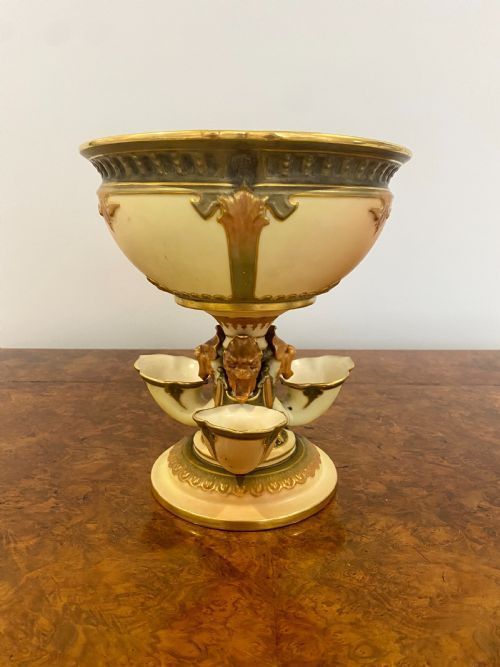
Ceramic forms bring porcelain into the mix alongside gold leaf accents and figural supports like cherubs. Metalwork relies on traditional hallmarking, silversmithing, and casting methods.
Pedestal Sweetmeat Dish Retail Price Guide 2026
Typical asking prices for pedestal sweetmeat dish among the pieces listed under this phrase on Sellingantiques today, from the lower quarter to the upper quarter. They describe what is for sale here now, not the wider market.
Listings feature items from the eighteenth, nineteenth, and early twentieth centuries, spanning Georgian, Victorian, and Edwardian eras.
Assessing quality and execution
Quality rests upon the crispness of the cutting in crystal examples and the depth of the repoussé work or piercing on silver baskets. Superior items display sharp facet cuts, well-defined baluster stems, and clear hallmarks indicating specific makers.
The integration of materials also defines the tier, such as the precision of red cane glass additions or the intact preservation of internal gilding within silver dishes.
Henry Chawner·Charles Boyton·James Deakin & Sons·James Dixon & Sons
The Pedestal Sweetmeat Dish Glossary
- Tazza
- A shallow bowl mounted on a stem and foot, used for serving small items or sweetmeats. This form underpins many glass and silver pieces.
- Sweetmeat
- A confection made with sugar, fruit, or nuts, historically served in dedicated dishes during dessert courses. These vessels held such delicacies.
- Baluster
- A moulded stem with a swelling contour reminiscent of an architectural baluster. It frequently supports Georgian glass sweetmeat dishes.
- Pierced work
- Metalwork decorated by cutting or piercing patterns through the silver sheet. Edwardian and Victorian baskets often utilise this technique.
- Repoussé
- Metalworking technique where the silver is hammered from the reverse side to form a raised design on the front. Embossed detailing achieves a similar textured finish.
Pedestal Sweetmeat Dish: Frequently Asked Questions
What is a pedestal sweetmeat dish used for?
These elevated vessels held small sugary confections, nuts, and sweetmeats served at the conclusion of formal meals.
Their raised profiles allowed them to sit prominently among other tablewares for easy access by guests.
How do I date a glass tazza?
Dating relies on identifying manufacturing characteristics such as lead weight, pontil marks, and cutting styles.
Georgian examples tend to feature heavy lead glass and baluster stems, while later Victorian pieces show different mould and crystal properties.
Are silver sweetmeat baskets marked?
Most sterling silver pieces carry hallmarks indicating the assay office, date letter, and silversmith's mark.
These stamps help identify specific makers and production years during the Georgian, Victorian, and Edwardian eras.
How should I clean antique silver dishes?
Cleaning requires gentle methods suitable for sterling silver to preserve any embossed detailing or pierced work.
Harsh abrasive polishes should be avoided to protect the integrity of the original metal surface.