






Gilt Porcelain Table Centrepiece
A gilt porcelain table centrepiece commands the dining table with gleaming metal and painted ceramic, bringing undeniable theatricality to any room.
Gilt Porcelain Table Centrepiece
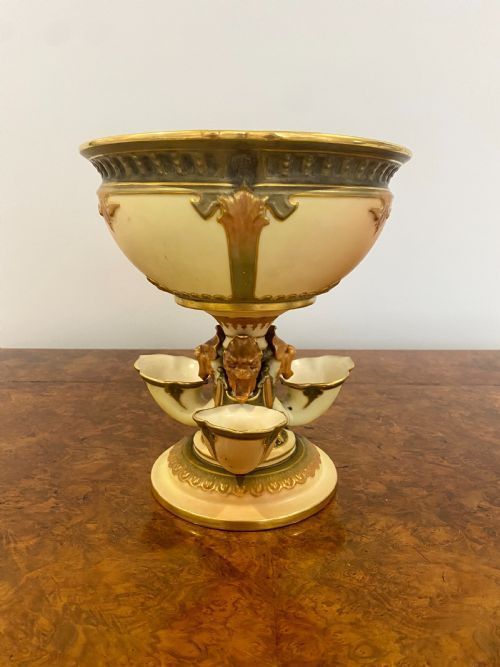
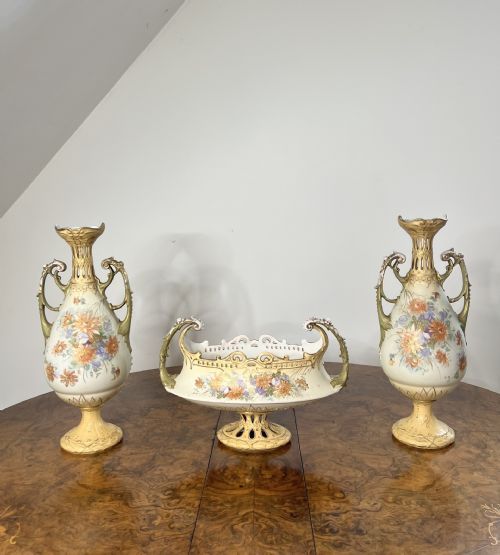
A gilt porcelain table centrepiece combines decorated ceramic bowls and figures with metallic mounts, serving as a dramatic focal point for dining tables and sideboards. These pieces frequently manifest as large decorative bowls, comports, and elaborate figurative compositions supported by or intertwined with metal mounts.
The examples gathered here span from the mid eighteenth century through the Edwardian era, showing a strong concentration of nineteenth century production. Makers and styles range from Royal Vienna and Meissen to Sevres style works, Doulton Burslem, and Schierholz.
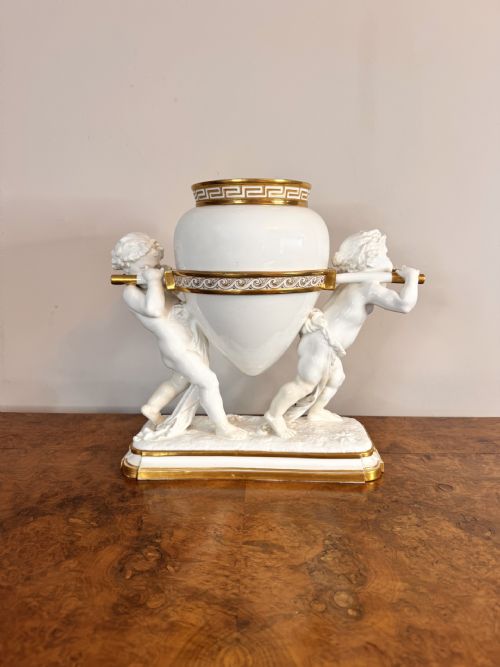
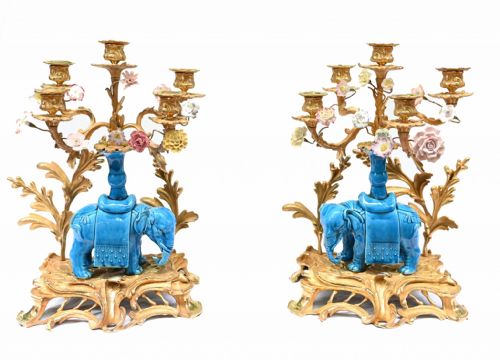
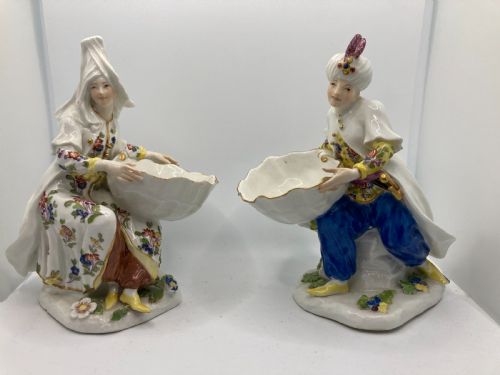
Buyers will encounter various forms including cherub centrepieces, shell dishes, elephant candelabras, and garniture sets. These objects were designed to hold fruit, sweetmeats, or flowers while elevating the formal table setting.
Materials and construction
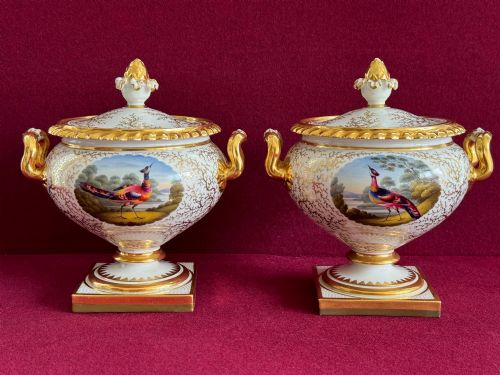
The primary bodies are formed from ceramic and porcelain, often decorated with hand painting and enamel work. Gold leaf, gilding, and gilt bronze or ormolu provide the shimmering metallic highlights that accent the white or coloured porcelain.
Mounts in ormolu and gilt bronze are cast and chased to clasp the ceramic components securely, uniting metal and fired clay into a single decorative vessel. Many pieces incorporate sculptural elements such as cherubs, birds, and elephants modelled in high relief alongside the main bowl or dish.
Gilt Porcelain Table Centrepiece Retail Price Guide 2026
Typical asking prices for gilt porcelain table centrepiece among the pieces listed under this phrase on Sellingantiques today, from the lower quarter to the upper quarter. They describe what is for sale here now, not the wider market.
The listings here feature pieces spanning the 18th, 19th, and early 20th centuries, executed in porcelain, enamel, ormolu, and gilt bronze.
Assessing quality
The integration of the metal mounts distinguishes finer works from simpler production. Heavy, well chased ormolu or gilt bronze that hugs the contours of the porcelain precisely indicates a higher grade of manufacture than thin or poorly fitted metalwork.
Royal Vienna·Doulton Burslem·Schierholz·Meissen·Sevres·Royal Crown Derby·Samson
The Gilt Porcelain Table Centrepiece Glossary
- Ormolu
- A gilt bronze finish applied to decorative metal mounts. This technique gives bronze the rich appearance of solid gold.
- Comport
- An elevated dish or bowl used for serving fruit or confectionery on the dining table. It typically stands on a central foot or stem.
- Sweetmeat
- A small confection or dry sweet served from specialised bowls during formal meals. Eighteenth century examples often feature dedicated figures holding these dishes.
- Garniture
- A set of matching decorative vessels, usually numbering three or five pieces, designed to be displayed together on a mantelpiece or sideboard.
- Rococo Revival
- A nineteenth century design movement that revived the flowing, asymmetrical curves and natural motifs of the eighteenth century French style.
Gilt Porcelain Table Centrepiece: Frequently Asked Questions
What were gilt porcelain table centrepieces used for?
These pieces served as the visual anchor of a formal dining table, often holding fruit, flowers, or sweetmeats during grand meals.
Beyond dining use, they functioned as permanent decorative displays on sideboards and credenzas to showcase household wealth and taste.
Where should I place a centrepiece in my home?
They look best in the centre of a large dining table, on a sturdy sideboard, or atop an entrance hall console table.
Ensure the location is stable and away from high traffic areas to protect projecting elements like handles, figures, and candelabra arms.
How can I tell a nineteenth century piece from an eighteenth century one?
Examine the paste, the quality of the enamels, and the style of the modelling for clues regarding the period of manufacture.
Nineteenth century revival pieces frequently utilise brighter machine mixed colours and heavier ormolu mounts compared to their earlier counterparts.